
🌿 Fenugreek
What it looks like
How to grow
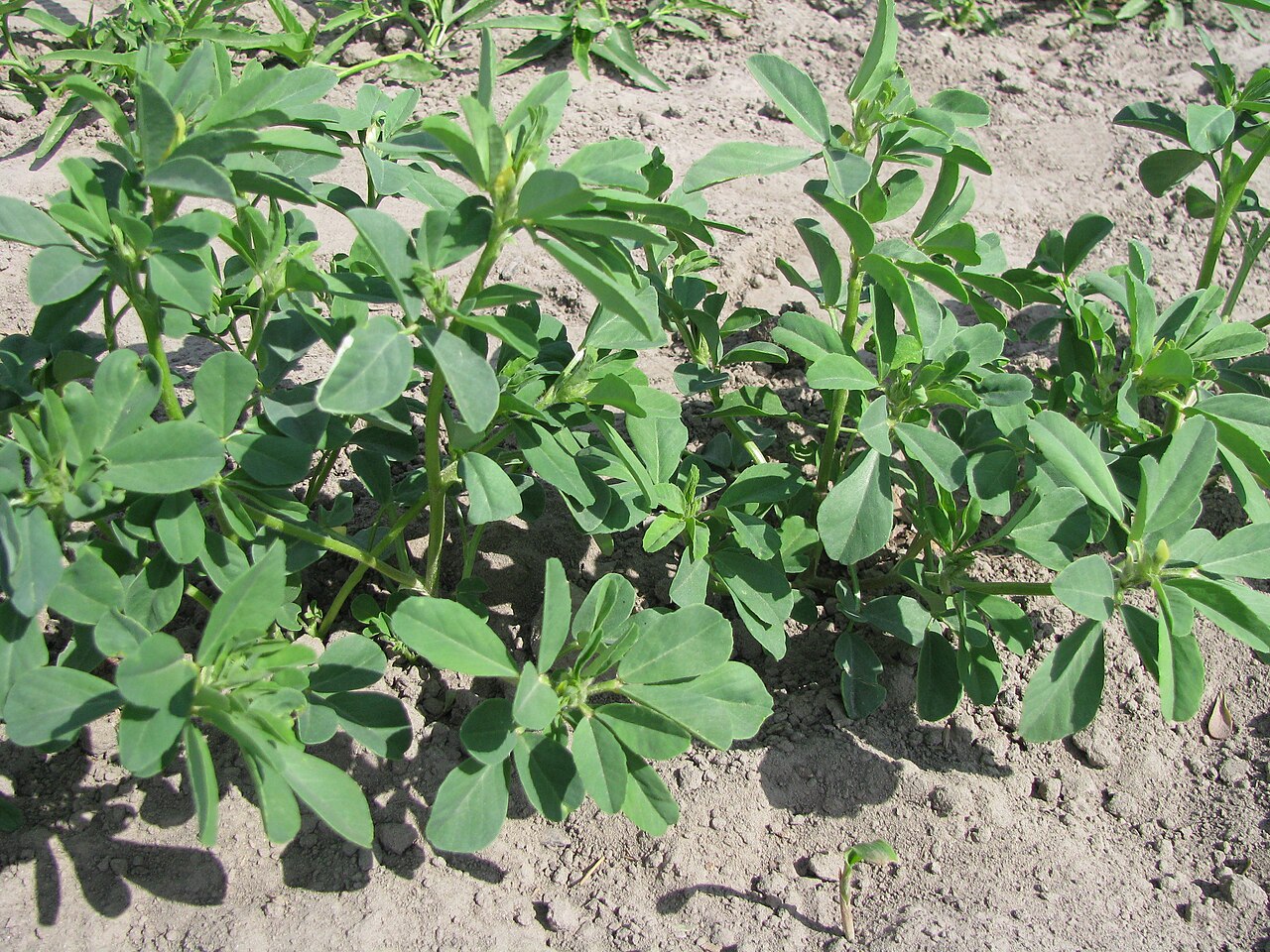
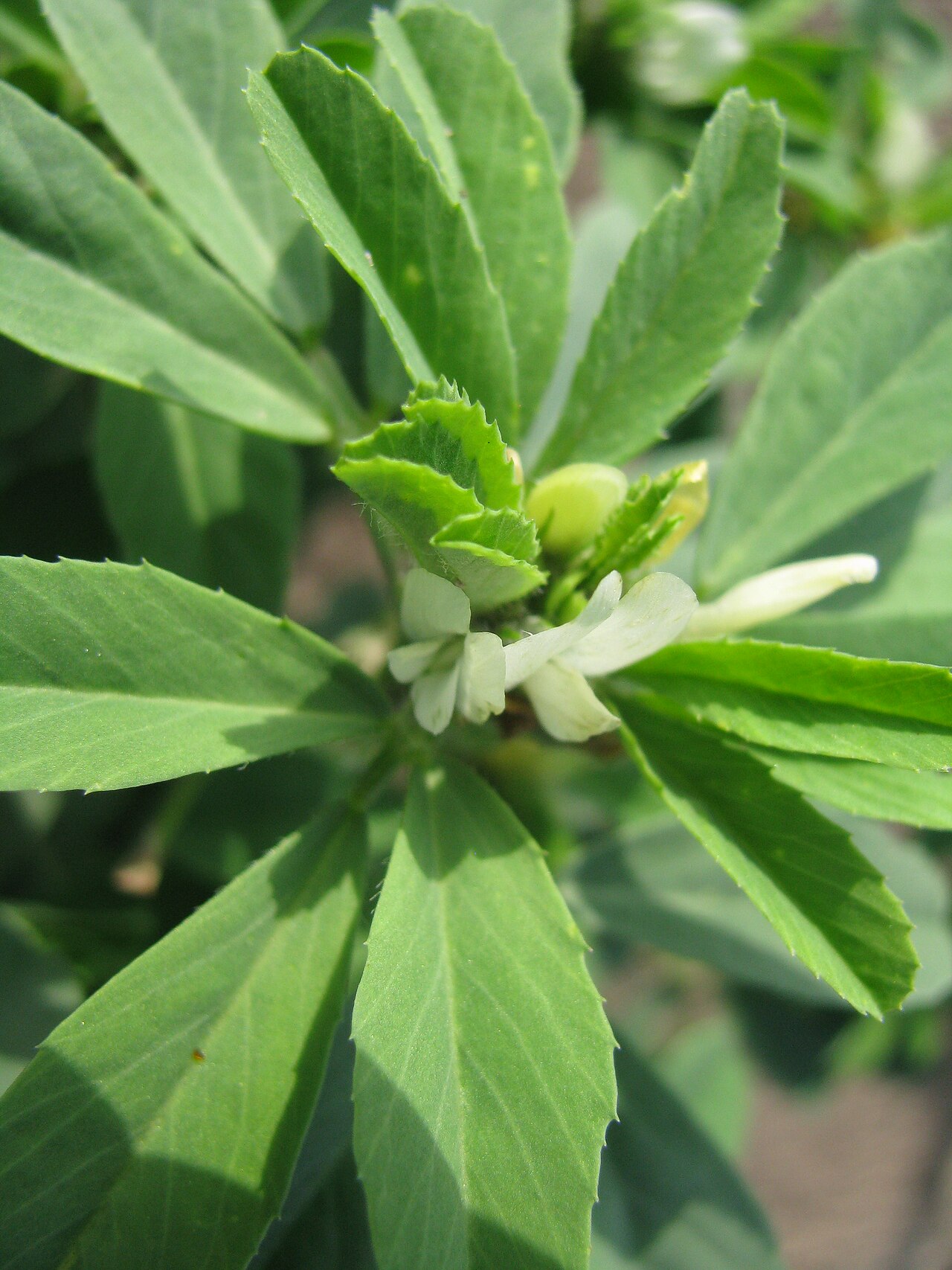
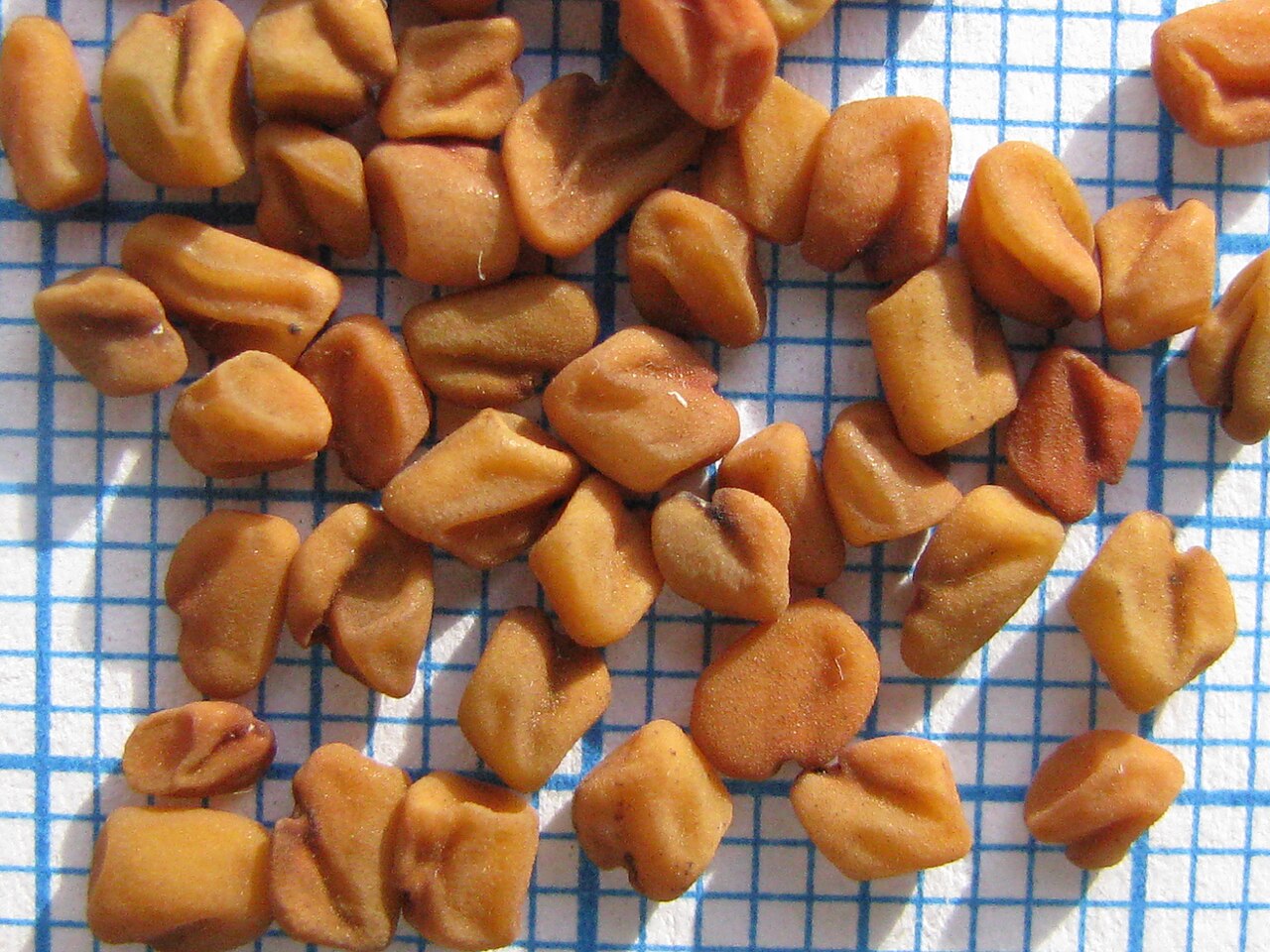
Fenugreek is a fast-growing annual legume grown for two crops: its clover-like leaves (sold as methi in Indian cooking) and its small, amber, maple-scented seeds, essential to curries, spice blends, and pickles. It is one of the easiest herbs to grow from seed — direct-sow after frost danger, sowing seeds half an inch deep in full sun and well-drained soil, and you will have edible leaves within a month. As a legume, fenugreek fixes nitrogen from the air into the soil, which means it improves the bed it grows in and needs little fertilizer — a genuine two-for-one for soil health. Plants reach 1-2 feet, with trifoliate leaves and small white or yellow flowers, followed by curved pods. Fenugreek tolerates heat and poor soil better than most herbs, though it dislikes waterlogged ground. In Florida and warm climates it grows well in the cooler months and can struggle in peak summer humidity; in northern zones it is a reliable summer annual. Sow a fresh patch every few weeks for a steady leaf supply, and let one patch go to seed for your spice jar.
Water & feeding
Keep soil evenly moist, about an inch a week; fenugreek tolerates short dry spells but yields better with steady water. As a nitrogen-fixer it needs little feeding — worm castings at planting is plenty, and high-nitrogen fertilizer is unnecessary and counterproductive.
Common problems
- Root rot in waterlogged soil — use well-drained soil and avoid overwatering.
- Powdery mildew in humid weather — space for airflow and water at soil level.
- Aphids on young growth — blast with water; plants usually outgrow them.
- Maple-scented sweat — fenugreek’s aroma compounds pass into sweat and urine, which is harmless but surprises first-time growers.
- CO-1 Fenugreek — The quick dual-purpose type: CO-1 is fast, root-rot resistant, and bred for both leaves and seed.
- Hisar Sonali Fenugreek — The tall, bushy dual-purpose type: Hisar Sonali pairs bold seed with moderate resistance to leaf spot and root rot in 140 to 150 days.
- Rajendra Kranti Fenugreek — The intercrop-friendly workhorse: Rajendra Kranti is medium-tall, bushy, and moderately resistant to powdery mildew, caterpillars, and aphids in about 120 days.
- RMt-1 Fenugreek — The Rajasthan standard: RMt-1 is a tall, semi-erect, root-rot-tolerant seed type that set the bar for fenugreek breeding.
Harvest
Harvest leaves as needed once plants are a few inches tall, cutting stems above a leaf node so they regrow. For seed, wait until pods turn yellow-brown, cut whole plants, dry them in paper bags, and thresh out the seeds. Dry seeds thoroughly before storing airtight. Toast seeds lightly before grinding, or soak them overnight to soften their bitterness — both are traditional preparations, and both tame fenugreek's assertive edge.
Browse all plant & pest guides
Saving seeds
Fenugreek (Trigonella foenum-graecum) is a seed saver’s quiet achiever: an annual legume that mostly looks after its own pollination, produces pods you can actually see ripening, and hands you seed that doubles as a spice. That last point is worth pausing on, because it explains the whole method — you are not coaxing a shy wildflower, you are letting a crop finish what it started. Choose a few healthy, true-to-type plants early in the season and mark them as your seed plants, then resist the urge to keep picking their leaves for methi. A plant cannot fill pods and feed your curry at the same time, and the seed plants are on a different job now.
Let those plants run to full maturity. The long, thin pods turn yellow-brown and brittle on the plant, and the seeds inside harden into small, yellowish-brown, angular pebbles — hard enough that eating them raw is a dental adventure best avoided. Cut whole plants or individual pods once the pods are dry and brittle, but before they shatter and scatter, and finish them in a paper bag indoors. Thresh by crushing the dry pods gently and picking out the seed, winnowing away pod fragments. Fenugreek is a legume, and like its bean and pea cousins it fixes atmospheric nitrogen through root nodules and rhizobia bacteria — that nitrogen story is why fenugreek leaves the soil a little richer than it found it, and it is also why seed plants grown in decent, well-drained soil without excess nitrogen fertiliser tend to set the most honest, hard seed. Overfed, lush plants make leaves; slightly lean, sun-grown plants make seed.
Dry the cleaned seed thoroughly, out of direct sun, until it feels hard and rattles drily in the jar — then, and only then, seal it. In Florida, where humid air creeps into everything, dry seed in an air-conditioned room if you can, add a desiccant packet to the jar, and store it labelled with variety and year, cool and dark. Published figures for fenugreek seed keeping run to about two to three years under good storage, with flavour fading before viability does, so sow the freshest seed first and test a few seeds before committing a bed. Fenugreek is largely self-fertile, so a single variety grown alone generally comes true, but compatible varieties flowering together can cross to some degree through insects, so if purity matters, grow one variety for seed at a time or separate flowering varieties. The usual hybrid warning applies too: seed from a selected or hybrid line may not repeat the parent exactly, so save from open-pollinated seed plants when the variety name matters, and keep the jar label honest — variety, year, and the garden it came from.
Varieties
Every named variety of Fenugreek with its own growing guide:
- Kasuri Methi Fenugreek — The leaf fenugreek — grown for dried methi leaves, the aromatic heart of many curries.
- Pusa Early Bunching Fenugreek — The early Indian fenugreek — fast, bunching, and bred for both leaves and seed.