
🌿 Pusa Early Bunching Fenugreek
What it looks like
Why this variety
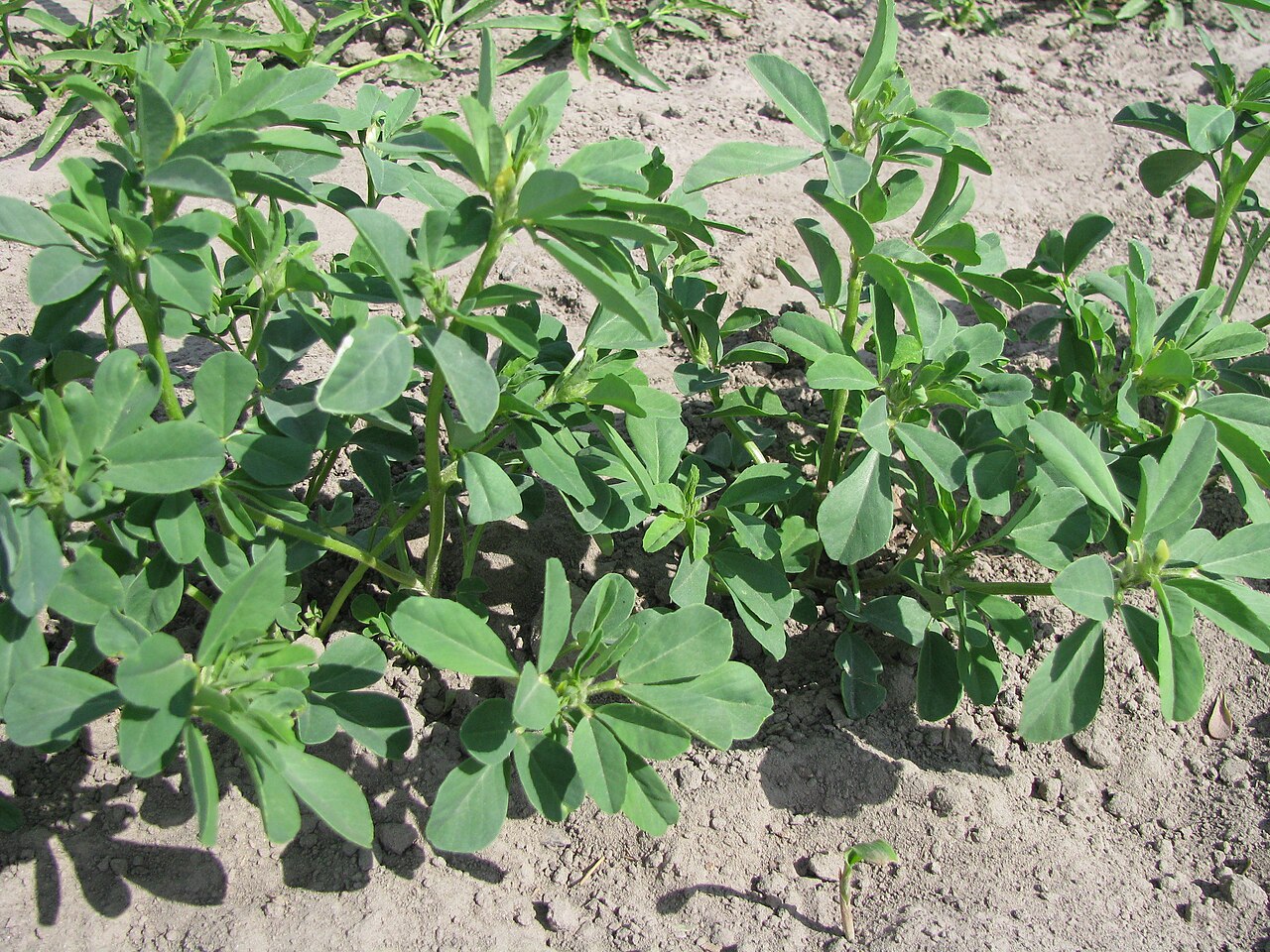
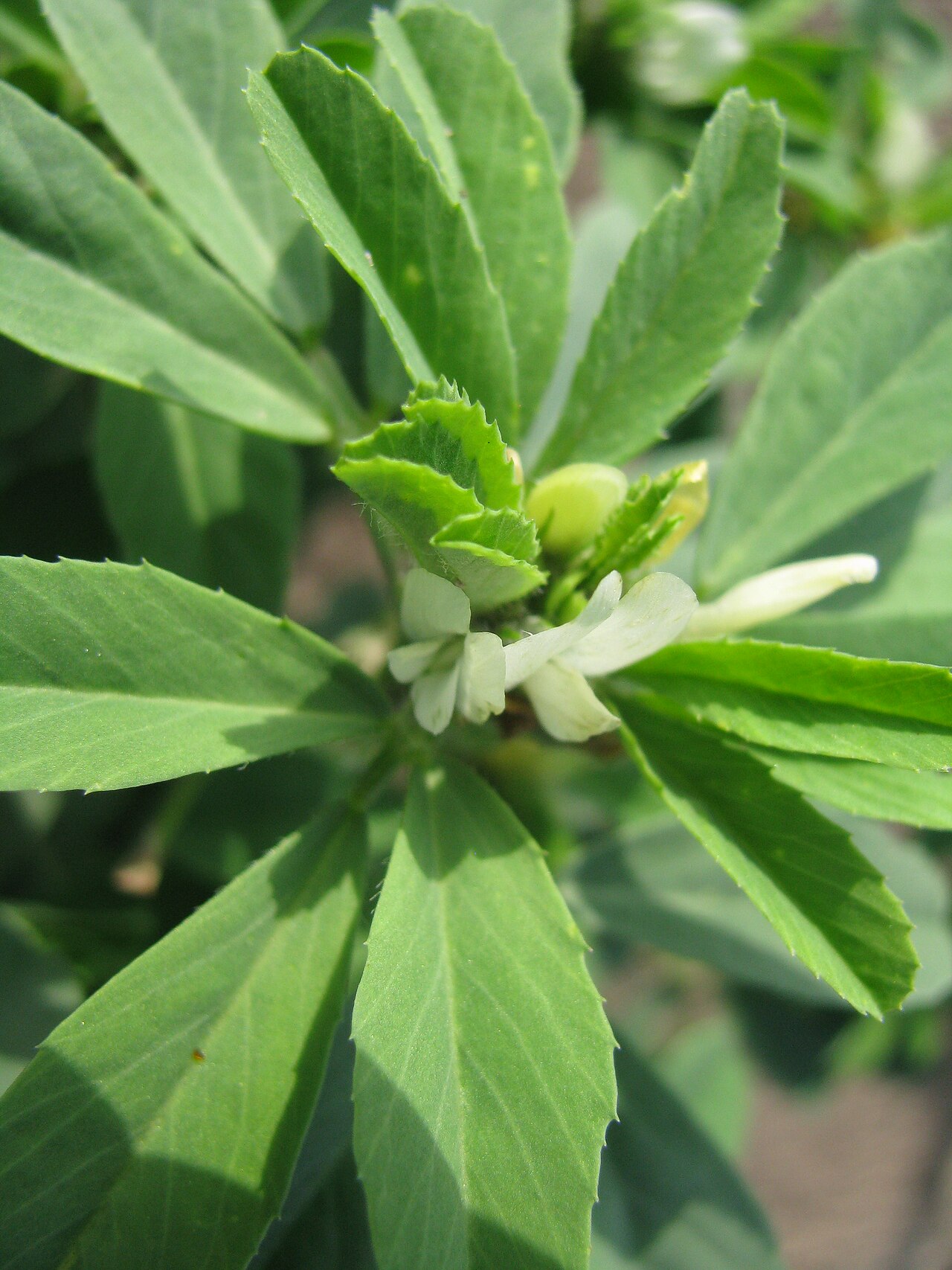
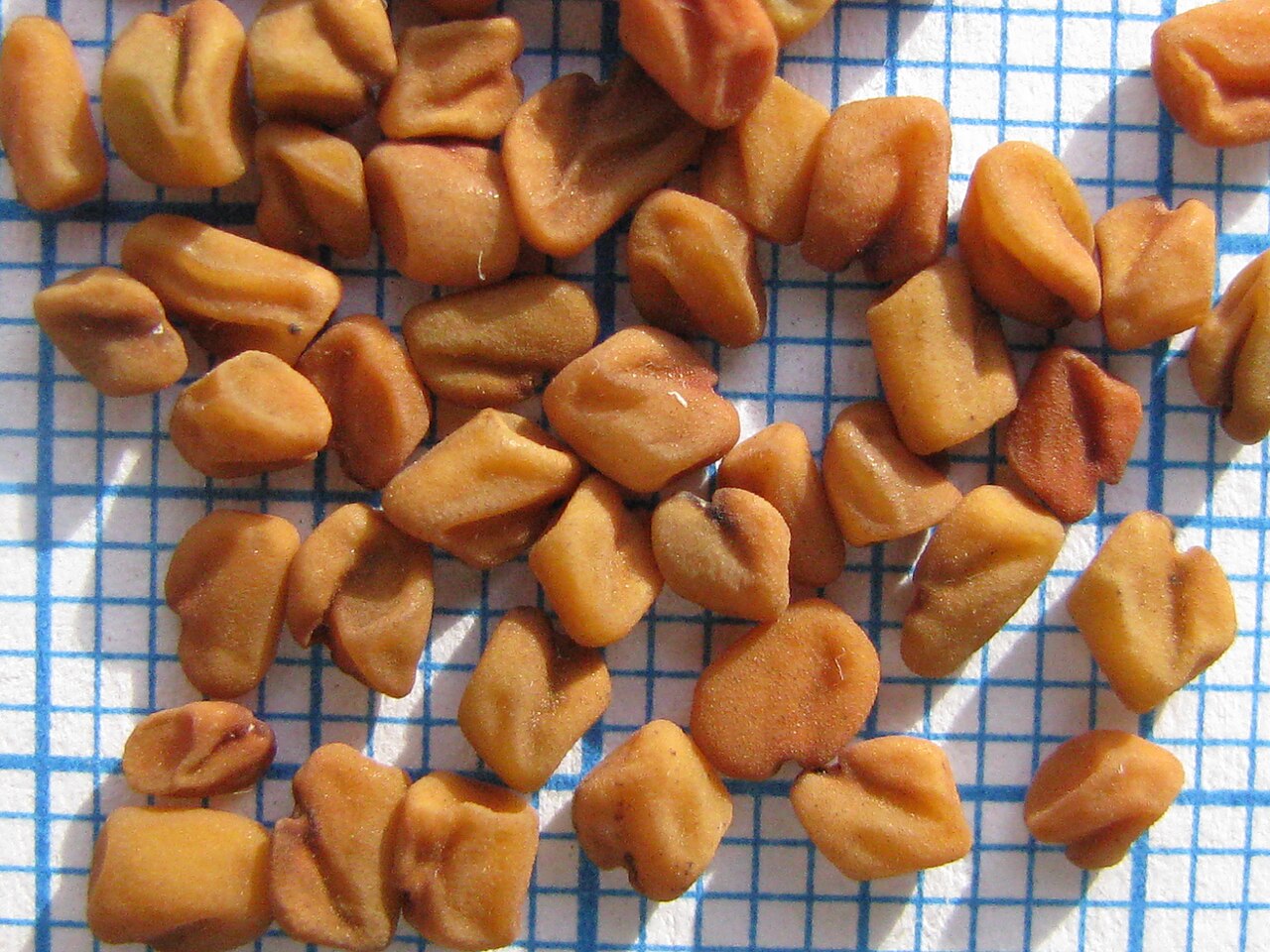
Pusa Early Bunching is the fenugreek for gardeners who want the crop to hurry: an Indian selection bred for early, bunching growth, giving a quick leaf harvest and a reliable seed crop in a single planting. Fenugreek seed is often sold without a variety name at all, which makes a named, documented selection like this one worth seeking out — it is the difference between growing a generic herb and growing a plant someone actually selected for performance. Plants are compact and leafy, with the clover-like leaves and small, amber, maple-scented seeds that define the species, and the bunching habit means more leaves per plant for methi cooking.
The dual harvest is the point: cut leaves at a month for curries, dals, and flatbreads, where fenugreek’s slightly bitter, maple-like flavor is irreplaceable, and let some plants go to seed for spice blends, pickles, and sprouting. Pusa Early Bunching’s earliness means both harvests can happen in a short cool season, which in Florida means a fall-to-spring window rather than a summer gamble. And because it is a legume, every plant is fixing nitrogen while it grows, so a fenugreek bed is a soil-improving bed, not just a spice bed.
If you are new to choosing between cultivars, the Varieties Matter guide explains why the name after the plant matters as much as the plant itself. And if you want the whole clan at a glance, the broader Fenugreek guide covers fenugreeks generally.
How to grow
Fenugreek in Florida is a fast, forgiving cool-season crop that fits the months when the garden is not melting: sow in fall or early spring, in loose, fertile soil, and expect leaves in a month and seed in three. It is a small, clover-like plant, barely knee-high, that asks for almost nothing — sun, drainage, and to be left alone — and it pays you twice, with methi leaves for cooking and maple-scented seeds for spice blends. Summer sowings are possible but bolt fast, so treat summer fenugreek as a quick leaf crop, sown thickly and cut young, rather than a seed crop. And because it is a legume, every fenugreek patch is quietly fixing nitrogen for whatever follows it, which makes it one of the most useful plants you can grow in a bed you plan to replant.
Sow directly in fall or early spring, in loose, fertile, well-drained soil, seeds about a quarter-inch deep and 4 to 6 inches apart, in full sun. Fenugreek germinates fast — often within days in warm soil — and grows fast after that, so keep the seedbed moist until emergence and then water steadily, about an inch a week. For leaves, sow thickly and cut young; for seed, thin to the wider spacing and let plants mature. In Florida, avoid midsummer sowings for seed, which bolt fast; use summer only for quick leaf cuts.
Water & feeding
Fenugreek wants moderate, steady water — about an inch a week — and it forgives a missed watering better than most herbs, but it will not forgive standing water, which rots its small roots. Work worm castings into the bed at sowing, water at soil level, and mulch lightly to keep the soil from crusting while seed germinates. Skip nitrogen fertilizer: fenugreek fixes its own, and rich soil plus even water grows better leaves than any late feeding push. For leaf harvests, cut and let regrow; for seed, ease off water as pods yellow and dry.
Common problems
Fenugreek has few serious pests — aphids may visit, and powdery mildew can appear in humid, crowded plantings — so spacing, air, and soil-level watering are the main defenses. The real risks are waterlogged soil, which rots small roots, and bolting in heat, which ends leaf production and rushes seed — both handled by timing and drainage, not sprays. Do not over-fertilize with nitrogen: fenugreek fixes its own, and extra nitrogen grows soft, aphid-prone growth. Harvest seed promptly once pods yellow, because pods shatter if left too long.
Harvest
Cut leaves at 30 to 40 days, taking outer leaves or cutting whole young plants and letting them regrow for a second cut, and use fresh in cooking or dry for later — dried methi leaves keep their flavor well. For seed, wait until pods yellow and dry, about 90 to 110 days, pull plants, thresh indoors, and store seed airtight and cool; seed keeps for years and is used whole or ground in curries and pickles. Save seed from healthy plants; fenugreek is self-pollinating and comes true.
Nerdy fact: Fenugreek’s maple scent is not a coincidence: its seeds contain a compound also found in maple syrup, which is why fenugreek is used to flavor imitation maple syrup — and why a handful of seeds can make a whole kitchen smell like pancakes.
Saving seeds
Pusa Early Bunching is the fenugreek for gardeners who want the crop to hurry: an Indian selection bred for early, bunching growth, giving a quick leaf harvest and a reliable seed crop in a single planting. Fenugreek seed is often sold without a variety name at all, which makes a named, documented selection like this one worth seeking out — it is the difference between growing a generic herb and growing a plant someone actually selected for performance. As an open-pollinated fenugreek it comes true from seed: fenugreek in Florida is a fast, forgiving cool-season crop that fits the months when the garden is not melting — sow in fall or early spring, in loose, fertile soil, and expect leaves in a month and seed in three. The dual harvest is the point: cut leaves at a month for curries, dals, and flatbreads, and let some plants go to seed for spice blends. The full method is in the Saving seeds section of the Fenugreek guide.