
🌿 Kasuri Methi Fenugreek
What it looks like
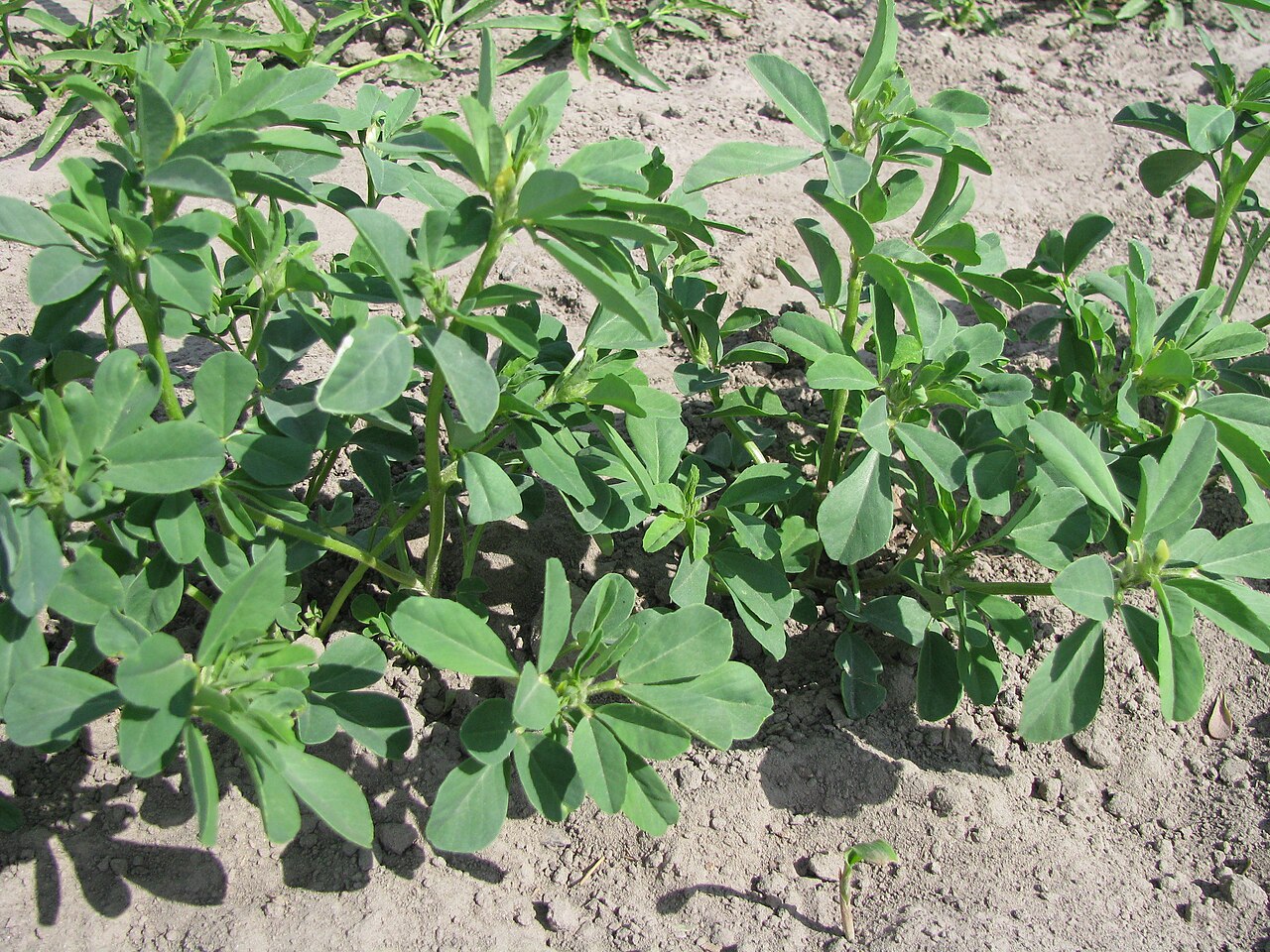
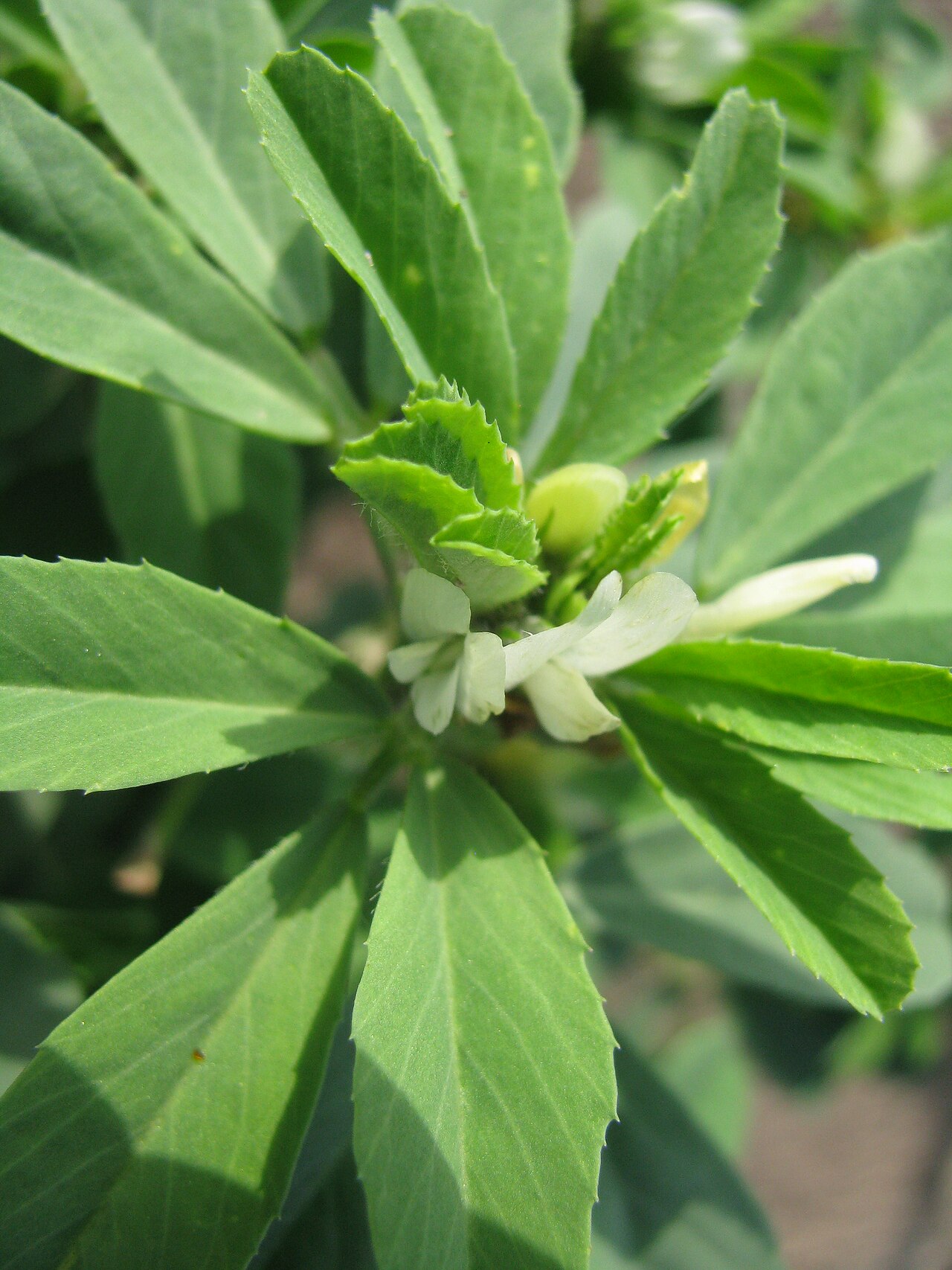
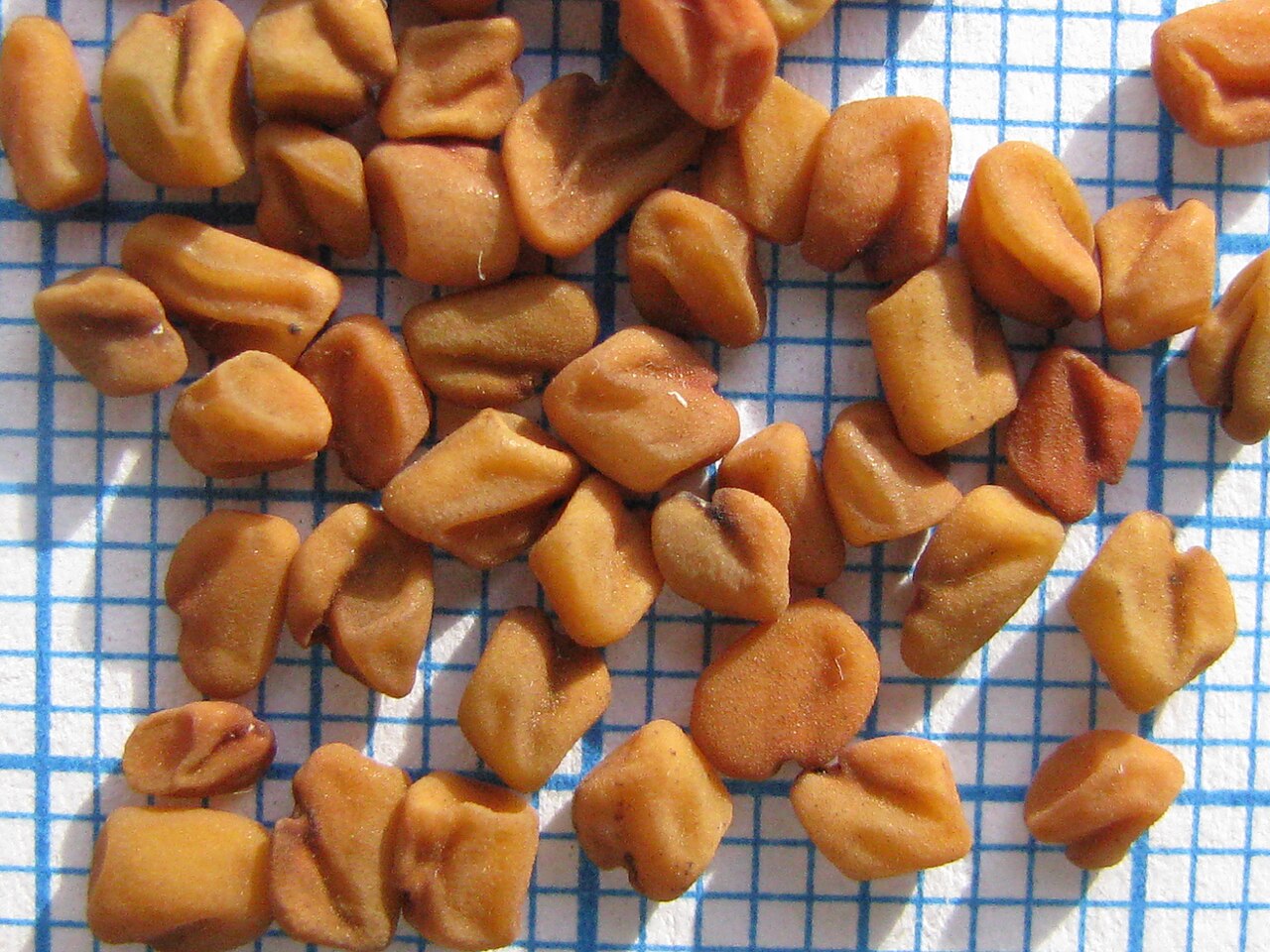
Why this variety
Kasuri Methi is fenugreek grown for its leaves, not its seeds, and that distinction matters in the kitchen: while most fenugreek is harvested for amber seeds, Kasuri types are selected for abundant, aromatic leaves that dry beautifully into kasuri methi, the dried herb that gives butter chicken, dals, and many North Indian curries their unmistakable fragrance. The name comes from Kasur, a town in Punjab famous for this leaf, and the tradition is to dry the leaves, crush them, and add them at the end of cooking, where their slightly bitter, maple-like aroma blooms. Grow Kasuri Methi if you cook Indian food and want the real herb, not a substitute.
The leaf harvest is generous and fast: plants are leafy and branching, leaves can be cut repeatedly, and a small patch gives enough dried herb for a year of cooking, which is a remarkable return on a few square feet. Fresh leaves are also superb — wilted into dals, kneaded into flatbread dough, or sautéed with potatoes — but the dried leaf is the star, concentrating the aroma in a way fresh leaves do not quite match. And like all fenugreek, Kasuri Methi fixes nitrogen as it grows, so the spice patch is also a soil patch.
If you are new to choosing between cultivars, the Varieties Matter guide explains why the name after the plant matters as much as the plant itself. And if you want the whole clan at a glance, the broader Fenugreek guide covers fenugreeks generally.
How to grow
Fenugreek in Florida is a fast, forgiving cool-season crop that fits the months when the garden is not melting: sow in fall or early spring, in loose, fertile soil, and expect leaves in a month and seed in three. It is a small, clover-like plant, barely knee-high, that asks for almost nothing — sun, drainage, and to be left alone — and it pays you twice, with methi leaves for cooking and maple-scented seeds for spice blends. Summer sowings are possible but bolt fast, so treat summer fenugreek as a quick leaf crop, sown thickly and cut young, rather than a seed crop. And because it is a legume, every fenugreek patch is quietly fixing nitrogen for whatever follows it, which makes it one of the most useful plants you can grow in a bed you plan to replant.
Sow directly in fall or early spring, in loose, fertile, well-drained soil, seeds a quarter-inch deep and 4 to 6 inches apart, in full sun. Keep the seedbed moist until germination, which is fast, then water steadily, about an inch a week. For leaf production, sow thickly, cut leaves at a month, and let plants regrow for further cuts; for dried leaf, let plants grow larger, cut whole stems, and dry them in shade with good air circulation. In Florida, fall-through-spring is the leaf season; summer plants bolt quickly, so sow small batches often rather than one big summer patch.
Water & feeding
Fenugreek wants moderate, steady water — about an inch a week — and it forgives a missed watering better than most herbs, but it will not forgive standing water, which rots its small roots. Work worm castings into the bed at sowing, water at soil level, and mulch lightly to keep the soil from crusting while seed germinates. Skip nitrogen fertilizer: fenugreek fixes its own, and rich soil plus even water grows better leaves than any late feeding push. For leaf harvests, cut and let regrow; for seed, ease off water as pods yellow and dry.
Common problems
Aphids and powdery mildew are the usual minor troubles; spacing, air, and soil-level watering handle most of it, and cutting removes affected growth. Waterlogged soil rots roots, so drainage is essential, and heat causes bolting — treat bolting as the signal to harvest for seed or re-sow, not as a failure. Skip nitrogen fertilizer, because fenugreek fixes its own, and extra nitrogen makes soft growth that aphids love. Harvest leaves in the morning, when they are crisp and aromatic, for the best drying quality.
Harvest
Cut leaves at 30 to 40 days, using fresh at once or drying in shade on screens until crisp, then crumbling into airtight jars — dried kasuri methi keeps for a year and a little goes a long way, crushed between your palms into the pot at the end of cooking. For seed, let some plants mature to yellow pods, thresh, and store seed for spice or future sowing. Save seed from healthy plants; fenugreek is self-pollinating and comes true.
Nerdy fact: Kasuri methi is one of those ingredients that, once you have cooked with the real dried leaf, you cannot go back to skipping it — it is the difference between a curry that tastes good and a curry that tastes like the restaurant you were trying to copy.
Saving seeds
Kasuri Methi is fenugreek grown for its leaves, not its seeds, selected for abundant, aromatic leaves that dry beautifully into kasuri methi, so saved seed comes true — sow in fall or early spring, in loose, fertile soil, and expect leaves in a month and seed in three. The full method is in the Saving seeds section of the Fenugreek guide.