
🌿 RMt-1 Fenugreek
What it looks like
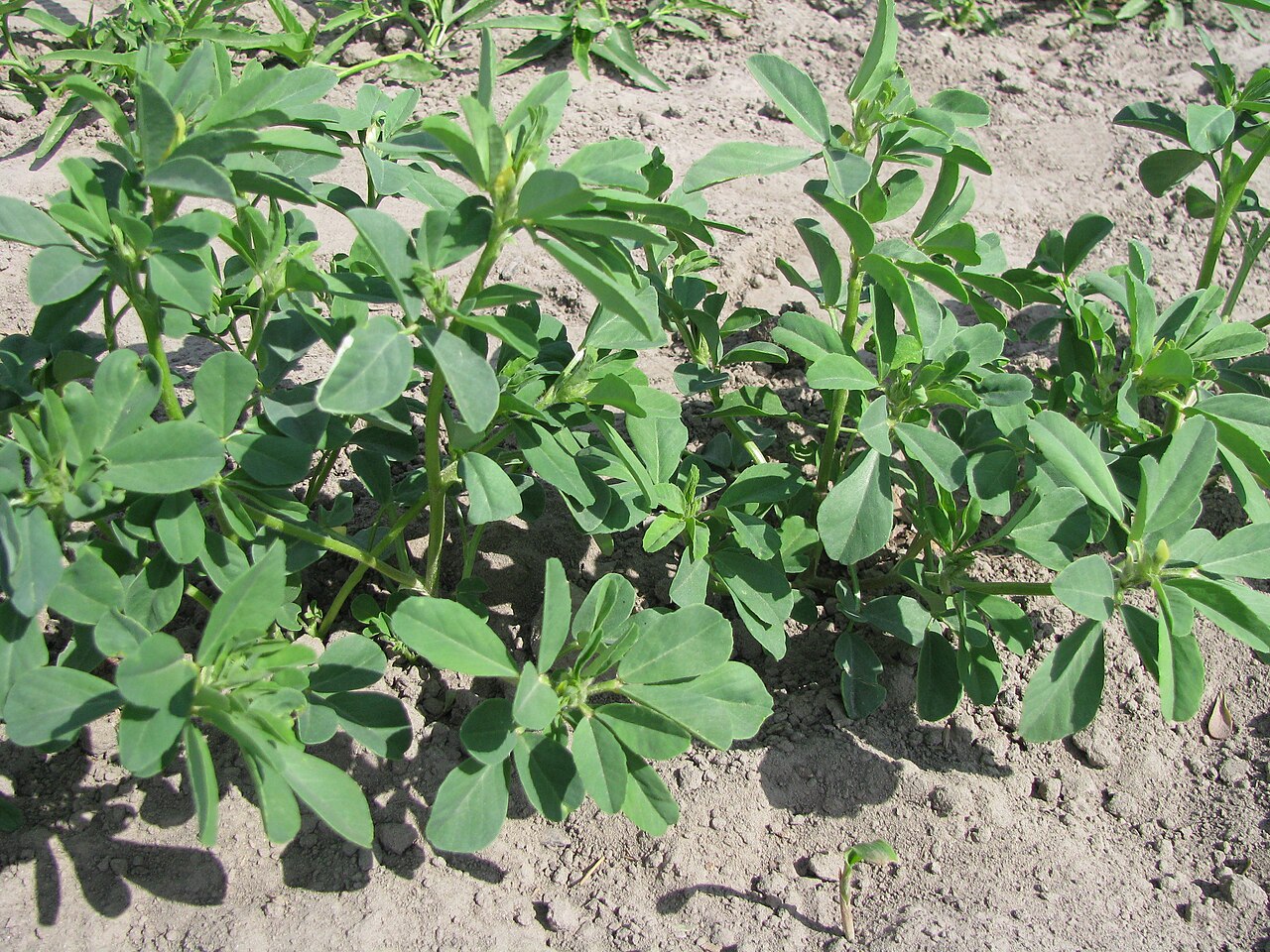
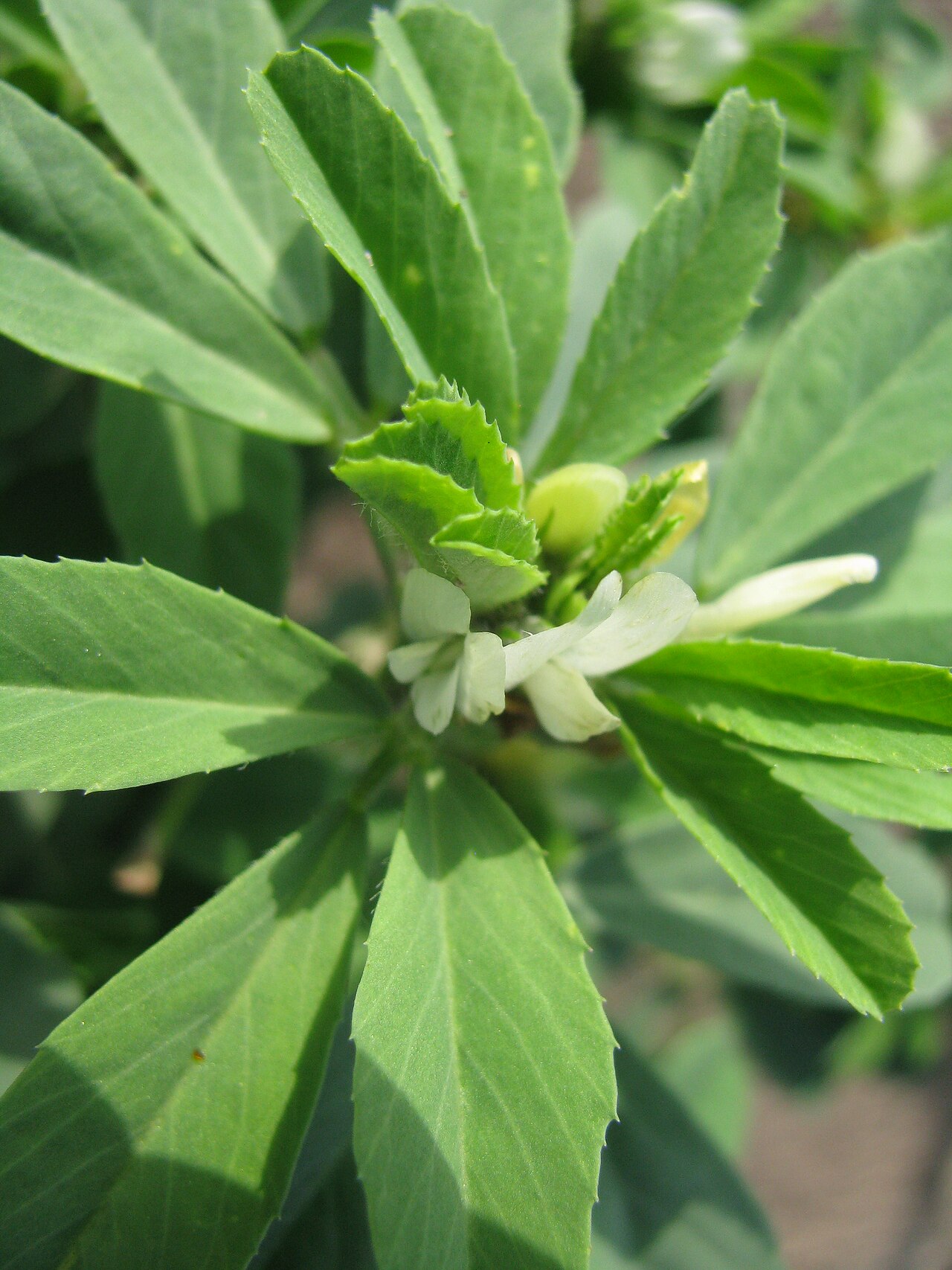
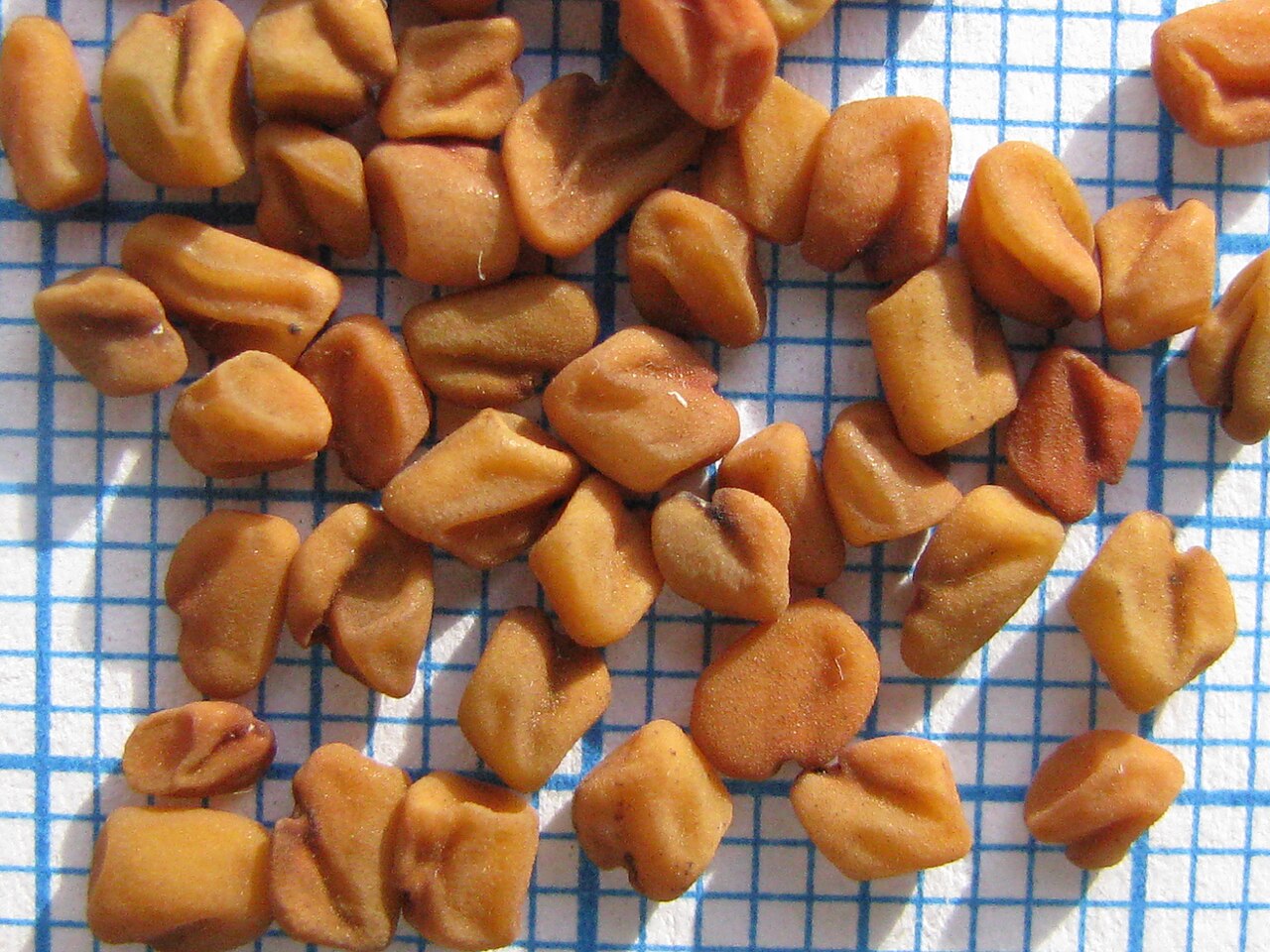
Photos show the species, since no cultivar-specific photo verified for this variety — the species photos above are already hosted on this site and attributed as on the species guide.
Why this variety
RMt-1 — Rajasthan Methi 1, also released as Prabha — was selected at Jobner in Rajasthan through pure-line selection from a local collection. It is a semi-erect, tall, moderately branched type with bold, yellow grains, tolerant of root rot and moderately resistant to powdery mildew, maturing in 140 to 150 days and averaging about 14.7 quintals per hectare.
RMt-1 matters beyond its own numbers: it became the parent and the check variety for later fenugreek breeding, including the first determinate type, RMt-305, which was bred by mutation from RMt-1. Growing it is growing the reference point — the variety other fenugreek varieties get compared against, which is a fine thing to have in a Florida trial bed.
How to grow
Direct-sow where it will grow, about 1/4 to 1/2 inch deep, at the hero spacing in a well-drained bed. Fenugreek is a legume, so it fixes its own nitrogen — inoculant is optional in a bed that has grown legumes before, and the plants will still perform without it.
In Florida, sow in fall through early spring. Fenugreek is a cool-season annual that bolts and sulks in summer heat, so the fall-through-spring window is the whole crop: leaves in a month, seed a few months later, and then the bed is free for summer crops. Succession-sow leaves every two to three weeks for a steady supply.
Water & feeding
Water evenly while plants establish, then water at the base and let the top of the soil dry between waterings. Fenugreek tolerates dry soil better than wet feet, and Florida’s winter dry season suits it — the danger is a soggy bed, not a dry week.
Feed lightly or not at all: as a nitrogen-fixer, fenugreek needs phosphorus and potassium more than nitrogen, and compost at planting is usually enough. Heavy nitrogen fertilizer on a legume is mostly a donation to the weeds.
Common problems
- Powdery mildew — the classic fenugreek disease in humid air; space for airflow, water at the base, and choose resistant varieties
- Root rot — wet feet in heavy soil; raised beds and drainage are the cure, not fungicide
- Leaf spot and Cercospora — remove affected leaves, rotate beds, and do not overhead-water
- Aphids — cluster on tender growth; blast off with water
Harvest
Cut leaves sparingly from about 30 to 40 days if you want a seed crop, or cut freely if leaves are the goal — RMt-1’s long season means a leaf-first plant still has time to regrow, but a stripped plant will not set a full seed crop.
Harvest seed at 140 to 150 days when pods yellow and rattle. Thresh dry pods, winnow, and store seed whole; RMt-1’s bold grains hold aroma well in the jar, and they are the seed to reach for when a recipe calls for fenugreek by the spoonful.
Browse all plant & pest guides
Saving seeds
RMt-1 — Rajasthan Methi 1, also released as Prabha — was selected at Jobner in Rajasthan through pure-line selection from a local collection. It is a semi-erect, tall, moderately branched type with bold, yellow grains, tolerant of root rot and moderately resistant to powdery mildew, maturing in 140 to 150 days and averaging about 14.7 quintals per hectare. RMt-1 matters beyond its own numbers: it became the parent and the check variety for later fenugreek breeding, including the first determinate type, RMt-305, which was bred by mutation from RMt-1. As a pure-line selection it comes true from seed: direct-sow where it will grow, about 1/4 to 1/2 inch deep, at the hero spacing in a well-drained bed. Fenugreek is a legume, so it fixes its own nitrogen — inoculant is optional in a bed that has grown legumes before. In Florida, sow in fall through early spring. The full method is in the Saving seeds section of the Fenugreek guide.