
🥬 Suehlihung Mustard
What it looks like
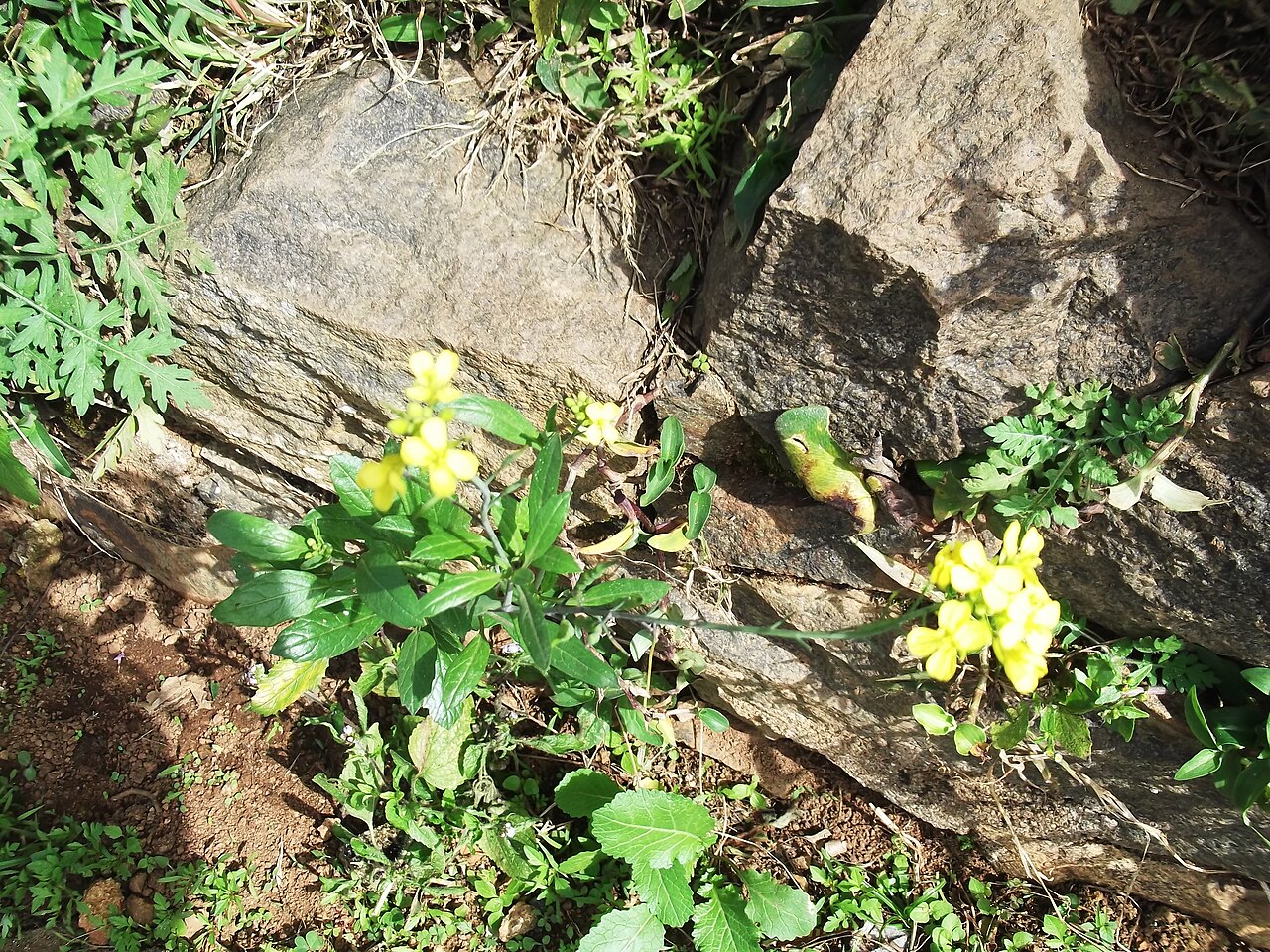
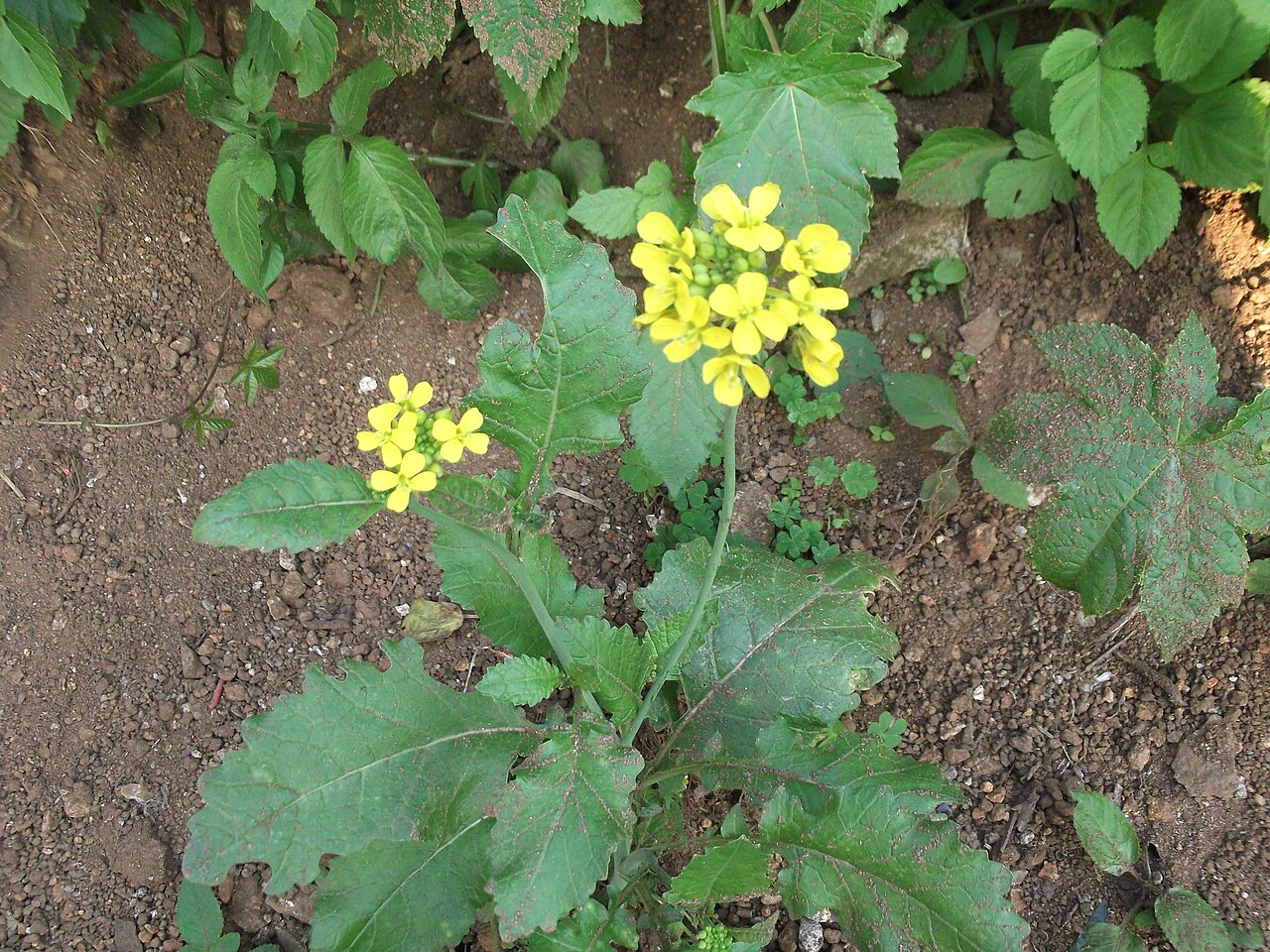
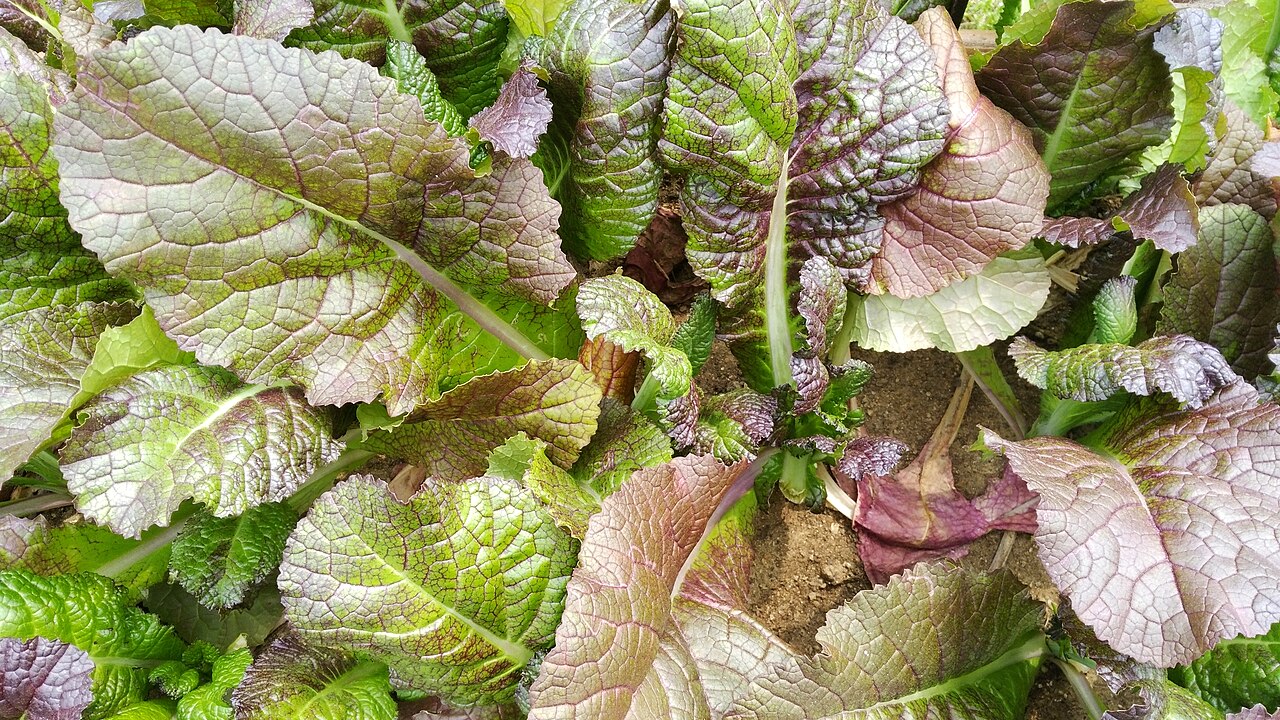
Photos show the species (Brassica juncea), since no cultivar-specific photo verified for this variety — the species photos above are already hosted on this site and attributed as on the species guide.
Why this variety
Most mustard guides on this site are leaf mustards: sow, pick, repeat. Suehlihung is the odd one out, and that is why it earns a guide. It is a heading Chinese mustard — Brassica juncea var. capitata — also sold as Serifon and known as green-in-snow mustard, and it forms a head with lobed green leaves and usable petioles instead of a loose rosette of leaves. The leaves and petioles are the classic pickling and stir-fry mustard of Chinese cooking, which makes this a pantry crop, not just a salad crop.
It is also a stubborn crop in the best way: cold-resistant, slow to bolt, and able to be harvested as early as 20 days after transplanting for young leaves, with full heads inside the 30–50 day range. In a Florida garden where most mustards sprint and bolt, a mustard that holds its head and waits is a genuinely different tool — plant it for the pickling jar and the wok, not for the mesclun bowl.
How to grow
Sow from September through February in Florida, direct or started indoors and transplanted out at the hero spacing. Heading crops punish crowding more than leaf crops do: a head needs airflow around it or the inner leaves stay damp and rot, so give it the full spacing and resist the urge to tuck extras in. Work compost and castings into the bed first, because a heading mustard is building a dense structure and it needs steady nutrition, not a feast-and-famine cycle.
Keep the bed evenly moist from transplant to harvest; a dry check during heading makes heads loose and leaves sharp. Mulch to hold moisture and keep soil off the outer leaves, and harvest young leaves from the outside while the head forms — Suehlihung tolerates that kind of picking, which is how a single planting feeds you twice.
Water & feeding
Water evenly and do not let the bed dry out during head formation; inconsistent water is the fastest way to a loose, bitter head. Water at the base in the morning so the head’s inner leaves dry during the day.
Feed with castings or compost at planting and one light side-dress as heads begin to firm. Overfeeding with fast nitrogen grows soft, loose heads that rot from the inside in humid weather — slow and steady is the heading-mustard rule.
Common problems
- Aphids — hide inside the head where sprays cannot reach; row cover early and blast outer leaves with water before heads close tight.
- Cabbage worms and loopers — burrow into heads; hand-pick, use Bt, and check inside outer leaves weekly once heads start forming.
- Head rot in damp weather — soggy inner leaves in crowded, wet beds; space for airflow, water at the base, and harvest promptly rather than letting heads sit.
- Bolting in a warm snap — even slow-bolting mustards bolt eventually; harvest heads before a heat wave rather than hoping they hold.
Harvest
Pick young leaves from about 20 days after transplanting, or cut full heads at 30–50 days from seed, slicing at the base when the head feels firm. Use the leaves and petioles for pickling — Suehlihung’s traditional job — or sliced into stir-fries, where the petioles stay crisp and the leaves wilt into a peppery sauce.
A cut head keeps several days in the fridge in a bag; pickled, it keeps for months, which is the real reason to grow a heading mustard in the first place. Save one plant to flower if you want seed, but isolate it from other mustards — mustards cross readily, and next year’s seed will not stay true.
Browse all plant & pest guides
Saving seeds
Most mustard guides on this site are leaf mustards: sow, pick, repeat. Suehlihung is the odd one out, and that is why it earns a guide. It is a heading Chinese mustard — Brassica juncea var. capitata — also sold as Serifon and known as green-in-snow mustard, and it forms a head with lobed green leaves and usable petioles instead of a loose rosette of leaves. The leaves and petioles are the classic pickling and stir-fry mustard of Chinese cooking, which makes this a pantry crop, not just a salad crop. As an open-pollinated mustard it comes true from seed: sow from September through February in Florida, direct or started indoors and transplanted out. Heading crops punish crowding more than leaf crops do: a head needs airflow around it or the inner leaves stay damp and rot, so give it the full spacing and resist the urge to tuck extras in. Work compost and castings into the bed first, because a heading mustard is building a dense structure and it needs steady nutrition, not a feast-and-famine cycle. Keep the bed evenly moist from transplant to harvest; a dry check during heading makes heads loose and leaves sharp. Mustards are insect-pollinated and cross readily with other flowering Brassica juncea types, so isolate seed plants or grow only one mustard variety to seed. The full method is in the Saving seeds section of the Mustard Greens guide.