
🟡 White Turmeric
What it looks like
Why this variety
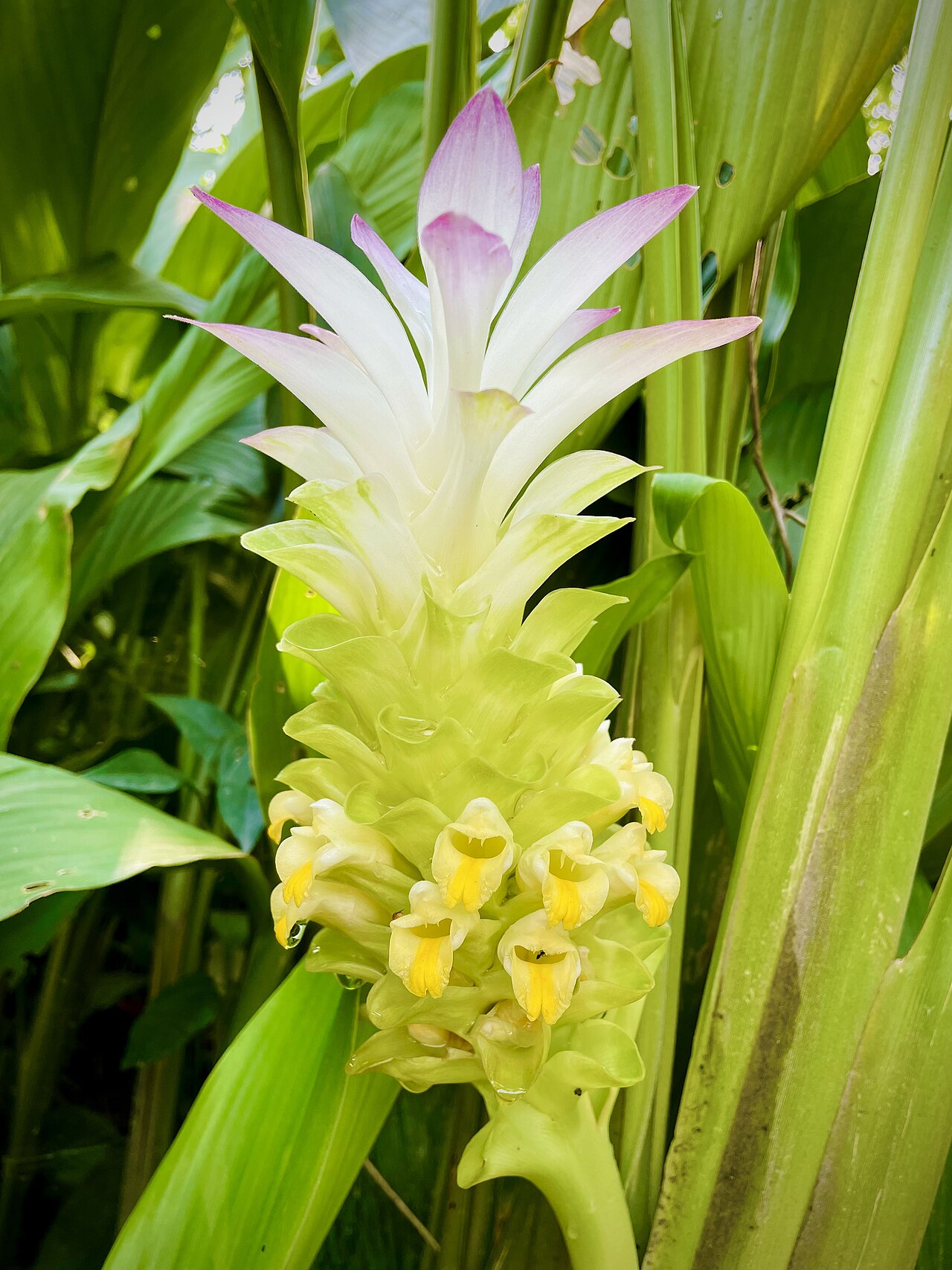
White Turmeric is common turmeric’s paler, sharper cousin. Its rhizomes are cream-white inside, with a camphor-like, slightly bitter flavor that is used in Southeast Asian cooking in pickles, salads, and spice pastes — not for the golden color of a curry, which it will not give you. If you have ever eaten a Thai white-turmeric pickle and wondered what it was, this is the plant.
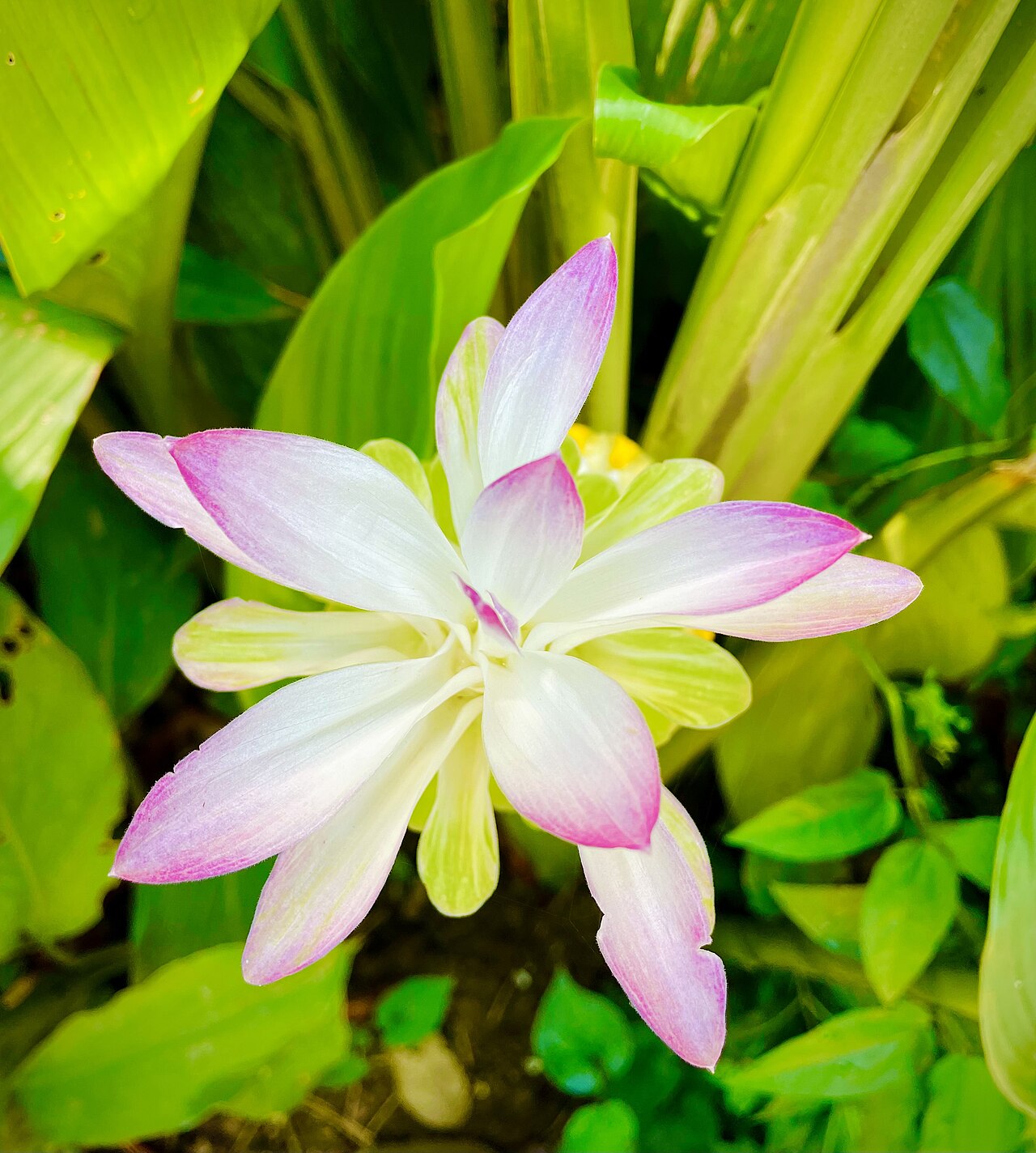
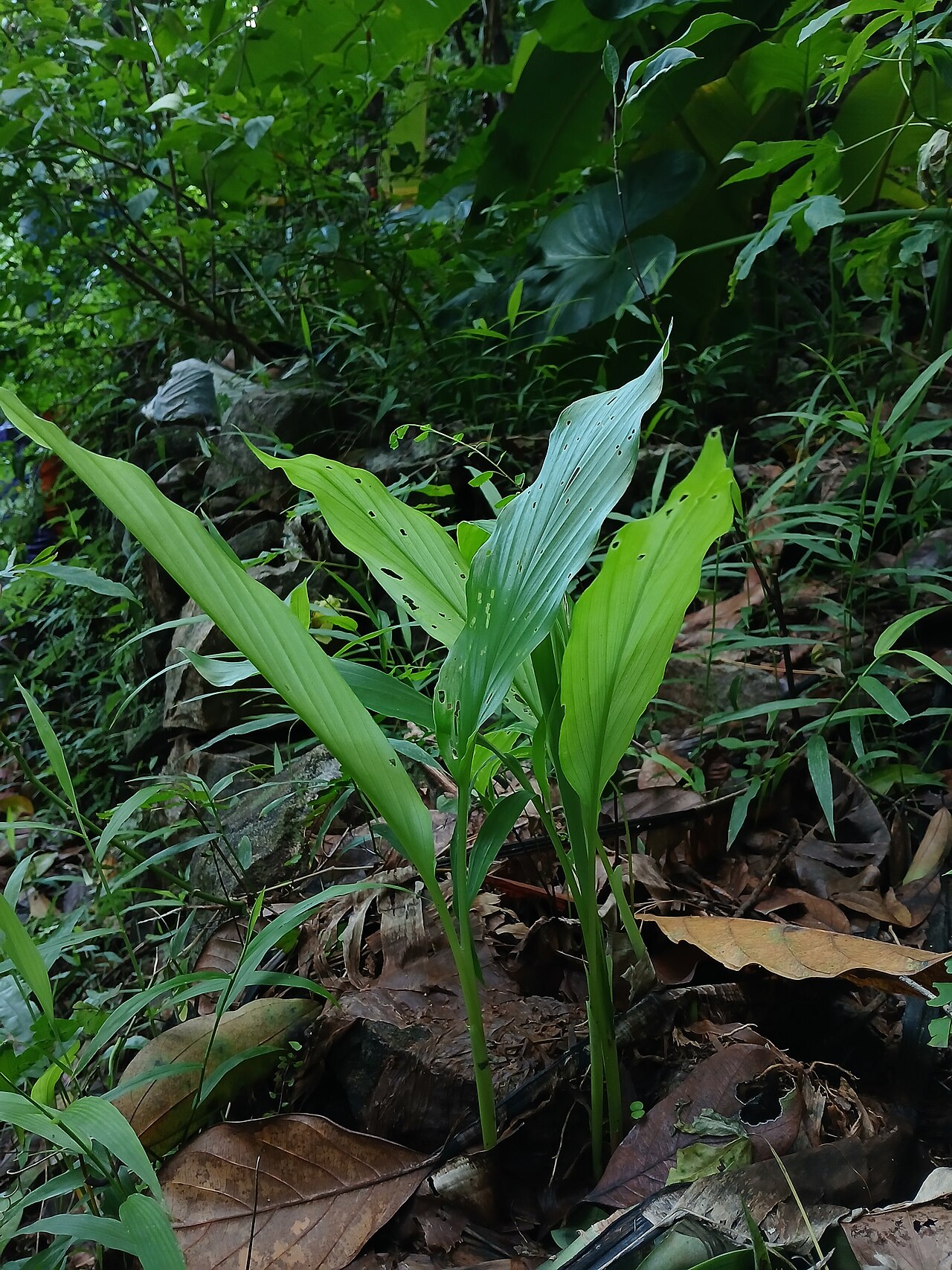
In the garden it is a vigorous Curcuma, with broad leaves and showy flower spikes, growing exactly like common turmeric: rich moist soil, sun to part shade, a full warm season, and a fall harvest when the tops yellow. It is also a handsome ornamental in its own right, with flower bracts that are worth growing even if you never cook a rhizome. If you are new to choosing between cultivars, the Varieties Matter guide explains why the name after the plant matters as much as the plant itself.
Florida honesty: White Turmeric grows as a warm-season crop across Florida, perennial in zones 9-11 with mulch, container-grown further north. Plant it for its own flavor, not as a color substitute — the kitchen will thank you for the honesty.
How to grow
Plant turmeric rhizome pieces with a visible eye in spring, about two inches deep, in rich, moist, well-drained soil. Turmeric wants full sun to part shade in Florida — afternoon shade in the hottest gardens keeps the leaves from scorching — and a long, warm, moist season to size up. Space pieces 12 inches apart in rows two to three feet apart, work worm castings into the bed, mulch thickly, and keep the soil evenly moist all summer. The plants grow to three feet or more of broad leaves and die back in fall, which is your harvest signal.
Water & feeding
Water generously and evenly while growing; turmeric is a thirsty tropical and small rhizomes are the usual sign of a dry summer. Feed with castings at planting and a balanced liquid feed every few weeks through summer. Ease off as the tops yellow in fall, and harvest before a hard frost — or lift the whole clump and store rhizomes indoors for spring replanting.
Common problems
- Small rhizomes — usually too little water, too little food, or too short a season; turmeric needs a full, moist, warm summer.
- Sun-scorched leaves — give afternoon shade in the hottest gardens; broad turmeric leaves burn in harsh sun.
- Rhizome rot in soggy soil — rich and moist, not waterlogged; drainage still matters.
- Slow sprouting in spring — turmeric waits for real warmth; plant after the soil is warm, not by the calendar alone.
Harvest
Harvest in fall when the tops yellow and die back, usually 8-10 months after planting. Dig the whole clump, save a plump piece with an eye for next spring, and use the rest fresh or dried — fresh rhizomes keep for weeks in the refrigerator, and dried, ground turmeric keeps for months in a sealed jar. Wear gloves and old clothes: fresh turmeric stains everything it touches a cheerful, permanent yellow.
Browse all plant & pest guides
Saving seeds
White Turmeric is common turmeric’s paler, sharper cousin. Its rhizomes are cream-white inside, with a camphor-like, slightly bitter flavor that is used in Southeast Asian cooking in pickles, salads, and spice pastes — not for the golden color of a curry, which it will not give you. If you have ever eaten a Thai white-turmeric pickle and wondered what it was, this is the plant. Seed will not repeat it: white turmeric is kept true by rhizome division. Plant rhizome pieces with a visible eye in spring, about two inches deep, in rich, moist, well-drained soil, 12 inches apart — and harvest in fall when the tops yellow and die back, saving the plumpest rhizomes to replant next spring. The full method is in the Propagation section of the Turmeric guide.