
🧡 Turmeric
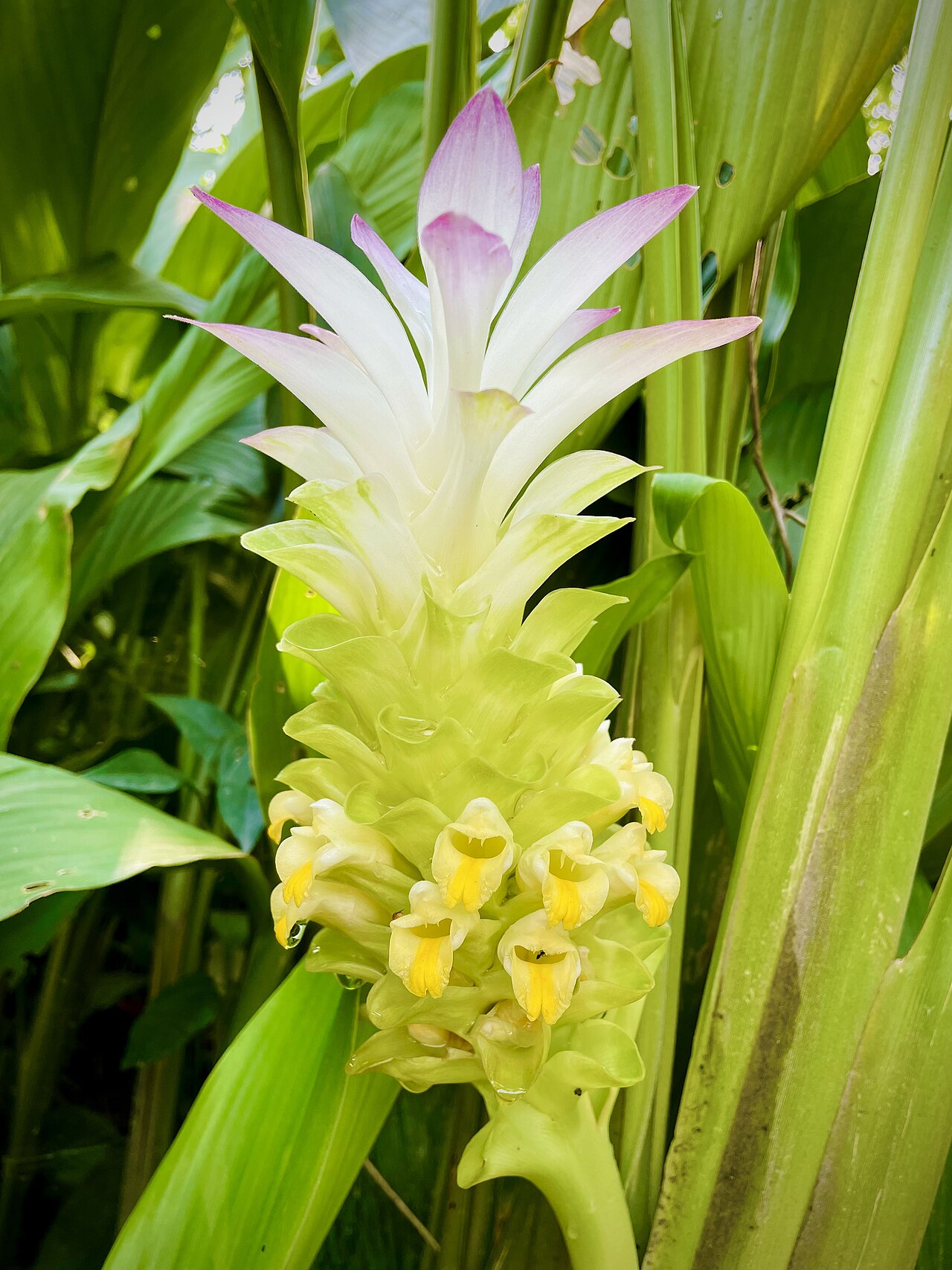
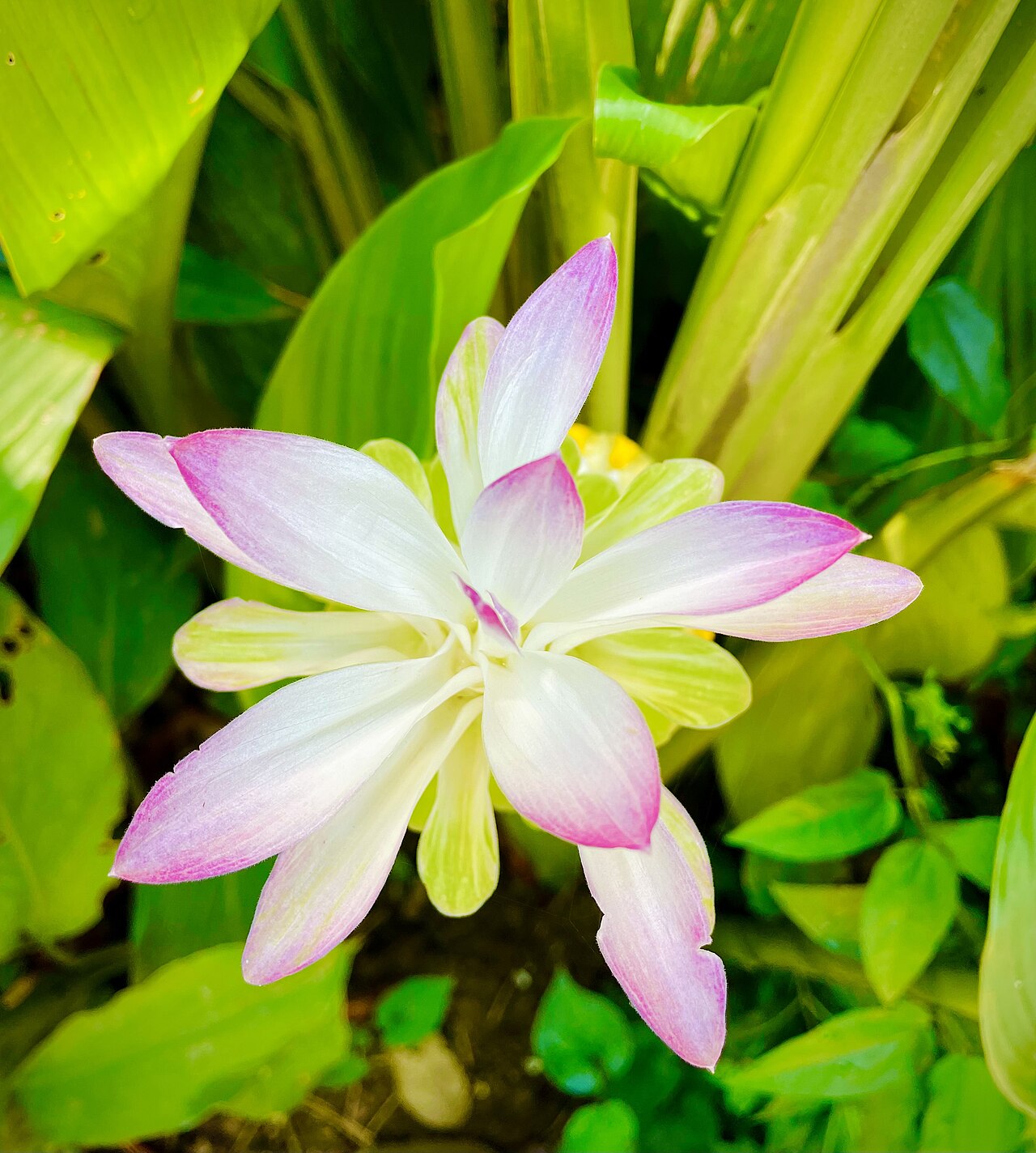
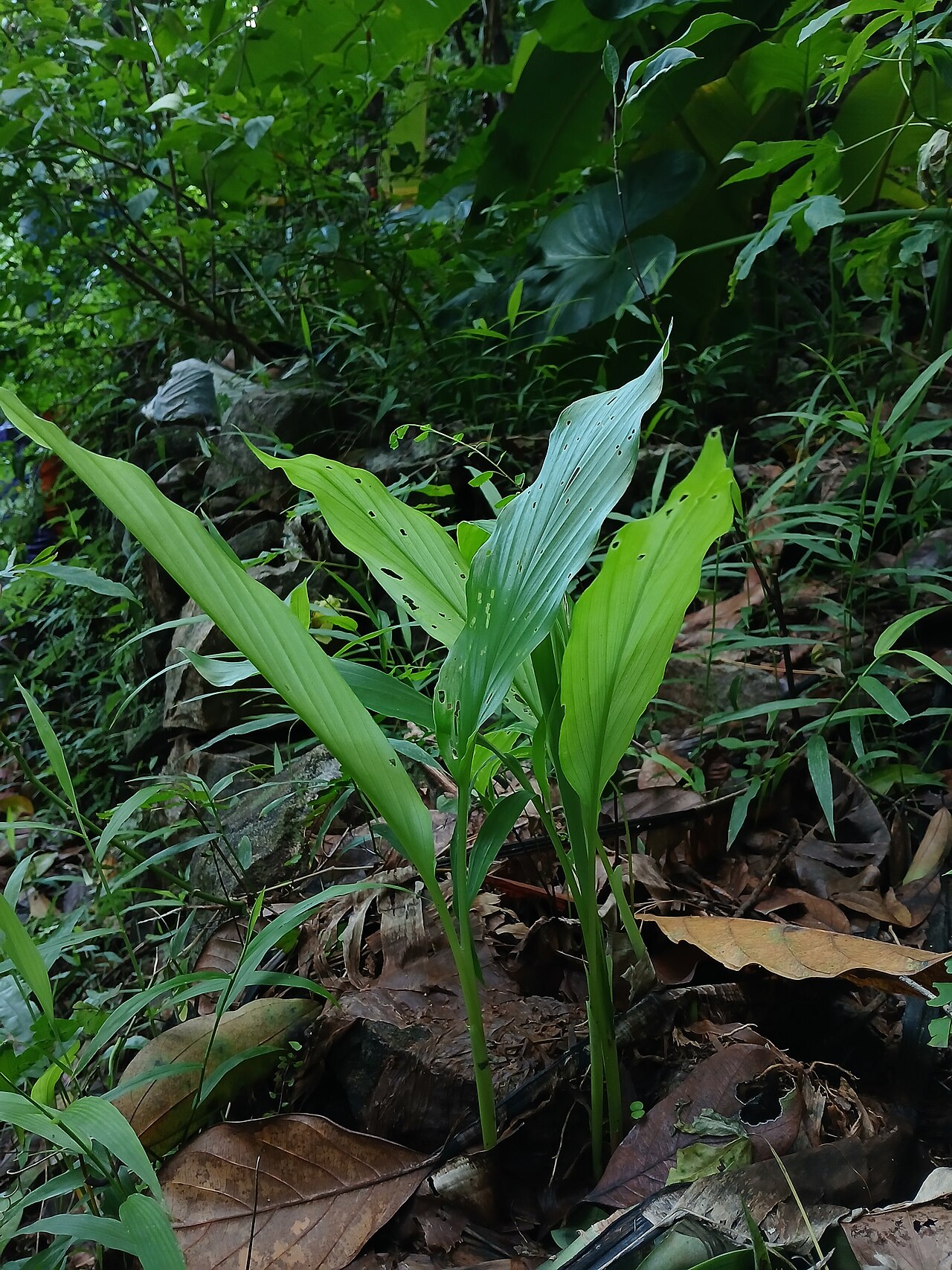
What it looks like
How to grow
Turmeric is a tropical perennial in the ginger family, grown not from seed but from rhizomes — knobby underground stems. Buy firm, plump seed rhizomes with visible buds from a garden supplier, not dried spice powder (which will never sprout) and preferably not grocery-store rhizomes, which are often treated to prevent sprouting. Cut large rhizomes into pieces with at least two buds each, let the cuts dry for a day or two, and plant 2–4 inches deep in loose, fertile, well-drained soil once the soil is thoroughly warm — turmeric sulks in cool soil and will simply sit there until it warms up.
Plants grow 3–4 feet tall with lush, upright leaves and need a long season: 8–10 frost-free months. Feed the soil, not the plant’s ego — work compost into the bed at planting and mulch heavily to hold moisture. In warm climates turmeric can stay in the ground over winter and regrow; anywhere frost arrives, the crop must be harvested before the first freeze.
USDA zones
Turmeric is perennial outdoors in zones 8–11. In colder zones, grow it in a large container (at least 12 inches deep) and move it indoors before temperatures drop toward 50°F, keeping it barely moist while dormant. Florida is prime turmeric country: zones 8–11 cover most of the state, and a spring-planted crop has the long, hot season it needs to mature before winter.
Water & feeding
Keep soil consistently moist but never waterlogged — soggy soil rots rhizomes before they sprout, which is the most common beginner failure. Water sparingly until shoots emerge, then water regularly through the growing season and feed lightly with compost or worm castings a few times during summer. As leaves begin to yellow in fall, ease off the water to help rhizomes mature.
Common problems
- Rot — the number-one killer. Caused by cold, wet soil or planting before the soil warms. Fix the drainage, wait for warmth, and plant in raised beds if your soil holds water.
- Leaf scorch — harsh direct sun in the hottest climates browns leaf edges. Give afternoon shade or a little shade cloth.
- Aphids and spider mites — check leaf undersides in dry weather; wash off with water and encourage predators rather than reaching for sprays.
Harvest
Harvest when leaves yellow and die back, usually in late fall, and always before frost. Dig the whole clump carefully — rhizomes bruise easily — and save a few pieces to replant next year. Brush soil off (do not wash until you use them) and cure in a shaded, airy spot for about a week. Fresh rhizomes keep for weeks in the fridge; to make powder, slice thin, dry fully, and grind. Fresh turmeric stains everything it touches, so wear gloves and an apron you do not love.
Browse all plant & pest guides
Propagation
The honest headline: turmeric is not grown from seed. It is a sterile triploid that does not set viable seed, and in cultivation it is propagated entirely by rhizome pieces — chunks of the underground stem, each with a bud. There is no seed to save, and no reason to try.
To propagate, lift the rhizomes in fall or winter, after eight to ten months of growth, and save the best ones — the plumpest, the brightest orange, the ones that grew well in your soil. Cut them into pieces, each with at least one bud, let the cut ends dry for a day or two so they do not rot, and plant them in spring once the soil is warm, a few inches deep in full sun and rich, moist soil.
Give the plants room and water — turmeric is a heavy feeder and a heavy drinker, and it grows all summer into a lush, tropical clump. Harvest before the first frost, cure the rhizomes in a warm, dry place for a week or two so they store, and keep a few back for planting — that is the crop paying you back.
In Florida, turmeric is a warm-climate perennial for zones 9 to 11, happiest in the southern part of the state. It goes dormant in winter and sprouts again in spring, so mark the spot — a dormant turmeric bed looks like bare soil, and it is easy to dig up your own crop by mistake.
Varieties
Every named variety of Turmeric with its own growing guide:
- Hawaiian Red Turmeric — The flagship red turmeric — bright orange-red rhizomes, mild sweet flavor, and the standard for juices and teas.
- Indira Yellow Turmeric — The bright yellow turmeric — sharper flavor, tall strong plants, and the type for curries and masalas.
- BKK Turmeric — The Southeast Asian turmeric — slender, high-curcumin rhizomes and a sharper flavor for authentic Thai and Burmese dishes.
- Lakadong Turmeric — The high-curcumin turmeric: a GI-tagged Meghalaya variety testing at 7–8% curcumin — the golden rhizome, turned up.
- Salem Turmeric — The Tamil Nadu landrace: a traditional Salem-area turmeric valued for flavor and everyday cooking — the workhorse, not the showpiece.
- Black Turmeric — The blue-black oddity: dark bluish-black rhizomes, grown as much for curiosity and tradition as for the kitchen.
- White Turmeric — The pale cousin: cream-white rhizomes with a camphor bite, for pickles and powders, not orange curries.
- Mango Turmeric — The mango-scented one: pale rhizomes that smell like green mango, for raw salads, pickles, and chutneys.