
🟡 Indira Yellow Turmeric
What it looks like
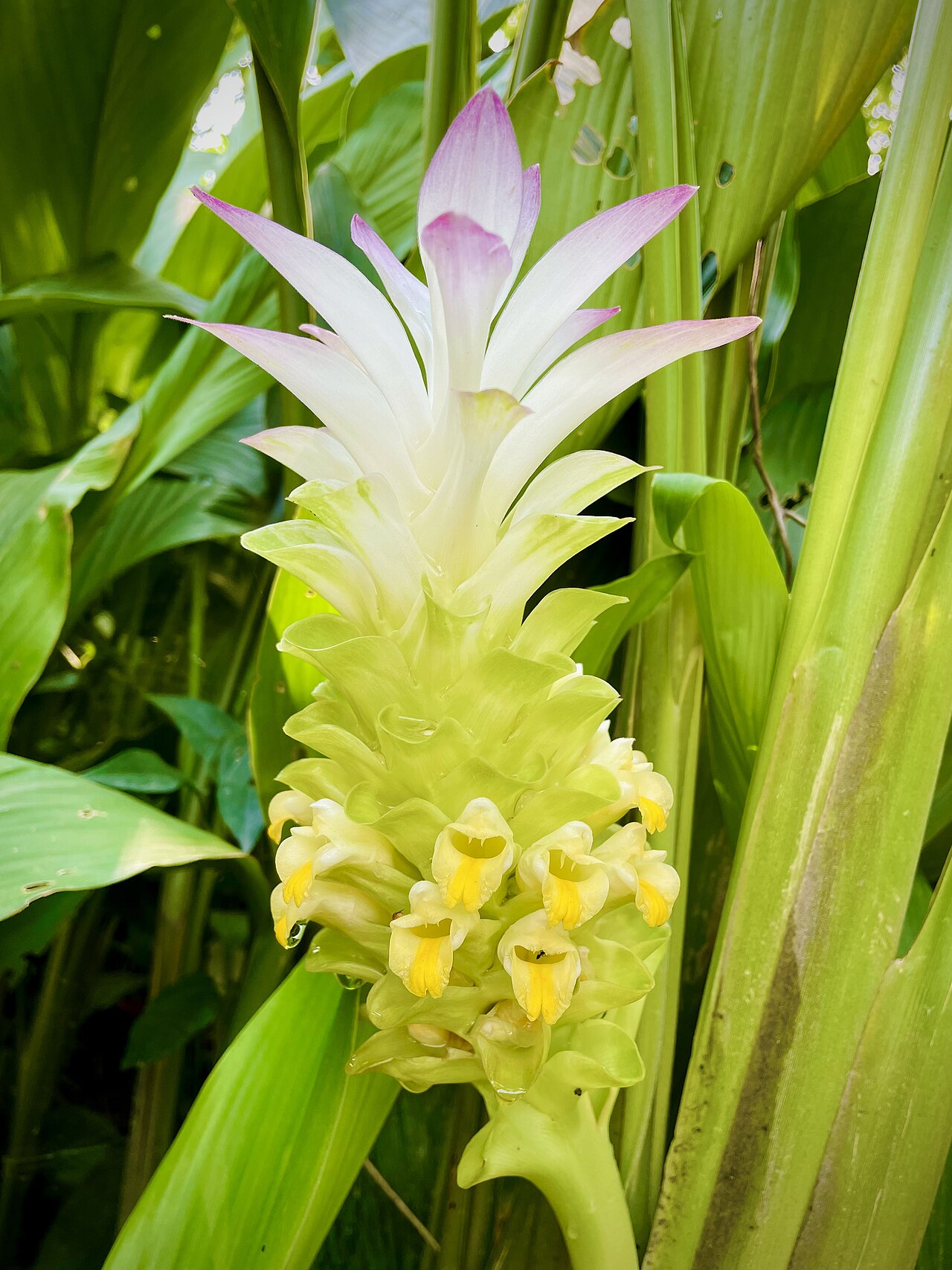
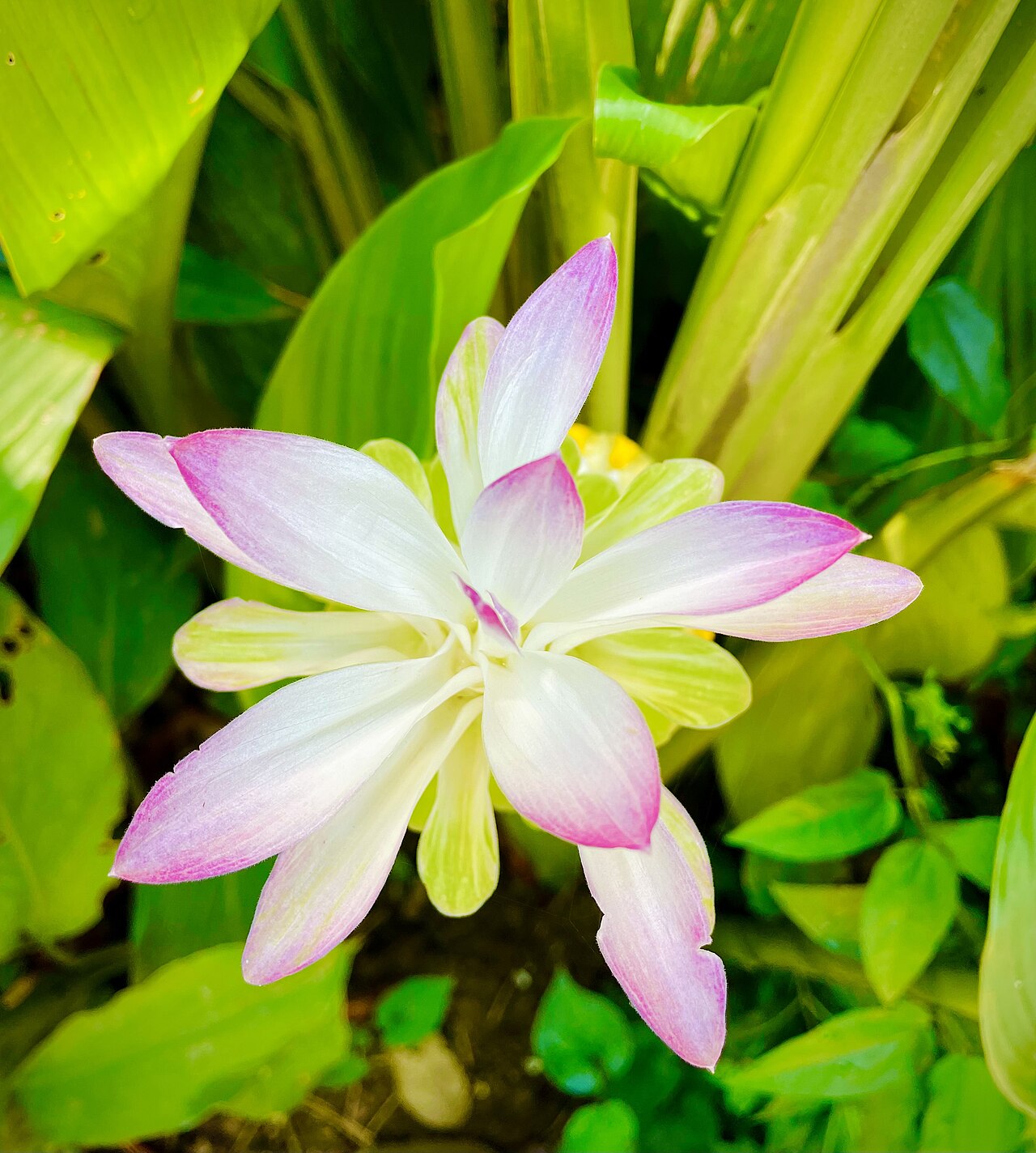
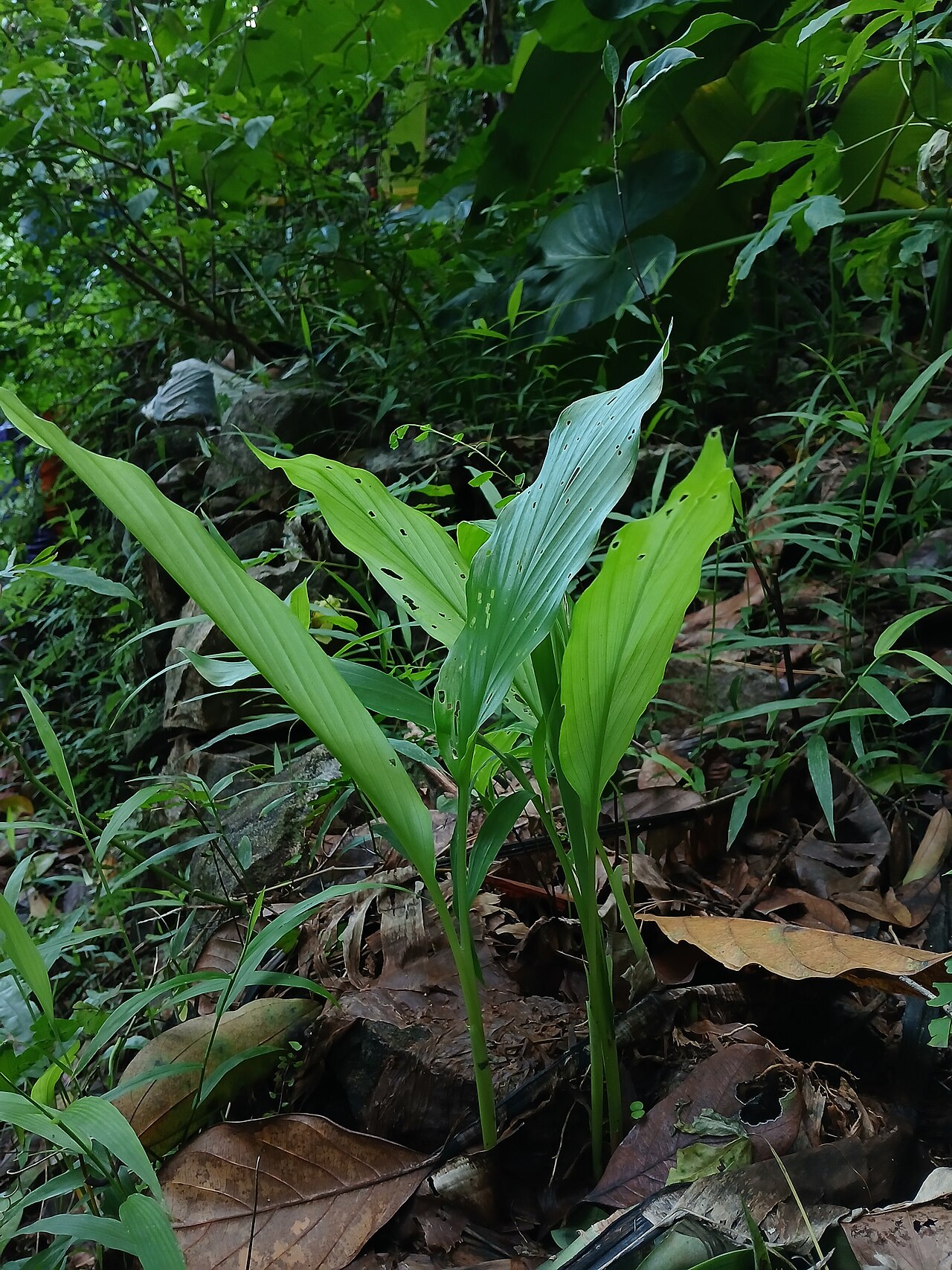
Why this variety
Indira Yellow is the turmeric for cooks who want brightness and bite: rhizomes with a bright yellow interior and a sharper, more assertive flavor than Hawaiian Red, well suited to Asian cooking, curries, and masalas, where turmeric is a spice, not a background color. The plants themselves are tall and strong, and growers in its home islands note it as a tough winter survivor — a useful trait in a crop that has to sit through a cool season before harvest.
For the garden, Indira Yellow is the workhorse: vigorous growth, good yields, and a flavor that stands up to chili, cumin, and coriander instead of disappearing into them. If your turmeric plans start with a curry pot rather than a juice glass, Indira Yellow is the type to plant — and if you plant both it and Hawaiian Red, a side-by-side tasting settles the mild-versus-sharp debate at your own stove.
If you are new to choosing between cultivars, the Varieties Matter guide explains why the name after the plant matters as much as the plant itself. And if you want the whole clan at a glance, the broader Turmeric guide covers turmeric generally.
How to grow
In Florida, turmeric is a summer crop that asks for almost nothing and gives back rhizomes: plant pieces in spring after the soil warms, let the broad leaves shade the bed through the hottest months, and dig after the leaves yellow and die back in fall or winter. In the northern part of the state, a container that moves under cover for a freeze is the safe play, because a hard freeze kills the rhizome outright. The leaves themselves are edible too — use them to wrap fish or rice, and the kitchen smells like a spice market.
Grow Indira Yellow like other turmerics: plant rhizome pieces in spring after the soil warms, 12 inches apart in rich, moist, well-drained soil, pre-sprout in warmth if the soil is still cool, and water steadily through summer. Mulch heavily, feed with compost mid-season, and stop watering as the leaves yellow so the rhizomes cure before digging.
Water & feeding
Turmeric wants rich, moist, well-drained soil and steady water through summer; it sulks in drought and rots in standing water. Mulch heavily to hold moisture, feed with compost at planting and mid-season, and stop watering as the leaves yellow so the rhizomes cure in the ground before digging.
Common problems
Rhizome rots follow waterlogged soil, so drainage matters more than any spray; keep rhizomes covered and never let the bed stay soggy. Spider mites visit in dry weather; steady moisture helps. In cooler parts of the state, a container that moves under cover for a freeze protects the rhizome, and a heavy mulch protects in-ground plants through a light frost.
Harvest
Dig after dieback, wash, and cure in shade for a few days. Grate fresh into curries, where the bright yellow color and sharper flavor shine, or boil, dry, and grind for powder. Save plump rhizome pieces with buds for replanting. Fresh rhizomes store for weeks refrigerated; powder stores for months sealed and away from light.
Nerdy fact: Turmeric and ginger are cousins in the same family, Zingiberaceae, and they grow the same way — from rhizomes, in warm, humid shade, harvested after the leaves die back — which is why gardeners who grow one usually end up growing the other. The family resemblance is in the rhizome: knobby, branching, and full of aromatic oils that make the whole bed smell like a spice market when you dig.
Saving seeds
Indira Yellow is the turmeric for cooks who want brightness and bite, rhizomes with a bright yellow interior and a sharper, more assertive flavor than Hawaiian Red, and turmeric is grown from rhizome pieces — plant pieces in spring after the soil warms, and dig after the leaves yellow and die back in fall or winter. The Propagation section of the Turmeric guide covers propagation for the species.