
🟠 Hawaiian Red Turmeric
What it looks like
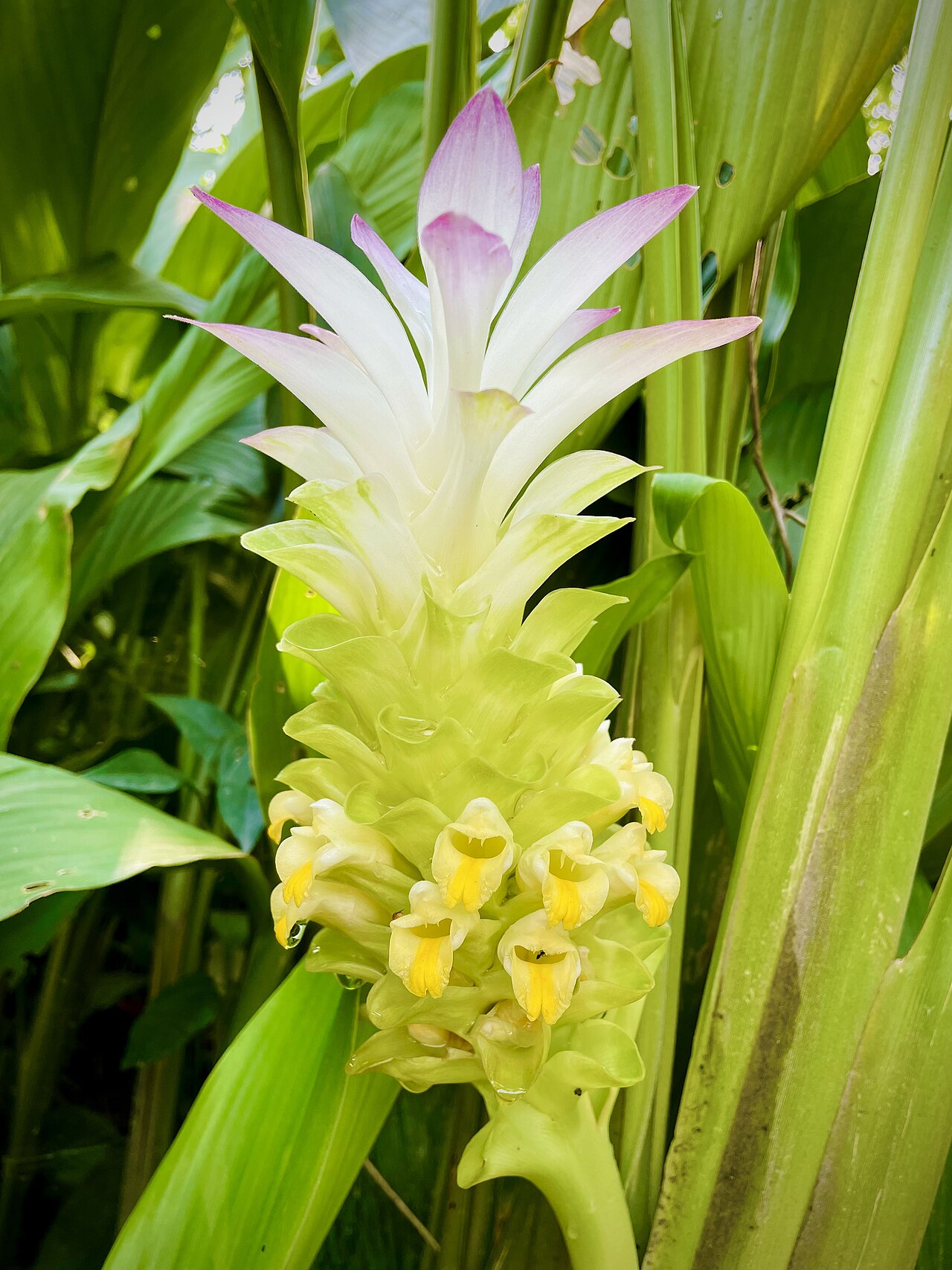
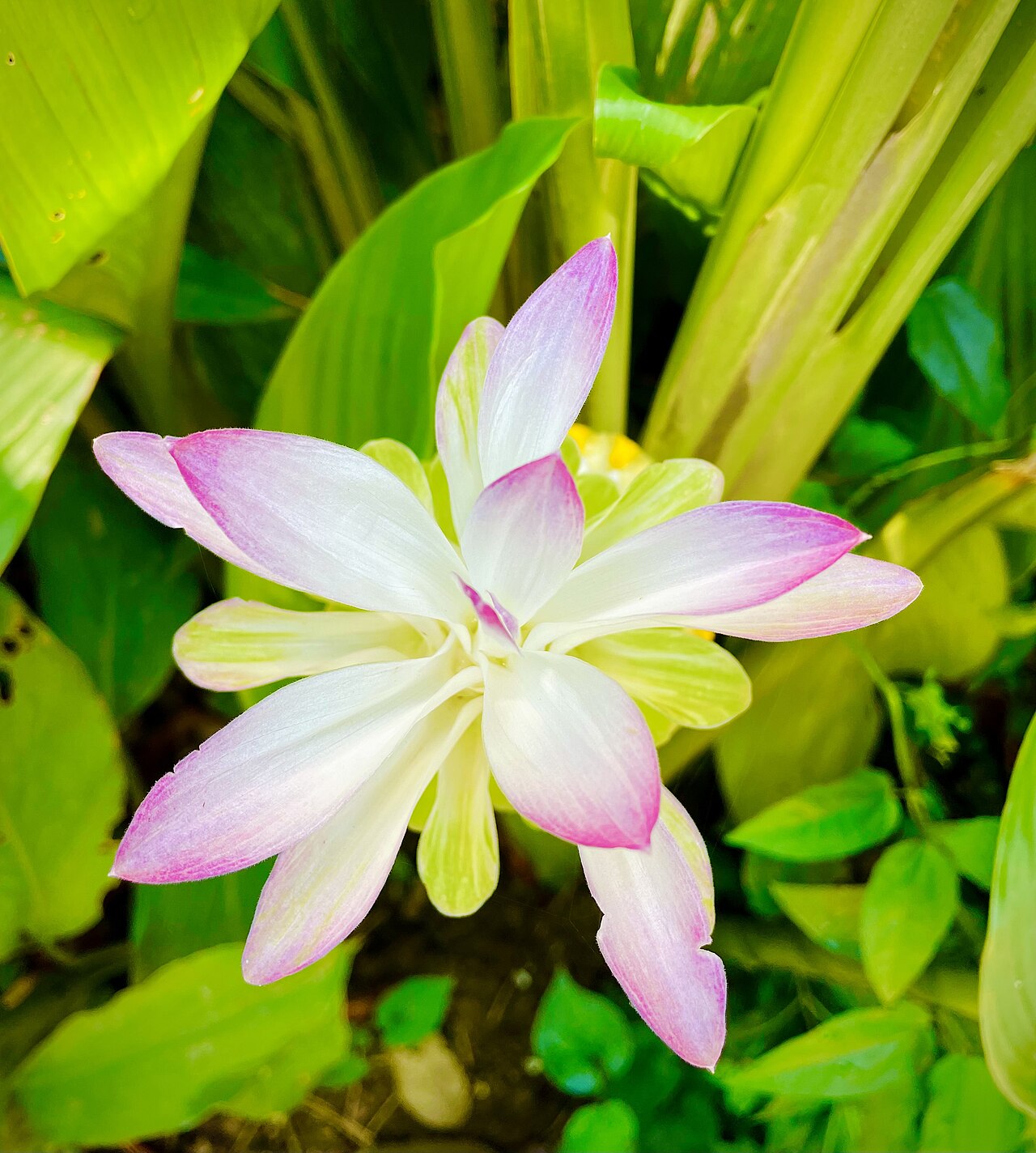
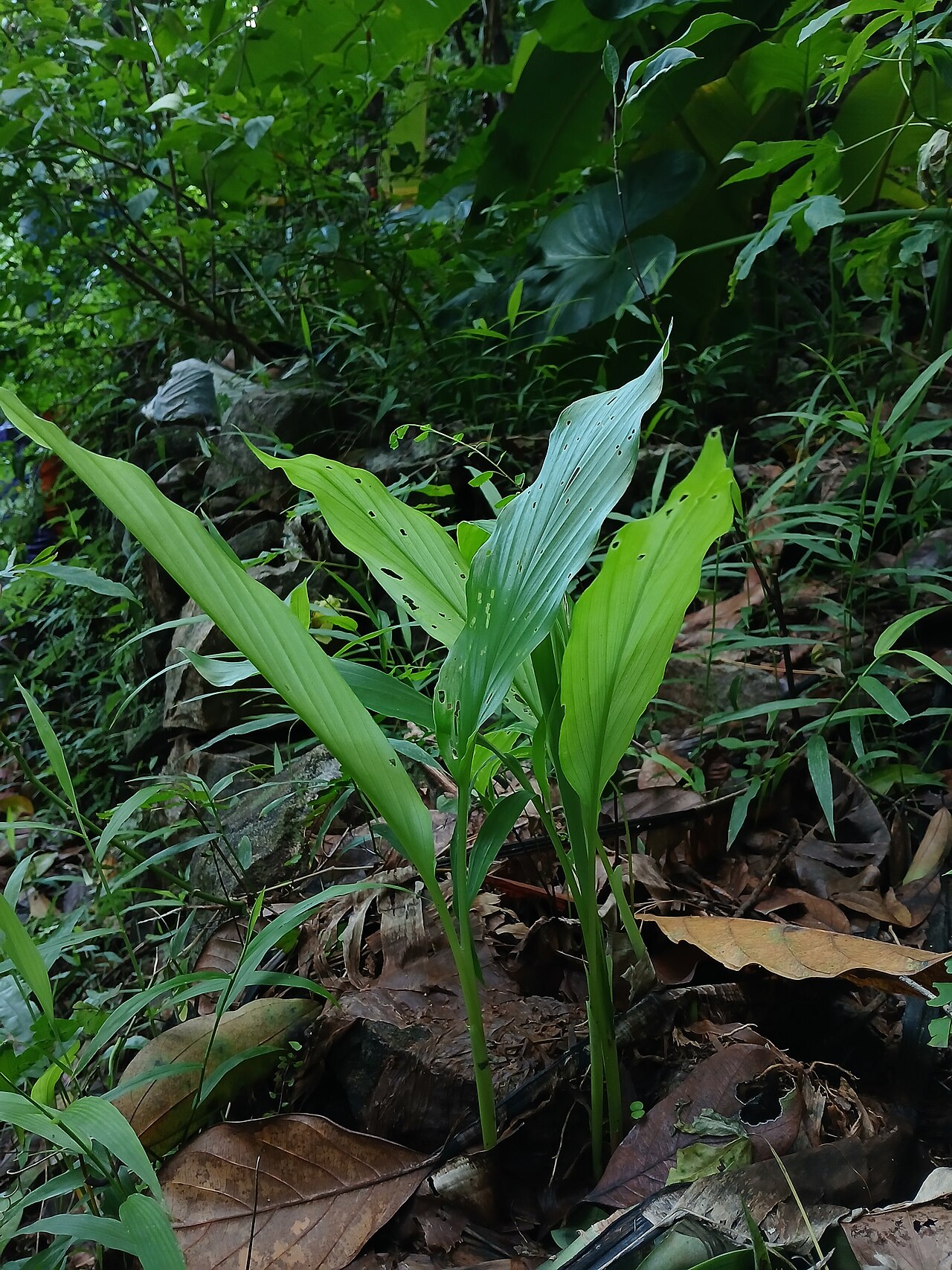
Why this variety
Hawaiian Red is the turmeric that growers call their flagship: rhizomes with a bright orange-red interior, a mild, slightly sweet flavor that does not turn bitter in finished products, and a rich color that makes juices, teas, and golden milk look as good as they taste. University trials in its home islands put its curcumin content around 5 percent of dry weight, which is high for a culinary turmeric and part of why it became the industry standard there.
For the home gardener, Hawaiian Red is the turmeric to plant first: it is vigorous, productive, and forgiving, the rhizomes are a good size for grating fresh, and the leaves — broad, tropical, and handsome — are edible too, used to wrap fish and rice. Fresh turmeric tastes nothing like the dusty powder in the spice jar; it is brighter, more aromatic, and a little peppery, and once you grate it fresh you will understand why growers ship rhizomes instead of powder.
If you are new to choosing between cultivars, the Varieties Matter guide explains why the name after the plant matters as much as the plant itself. And if you want the whole clan at a glance, the broader Turmeric guide covers turmeric generally.
How to grow
In Florida, turmeric is a summer crop that asks for almost nothing and gives back rhizomes: plant pieces in spring after the soil warms, let the broad leaves shade the bed through the hottest months, and dig after the leaves yellow and die back in fall or winter. In the northern part of the state, a container that moves under cover for a freeze is the safe play, because a hard freeze kills the rhizome outright. The leaves themselves are edible too — use them to wrap fish or rice, and the kitchen smells like a spice market.
Plant rhizome pieces with buds in spring after the soil warms, 12 inches apart in rich, moist, well-drained soil, and keep the soil warm and humid until shoots emerge — pre-sprouting in a warm, damp spot speeds this up. Water steadily through summer, mulch heavily, and feed with compost mid-season. Dig after the leaves yellow and die back in fall or winter.
Water & feeding
Turmeric wants rich, moist, well-drained soil and steady water through summer; it sulks in drought and rots in standing water. Mulch heavily to hold moisture, feed with compost at planting and mid-season, and stop watering as the leaves yellow so the rhizomes cure in the ground before digging.
Common problems
Rhizome rot — Pythium, Rhizoctonia, Fusarium — is the main threat, and it follows waterlogged soil and sun-exposed rhizomes, so keep rhizomes covered with soil or mulch and never let the bed stay soggy. Spider mites can visit in dry spells; steady water and mulch help. In the northern part of the state, grow in a container that moves under cover for a freeze.
Harvest
Dig after the leaves yellow and die back, wash rhizomes well, and cure in a dry, shady spot for a few days. Use fresh — grate, juice, or slice into tea — or boil, dry, and grind for powder. Save the best rhizome pieces for replanting, and store the rest cool and dry; fresh rhizomes keep for weeks refrigerated, and powder keeps for months in a sealed jar away from light.
Nerdy fact: Turmeric’s color comes from curcuminoids, pigments that stain everything they touch — fingers, cutting boards, white shirts — and that have been used as dye for cloth and skin for thousands of years. The stain is the chemistry: curcumin binds to protein and fiber, which is why turmeric-dyed cloth stays yellow and why your hands stay yellow after grating. Wear gloves, or wear the evidence proudly.
Saving seeds
Hawaiian Red is a turmeric grown from rhizome pieces, not seed — plant pieces with buds in spring after the soil warms, and dig after the leaves yellow and die back in fall or winter. The Propagation section of the Turmeric guide covers propagation for the species.