
🧡 Salem Turmeric
What it looks like
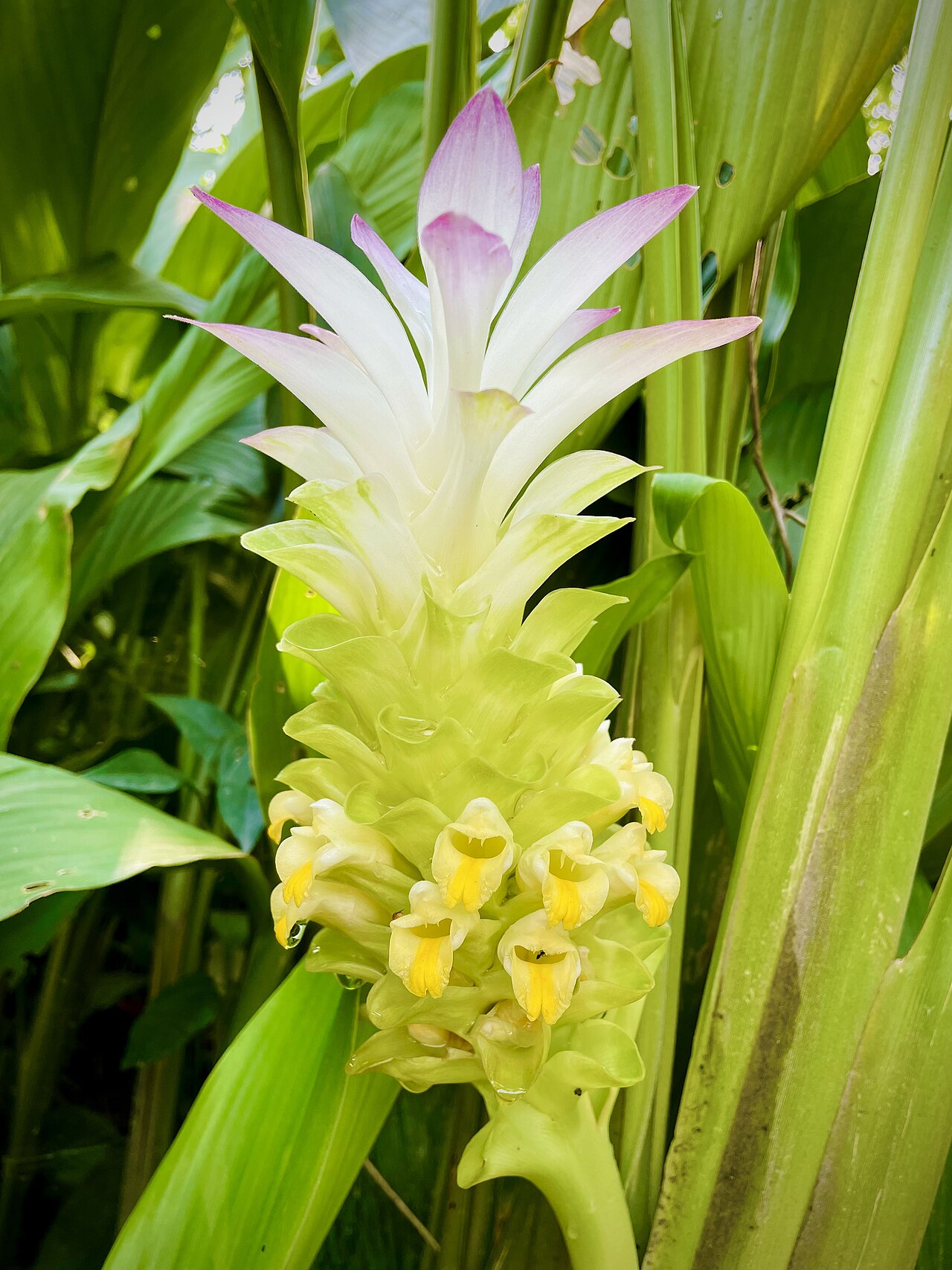
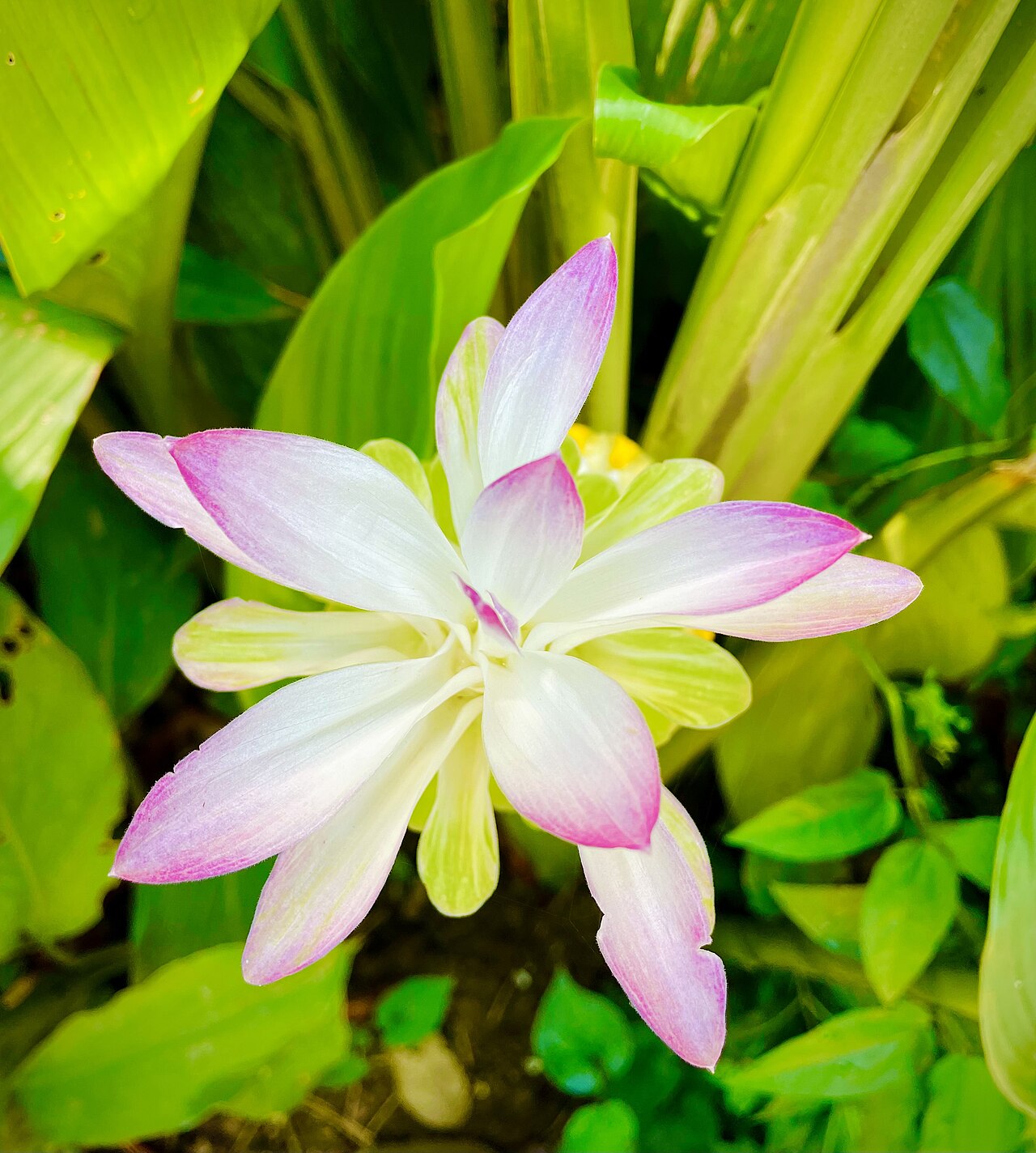
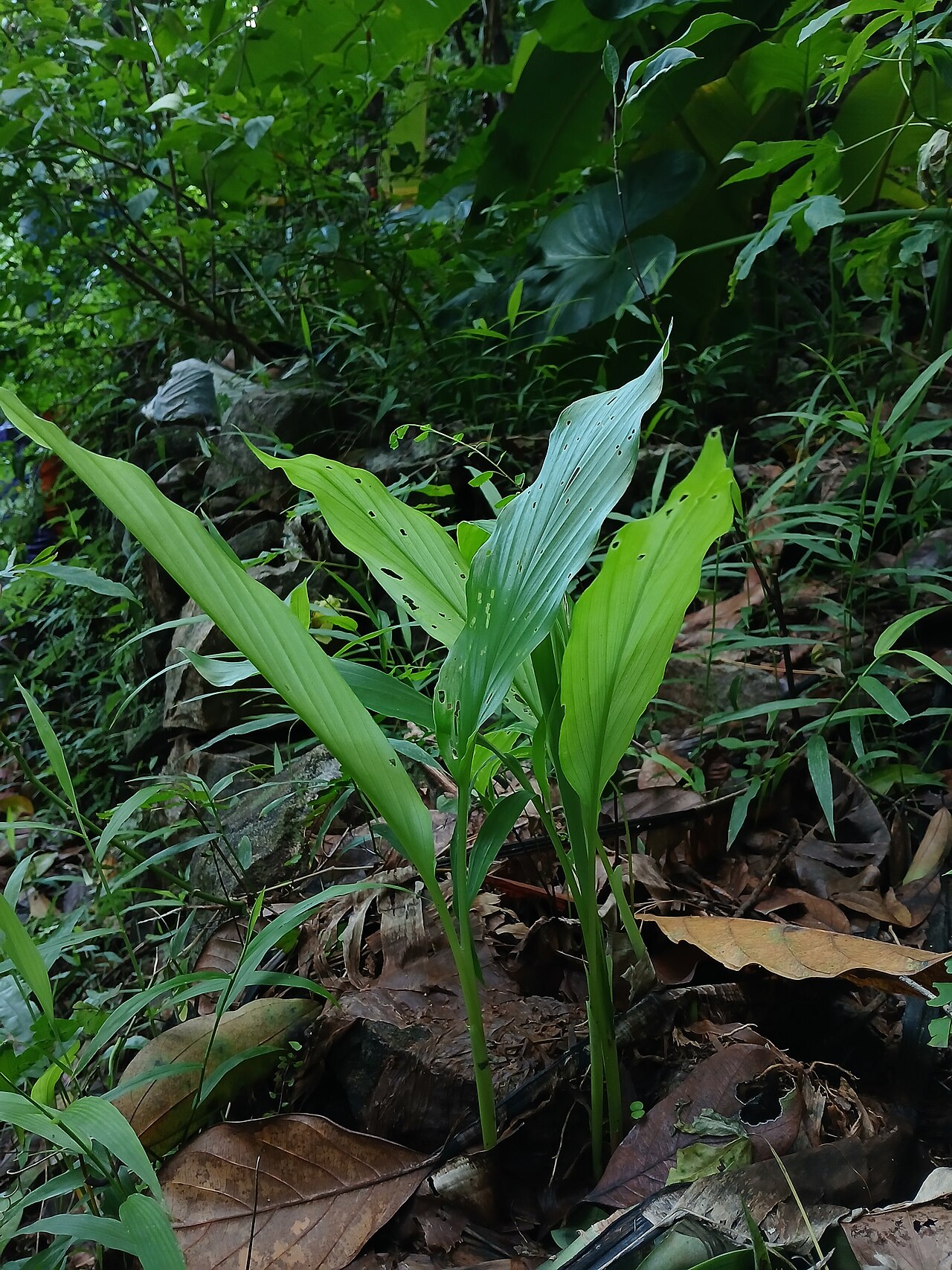
Photos show the species; no verified photo of ‘Salem Turmeric’ itself was found, so these species photos are used with attribution rather than a padded substitute.
Why this variety
Salem turmeric is a traditional landrace from the Salem area of Tamil Nadu, India — listed in variety surveys as “Eraiyur (Salem local),” a farmer-selected type from one of India’s great turmeric regions, alongside Erode local and the other Tamil Nadu types. The Salem–Erode–Coimbatore belt is turmeric country, where the crop has been grown for generations, and Salem local is the everyday turmeric of that region: not a high-curcumin showpiece like Lakadong, but a reliable, flavorful cooking turmeric with the bright color and warm, earthy taste that makes turmeric a daily spice rather than a supplement.
That distinction is worth stating plainly, because turmeric guides love to compete on curcumin percentages, and Salem does not win that contest — regional surveys put Salem-area varieties in the lower curcumin range, and one well-known account notes Salem turmeric usually testing under 3 percent. What it offers instead is what landraces usually offer: adaptation, reliability, and flavor for cooking, from a plant that has been selected by farmers for their kitchens, not for a lab report. Grow Salem when you want turmeric for the pot, and grow Lakadong when you want the curcumin conversation.
For the general picture, start with the Turmeric growing guide — this guide covers what makes Salem Turmeric different.
How to grow
Plant firm seed rhizomes with visible buds in spring after frost danger, cut into pieces with at least two buds each, dried for a day or two, and set two to four inches deep, twelve inches apart in rows two to three feet apart — the species standard, since no separate spacing is published for this landrace. Work compost or worm castings into rich, well-drained soil, give full sun to part shade with afternoon shade in Florida’s hottest spots, and mulch heavily to hold moisture. Turmeric leaves scorch on sand in brutal afternoon sun, so a little shade is kindness, not coddling.
Water steadily through the long growing season and feed modestly with compost or castings; turmeric in sandy soil appreciates steady, small feeds rather than one big dose that washes past the roots. As fall approaches, ease off water and let leaves yellow and die back naturally — that is the harvest signal. In Florida, Salem is a spring-to-fall crop harvested before frost, with the best rhizomes saved indoors for next spring’s planting.
Water & feeding
Water steadily through the growing season — turmeric is a tropical plant that sulks in drought — and mulch heavily to hold moisture and keep rhizomes cool. Feed modestly with compost or worm castings through the season; a long-season rhizome crop in sandy soil appreciates steady, small feeds rather than one big dose that washes past the roots. As fall approaches, ease off water and let leaves yellow naturally: that yellowing is the harvest signal, not a disease.
Common problems
- Rhizome rot in waterlogged soil — plant in well-drained soil and never let beds puddle.
- Leaf scorch in brutal afternoon sun on sand — give afternoon shade in the hottest spots.
- Frost — harvest before cold weather; save the best rhizomes indoors for next spring’s planting.
- Sprouting grocery-store rhizomes that never sprout — often treated to prevent sprouting. Buy seed rhizomes from a garden supplier.
Harvest
Harvest at seven to nine months, when leaves yellow and dry, by digging the clump carefully with a fork and saving the firmest rhizomes with good buds for replanting. Use the rest fresh — grated into curries, dals, and rice, where Salem’s cooking flavor shines — or boil, dry, and grind for powder. Fresh rhizomes keep weeks refrigerated; powder keeps months in a sealed jar, away from light, which fades the color. And wear gloves or accept yellow hands: turmeric stains are a badge of honor, but they are not a fashion choice.
Save the firmest rhizomes with good buds for replanting, and use the rest fresh or dried — fresh keeps weeks refrigerated, powder keeps months in a sealed jar away from light.
Browse all plant & pest guides
Saving seeds
Salem turmeric is a traditional landrace from the Salem area of Tamil Nadu, India — listed in variety surveys as “Eraiyur (Salem local),” a farmer-selected type from one of India’s great turmeric regions, alongside Erode local and the other Tamil Nadu types. The Salem–Erode–Coimbatore belt is turmeric country, where the crop has been grown for generations, and Salem local is the everyday turmeric of that region: not a high-curcumin showpiece like Lakadong, but a reliable, flavorful cooking turmeric with the bright color and warm, earthy taste that makes turmeric a daily spice rather than a supplement. As a named turmeric it is kept true by rhizomes, not by seed — plant firm seed rhizomes with visible buds in spring after frost danger, cut into pieces with at least two buds each, dried for a day or two, and set two to four inches deep, twelve inches apart in rows two to three feet apart. Work compost or worm castings into rich, well-drained soil, give full sun to part shade with afternoon shade in Florida’s hottest spots, and mulch heavily to hold moisture. The full method is in the Propagation section of the Turmeric guide.