
🟠 BKK Turmeric
What it looks like
Why this variety
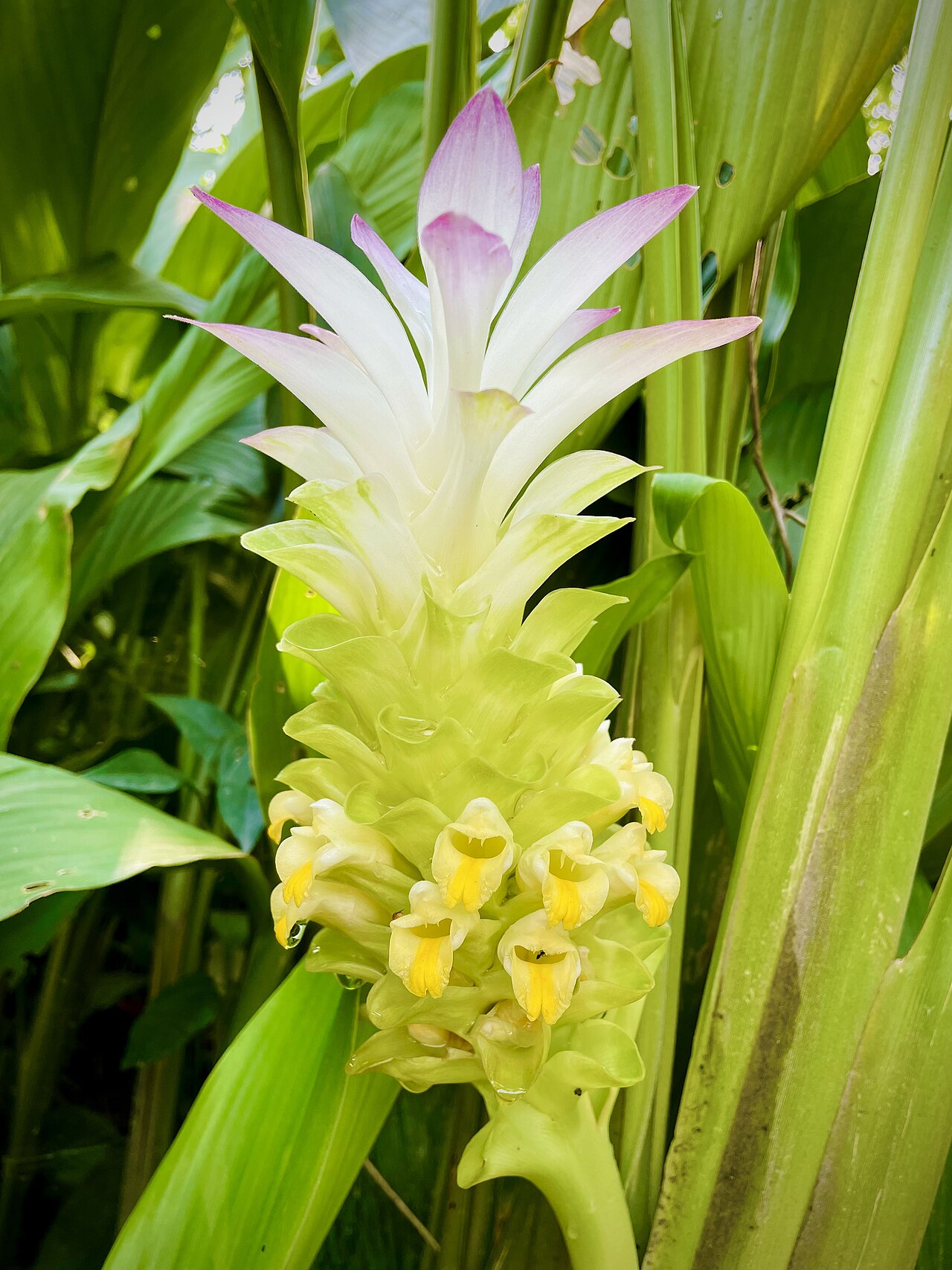
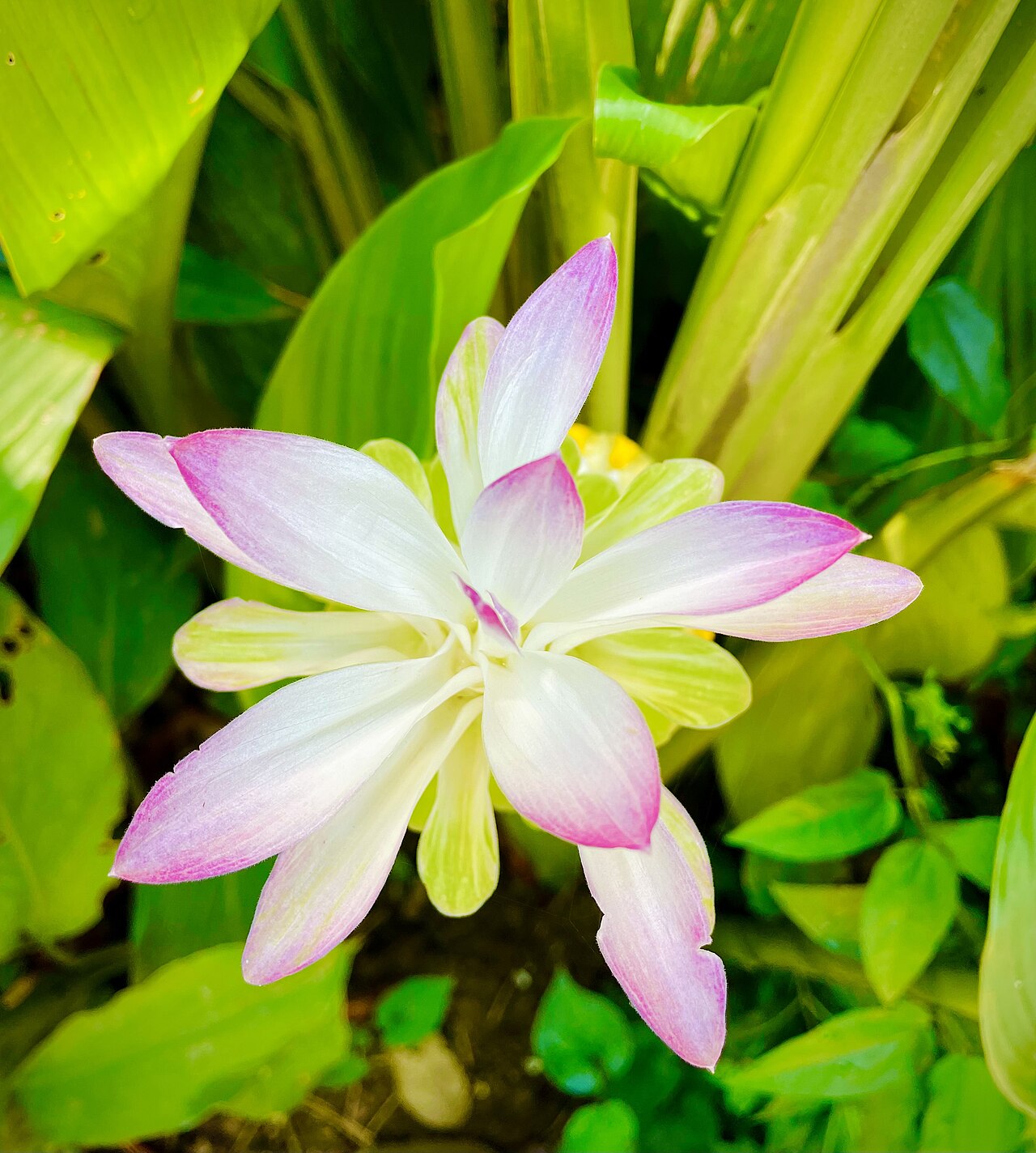
BKK is the Southeast Asian turmeric that growers describe by its numbers: slender rhizomes, dark orange flesh with yellow tips, and curcumin tests around 7 to 10 percent — notably higher than most culinary types — with a flavor similar to Hawaiian Red but a little sharper. It is less productive than Hawaiian Red, and growers are honest about that trade: you plant BKK for potency and authenticity in Thai and Burmese dishes, not for the biggest harvest in the bed.
For the cook who wants turmeric as medicine as well as spice, BKK is the type to try: the high curcumin content shows up as a deeper color and a more assertive flavor, and the slender rhizomes grate easily fresh. It is also a conversation piece — a turmeric with a name that sounds like an airport code and a pedigree from Southeast Asian growers, doing its best in a garden a long way from home.
If you are new to choosing between cultivars, the Varieties Matter guide explains why the name after the plant matters as much as the plant itself. And if you want the whole clan at a glance, the broader Turmeric guide covers turmeric generally.
How to grow
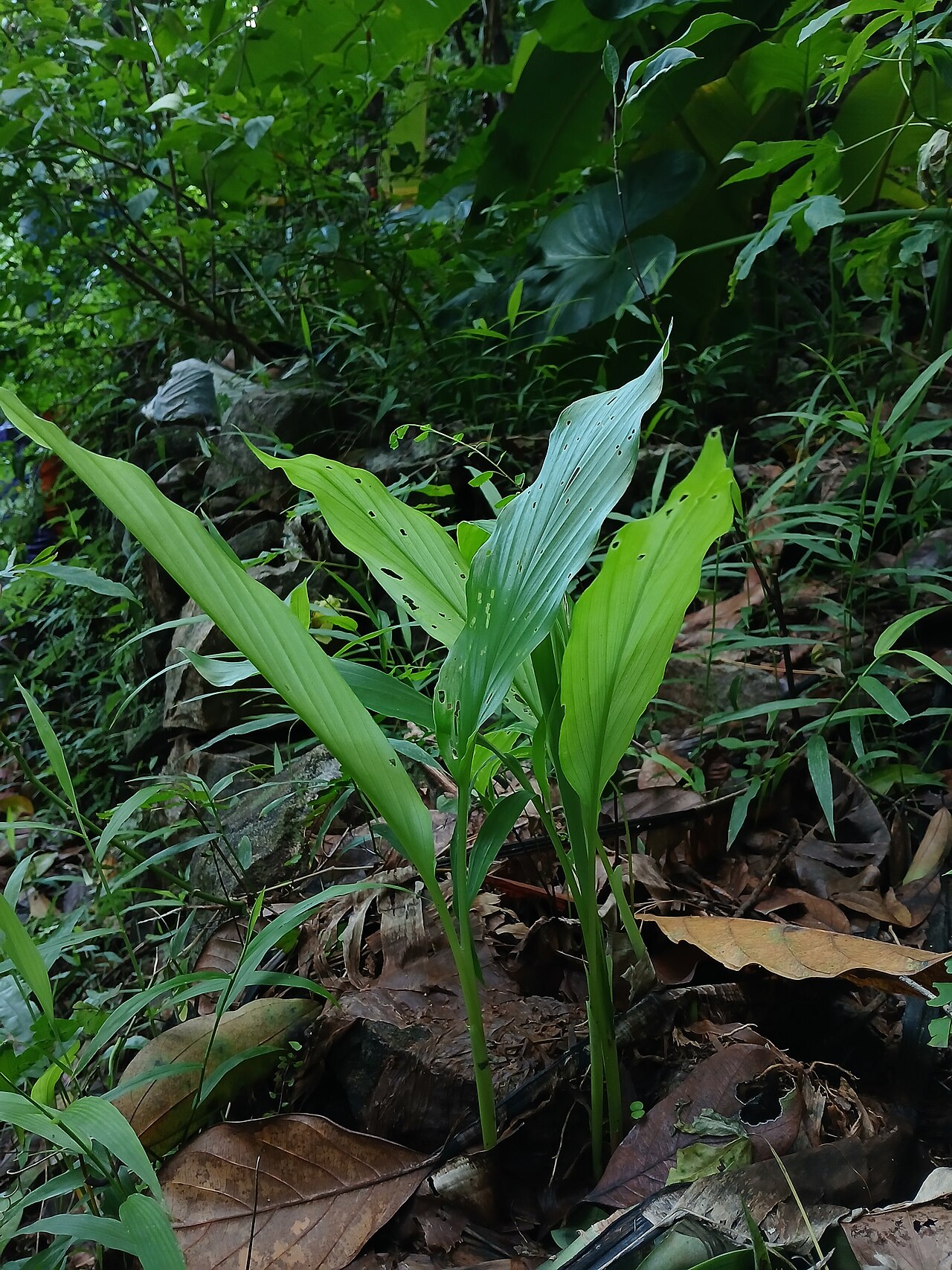
In Florida, turmeric is a summer crop that asks for almost nothing and gives back rhizomes: plant pieces in spring after the soil warms, let the broad leaves shade the bed through the hottest months, and dig after the leaves yellow and die back in fall or winter. In the northern part of the state, a container that moves under cover for a freeze is the safe play, because a hard freeze kills the rhizome outright. The leaves themselves are edible too — use them to wrap fish or rice, and the kitchen smells like a spice market.
Plant rhizome pieces in spring in rich, moist, well-drained soil, 12 inches apart, and keep the soil warm until shoots emerge. Water steadily, mulch heavily, and feed with compost mid-season. BKK’s slender rhizomes need the full season to size up, so give it the longest warm window you can and dig only after the leaves have fully yellowed.
Water & feeding
Turmeric wants rich, moist, well-drained soil and steady water through summer; it sulks in drought and rots in standing water. Mulch heavily to hold moisture, feed with compost at planting and mid-season, and stop watering as the leaves yellow so the rhizomes cure in the ground before digging.
Common problems
Rhizome rot is the main risk, as with all turmerics — drainage and covered rhizomes matter most. Spider mites in dry spells are minor. BKK is a little less vigorous than Hawaiian Red, so do not crowd it, and give it the best soil in the bed; a high-curcumin turmeric in poor soil is a wasted opportunity.
Harvest
Dig after dieback, wash carefully — slender rhizomes break easily — and cure in shade. Use fresh for teas, juices, and curries, or dry and grind for a potent powder. Save the best pieces for replanting, and store fresh rhizomes refrigerated for weeks. A little BKK goes a long way in a pot, so grate sparingly until you know its strength.
Nerdy fact: Curcumin is only one of several curcuminoids in turmeric, and the total curcuminoid content is what researchers actually measure — which is why two turmerics can both be called high-curcumin and still taste and color differently. BKK’s reputation rests on lab tests, not marketing, and that is the honest way to pick a turmeric: by the numbers, then by the taste.
Saving seeds
BKK is a Southeast Asian selection, so seed saved from it won’t come true — plant rhizome pieces instead. The Propagation section of the Turmeric guide covers how the species is propagated.