
🥬 Red Streaks Mizuna
What it looks like
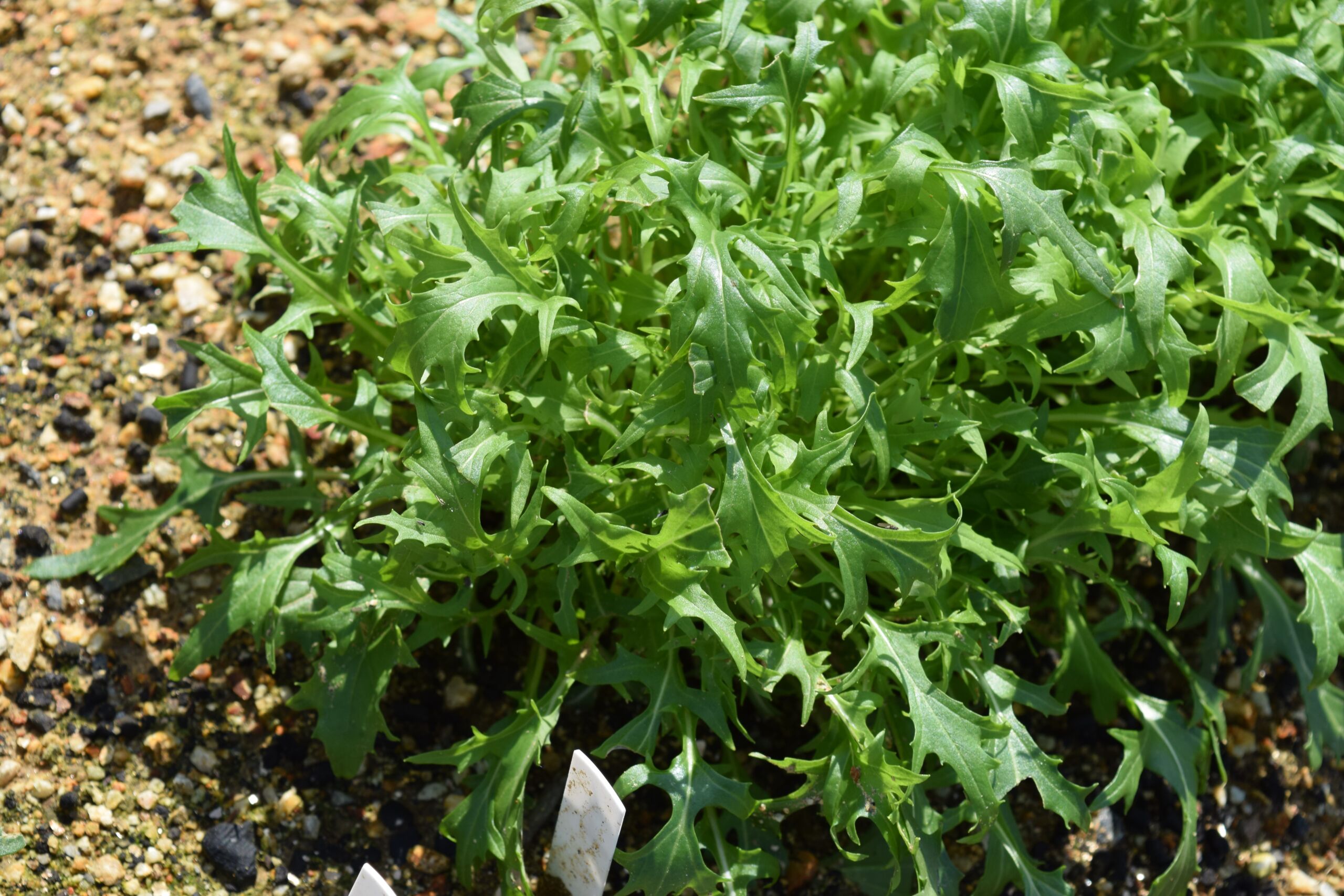
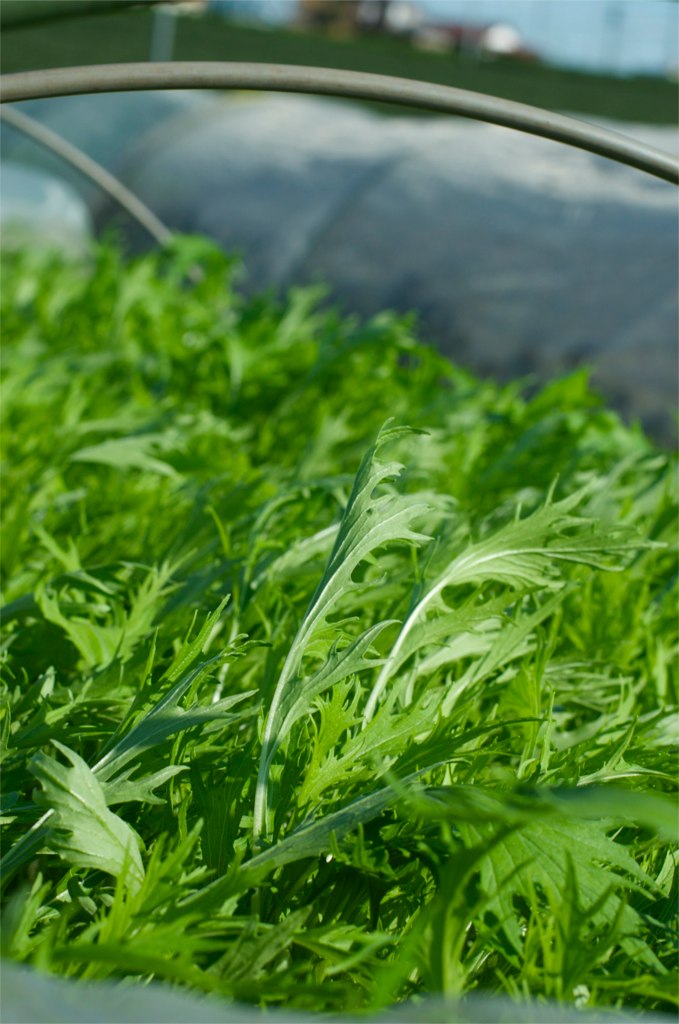
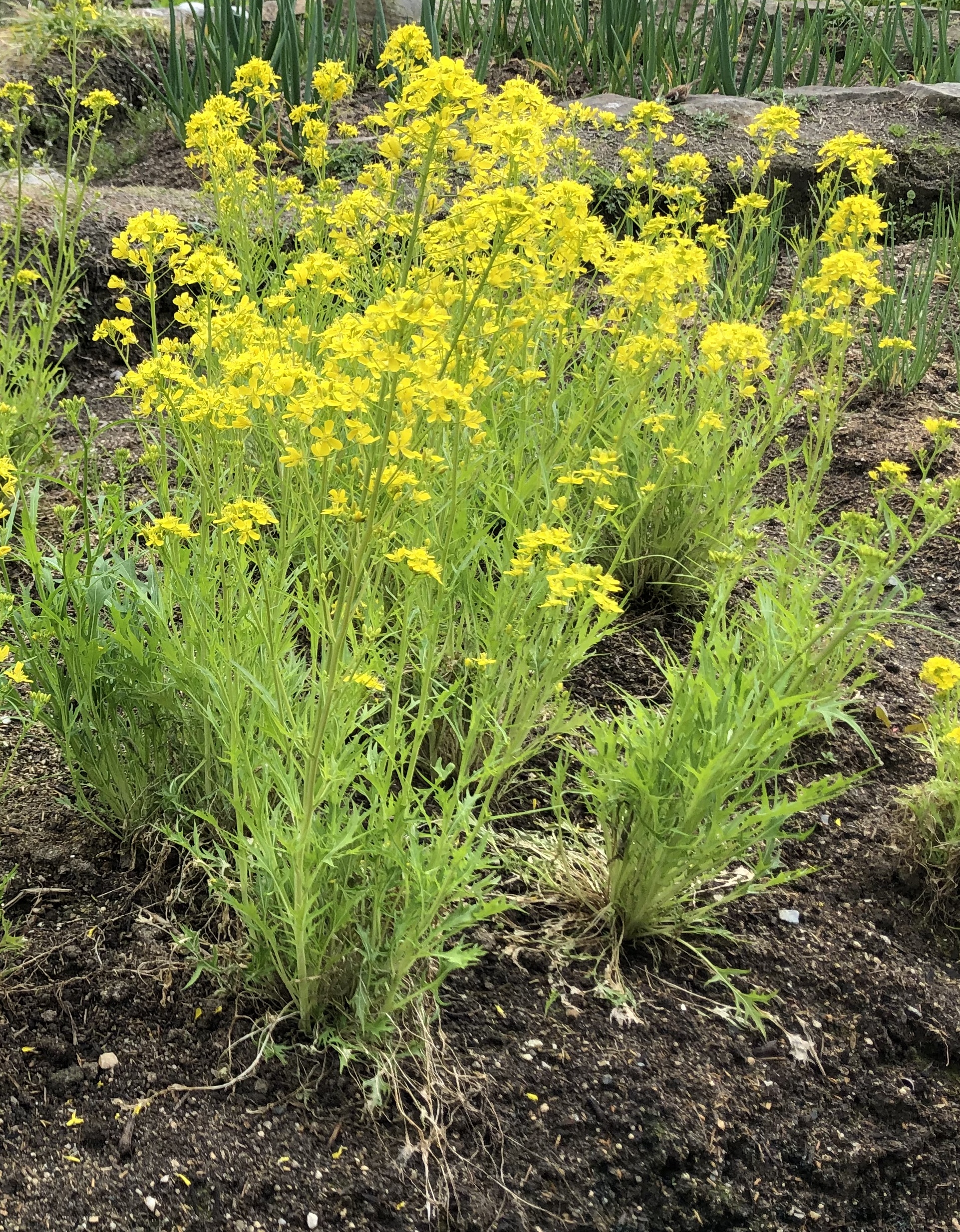
Photos show the species (Brassica rapa var. japonica), since no cultivar-specific photo verified for this variety — the species photos above are already hosted on this site and attributed as on the species guide.
Why this variety
Red Streaks is the mizuna that makes you look twice at the salad bowl. It is a fast-growing Asian mustard with deeply serrated, finely divided green leaves highlighted with vivid red veins — green leaves, red veins, not red leaves — which is the distinction that separates it from Red Mizuna, already guided, whose leaves are red throughout. Sold with the common name mizuna, it is botanically Brassica juncea, not the Brassica rapa mizuna group, and the guide states that plainly rather than filing it under the wrong Latin name because the packet said mizuna.
In the kitchen it behaves like a mizuna: feathery, mild-peppery, excellent raw in salad mixes, with a little more mustard heat than a true rapa mizuna thanks to its juncea blood. It is a cut-and-come-again green, ready for baby leaf in about three weeks and full size in 40–49 days, and the red veins deepen in cool weather, so a Florida winter planting is the showiest one. Grow it for the salad mix first — it adds color and loft that flat leaves cannot — and for stir-fries second, where it wilts in seconds.
How to grow
Sow from September through February in Florida, direct, in succession every two weeks. Sow at the hero baby spacing for salad mixes, or thin to the full spacing for larger plants; mizuna-type greens tolerate dense sowing better than most brassicas, but airflow still matters in humid air. Work compost and castings into sandy beds first, and keep the seedbed moist until germination — small seeds in sand dry out fast.
Pick outer leaves or shear whole rows, and the plant regrows from the center for another cutting — that cut-and-come-again habit is why mizuna-type greens outproduce most lettuces over a season. Mulch lightly, water evenly, and succession-sow so the salad bowl never runs out.
Water & feeding
Water evenly; feathery leaves dry out fast and turn sharp when thirsty. Morning watering keeps leaves crisp for picking.
Feed lightly with compost at planting; mizuna-type greens are fast crops and heavy nitrogen grows soft, pest-prone leaves. A light side-dress only if growth stalls.
Common problems
- Flea beetles — pepper young leaves with shot-holes; row cover early and keep seedlings vigorous.
- Cabbage worms and loopers — chew the feathery leaves; hand-pick or use Bt.
- Aphids — cluster on new growth; blast with water and let lady beetles work.
- Bolting in heat — mizuna bolts when warm days arrive; shear hard, succession-sow, and treat bolted plants as done.
Harvest
Shear baby leaves from about 21 days, or full plants at 40–49 days, cutting above the crown so the plant regrows. Pick in the morning when leaves are crispest, and use the feathery leaves raw where their shape and red veins show — they wilt into anonymity in a long braise, though a last-minute toss into hot noodles keeps both color and bite.
Mizuna keeps a few days in the fridge in a bag; use it fresh for best flavor and color. If a plant bolts, the flowers are edible and peppery, a pretty garnish even if the leaf crop is over.
Browse all plant & pest guides
Saving seeds
Red Streaks is the mizuna that makes you look twice at the salad bowl. It is a fast-growing Asian mustard with deeply serrated, finely divided green leaves highlighted with vivid red veins — green leaves, red veins, not red leaves — which is the distinction that separates it from Red Mizuna, already guided, whose leaves are red throughout. Sold with the common name mizuna, it is botanically Brassica juncea, not the Brassica rapa mizuna group, and the guide states that plainly rather than filing it under the wrong Latin name because the packet said mizuna. As an open-pollinated mustard green it comes true from seed: sow from September through February in Florida, direct, in succession every two weeks. Sow at the hero baby spacing for salad mixes, or thin to the full spacing for larger plants; mizuna-type greens tolerate dense sowing better than most brassicas, but airflow still matters in humid air. The full method is in the Saving seeds section of the Mizuna guide.