
🏮 Aureo-maculatum Chinese Lantern
Why this variety
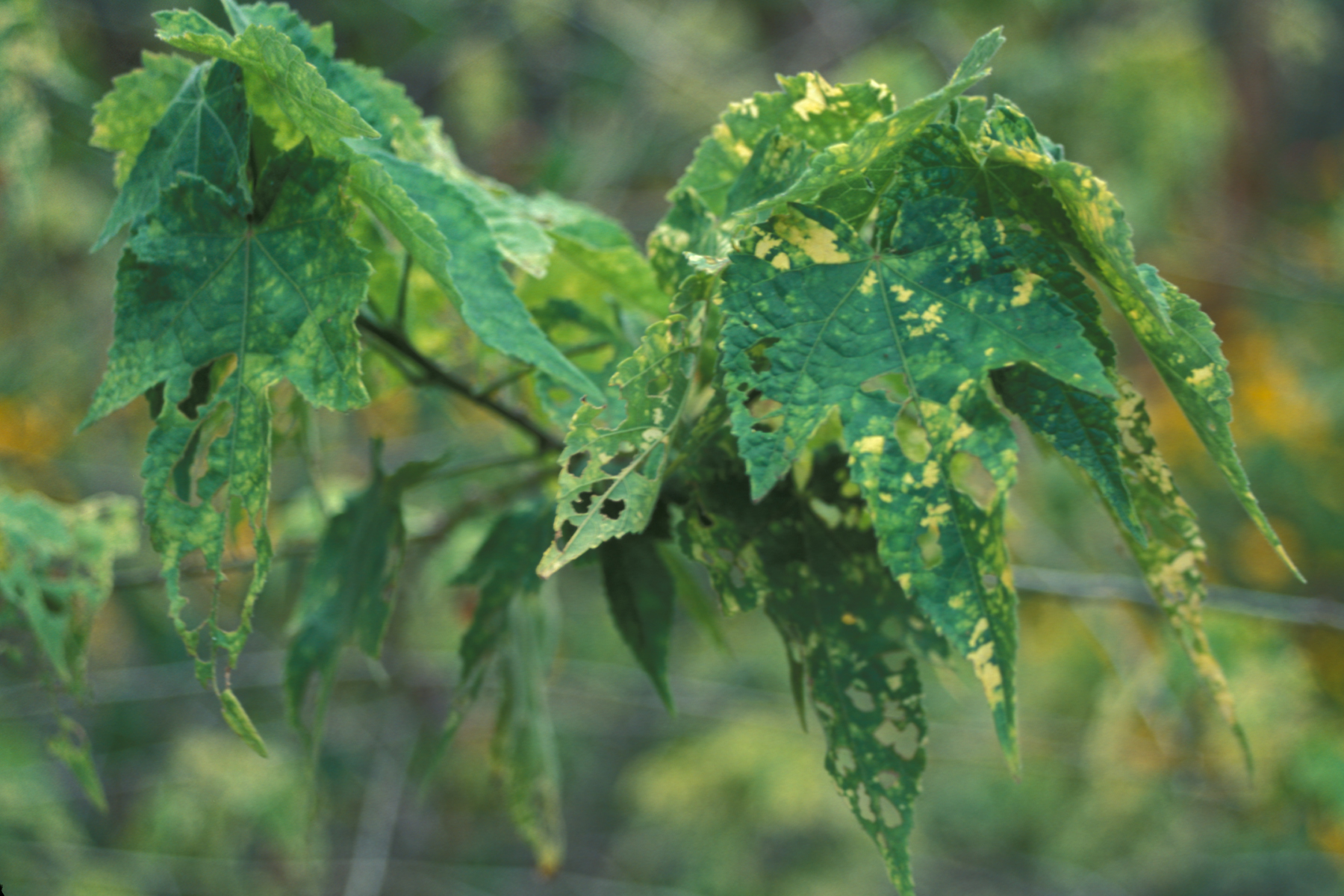
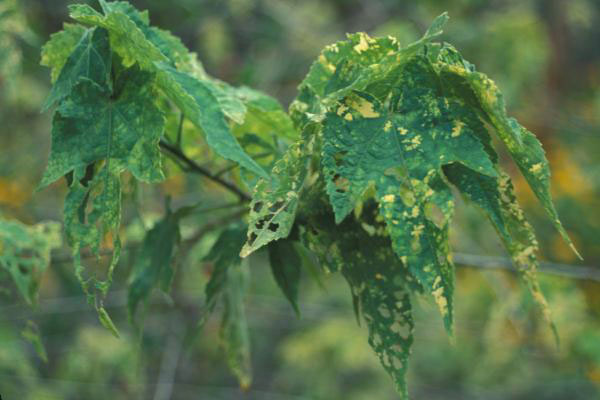
Aureo-maculatum — say it as “aw-ree-oh mak-yoo-LAH-tum,” Latin for “spotted with gold,” and you will sound like you know exactly what you are doing — is the boldest foliage form of the redvein clan. The leaves are velvety, 5-lobed, hairy underneath, toothed at the margins, and splashed boldly with gold over green. The flowers are coral with dark veining, hanging like little lanterns, and the whole plant is very vigorous: it can reach 10 feet by 10 feet if you let it, though it is easily kept smaller or even espaliered against a wall.
If you go shopping for it, you may find it under its party alias: ‘Mardi Gras’. Same plant, same gold-splashed leaves, same coral bells — this guide covers both names in one place deliberately, because building two guides for one cultivar would be exactly the kind of duplication this site tries not to do. Ask for either name at the nursery; check the leaves, not the label, to confirm you have it.
Two honest caveats come with the plant. First, it is reportedly not as floriferous as the hybrid abutilons — you grow it for the foliage first and treat the coral bells as a very welcome bonus, not the main event. Second, it carries the same tangled taxonomy as its cousins: listed under Abutilon pictum and Abutilon striatum / Callianthe striata depending on who printed the tag. The distinction that matters in the garden is simpler: this is the form UF/IFAS Extension lists among low-maintenance landscape plants for South Florida (publication ENH854), which is about as solid a Florida endorsement as an ornamental gets.
How to grow
Plant Aureo-maculatum in morning sun with afternoon shade — in Florida’s heat, shade is what keeps the gold splashes from scorching and the leaves from crisping at the edges. It wants fertile, moist, well-drained soil and will grow in sand, loam, or clay as long as water drains freely; a generous helping of compost at planting time pays for itself all season. Space 4–5 feet apart in a border, or give a specimen room to reach its full 10-foot vigor; in a smaller garden, keep it pruned to 3–5 feet, which it tolerates cheerfully.
Prune in late winter or early spring before the main flush of growth: take out rangy stems just above a node, shape for bushiness, and remove any dead or frost-damaged wood. Because it blooms on new growth, that spring cut is what sets up the season’s bells. It espaliers well — tie the main stems to a wall trellis and prune the laterals — which is a handsome way to use a plant that wants to be 10 feet wide in a garden that does not have 10 feet to spare. Propagate by stem cuttings, which keep the gold-splash pattern; seed will not grow true.
In zones 9–10 it lives outdoors year-round, and in South Florida it earns its UF/IFAS low-maintenance listing: once established, it asks mainly for water in dry spells and an annual prune. Further north, grow it in a large container and overwinter it bright and cool indoors, or treat it as a seasonal patio plant and take cuttings each fall to carry it through winter.
Water & feeding
Water consistently and deeply: Aureo-maculatum dislikes drought, but it never wants to sit soggy. In-ground plants in a Florida summer usually need deep watering whenever the top inch of soil dries out; containers dry faster and may need daily water in July and August. Mulch 2–3 inches to hold moisture and keep roots cool. Wilting and bud drop mean “water me”; yellowing leaves and mushy stems mean “you watered too much” — and the second one is harder to come back from.
Feed moderately through spring and summer: a balanced slow-release feed in spring, or liquid feed every few weeks in the growing season, is plenty. This is a vigorous plant that does not need pushing — overfeeding produces soft, rangy growth that flops and needs more pruning, not more flowers. Since it is less floriferous than the hybrids anyway, the goal of feeding here is healthy, well-splashed foliage, and the bells will follow on their own schedule.
Common problems
The usual abutilon pests apply: whiteflies first (and remember, whiteflies spread abutilon mosaic virus between mallows, so keep their numbers down if hibiscus grows nearby), plus aphids, spider mites, mealybugs, and scale, especially indoors or in still air. Strong water sprays, sticky traps, and horticultural oil for stubborn cases cover nearly everything. Root rot from waterlogged soil is the main killer — plant high in heavy clay, and never let a container sit in a saucer of water.
Leaf scorch from harsh afternoon sun is the most common cosmetic complaint: move the pot, add shade, or accept that a few outer leaves will crisp in August and be replaced by fresh growth. Frost is the hard boundary — damaged below freezing, killed by a hard freeze — so the zone guidance stays honest: zones 9–10 outdoors, containers everywhere else. And if your plant’s flowers seem sparse compared with a hybrid abutilon next door, that is not a failure on your part; it is the cultivar’s documented character. Grow it for the leaves, enjoy the bells.
Harvest
There is no food crop here, but there is a cutting crop: stems of gold-splashed leaves with coral bells make striking indoor arrangements, and a pruned branch in a vase is a perfectly respectable way to enjoy a plant you have just shaped. The bells are edible, as with other abutilons — mild, slightly sweet, picked fresh in the morning and used the same day as a garnish.
The season runs spring through fall, longer where winters stay frost-free. In South Florida, where UF/IFAS lists it as low-maintenance, expect the longest show and the least fuss; further north, the first frost is the end of the outdoor season, and container plants come in to wait for spring.
Browse all plant & pest guides
Saving seeds
Aureo-maculatum is a gold-splashed form, so seed saved from it won’t come true — propagate it from cuttings instead. The Saving seeds section of the Redvein Chinese Lantern guide covers seed for the straight species.