
🌿 Aurea Hoptree
Why this variety
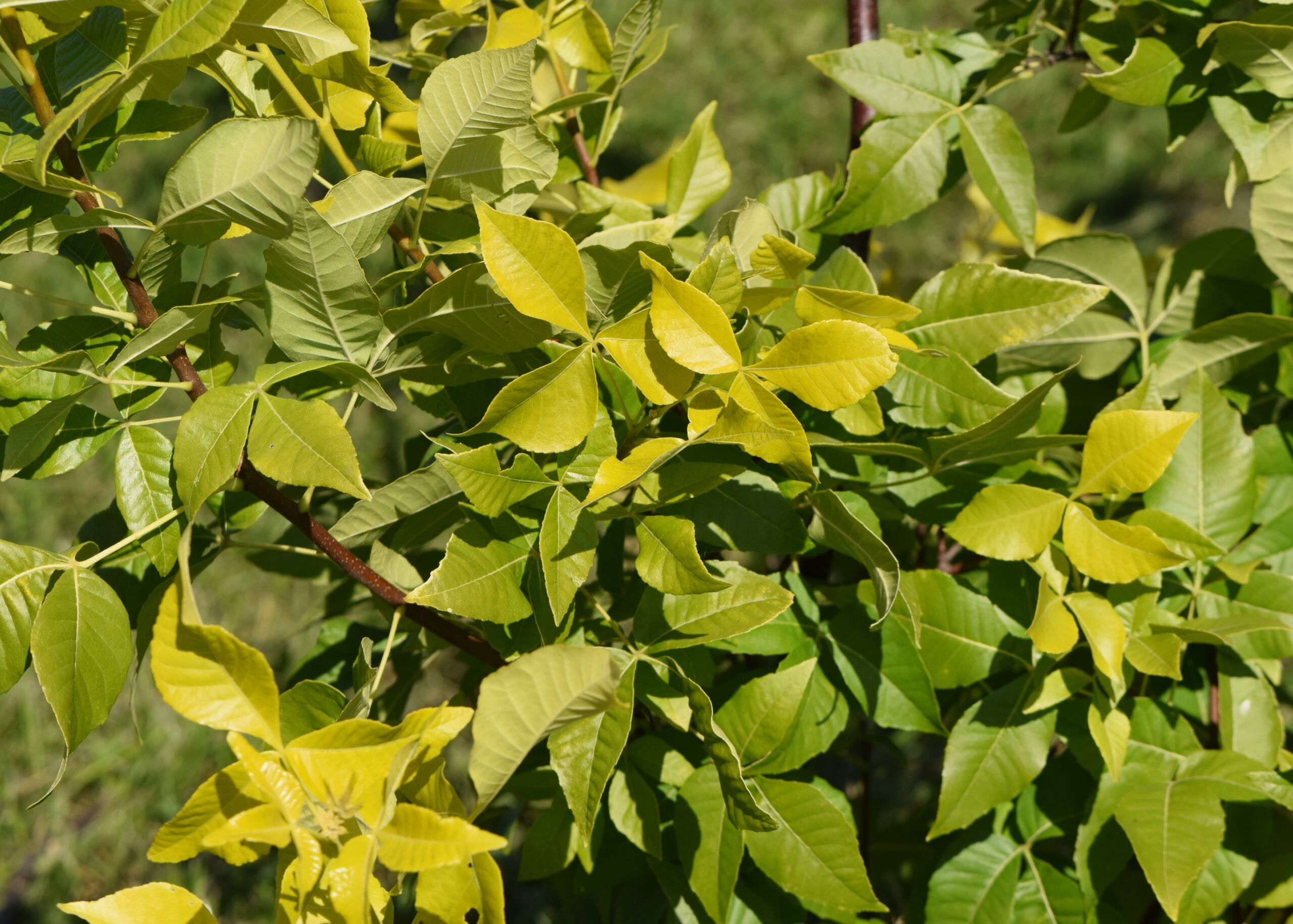
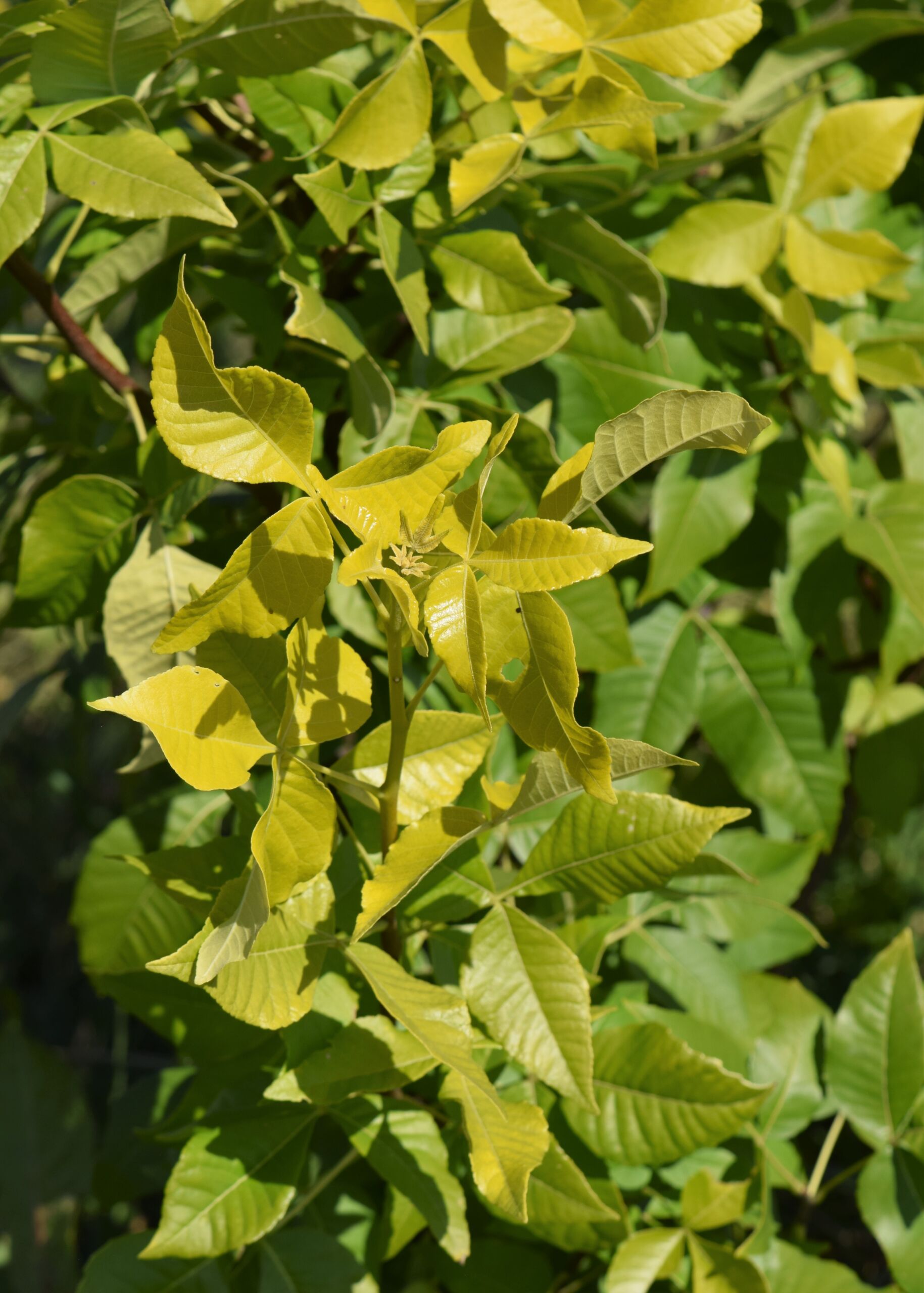
Aurea is hoptree with the lights turned up. The straight species is a handsome native shrub or small tree — three-leaflet leaves, fragrant greenish-white flowers, wafer-thin papery fruit — and Aurea keeps all of that while swapping the green for gold: bright gold young leaves that fade to light yellow-green by midsummer, so the tree glows in spring and then settles into a luminous lime. It reaches about 15 feet tall with a spread of 10–15 feet, and the University of Florida’s extension service rates it zones 4A through 9A, which in Florida means zones 8–9 — the northern part of the state, where the straight species is native.
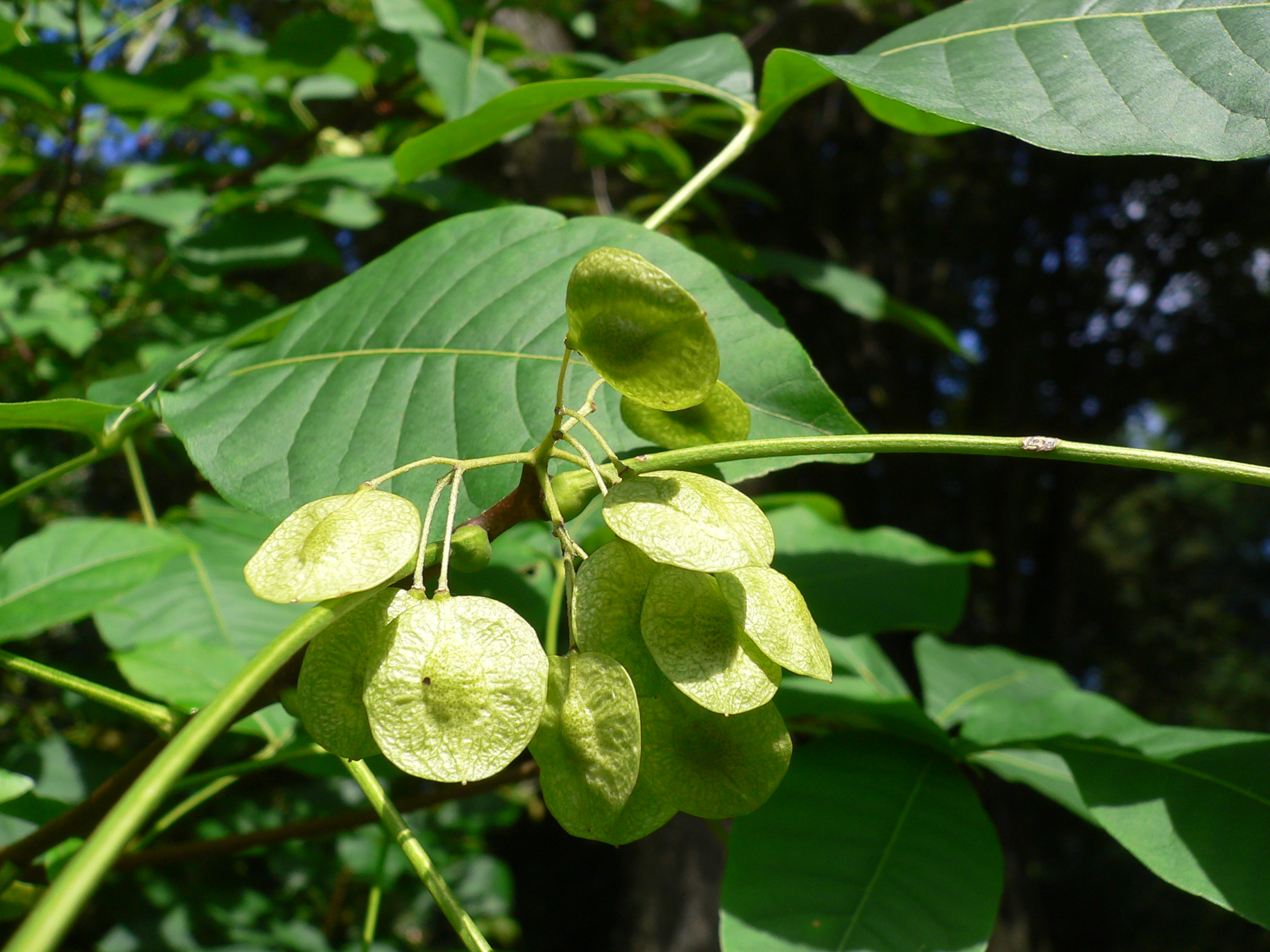
Everything else about hoptree carries over, and it is worth carrying over, because hoptree is one of the most underplanted natives in the eastern United States. It belongs to the citrus family, Rutaceae, and it smells like it: bruise a leaf, a twig, or a young fruit and you get a strong, hop-like, citrusy aroma that some people love and some people compare to a skunk’s opinion of orange blossom. Both camps are correct; noses differ and hoptree does not negotiate. The flowers are small, greenish-white, and star-shaped in clusters, and their orange-blossom perfume carries further than their appearance suggests. And the fruit is the showpiece: round, flat, papery samaras about an inch across, held in dense clusters and persisting into winter after the fleshy part of the wing has decayed to a net.
Wildlife is the other reason to plant it. Hoptree is a host plant for the giant swallowtail butterfly — the caterpillars feed on those three-leaflet leaves — so a golden hoptree is not just a pretty tree, it is a caterpillar cafeteria with a gold roof. Bees visit the flowers, birds pick at the fruit, and the tree’s native range runs from southern Canada to Florida and west to Texas, so in North Florida you are planting a tree that belongs there, not a tourist.
How to grow
Plant Aurea in full sun to part shade — it tolerates shade, but the gold color is brightest with good light, so do not bury it under a live oak and expect it to glow. It is adaptable about soil, acid to slightly alkaline, sand to clay, as long as it drains well; hoptree in the wild grows along waterways, woodland edges, and rocky slopes, and it handles both moist and fairly dry spots once established. Dig a hole twice as wide as the root ball and no deeper, plant at the same depth it sat in its pot, water in deeply, and mulch 2–3 inches, keeping mulch off the trunk.
Space 12–15 feet apart if you are planting more than one, and give a specimen the full 10–15 feet of spread it will want — this is a small tree, not a shrub to squeeze into a foundation bed. It is deciduous, so expect a bare winter silhouette and a spring flush of gold; the fall color is yellow too, which means Aurea effectively gives you two golden seasons with a lime-green summer in between. Prune lightly, if at all: remove dead or crossing branches in late winter, and shape young trees to a single leader if you want a tree form rather than a multi-stemmed shrub. It does not need a haircut to perform.
One planting note that matters: hoptree is mostly dioecious, meaning male and female flowers grow on separate plants, so if you want the wafer fruit, you need a female plant and a male plant nearby. If you only want flowers and golden foliage, either sex will do — but nurseries do not always label the sex, so buy in flower or fruit if the wafers matter to you, or plant two and let chance sort it out. Propagate by seed (which needs cold stratification — sow in fall or chill seed 2–3 months before sowing) or by cuttings if you want to keep the golden form true; seedlings of Aurea may not all come up gold.
Water & feeding
Water deeply at planting and through the first growing season until the roots are established, then back off: hoptree is adaptable and fairly drought-tolerant once settled, though it grows best with consistent moisture. In a Florida summer, deep watering in dry spells keeps the foliage lush; in winter, when the tree is dormant and leafless, it needs very little. Waterlogging is the enemy — in heavy clay, plant high and work in compost so water moves away from the roots.
Feeding is refreshingly undemanding for a tree this good-looking: a top-dressing of compost in spring is usually all it wants, and a light balanced feed in spring will not hurt a young tree. Do not overfeed — soft, overfed growth is more attractive to pests and less sturdy in wind, and Aurea’s gold leaves will glow without your help. In poor, sandy soils, the annual compost mulch does double duty as feed and moisture-holder.
Common problems
Hoptree’s problem list is short, which is part of its charm. It has no serious pest or disease enemies in the garden; leaf-chewing caterpillars are mostly the giant swallowtails you planted it for, so think twice before reaching for a spray — those caterpillars are the point. Minor leaf spots and the occasional scale insect show up, but rarely to a degree that needs action. The “problems” most gardeners report are actually features: the smell when bruised (plant it where you brush past it on purpose, not where you will resent it), the suckering habit in some situations (mow or prune out suckers if you want a single trunk), and the sex question for fruit (see above).
The real limits are climate and placement. South of zone 9, Aurea will struggle with heat and humidity it was not built for — this is a North Florida tree, not a South Florida one, and no amount of watering changes that. In too much shade, the gold fades to green faster and the tree grows leggier. And in a small garden, 15 feet by 15 feet is a real footprint: plant it where it can reach full size without swallowing a path or a neighbor’s fence line.
Harvest
There is no food harvest from hoptree — the wafer fruit is papery, not edible in any practical sense, though it was historically used as a hops substitute in brewing, which is where the “hoptree” name comes from. (Do not brew with it on the strength of a historical footnote; this guide does not recommend it.) The harvest here is ornamental and ecological: wafer fruit clusters that persist into winter and catch the light, golden spring foliage, and a steady supply of giant swallowtails if you let the caterpillars eat in peace.
If you want the fruit for decoration, cut fruiting branches in fall after the leaves drop, when the wafers are fully formed and light brown — they dry well and hold their shape in arrangements. Otherwise, leave them on the tree: they feed birds, they look good against a winter sky, and they are the tree’s way of advertising for next spring’s seedlings.
Browse all plant & pest guides
Saving seeds
Aurea is a golden-leaf cultivar, so seed saved from it won’t come true — buy a nursery tree instead. The Saving seeds section of the Hoptree guide covers seed for the straight species.