
🍀 Pleniflorus
What it looks like
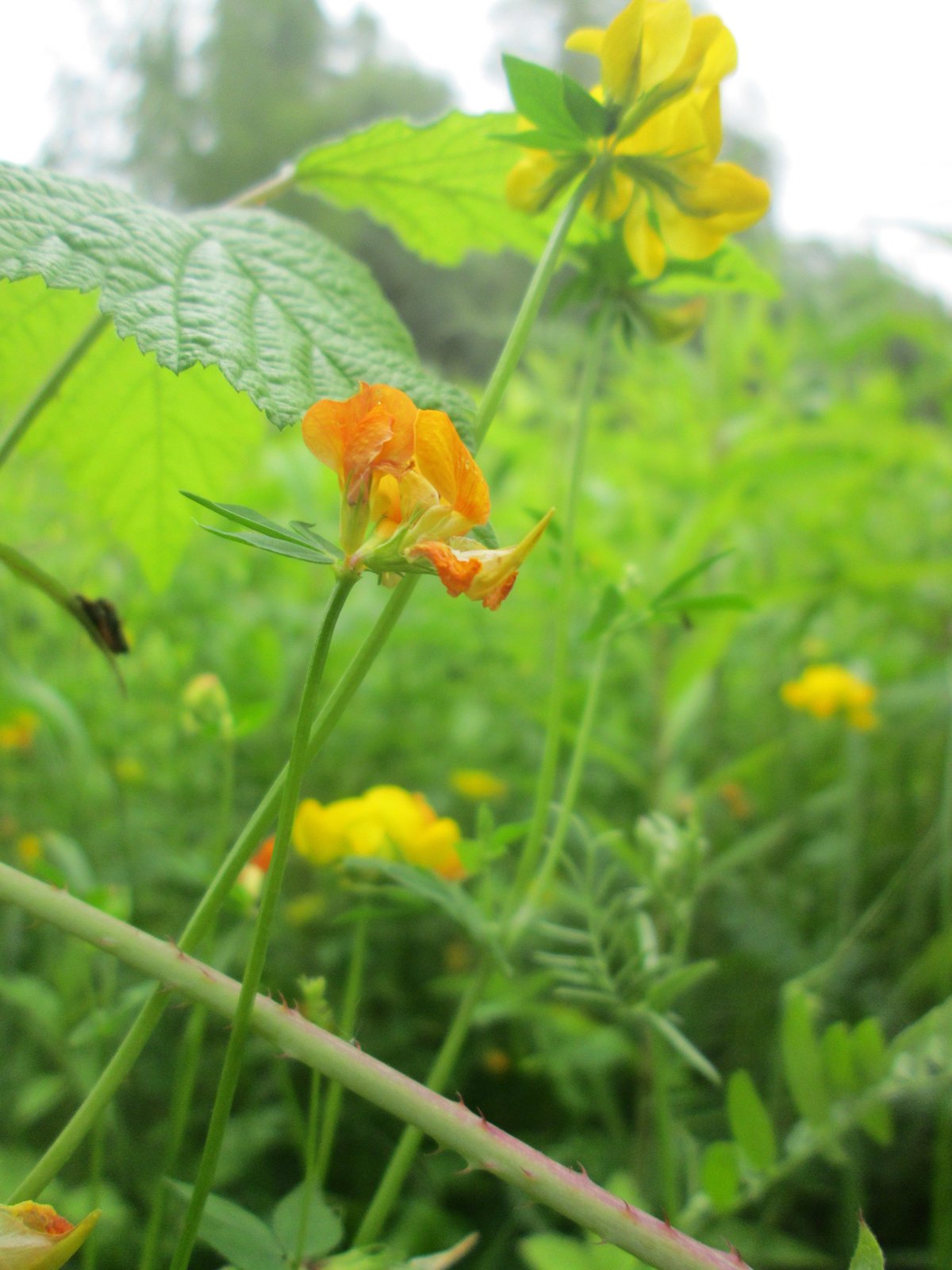
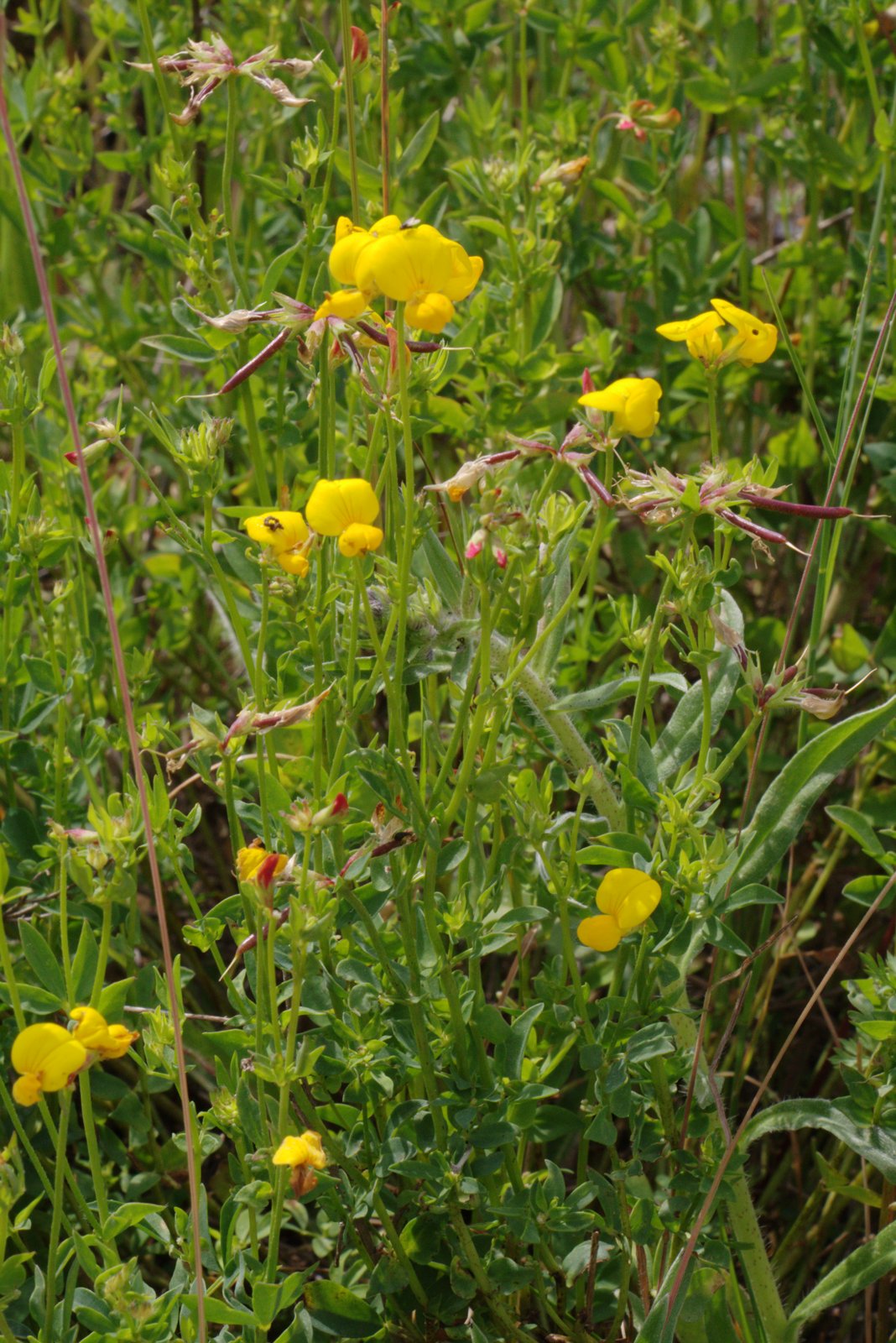
Pleniflorus is trefoil dressed for a garden party: the same species as the forage crop, but a double-flowered form — each bloom a ruffled, doubled-up version of the single yellow pea flower — on a plant that only reaches 3 to 4 inches tall. It is still a fast spreader, filling a 2-foot area within a year from a single plant, by runners and by seed. The leaves keep the family joke (five leaflets pretending to be three), and the pods keep the bird’s-foot shape, though with double flowers you may get fewer of them — doubled blooms are showier, and pollinators sometimes find the singles easier to work, a fair trade to know about before you plant a pollinator patch of it. It is also sold under the name ‘Plenus’ for the same double form; if a seller lists Plenus, you are looking at the same plant. The straight species portrait is in the bird’s-foot trefoil species guide.
Why this variety
Pleniflorus is the trefoil for people who do not own a pasture. Where the forage varieties are bred for tons per acre, this one is bred — or rather, selected and kept — for inches of height and feet of spread: a tough groundcover for full sun that tolerates foot traffic, survives mowing and shearing, and suits the spots other groundcovers fail: between stepping stones, along a sunny border edge, in a rock garden, spilling over a low wall, or as a low-mow lawn alternative where grass sulks. It is hardy in zones 4–9, grows in almost any soil type, and tolerates occasional drought once established — the classic trefoil deal of thriving on neglect, shrunk to garden scale.
The honest warning comes with the plant: it spreads quickly and aggressively, by runners and by seed, and one nursery reference flags outright that it may not be suitable for every garden. That is not a reason to avoid it; it is a reason to plant it where spreading is the job — a bank, a gap, a strip you want covered — and not where its neighbors are shy, slow, or precious.
How to grow
Plant Pleniflorus in full sun and almost any well-drained soil — sandy, loamy, or clay, rich or poor, acid to alkaline, down to pH 5.5. Space plants 12 to 24 inches apart and let them run; a single plant fills a 2-foot area within a year, so a small number of starts covers a surprising amount of ground. Nursery plants and divisions are the usual way in — double-flowered forms do not reliably come true from seed, so buy the plant, not a packet, if you want the double blooms. Set divisions in spring or early fall, water them in, and keep the soil moist until they are rooted; after that, occasional drought is fine.
Mowing, shearing, and dividing are your three management tools, and Pleniflorus tolerates all of them. Mow or shear after the main flush of bloom to keep it dense and low and to check seed spread; divide crowded clumps in spring or fall to rejuvenate them and to stock the next gap. It tolerates foot traffic, so a path edging or stepping-stone planting is a legitimate use, not a punishment. Like all trefoils it fixes nitrogen through rhizobium nodules, so it feeds itself and quietly improves the soil it covers — a groundcover that pays rent.
Water & feeding
Water new plantings until established, then back off: Pleniflorus tolerates occasional drought and prefers well-drained soil to wet feet. It needs no fertilizer program to speak of — its nitrogen-fixing nodules handle the nitrogen, and its tolerance of poor soil is the point. A light top-dressing of compost in spring is plenty on truly starved ground; heavy feeding just produces soft, floppy growth that then needs shearing sooner. In a container or rock garden, the same rule holds: water when dry, feed rarely, and let the plant’s toughness do the work.
Common problems
Over-spreading is the main problem, and it is a problem of success: runners and seedlings show up where they were not invited. Mow or shear after bloom before seed ripens to cut the seed supply, edge the bed where it meets lawn or delicate plantings, and pull stray seedlings while they are small — they pull easily when young and anchor hard when old. In wet, poorly drained soil, crown rot can thin a stand the same way it thins forage trefoil; the fix is drainage, not chemicals, since the plant chose the wrong address, not the wrong treatment.
Legginess after bloom is normal, not failure: shear it back and it re-flushes denser than before. And if a patch stops flowering well, it is usually crowded and ready to divide — lift, split, replant the vigorous outer pieces, and compost the woody centers. A divided trefoil is a rejuvenated trefoil.
Harvest
There is no harvest in the forage sense — the crop here is coverage and flowers. Shear after the main bloom for a tidy carpet and a possible second flush, let some flowers stand for bees if the patch is in a pollinator corner, and divide in spring or fall whenever a patch outgrows its welcome: every division is a free plant for the next sunny gap. Leave some seed heads if you want volunteers to fill thin spots, or shear before seed sets if you want the patch to stay exactly where you put it.
Florida note: Pleniflorus is hardy in zones 4–9, which puts the peninsula outside its proven range — the same honest geography as the forage trefoils, with the same cool-temperate caveat. In the warmest parts of the state, treat it as a container or cool-season trial, not a permanent groundcover, and expect summer heat to be the limiting factor. The dwarf double trefoil is a real plant with real virtues; they just belong to a cooler climate than a peninsula summer.
Browse all plant & pest guides
Saving seeds
Pleniflorus is the trefoil for people who do not own a pasture. Where the forage varieties are bred for tons per acre, this one is bred — or rather, selected and kept — for inches of height and feet of spread: a tough groundcover for full sun that tolerates foot traffic, survives mowing and shearing, and suits the spots other groundcovers fail: between stepping stones, along a sunny border edge, in a rock garden, spilling over a low wall, or as a low-mow lawn alternative where grass sulks. As a double-flowered trefoil it is kept true by divisions, not by seed: double-flowered forms do not reliably come true from seed, so buy the plant, not a packet, if you want the double blooms. Set divisions in spring or early fall, water them in, and keep the soil moist until they are rooted. The full method is in the Saving seeds section of the Birds Foot Trefoil guide.