
To Till or Not to Till: The Honest Florida Guide to Digging, Not Digging, and the Bugs Underneath
Every gardening argument eventually becomes a tilling argument. One camp treats the rototiller like a war crime against Mother Earth. The other camp treats no-dig gardeners like people who enjoy feeding caterpillars. Both camps are half right, both are half wrong, and your soil — especially if it is Florida sand — does not care about your team jersey. It cares about structure, food, water, and how many things are currently eating your eggplant from below.
Here is the honest version: tilling is a tool, not a moral position. No-dig is a strategy, not a religion. And the thing nobody tells you when you pick a side is that whichever side you pick, the bugs are going to vote too — with their mouthparts, in your soil, all winter long. This guide covers what tilling actually does to soil, what no-dig actually preserves, when each one earns its keep, and — the part most guides skip — how to keep the underground pest population from turning your virtuous undisturbed bed into an all-you-can-eat nursery. Including five field-tested methods from a Florida gardener who has strong feelings about plastic and will tell you so.
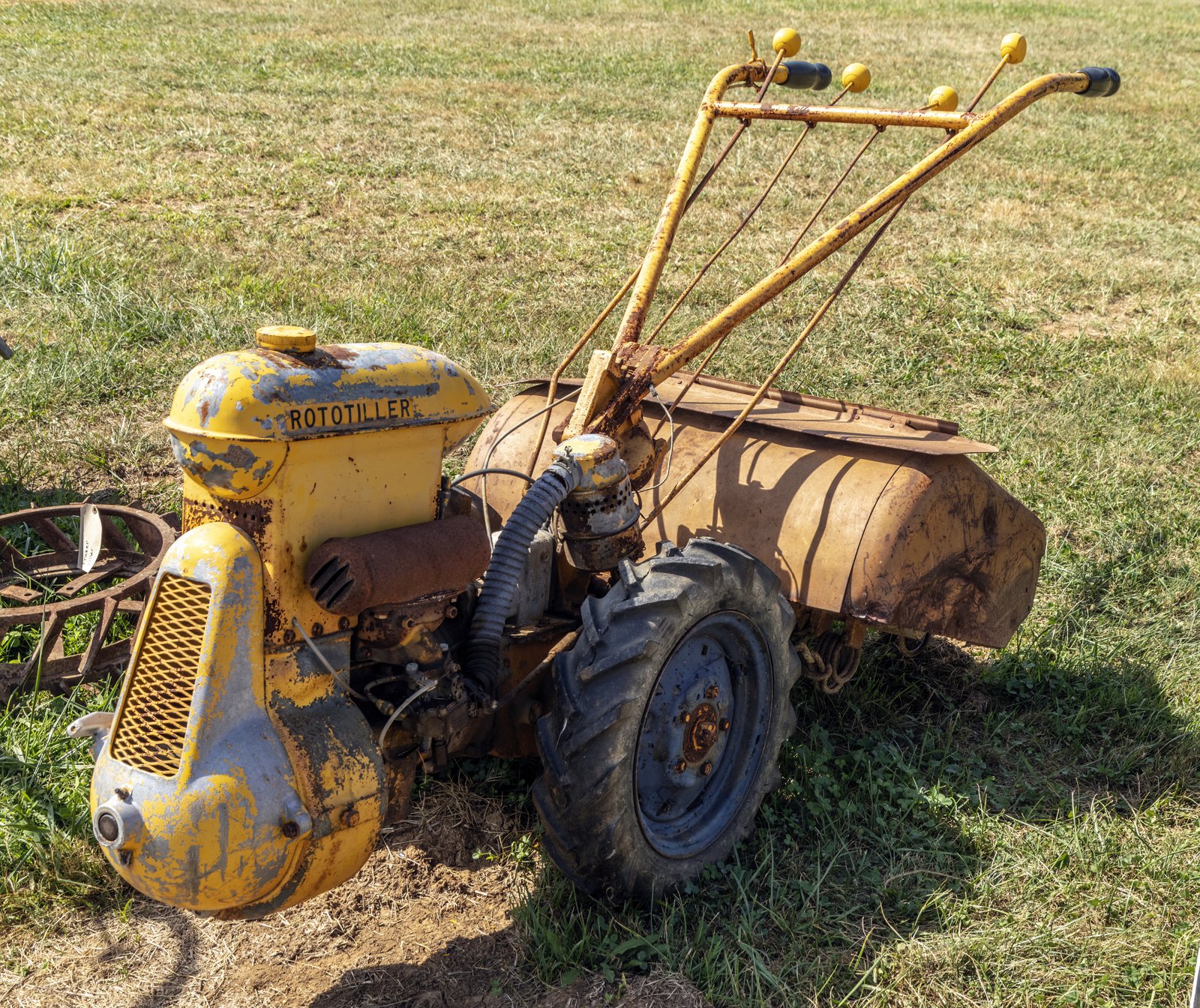
First, Your Soil Is a City
Before you decide whether to till, you need a mental picture of what you are tilling. Soil is not dirt. Dirt is what you sweep off the porch. Soil is a city.
The buildings are aggregates — little crumbs of sand, silt, clay, and organic matter glued together by fungal threads, bacterial slime, worm mucus, and root exudates. Good aggregates are why good soil feels crumbly instead of powdery or bricklike. Inside and between those crumbs are pores: hallways for air and water. The highways are fungal networks — mycorrhizae and friends — stretching astonishing distances on a garden scale, shuttling nutrients and water to roots in exchange for plant sugars. The citizens are bacteria, fungi, protozoa, nematodes (more on those later, because the word “nematode” causes unfair panic), springtails, mites, and the undisputed mayors of the whole operation, earthworms.
And the pantry is CEC — cation exchange capacity, which is just a fancy way of saying “how many nutrient ions the soil can hold onto its shelves instead of letting them wash away.” Florida sand has a small pantry. That is the whole Florida soil story in one sentence: sand holds almost nothing, so everything you do to build organic matter and structure matters more, not less.
Tilling is, in this metaphor, running a bulldozer through the city. Sometimes the city needs a bulldozer. Sometimes the bulldozer is how you got a condemned neighborhood. The question is never “is tilling evil.” The question is “what does this particular bed need this particular year, and what will it cost?”
What Tilling Actually Does (the Good, the Bad, and the Pulverized)
Let us give the rototiller a fair hearing before we sentence it.
The good. Tilling mixes things fast. Compost, lime, and amendments get distributed through the root zone in an afternoon instead of waiting seasons for worms and rain to do it. It breaks up compaction, warms cold soil by exposing it to air and sun, and — the reason this guide exists — it wrecks the winter homes of soil-dwelling pests. Grubs, pupae, and overwintering larvae that were tucked safely underground get flung into the open, dried out, chilled, or eaten by birds. For a bed that has become a pest nursery, that is a real, mechanical reset button.
The bad. Those spinning tines do not discriminate. They shred fungal highways, smash aggregates into dust, and collapse the pore hallways that let air and water move. Organic matter that was safely tucked inside crumbs gets exposed to air, and soil microbes throw a feast — which sounds nice until you realize the feast burns through your organic matter fast, especially in Florida heat. A tilled bed often looks fluffy and gorgeous on day one and then settles into something denser and deader than before, because the structure that held it open is gone. Tilling also dredges up weed seeds from deeper down and plants them right at the surface, like a very unhelpful volunteer reseeding your weeds for you. And if you till wet soil, you can create a compacted pan just below tilling depth — a hard layer that roots and water both hate.
The Florida twist. Florida sand does not behave like the heavy clay soils in most tilling debates. Sand never had much aggregate structure to begin with, and it does not hold together the way clay does — which means tilling sand is less like demolishing a brick city and more like stirring a sandbox. The damage is real but different: you still shred fungi and burn organic matter, and in our heat that organic matter burns off fast. But you are also less likely to create the classic clay tillage pan, and more likely to watch everything you mixed in leach straight down with the next thunderstorm. Florida gardeners who till and then wonder where all their compost went: it went down. Sand is a sieve with ambitions.
What No-Dig Preserves — and What It Costs
No-dig gardening — layering compost and mulch on top and letting worms and fungi do the mixing — is genuinely wonderful for soil structure. The fungal highways stay intact. Aggregates build year after year. Worms multiply. Water soaks in instead of running off. Weed pressure drops because you stopped excavating the weed seed bank every spring. Your back sends you a thank-you card. For established beds, it is hard to beat.
But no-dig has a cost that almost nobody talks about until they are staring at lacey eggplant leaves in July: undisturbed soil is undisturbed housing. The same peace and quiet that lets fungi and worms thrive also lets pest insects overwinter in comfort. Flea beetle pupae, grub larvae, root weevils, wireworms, and assorted soil-dwelling villains settle into a bed you never disturb, survive the winter in far greater numbers, and emerge in spring to a garden full of exactly the plants they like to eat. Year one of no-dig is often glorious. Year two or three can feel like the neighborhood pest population got your address and told their friends.
That is not a reason to abandon no-dig. It is a reason to stop treating no-dig as “do nothing forever” and start treating it as “disturb on purpose, on a schedule, with a plan.” Which brings us to the real subject of this guide: how to keep the pests in check without nuking the soil city you spent years building.
Florida Changes Everything (Yes, Again)
Most tilling advice is written for places with actual winters. Florida is not most places. Our “winter” in much of the state is a light frost and a sweater, which means:
Pest pressure never really clocks out. In a cold climate, a hard freeze does a lot of your pest control for free. In Florida, many soil pests just slow down, burrow a little deeper, and wait for the next warm week. An undisturbed bed here is a year-round nursery, not a seasonal one. That makes the pest-mitigation section below more important for you than for a gardener in Vermont, not less.
Organic matter burns off fast. Heat plus moisture equals microbial metabolism on overdrive. The compost you lovingly layered in spring may be substantially gone by fall. This is why Florida no-dig beds need regular topping up, and why tilled beds here can go from fluffy to exhausted in a single season if you till without adding organic matter back.
Rain compacts and leaches. A Florida thunderstorm can hammer bare tilled soil into a crust and wash nutrients down past the roots in one afternoon. Bare soil is the enemy in every climate, but in Florida it is an emergency. If you till, cover the soil again fast — mulch, cover crop, something. Never leave it naked.
The nematode confusion. Florida gardeners hear “nematodes” and flinch, because root-knot nematodes (Meloidogyne species) are a genuine Florida nightmare — microscopic worms that knot up roots and stunt plants. Here is the crucial distinction: the beneficial nematodes in the pest section below are entomopathogenic nematodes — Steinernema and Heterorhabditis species — which hunt insects, not plants. They do not attack roots, they do not attack earthworms, and they are not the same creatures as root-knot nematodes. Same word, different animals, opposite jobs. If a product label says Steinernema or Heterorhabditis, it is the good kind. If your plants have knotted roots, that is the bad kind, and it is a different problem for a different guide.
When Tilling Actually Earns Its Keep
There are beds and years where tilling is the right call, and pretending otherwise is how people lose whole seasons to pests. Consider tilling when:
You are starting a new bed on compacted or weedy ground. Sod, construction-compacted soil, or a lawn that has been mowed into submission will not become garden soil by wishing. One good initial till to break the surface, mix in compost, and level the bed is honest work — and then you can go no-dig from there.
A bed has become a pest nursery. If you have had two or three seasons of escalating soil-pest damage — grubs in the lawn, flea beetles shredding everything, wireworms in the potatoes — a deliberate till is a reset, not a failure. You are choosing to trade some fungal network for a much smaller pest population. That trade is often worth it.
You need amendments deep, now. Lime, rock phosphate, or a big compost incorporation for a heavy-feeding crop sometimes needs to be in the root zone this season, not three seasons from now. Tilling gets it there.
And consider not tilling when: the bed is established and productive, the worm population is visibly thriving, you just spent years building structure, or the only reason to till is habit. “We have always tilled” is not a soil test result.
Shallow Tilling: The Couple-Inches Compromise
Here is the first piece of hard-won wisdom, and it changes the whole debate: rototilling destroys soil structure, but most people till too deep. All you need for most overwinter insect control is a couple of inches. A shallow pass disturbs the top layer where many pests overwinter, exposes them to air, cold, and birds, and breaks up surface crust — without pulverizing the deeper soil city or creating a deep compaction pan. Think of it as ruffling the bed’s hair instead of giving it a buzz cut.
Shallow tilling is also the version that plays nicest with Florida sand: you are not churning the whole profile into a sieve, you are just working the top few inches where the pests and the weed seeds and the crust live. Set the tiller shallow, go once, and then cover the soil again. If your tiller only has one depth setting — full destruction — borrow a different tool or use the broadfork below instead.
The Broadfork: The Middle Path (and a Workout)
If shallow tilling is the compromise, the broadfork is the philosopher’s answer: a big two-handled fork with long tines that you step on, rock back, and lift. It cracks and loosens the soil without inverting it. Nothing gets flipped upside down. The layers stay in order. The fungi get shaken but not shredded. And — this is the pest angle — it still disrupts the insect cycle: it breaks up overwintering pockets, lets cold air a little deeper into the soil (taking away some of the insects’ cozy insulation), and opens channels for air, water, and compost to work their way down.
Yes, it is more work than a rototiller. Nobody broadforks a half-acre for fun. But for a home garden bed, it is entirely doable, and Florida sand is actually kinder to broadforks than heavy clay — the tines slide in instead of fighting you. Work across the bed in rows, stepping on the crossbar and rocking back, and let the soil fall apart on its own instead of forcing it. You are aerating, not excavating.
The honest limits: a broadfork will not fix deep compaction in one pass, it will not mix amendments deep the way a tiller does, and it will not rescue a bed that is basically concrete. It is a maintenance tool and a pest-disruption tool, not a bulldozer. Use it for what it is good at.
The Pest Playbook: Keeping the Underground Population Down
This is the section that matters most, because it is the section most no-dig guides leave out. A bed you never disturb is a bed where pests overwinter in peace. Here is how to break that peace — gently, in IPM order, starting with the least disruptive methods and working up. These first five methods come from a Florida gardener’s own playbook, kept intact, cautions and all.
1. Fall Beneficial Nematodes: Send in the Hunters Before Winter
In late summer and early fall, apply generous numbers of beneficial nematodes — the Steinernema and Heterorhabditis species from the distinction above — who are masters at going after soil-dwelling pests before they get a chance to overwinter. The timing is the whole trick: you are hitting the pest population while it is still active in warm soil, before it settles in for the cold months. The nematodes hunt down grubs, larvae, and pupae underground, reproduce inside them (gruesome, effective, and entirely natural), and leave you with a much smaller spring emergence.
Practical notes: apply to moist soil, ideally in the evening or on a cloudy day, because these nematodes are sensitive to sun and drying out. Water the bed before and after application. Follow the package rate — products vary, and more is not automatically better. And remember the distinction: these are insect-hunting nematodes, not root-knot nematodes. You are adding predators, not pests.
2. The Late-Winter Tarp: Effective, and Yes, It Involves Plastic
Here is where the playbook gets honest about an uncomfortable truth. The gardener behind these methods will tell you straight: he detests the use of plastics in gardening. And he will also tell you that this option works. Both things are true, and you get to decide where your own line is.
The method: in late winter, before the soils start to warm up, lay silage tarps or large sheets of plastic over the soil. The tarp traps heat, the soil warms early, and the overwintering pests wake up, hatch, and move up in the soil — and find nothing to eat. No plants, no roots, no food. They die out. You have used their own spring awakening against them, like a restaurant that opens its doors and serves no food.
It works on weed seeds too, which is a bonus, and it works best when the tarp goes down before the soil warms — timing matters more than duration. Practical cautions: weigh the edges down well (Florida wind treats loose tarps as kites), remove the tarp before planting, and do not let plastic shred into your beds — pick up every scrap, because microplastic in soil is forever and nobody wants it. If the plastic part is a dealbreaker for you, the other four methods still stand on their own. No guilt, no gardening police.
3. Soil Drenches: Nematodes Again, BTI, Spinosad, and Arber
If you do not have an aversion to using organic insecticides as a soil drench, here is the bench, in order of gentleness:
Beneficial nematodes, fall and spring. The same Steinernema or Heterorhabditis species as method 1, applied in fall before soils get cold and again in spring as they start to warm up for early plantings. This combination is best for grubs, fungus gnat larvae, root weevils, and flea pupae — the exact cast of characters that overwinter in undisturbed beds. Fall knocks the population down before winter; spring catches the survivors before planting.
BTI. Bacillus thuringiensis israelensis — the BT in mosquito dunks, but in forms made for soil applications. BTI targets fly larvae, which makes it genuinely useful against fungus gnats in pots and beds. It is a bacterium, not a chemical, and it is specific enough that it does not go after everything in the soil. Follow the label for soil use, not the pond use.
Spinosad as a soil drench. Spinosad is a broader-spectrum approach — a fermented soil bacterium product that hits a wider range of insects. It works, and it is approved for organic growing, but here is the caution, kept intact: spinosad might be a moderate to mild risk for earthworms if you favor those. And if you are building a worm-friendly garden — which, if you are reading a Living Root guide, you probably are — that risk matters. Use it as a targeted tool for a real problem, not a routine drench, and follow the label exactly.
Arber. Another organic option is from Arber, a company that offers both insect and disease controls in its biologicals line — including a bio insecticide, a bio fungicide, and a bio protectant built on microbial and plant-extract ingredients. (Verified: Arber’s line exists and covers both insects and diseases; as with everything in this section, follow the label and treat it as one tool among several, not a magic bullet.)
One rule covers all drenches: they are tools for identified problems, not seasoning. Drenching on a schedule whether you need it or not is how you spend money, disturb soil life, and select for resistant pests all at once.
4. Shallow Till and Broadfork for Pest Disruption
This is method 4 from the playbook, and it doubles as the tilling advice from earlier — because the same shallow pass and broadfork work that preserves soil structure also disrupts the insect cycle. A couple of inches of tilling, or a broadfork pass, breaks up overwintering pockets, lets cold air a little deeper into the soil (taking away some insect protection), and lets air, water, and compost materials work into the soil better — all while not destroying soil structure the way deep tilling does. You get pest disruption and soil preservation in the same motion, which is about as close to a free lunch as gardening offers.
5. Do Not Over-Compost (Yes, That Is a Pest Method)
This one surprises people, because compost is supposed to be the good stuff. It is — until it is too much. Do not over-compost. Piling on compost season after season without a soil test can cause serious nutrient imbalances, salt buildup, and environmental damage to your garden — and create a heaven for pests. Overfed, salty, constantly-moist beds grow soft, lush plants that pests love, and the excess nutrients (especially phosphorus) can leach toward Florida waterways, where they cause problems far beyond your fence. The section below goes deeper on this, but the pest angle is simple: a balanced bed grows tougher plants that pests find less delicious, and a soil test tells you when to stop adding.
And when you are not sure what your soil actually needs, use the free expertise sitting in your own county: your county extension office, attached to a state university program — in Florida, that is UF/IFAS Extension — offers plant clinics and gardening advice through Master Gardener volunteers. They will look at your soil test, your pest damage, and your bed history and tell you what is actually going on, usually for free. If your garden is also a basis of revenue for you, there may be additional resources from the county extension agents who deal with the more commercial side of small farms. Use them. That is literally what they are there for.
More Methods Worth Adding to the Playbook
Crop rotation. Do not plant the same family in the same spot year after year. Pests that overwinter in a bed wake up expecting their host plant to be right there. When it is not — when last year’s tomato bed is this year’s bean bed — they starve, wander, or get eaten trying. Rotation is the oldest pest control in the book, and it costs nothing but a notebook.
Cover crops. A bed that is empty is a bed that is eroding, drying, and hosting pests. Florida summer cover crops like sunn hemp shade the soil, feed it, and break pest cycles; winter covers like oats or cereal rye do the same in the cool months. Cover crops also keep living roots in the soil, which keeps the fungal networks fed — the opposite of bare tilled ground.
Sanitation. At season’s end, pull spent plants, pick up fallen fruit, and do not compost diseased material in a home pile that never gets hot enough to kill pathogens. You are removing next year’s pest and disease housing. It is unglamorous and it works.
Trap crops and row covers. Plant a sacrificial crop pests prefer (nasturtiums for aphids, for example) away from your main crop, and cover vulnerable seedlings with insect netting or row cover until they are big enough to take some damage. Flea beetles on a seedling are a crisis; flea beetles on a big eggplant are an annoyance.
Predator habitat. Lacewings, ladybugs, ground beetles, and spiders eat pests for a living, and they need somewhere to live. A little undisturbed mulch, a few flowers for adult beneficials, and a reluctance to spray broad-spectrum anything — even organic anything — on a schedule will keep your predator population employed. The goal is not a sterile bed. The goal is a bed where pests have enemies.
Do Not Over-Compost: The Deep Dive
Let us linger on this one, because it runs against every instinct of a gardener who has been told compost is always good. Compost is good. Too much compost is a chemistry experiment you did not sign up for.
Compost carries salts. In small, sensible amounts, that is fine. In large, repeated amounts — especially in beds that are watered but not deeply leached, or in raised beds with no drainage — salts accumulate, and salt-stressed plants grow poorly and attract pests. Compost also carries phosphorus, and Florida soils plus Florida waterways are a sensitive combination: excess phosphorus that leaves your bed in runoff feeds algae in waterways, which is an environmental problem, not just a garden problem. And a bed that is constantly rich, moist, and soft is a pest paradise — fungus gnats in the top layer, grubs in the rich organic matter, soft growth that sucking insects adore.
The fix is gloriously boring: get a soil test before you add more. Your county UF/IFAS Extension office can tell you how to sample and where to send it, and the results tell you what your soil actually has and what it actually lacks. If phosphorus is already high, stop adding manure-based compost. If salts are climbing, back off and water deeply. Compost is medicine, and medicine has a dose. The soil test is the prescription pad.
This is also the section where the site’s own guides pick up the thread: leaf mold is a low-nutrient amendment — structure and water-holding without the salt and phosphorus load of heavy compost — which makes it a genuinely good choice for beds you have already fed well. And Living Soil for Florida Gardens covers the broader soil-building picture, while The Florida Fall Soil Reset walks through the seasonal reset that pairs naturally with the rhythm below.
The Florida Reset-Year Rhythm
Put it all together and you get a year that looks less like a war and more like a routine. This is a template, not a prescription — adjust it to your beds, your pests, and your back:
Late summer into early fall: apply beneficial nematodes while the soil is still warm and pests are still active. Pull spent summer crops, sanitize the beds, and plant a cover crop where beds will sit empty.
Fall: after the first real cool snap, shallow-till or broadfork the beds that had the worst pest pressure. A couple of inches, once. Then top with compost only if a soil test says you need it, and mulch.
Late winter: if you use the tarp method, lay it down before the soil warms — before the pests wake up, not after. Weigh it down, watch the wind, and pull it up before planting.
Spring: as soils warm for early plantings, a second nematode application for the beds that need it. Plant into mulch, not bare soil. Rotate families from last year. Cover seedlings that flea beetles love.
Through the season: watch, hand-pick, keep predator habitat, and resist the urge to drench on a schedule. Spray and drench for identified problems, not for anxiety.
Notice what this rhythm does: it disturbs the soil on purpose, at the moments when disturbance hurts pests most and soil life least, and it leaves the beds alone the rest of the time. That is the whole philosophy in one paragraph. Till like a surgeon, not like a demolition crew.
Till vs No-Dig FAQ
Does tilling kill all the life in my soil? No. It reduces fungal networks and disrupts structure, and it sets the soil food web back — but soil life rebounds, especially if you add organic matter and mulch afterward. Tilling is a setback, not a sterilization. The problem is tilling deeply and repeatedly, every season, without ever letting the web rebuild.
Is no-dig pest-free? Emphatically not. No-dig beds can have worse soil-pest pressure than tilled beds, precisely because nothing ever disturbs the overwintering population. No-dig is a soil strategy, not a pest strategy — you still need the playbook above.
Can I switch from one to the other? Yes, and most good gardeners do, bed by bed, year by year. Till a new bed once, then go no-dig. No-dig for years, then till one bad pest year as a reset, then go back to no-dig. The soil does not file a complaint about your inconsistency. It responds to what you do, not what you call yourself.
Do I need to till a brand-new bed? Not always, but often it is the honest answer for compacted or sod-covered ground. A no-dig start (cardboard, compost, mulch, wait) works beautifully if you have months to wait. If you want to plant this season on compacted ground, a single initial till is reasonable — then build from there.
Broadfork or tiller for Florida sand? For maintenance and pest disruption on established beds, the broadfork — sand is kind to it, and it preserves structure. For a first break of compacted ground or a full pest reset, a shallow tiller pass. For deep tilling every year: neither, if you can help it.
Are beneficial nematodes safe for my plants and worms? The Steinernema and Heterorhabditis species used for pest control target insects. They do not attack plant roots and they are not earthworm parasites. They are not the same organisms as root-knot nematodes, which are plant parasites. Same word, different animals.
Will a silage tarp hurt my worms? Worms mostly move away from the heat and the lack of food under a tarp, deeper or to the edges, and return when it comes off. It is a temporary disturbance, not a worm apocalypse — but it is one more reason to use tarps for a defined window, not as permanent mulch.
How do I know if I have over-composted? A soil test is the honest answer. Warning signs include a white salt crust on the surface, plants that look overfed but unhappy, climbing pest pressure in a bed you keep feeding, and phosphorus levels that are already high. When in doubt, test before you add.
The Bottom Line
Here is the deal, Florida gardener: your soil is a city, your sand is a sieve, and your pests never really take a winter off. Tilling is not evil and no-dig is not magic. The gardeners who do best are the ones who disturb on purpose — a shallow pass here, a broadfork there, nematodes in the fall, a tarp in late winter, a soil test before more compost — and then leave the beds alone to do their living-soil thing the rest of the time.
Start with the bed that gave you the most grief last year. Give it the reset rhythm: nematodes, a shallow pass or a broadfork, mulch, and a soil test before you feed it again. Watch what comes back. Odds are, what comes back is a garden that feeds you more than it feeds the bugs — which, at the end of the day, is the entire point. You are growing food for your family, not running an all-you-can-eat buffet for flea beetles.
And if you want to go deeper on the soil-building side: Fix Your Soil While You Nap covers the lazy end of soil improvement, The Lazy Gardener’s Guide to Starting a Garden covers starting beds the low-effort way, and the leaf mold guide covers the free amendment hiding in your yard right now. The soil city thanks you for reading. Now go disturb it — on purpose.
🌱 Keep learning
Three related guides worth reading next:
- Compost vs Worm Castings — How compost and castings differ — and when to use each.
- Mulch vs Compost — Mulch sits on top, compost goes in — know which job you need done.
- Know Your Amendments — A plain-English tour of soil amendments and what each one actually does.
🪱 Your Soil Needs This
Reading about healthy soil is great. Growing in it is better. Our small-batch, traceable worm castings are the shortcut your garden deserves.
Shop Worm Castings Subscribe & SaveEvery bag comes with a lot certificate. Know what's in your soil.