
🌿 Blue Warrior Big Bluestem
What it looks like
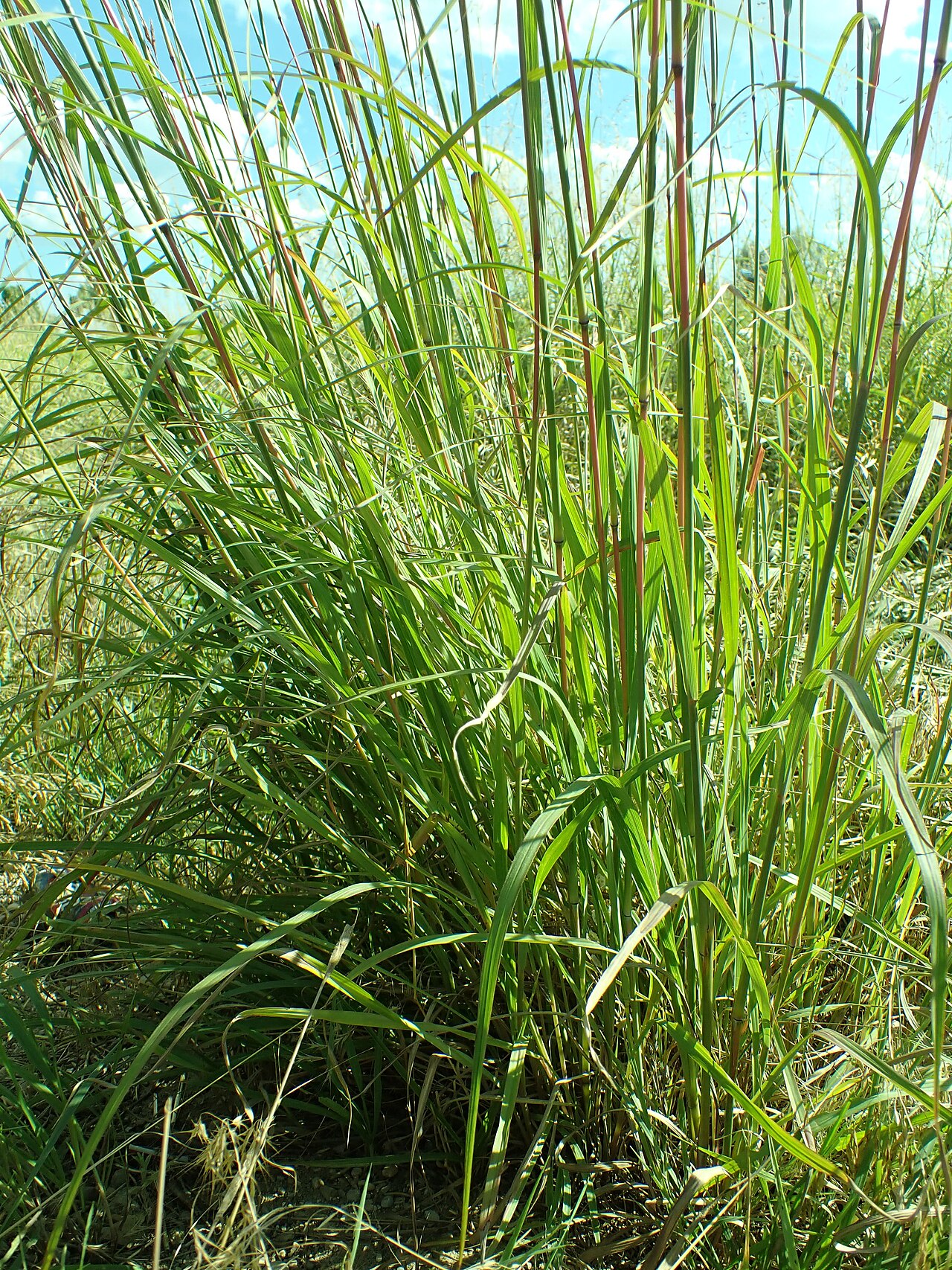
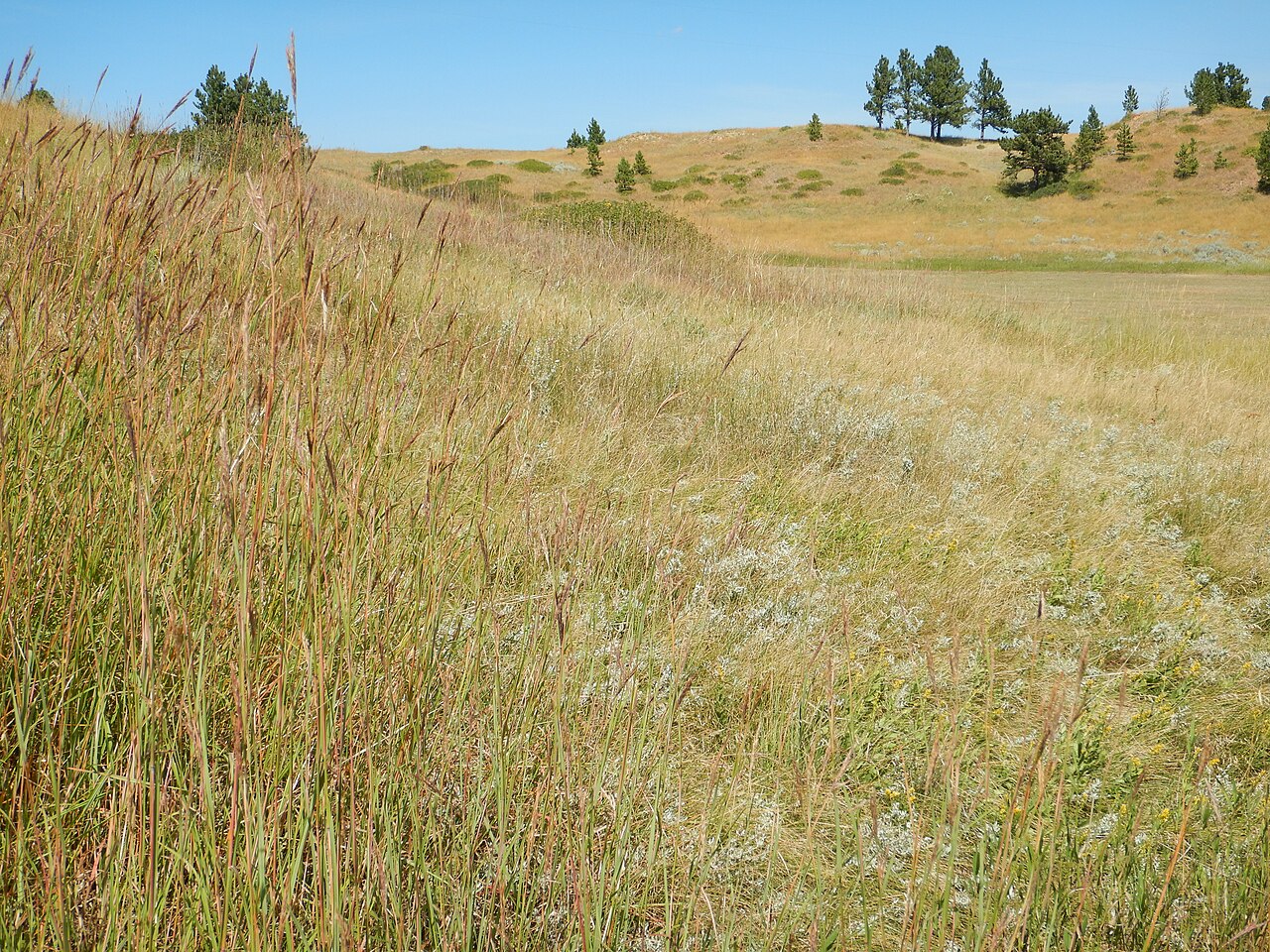
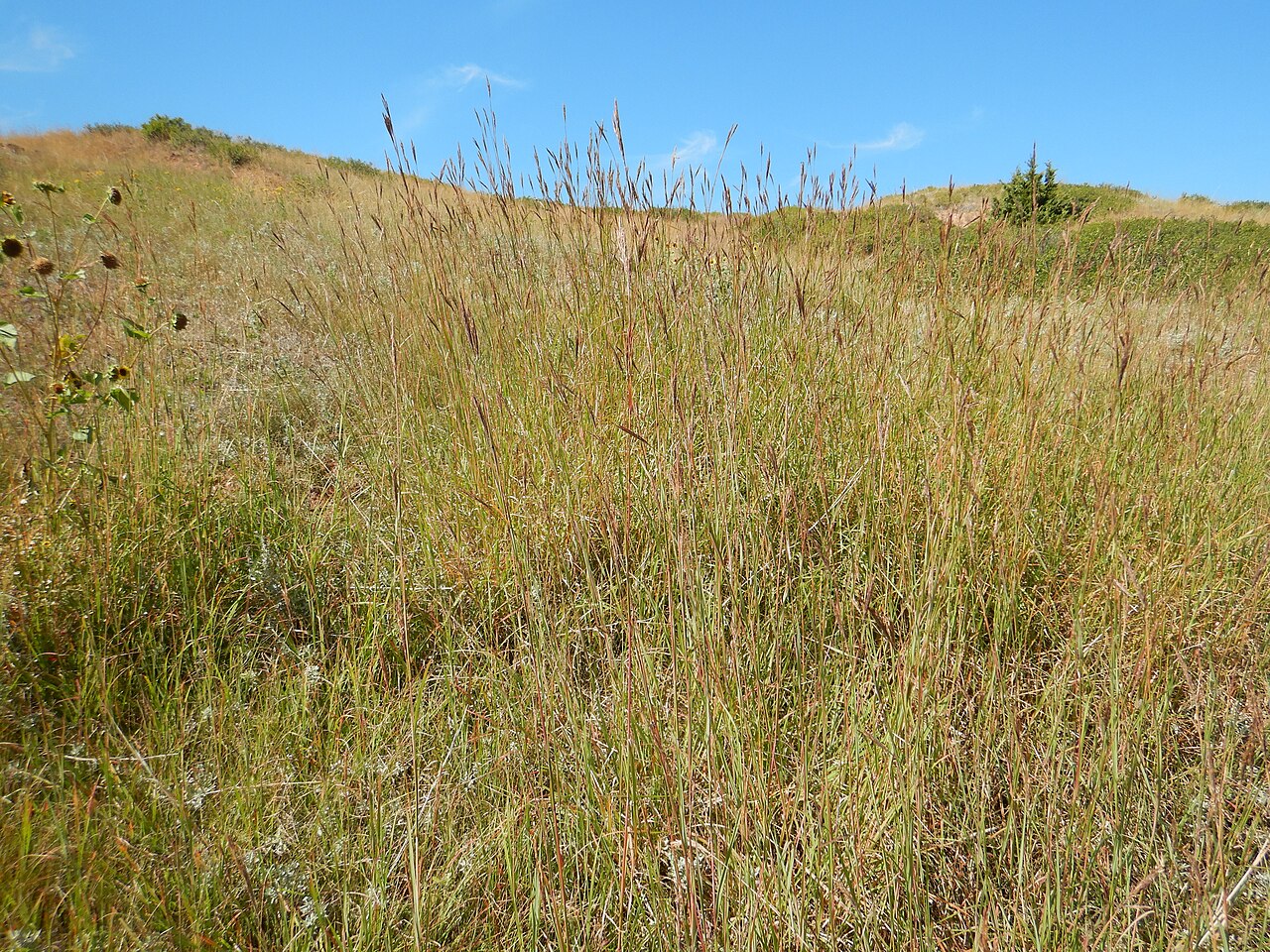
Blue Warrior is big bluestem with the color turned up. Like the species, it is a warm-season, clump-forming perennial grass: blue-green blades in spring, tall upright stems through summer, and the classic three-pronged seed head that earned big bluestem its old nickname, turkeyfoot. Where it differs from the straight species is in the bronze — nursery and garden references describe Blue Warrior as one of the selections bred for a deeper bronze color in stem and seed head, so the autumn show reads richer and darker than a typical seedling plant.
Expect a big grass, not a polite edging plant. The species reaches 4–8 feet tall in bloom, and Blue Warrior should be sited with that scale in mind: back of the border, prairie planting, or screen, never in front of a low perennial you actually want to see in September.
Why this variety
Plant Blue Warrior when you want a native grass that earns its keep in three seasons and then steals the show in the fourth. Spring gives you cool blue-green foliage, summer gives you height and movement, and fall gives you bronze-purple stems and seed heads that hold well into winter and feed birds. It is drought-tolerant once established, unbothered by most pests, and deer tend to leave it alone — the usual prairie-grass virtues, with a stronger fall color than the species.
The honest caveat is the same one that applies to all big bluestems: this is a tallgrass-prairie plant, not a lawn substitute. Give it room, give it sun, and do not plant it where its height will shade out everything behind it — because there is nothing behind it once it gets going.
How to grow
Plant in spring in full sun and lean, well-drained soil; big bluestem actually prefers soil that is not too rich, and overfed plants flop. Work worm castings into the planting hole rather than loading the bed with fertilizer, set plants 24–36 inches apart, and water deeply until established. Warm-season grasses are slow to wake in spring — do not panic if your neighbors’ cool-season grasses are up weeks earlier; Blue Warrior starts when the soil warms and then grows fast.
Cut the whole clump back in late winter before new growth starts, and leave the stems standing through winter for birds and winter interest. Divide every few years if the center thins, in spring as growth resumes.
Water & feeding
Water deeply at planting and through the first season, then back off. Once rooted, big bluestem is genuinely drought-tolerant and prefers soil that dries between waterings; constant wet feet, especially in winter, is the main thing it resents. In Florida, that means raised ground or a bed that drains fast after summer storms — a low spot that stays soggy will rot the crown faster than any drought will hurt it.
Feed lightly or not at all. A spring side-dress of castings is plenty; heavy nitrogen buys tall, floppy stems and fewer of the bronze tones you planted it for.
Common problems
- Flopping in rich soil or shade — site in full sun and lean soil; cut back and stake only as a last resort, since the fix is really the site.
- Crown rot in wet winter soil — the main risk in humid climates. Sharp drainage and no mulch piled against the crown are the prevention.
- Self-sowing into beds — big bluestem seed travels. Deadhead if you garden tightly, or leave heads for birds and pull volunteers in spring.
- Slow spring start — warm-season grasses wake late. Mark the spot so you do not dig it up in April thinking it died.
Harvest
There is no food harvest here; the harvest is ornamental. Cut stems and seed heads for dried arrangements from late summer into fall, when the bronze color is at its deepest. Leave the rest standing for birds through winter, then cut the clump to the ground in late winter before spring growth.
If you are growing it for prairie restoration rather than ornament, the same rule applies in reverse: let the seed ripen and drop where you want the planting to thicken, and mow or burn (where legal and safe) on a prairie schedule rather than treating it like a garden perennial.
See also: Big Bluestem: Growing Guide