
🌿 Sparks Cottonwood
What it looks like
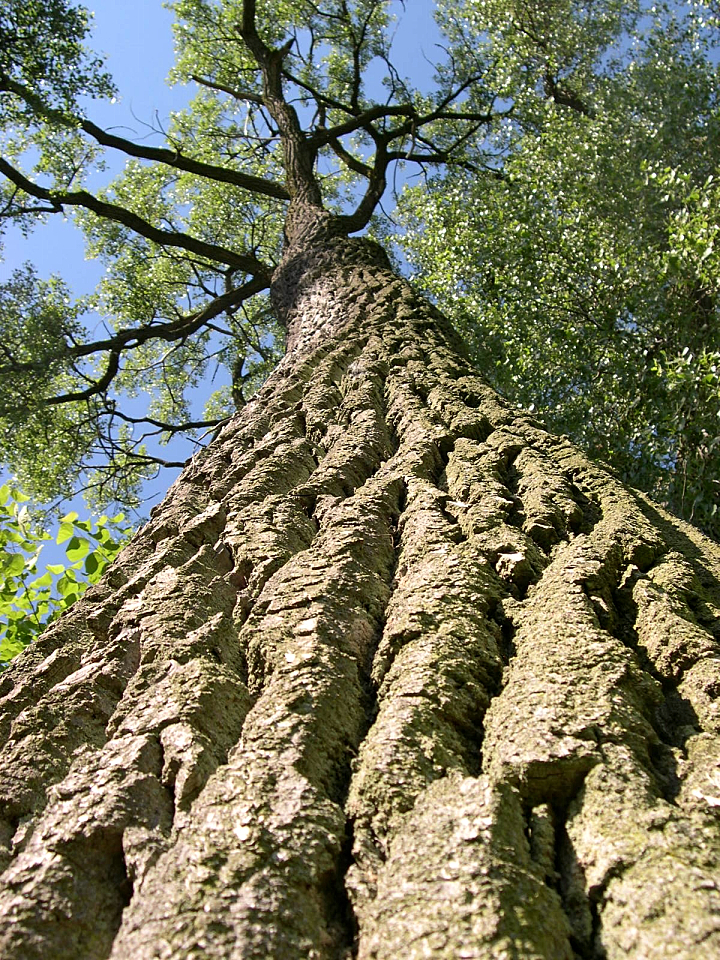
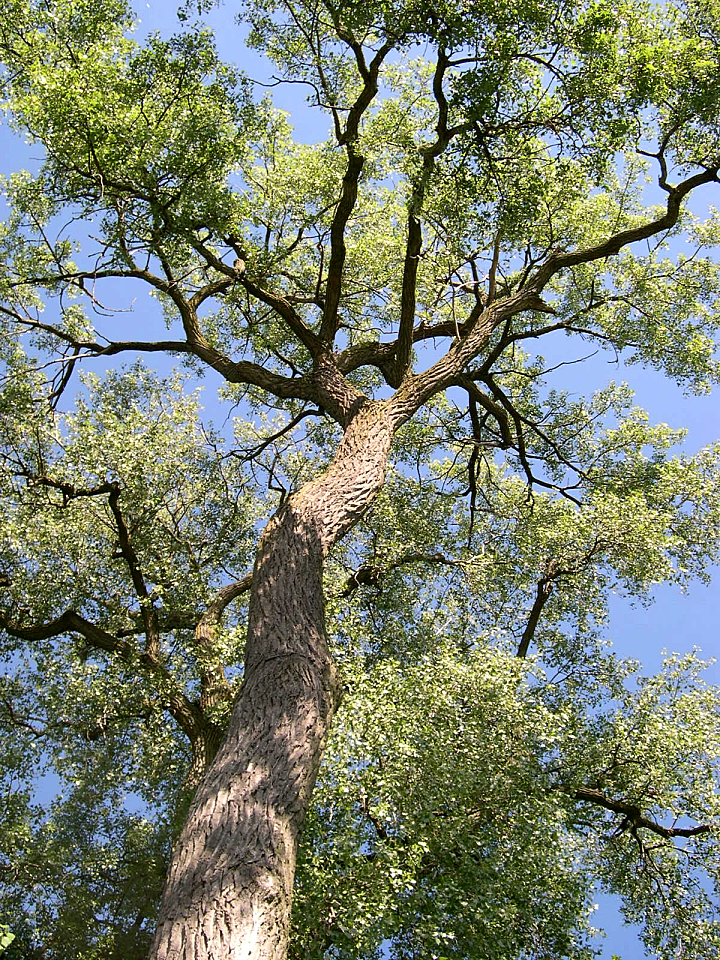
Sparks starts life as a pyramid and retires as a vase. Cornell’s woody plants database describes it as pyramidal in youth, becoming broad-vase shaped with age, with open, irregular branching and young stems and trunks in greenish-yellow. At maturity it is a very large tree, 75–100 feet tall and 50–75 feet wide — the kind of tree that defines a yard rather than decorating one.
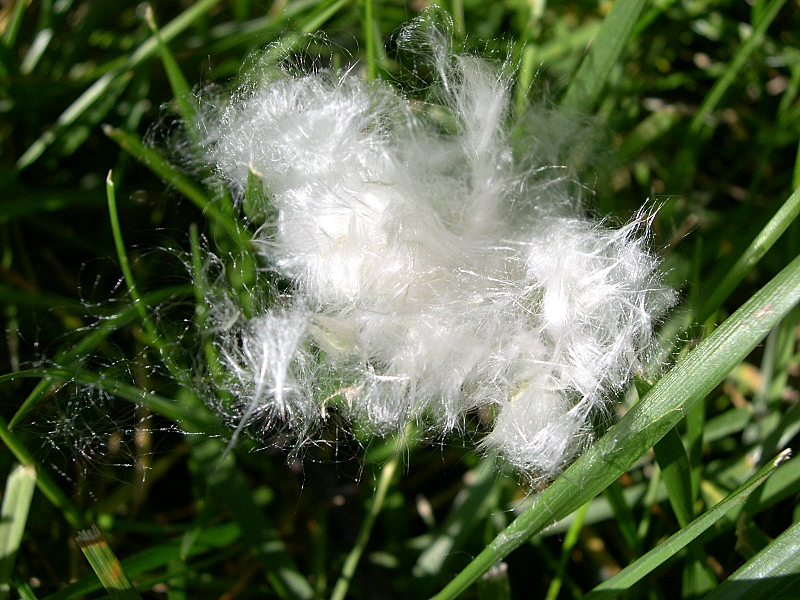
The leaves are the classic cottonwood triangle, fluttering on flattened leaf stalks so the whole canopy shimmers in a breeze. Like other cottonless selections, Sparks spares you the June snowstorm of seed fluff that gives cottonwoods their name and their enemies.
Why this variety
Plant Sparks when you need serious shade fast and you have serious room. Cottonwoods are among the fastest-growing temperate trees, and Sparks gives you that speed in a cottonless form, so you get the canopy without the fluff clogging gutters, pool filters, and air-conditioner coils. It is a tree for acreage, parks, windbreaks, and riverside plantings — not for a small suburban lot, and emphatically not near a house, drain field, or sidewalk.
The trade for that speed is weak wood. Cottonwoods drop branches, and every cottonwood guide worth reading says the same thing: plant it where a falling limb lands on grass, not on people or property.
How to grow
Plant in spring or fall in full sun and moist soil; cottonwoods tolerate a wide range of soils but grow best where water is plentiful, which is why wild cottonwoods line rivers. Dig a wide hole, set the tree at its nursery depth, water deeply, and mulch out to the drip line without piling mulch against the trunk. Space Sparks 50–75 feet from buildings, septic systems, drains, and other large trees — its roots are vigorous and thirsty and will find water wherever it is.
Prune while young to establish a strong central structure and remove crossing branches; mature cottonwoods are pruned mainly to remove dead or hazardous wood. Do not top a cottonwood — topping produces weak, fast regrowth that breaks more easily, which is the opposite of the goal.
Water & feeding
Water deeply and regularly while establishing, and expect a thirsty tree for life: cottonwoods evolved on floodplains and drink accordingly. In a dry site it will survive but grow more slowly and drop more branches; in a moist site it will grow at the alarming rate cottonwoods are famous for.
Feed only if growth is clearly poor. A spring application of balanced fertilizer or composted castings around the drip line is plenty; overfeeding a fast tree just buys weak wood faster.
Common problems
- Weak wood and branch drop — the defining cottonwood problem. Site away from people and property, and remove dead wood promptly.
- Aggressive roots near drains, foundations, and septic systems — keep the 50-foot-plus setback sacred.
- Canker and leaf rust in humid or stressed plantings — give it air, sun, and water, and remove badly cankered limbs.
- Litter: leaves, twigs, and (in female trees) fluff — Sparks as a cottonless selection avoids the fluff, but the twigs still fall.
Harvest
There is no food harvest; the harvest is shade, wind protection, and wildlife value. Cottonwood catkins feed early pollinators, the canopy hosts nesting birds, and fallen leaves feed the soil food web if you let them lie under the tree rather than bagging them.
If you are growing cottonwood for timber or biomass, that is a plantation decision with its own spacing and rotation — not a backyard project, and the weak wood that makes it a poor yard tree near houses is exactly why it is harvested young in those systems.
See also: Cottonwood: Growing Guide