
🌿 Populus deltoides subsp. deltoides
Botanical form, not a garden cultivar: this guide covers a naturally occurring variety/subspecies of the species, with the species' growing guidance where variety-specific cultivation notes have not been published separately.
What it looks like
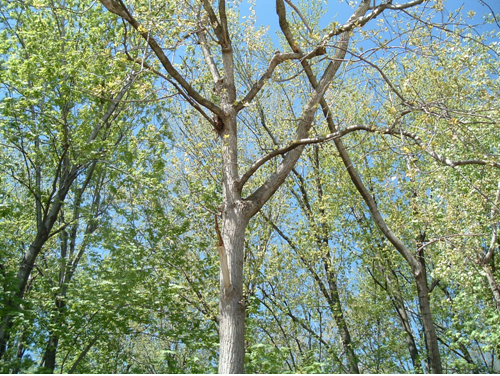
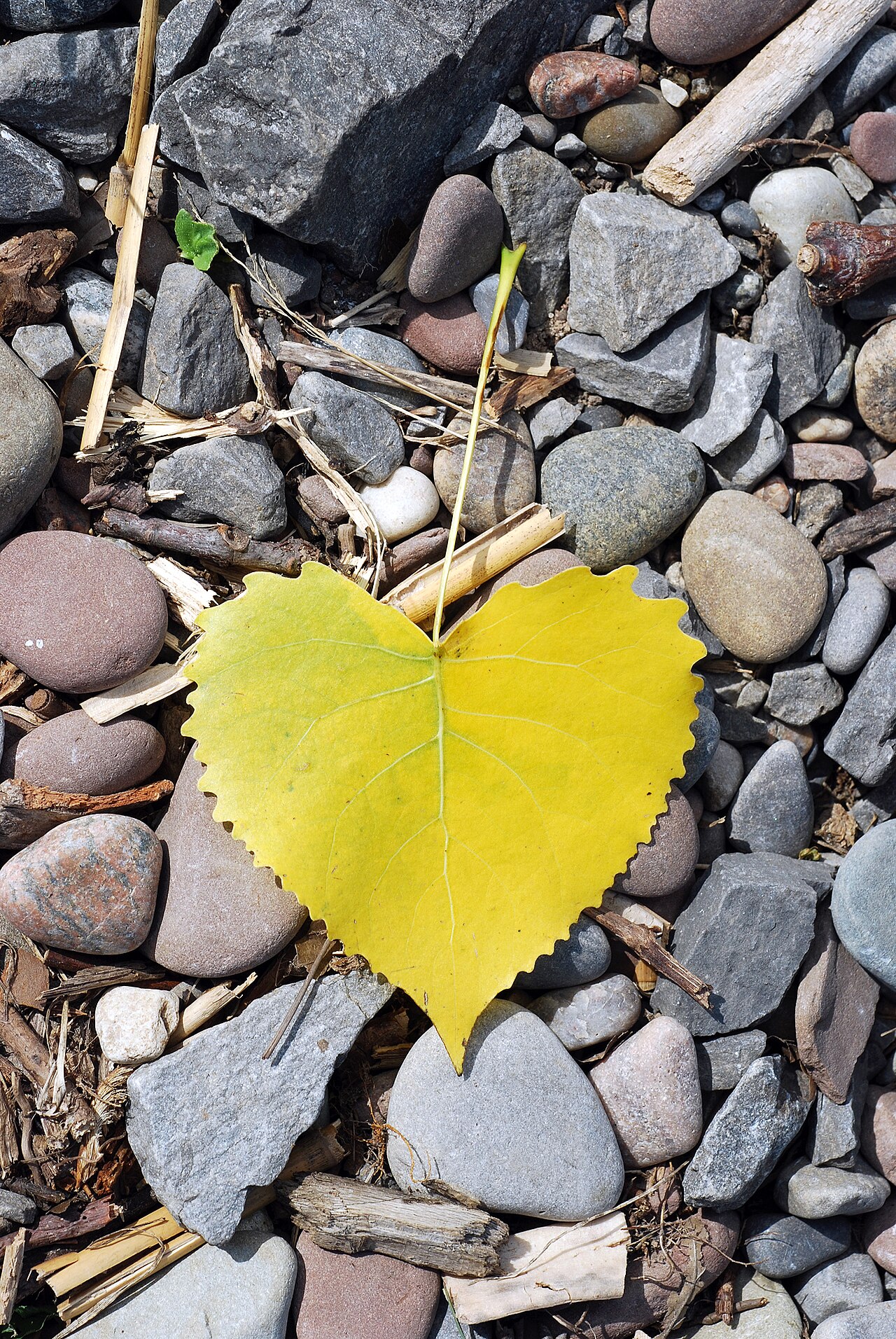
Subsp. deltoides is the eastern form and the autonym subspecies of eastern cottonwood — the form the species name is anchored to. It is one of the largest North American hardwood trees, 70–100 feet tall, with broad, triangular leaves 7–15 centimeters across at the base, deeply furrowed bark with age, and the classic cottonwood habit of lining rivers and floodplains.
Its range runs from southeastern Canada (southern Ontario and Quebec) through the eastern United States, west to North Dakota and Texas, and into northwestern Florida and Georgia at its southern edge. That southern edge is why Florida gardeners meet it at all — and why they meet it only in the far north, in wet ground.
Why this variety
Plant this form — or rather, appreciate and protect it — if you steward river bottomland in the eastern United States and you want the cottonwood that belongs there: fast-growing, flood-tolerant, a nesting and perching tree for birds, and a stabilizer of riverbanks. It is a working landscape tree, not a suburban ornamental, and its value is measured in shade, wildlife, and river health, not in curb appeal.
The cautions are the cottonwood cautions, at full scale: weak wood, thirsty roots, cottony seed from female trees, and a mature size that belongs on acreage.
How to grow
Plant in spring or fall in full sun and moist soil — river bottoms, floodplains, and low ground with reliable water are its home. Space 60–100 feet from buildings, drains, and septic systems, mulch widely, and water deeply through establishment. Prune young trees for structure, then mainly for dead wood; never top a cottonwood.
Female trees produce the famous cotton fluff; male or cottonless selections avoid it, but the subspecies itself includes both sexes, so a seed-grown tree is a coin flip on fluff.
Water & feeding
Water deeply and regularly while establishing; mature trees on river ground largely water themselves, but a planted tree away from water needs deep, regular soaking, especially in drought. Mulch helps hold that moisture.
Feed only if growth is clearly poor. River soil is usually fertile enough, and overfeeding buys weak wood.
Common problems
- Weak wood and branch drop — site away from people, houses, and power lines.
- Aggressive roots near drains and foundations — the setback is the prevention.
- Cotton fluff from female trees — plant male selections if fluff matters to you.
- Canker and rust in stressed plantings — sun, air, and water are the management.
Harvest
No food harvest; the harvest is shade, riverbank stability, timber, and wildlife value. Fallen leaves feed the soil food web under the tree, catkins feed early pollinators, and the canopy hosts birds.
For timber, eastern cottonwood is a fast-rotation hardwood — but that is a plantation decision, not a backyard one, and the weak wood that limits its yard use is exactly why it is harvested young in those systems.
See also: Cottonwood: Growing Guide