
🌿 Blonde Ambition Blue Grama
What it looks like
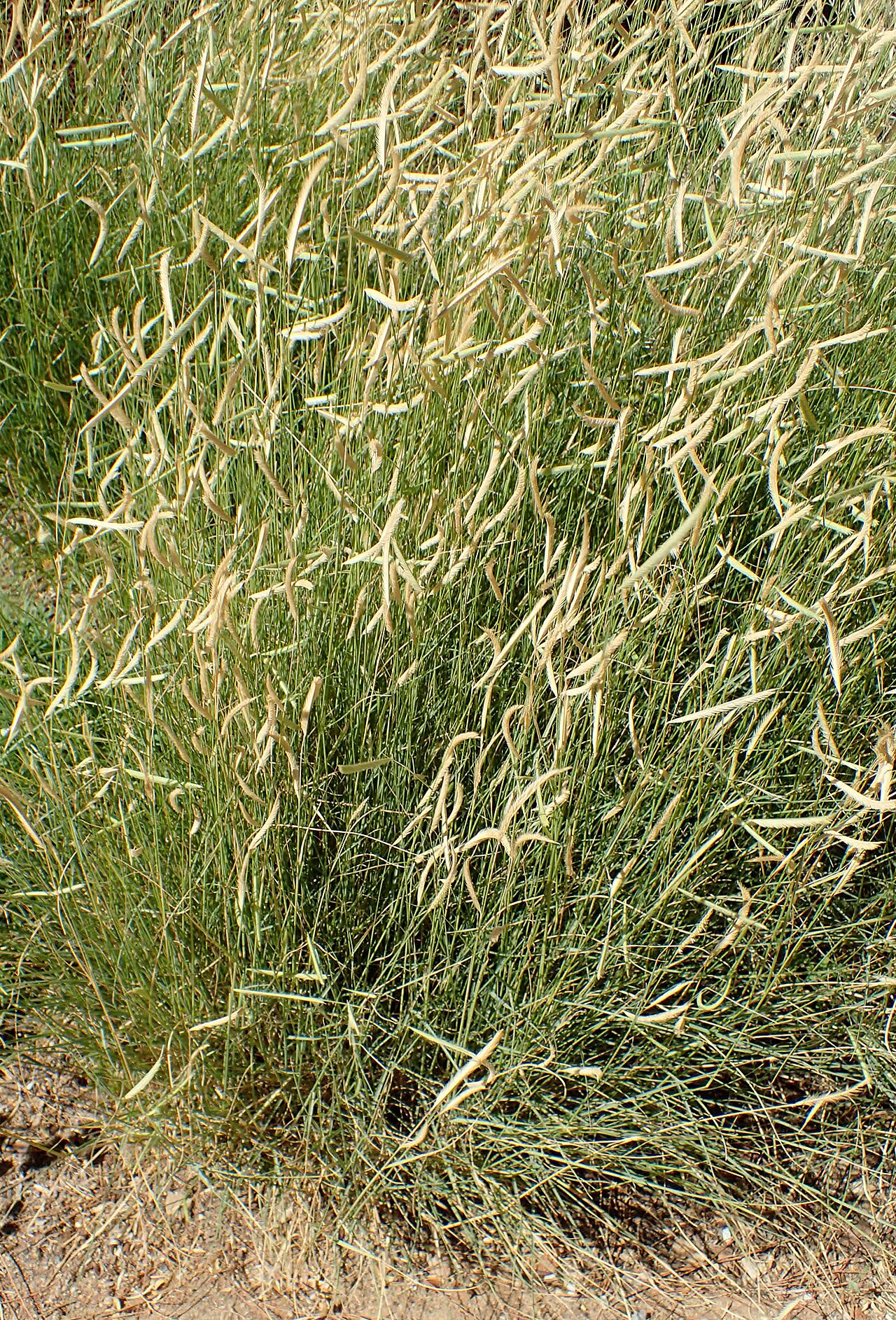
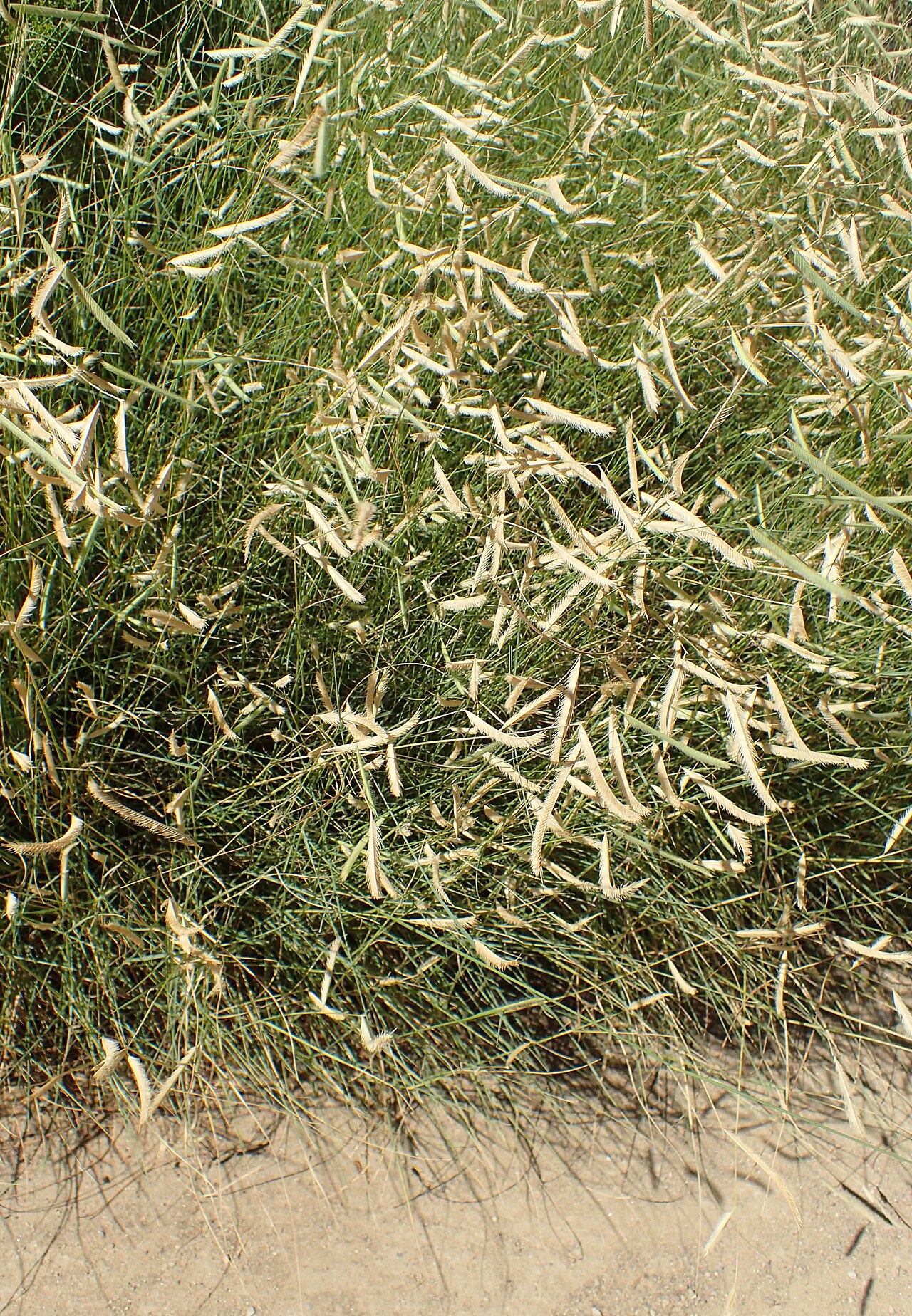
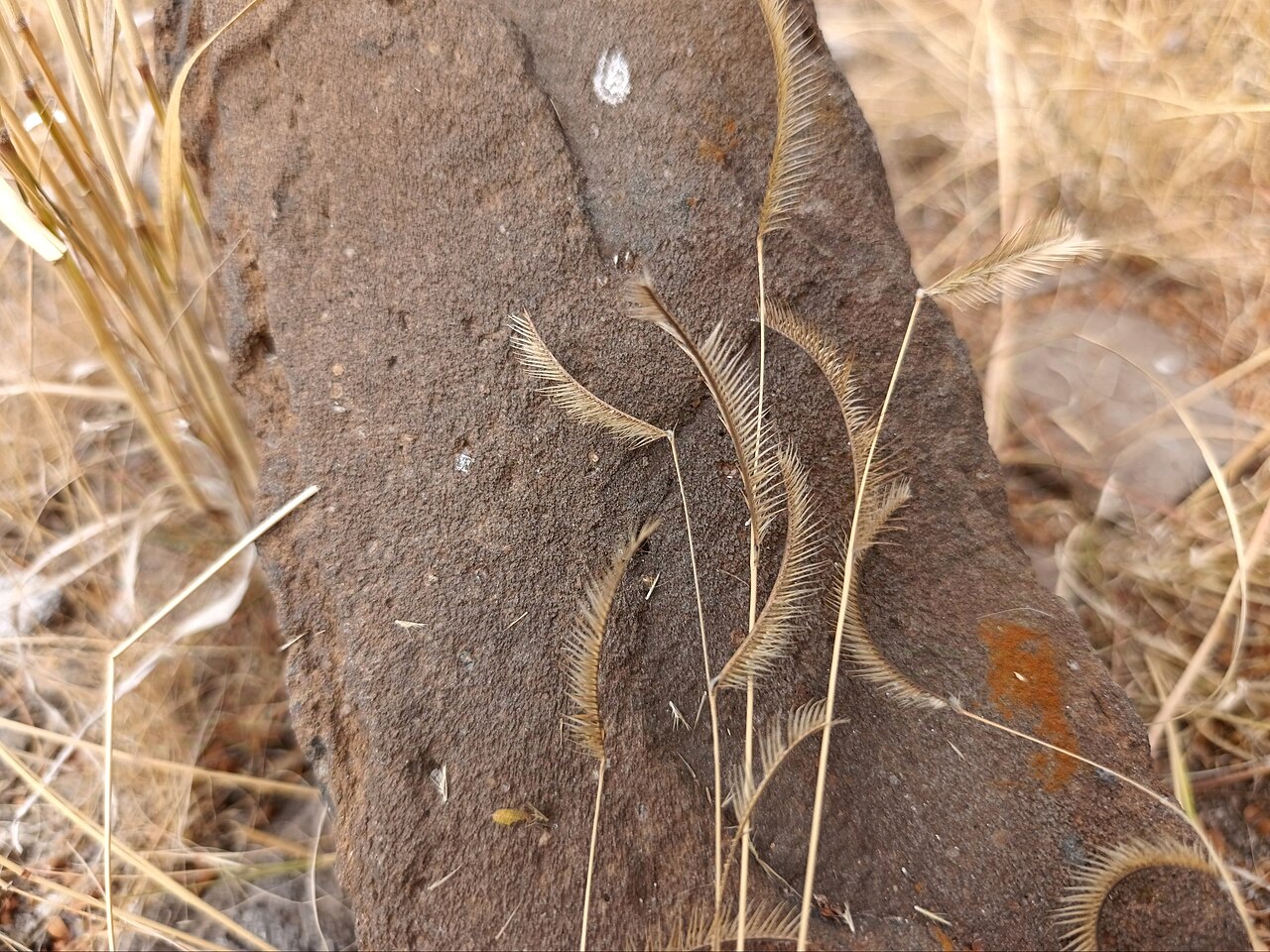
‘Blonde Ambition’ is the blue grama that stops traffic. It grows as a dense tuft of narrow, blue-green leaves, and then — the trick that made it famous — it throws up stiff stems carrying chartreuse flowers that mature into blonde, eyelash-like seedheads held at right angles to the stem, like eyebrows raised in permanent surprise. The effect is windblown and architectural at once: the seedheads catch light and move in the breeze, and they persist into winter, so the plant earns its keep for months. It grows taller and more vigorously than the species, to about 2 to 3 feet in flower, and it was found as a chance sport of ‘Hachita’ in a Santa Fe garden in 2007, then introduced by David Salman of High Country Gardens. It carries US plant patent PP22048, so buy plants rather than propagating it for sale.
Why this variety
Plant ‘Blonde Ambition’ when you want a native grass that behaves like an ornamental — drought-tolerant, deer-resistant, cold-hardy, and genuinely beautiful rather than merely virtuous. It is the best-known ornamental selection of blue grama for a reason: no other grass gives you that sideways seedhead display, and few plants of any kind give you four seasons of interest on almost no water. The trade-off is that it is still a dry-plains grass: it wants sun, drainage, and lean soil, and it will not thank you for rich soil, heavy water, or a humid summer. Give it the conditions it evolved for and it is nearly indestructible; give it a wet Florida bed and it will quietly decline.
How to grow
Plant ‘Blonde Ambition’ in full sun in well-drained soil — clay, loam, or sand all work if water does not stand. Space 18 to 24 inches apart for a drift, closer for a groundcover effect. Water to establish, then water sparingly; this grass is at its best on neglect, and overwatering makes it floppy and short-lived. It is a warm-season grass, so it greens up late in spring and goes dormant and tan in winter — plan the border so something else carries the winter color if that bothers you, or enjoy the blonde seedheads as the winter show.
Water & feeding
Low to very low water once established. Deep, infrequent soaks beat frequent sprinkles, and in a dry summer it may go drought-dormant — that is normal, not failure, and it greens up with rain. Feed little or nothing; rich soil produces soft growth that flops, and the plant’s whole charm is its stiff, upright carriage.
Common problems
Wet soil and shade are the killers — root rot in waterlogged ground and weak, sparse growth in shade. Overwatering is the most common gardener-caused problem. Deer leave it alone, pests are few, and disease is rare in the conditions it likes. In humid climates, give it maximum air flow and the sharpest drainage you can manage, and accept that it may be a shorter-lived plant than it is in the arid West.
Harvest
There is no vegetable harvest — the harvest is the seedhead display. Leave the blonde heads standing through fall and winter for structure and for seed-eating birds, then cut the whole clump back hard in early spring before new growth starts. If you want cut stems for arrangements, take them in late summer when the heads are fully blonde and stiff; they dry beautifully and hold their shape.
For the species as a whole, see the Blue Grama guide.