
🌿 Hachita Blue Grama
What it looks like
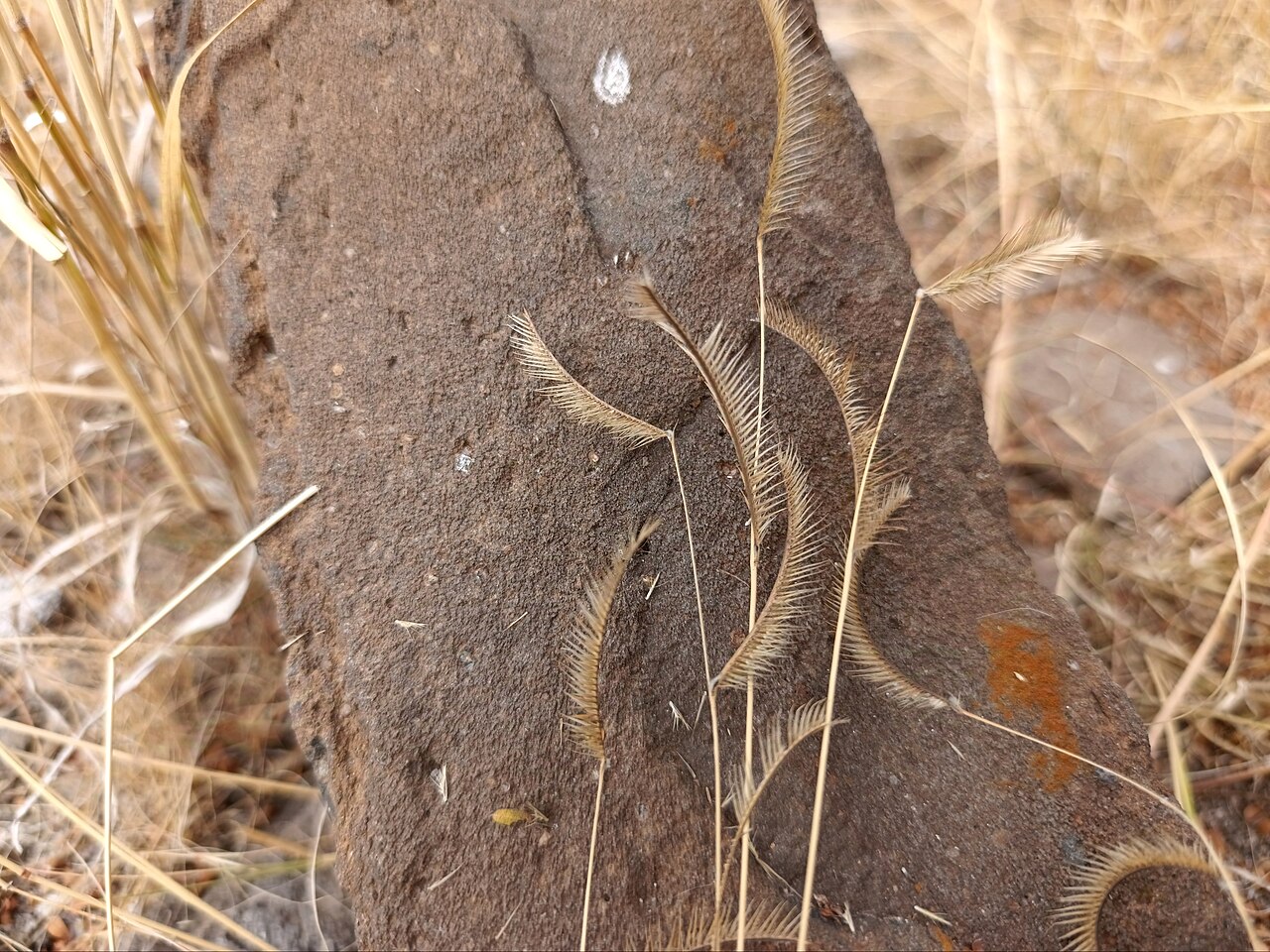
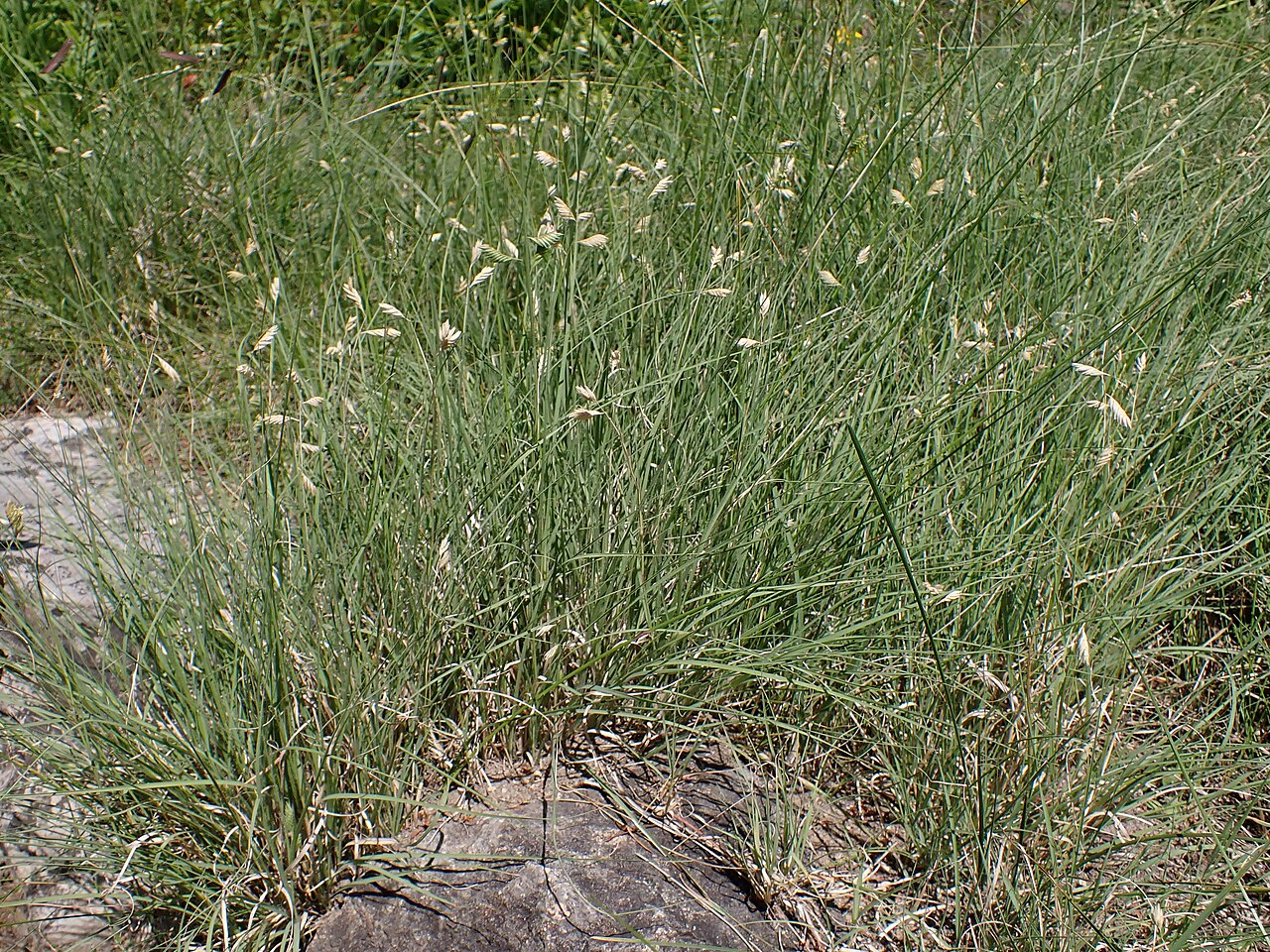
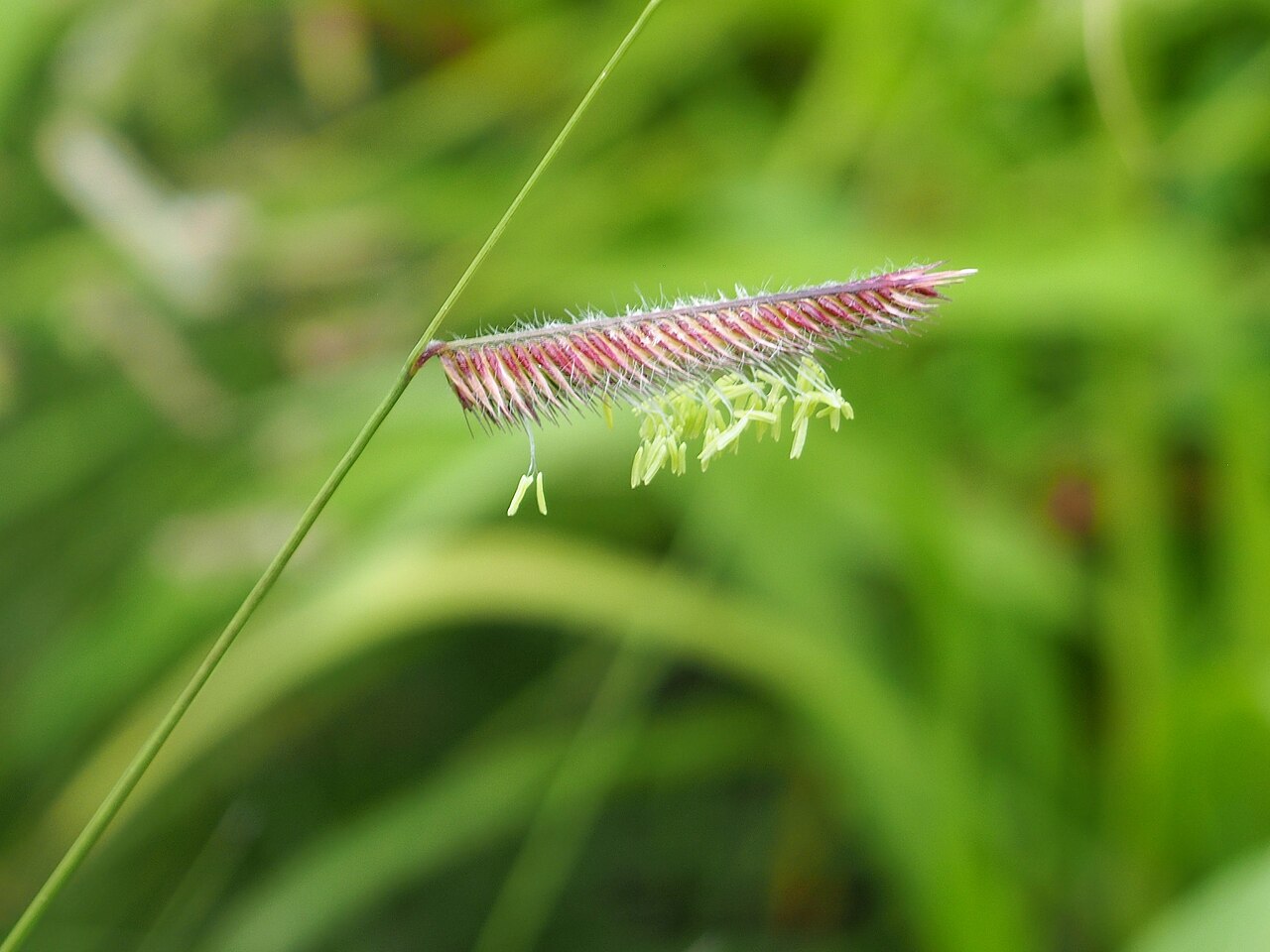
‘Hachita’ is blue grama in its working clothes: narrow, blue-green leaves forming dense mounds, with elongated, eyelash-like seedheads in summer that give the plant its mosquito-grass nickname. It grows about 4 to 15 inches tall as foliage, with flowering stems reaching 1 to 3 feet, and it keeps a tidy, uniform habit that made it a favorite for low-water lawns as well as restoration. Where ‘Blonde Ambition’ shouts, ‘Hachita’ hums — a fine-textured, silver-blue grass that looks like it belongs on a prairie, because it does.
Why this variety
Plant ‘Hachita’ when you need the toughest blue grama for the hottest, driest ground. Its provenance is the stuff of range-grass legend: source material collected in 1957 south of Hachita, New Mexico, in a zone getting just 250 millimetres of rain a year at 1,220 metres altitude, then released cooperatively in 1980 by the Los Lunas Plant Materials Center and the Colorado and New Mexico agricultural experiment stations. In New Mexico trials it was the most drought-tolerant of the blue grama materials tested, with uniform size, leafiness, excellent seedling vigor, and fast establishment. It is also the parent of the famous ‘Blonde Ambition’ — the sport that made blue grama fashionable was found growing in a ‘Hachita’ planting. Choose ‘Hachita’ for a low-water lawn you can mow, or leave unmowed for a natural meadow look; choose ‘Blonde Ambition’ for the border.
How to grow
Sow in warm, well-drained soil in full sun, no deeper than a quarter inch, or set out plants 12 to 18 inches apart. ‘Hachita’ thrives in sand or clay as long as drainage is good, and it cannot tolerate wet winters or standing water. Mow it for a soft lawn — it takes mowing well — or leave it unmowed and let the seedheads wave. It plays well with native perennials in a low-maintenance meadow, and it goes dormant in the cooler months, as warm-season grasses do.
Water & feeding
Water to establish, then water very little. ‘Hachita’ is built for 10 inches of rain a year; in a garden it wants deep, occasional soaks and long dry spells between them. Overwatering makes it soft and short-lived. Feed sparingly or not at all — fertility is not its limiting factor, water is, and too much of either one spoils the plant.
Common problems
Wet winters and waterlogged soil are the main killers, followed by shade, which thins it to nothing. It is otherwise notably trouble-free: few pests, little disease, and a tolerance for poor soil that most lawn grasses would envy. In humid climates it is a trial plant, not a lawn plan — give it the sharpest drainage and sunniest spot you have, or admire it in drier gardens.
Harvest
For a lawn, mow through the growing season and let it go dormant in winter; for a meadow, mow once in early spring before growth resumes. For forage, it is palatable and nutritious, and it cures well on the stem. Seedheads left standing feed birds into winter and look lovely doing it.
For the species as a whole, see the Blue Grama guide.