
🌿 Lovington Blue Grama
What it looks like
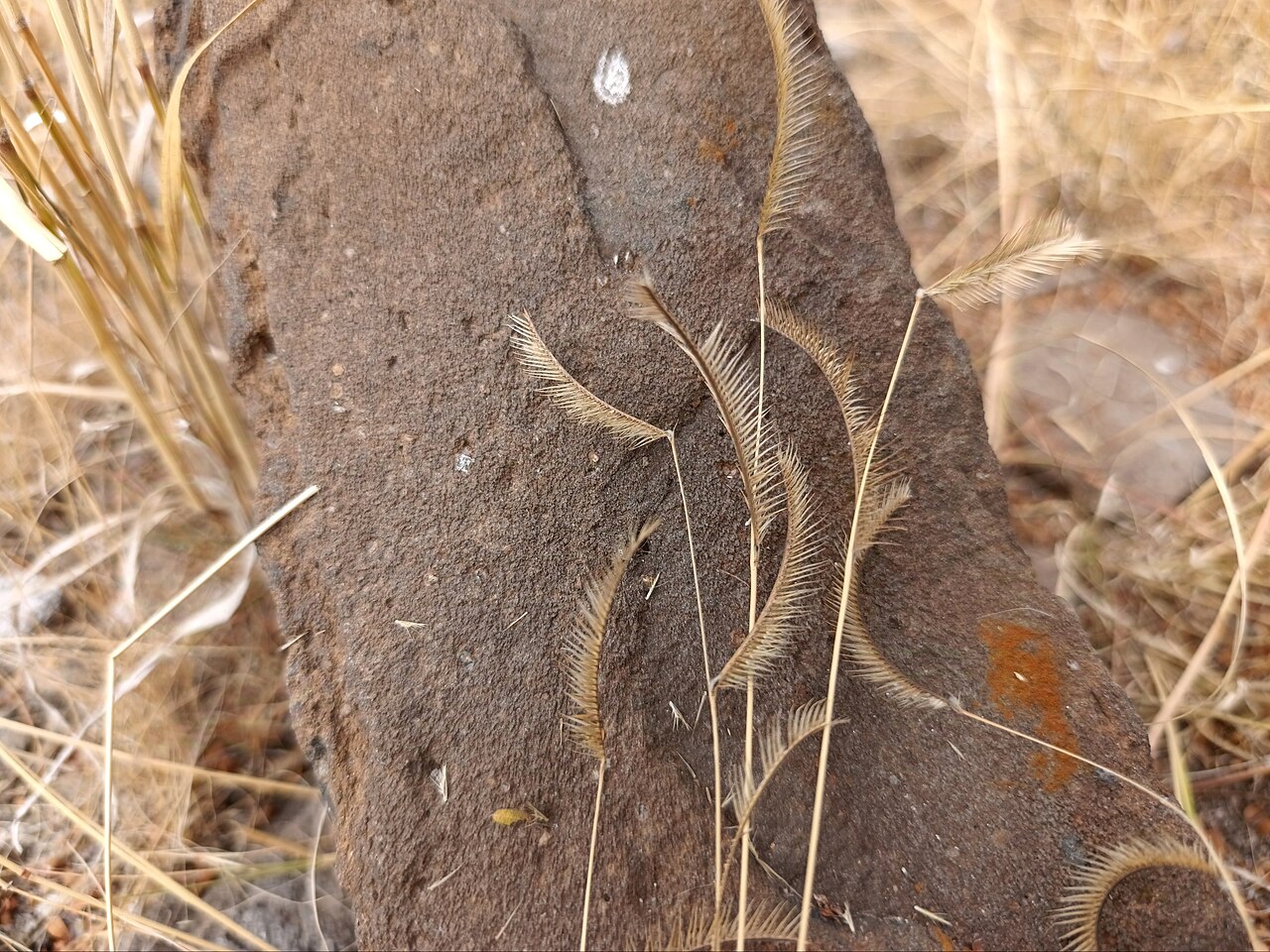
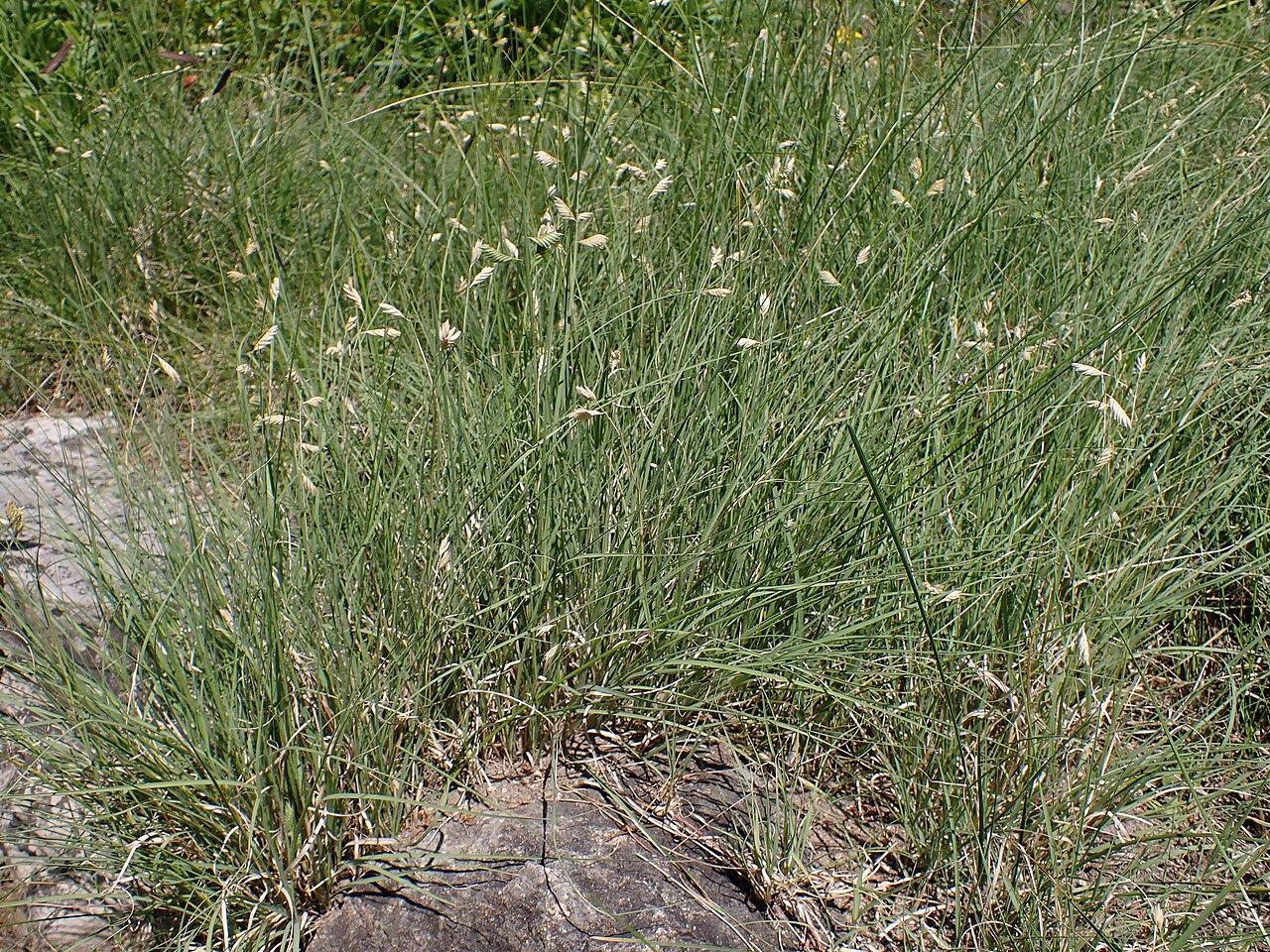
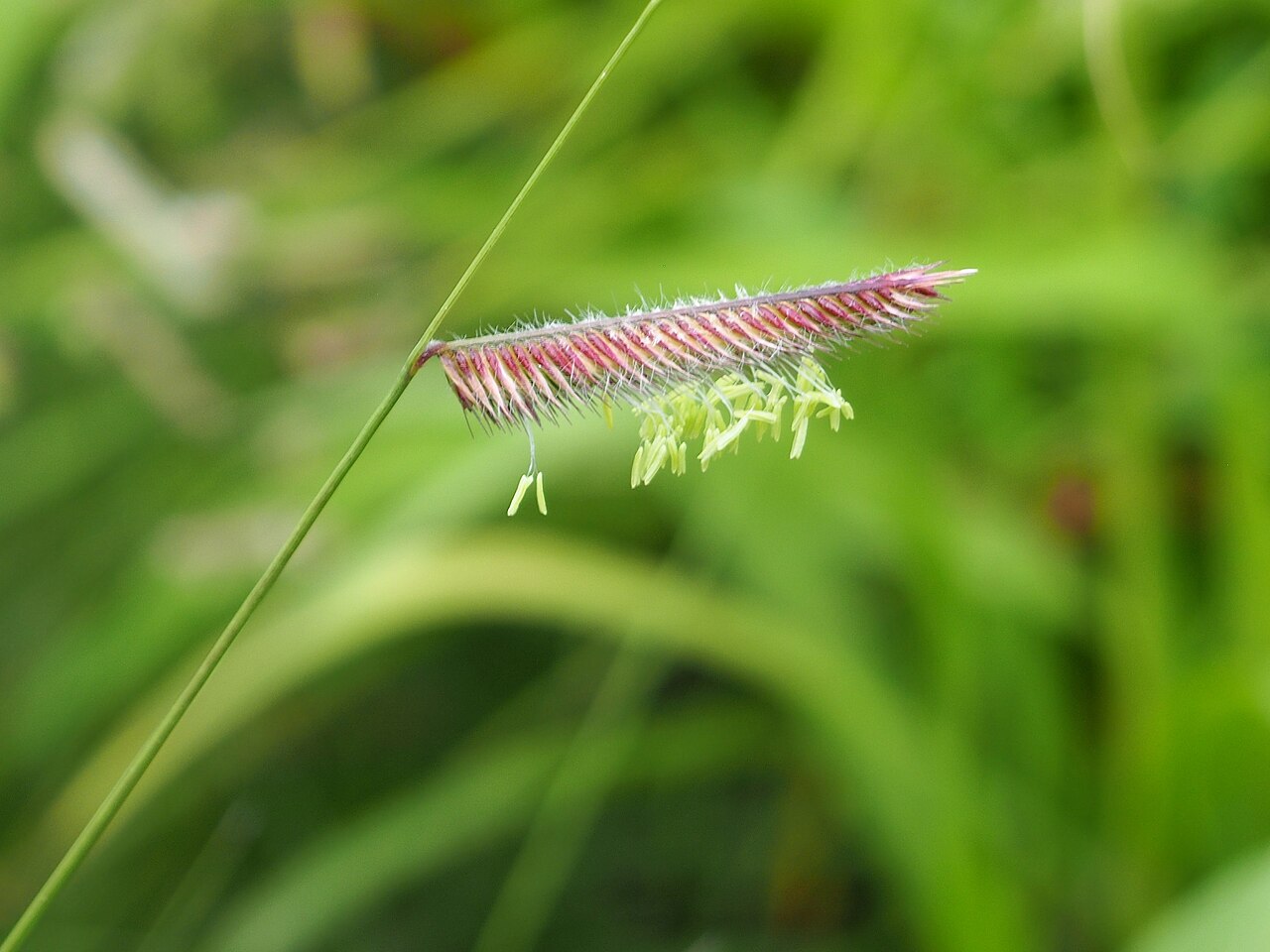
‘Lovington’ is the uniform one: a perennial, long-lived, warm-season bunchgrass whose plants grow evenly together, with stems averaging 32 inches in height when in production and leaf height of 20 to 22 inches. That uniformity is not an accident — it is the trait it was selected for. The foliage is the usual blue grama gray-green, the seedheads the usual comb-like eyelashes, but the stand reads as a single even crop rather than a ragged collection of individuals, which is exactly what a range seeding or a low-water lawn wants.
Why this variety
Plant ‘Lovington’ when you want blue grama for production rather than display. Released in 1963 by the Los Lunas Plant Materials Center and New Mexico State University from seed collected in 1944 near Lovington, New Mexico, on a loamy upland range site, it is recommended for eastern New Mexico and southeastern Colorado where annual precipitation is 12 inches or more, and for range reseeding mixtures on medium to fine-textured soils. Its headline number: it can produce an average of 15 percent more forage than other strains of blue grama, and it is highly palatable to livestock year-round. It is also one of the three parents of ‘Alma’, the later composite release — a quiet vote of confidence from the breeders who knew it best. Choose ‘Lovington’ for forage and uniformity; choose ‘Hachita’ for extreme drought; choose ‘Blonde Ambition’ for beauty.
How to grow
Sow in warm soil at no more than half an inch deep — blue grama seed must have seed-to-soil contact and shallow coverage — at about 2 pounds of pure live seed per acre for range sowings, or set garden plants 12 to 18 inches apart in full sun. ‘Lovington’ prefers medium to fine-textured soils and sites with at least 12 inches of annual rain; it will not tolerate dense shade, flooding, high water tables, or acid soils. Once established it is long-lived and steady, the kind of grass you plant once and then mostly leave alone.
Water & feeding
Water to establish, then treat it as the dry-country grass it is: deep, occasional soaks, long dry intervals, and no sympathy watering. It is drought-hardy once established but it is not a desert grass like ‘Hachita’ — it wants that 12 inches of rain, and in drier sites it will be thinner and shorter. Feed little; excess nitrogen brings weeds and lodging, not better grass.
Common problems
Shade, flooding, and acid soil are the enemies, in that order. No insect or disease problems of note have been recorded for ‘Lovington’ in its release literature, which is a refreshingly short problems section for any plant. In humid, wet-summer climates — including Florida — the climate itself is the problem, and ‘Lovington’ should be treated as an unsuitable choice for lawns rather than a challenge to overcome.
Harvest
For forage, graze or cut through the growing season; ‘Lovington’ holds its palatability well and cures on the stem for fall and winter grazing. For seed production, expect about half the mature yield in the first year and full yields — over 200 pounds of pure live seed per acre under irrigation and insect control — once established. For ornamental use, leave seedheads standing into winter and cut back in early spring.
For the species as a whole, see the Blue Grama guide.