
Fix Your Soil While You Nap
Somewhere along the way, gardening got sold as a workout. Double-dig the bed. Turn the pile. Till it, fork it, sweat over it, and only then — maybe — will the soil reward you. Here’s the secret the soil has been trying to tell you the whole time: it would rather do the work itself, and it’s better at it than you are. Given food, cover, and a gardener with the discipline to mostly leave it alone, soil rebuilds itself. The microbes multiply, the worms commute, the fungi lay down their highways, and the whole underground city gets richer while you are, quite literally, doing something else. This is the lazy doctrine, and it is not a shortcut. It is how soil actually works when nobody is interfering with it.
One honest note before we start, because Florida keeps breaking the national script: the classic version of this advice says “feed the soil in fall, then let winter do the work.” That’s beautiful advice for a place with a real winter. Down here, fall is not the garden year winding down — it’s the starting gun. So this guide translates the lazy method for Florida: do it now, harvest while the soil improves, and let the season do the work. The same biology, the same laziness, just wearing shorts instead of a parka. If you want the weekend-procedure version of the seasonal reset, that’s The Florida Fall Soil Reset — the do-it-in-this-order half. This guide is the philosophy half: why doing less works, the myths that keep gardeners overworking, and the science underneath the nap.
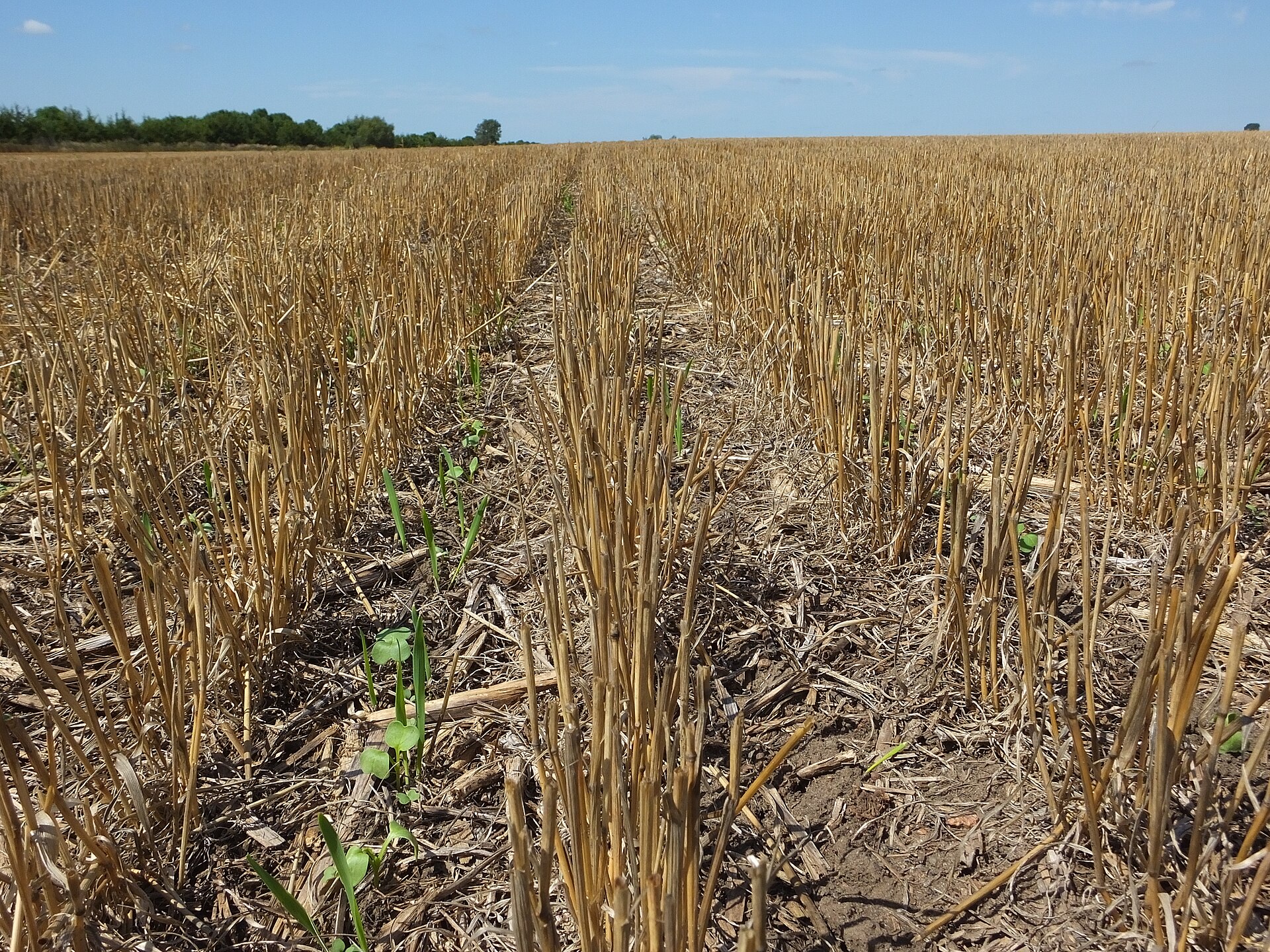
1. Feed It — Let Dinner Do the Digging
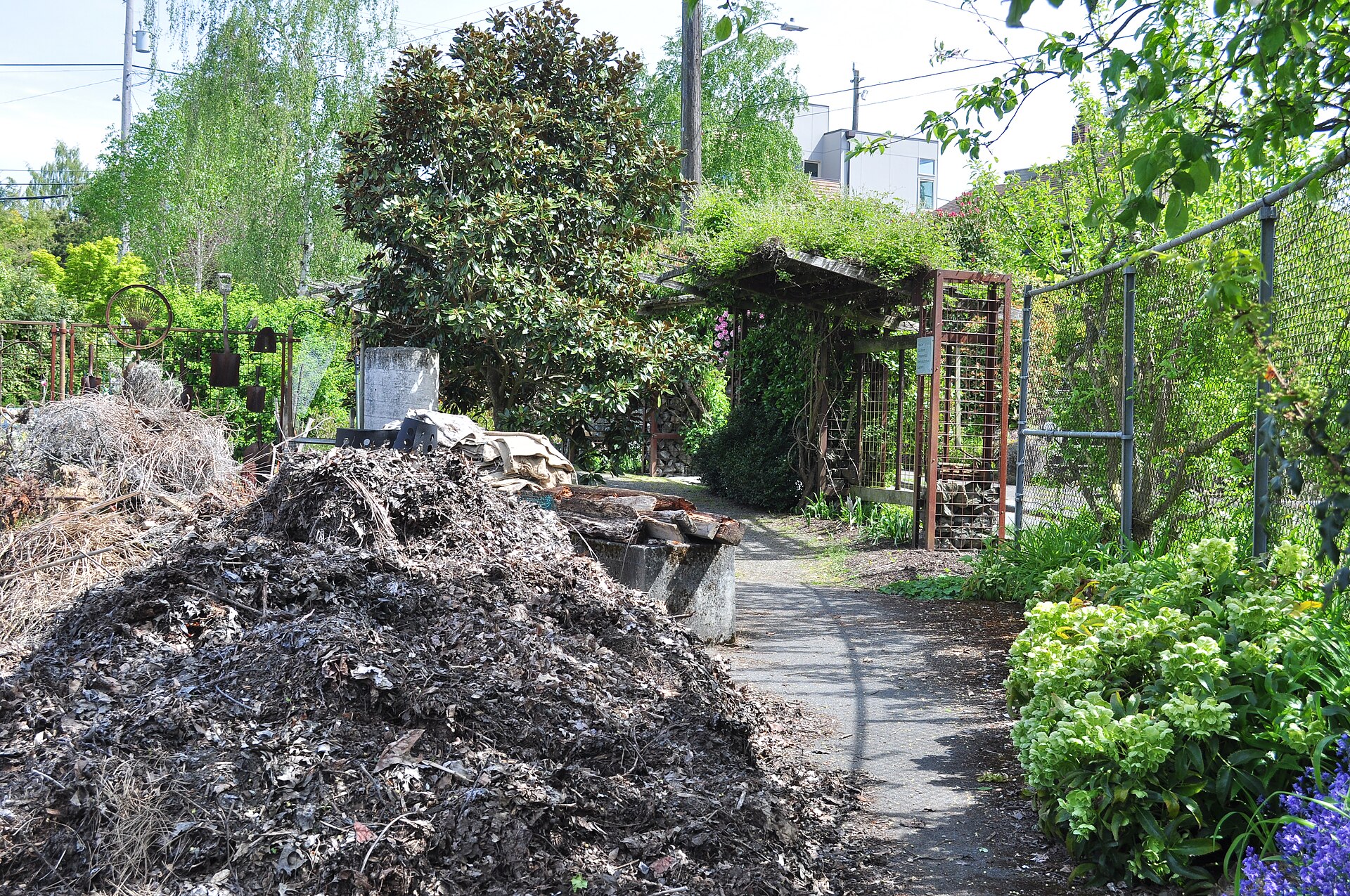
Everything good in soil starts as something dead. A leaf, a banana peel, a coffee filter, last season’s tomato vine — organic matter is the soil food web’s paycheck, and when you feed it, the whole workforce clocks in. Bacteria bloom first, munching the easy sugars. Fungi follow, threading their hyphae through the crumbs and unlocking the tougher stuff. Protozoa graze the bacteria and — this is the part that should make you cheer — excrete the excess nitrogen in plant-available form, right next to the roots. And earthworms, the heavy equipment, haul surface material down into the profile and leave behind castings, which are basically pre-digested fertility with a microbial fan club attached. Feed the soil and you don’t just add nutrients. You hire an entire civilization to cycle them for you, for free, forever, as long as the buffet stays stocked.
Now, the seasonal question: why feed in fall? In cold climates the answer is that biology works all winter under the mulch while the gardener hibernates, so spring arrives to a bed that’s already improved. Florida’s version is even better, because our “winter” is a growing season. Feed a Florida bed in fall and the biology doesn’t just work — it works while your fall crops are in the ground, which means the plants you harvest in December are eating from the same feast you laid down in October. Compost spread now is not next year’s investment. It’s this season’s dinner service, and the leftovers compound into next season’s soil structure. This is the laziest possible deal: one application, feeding two seasons at once.
What to feed it: compost, first and always. The workhorse amendment, the bulk groceries. Spread it moderately and evenly — an inch or two across the bed is a sensible seasonal layer, in the Florida spirit of Know Your Amendments‘ golden rule of moderate doses, repeated. Compost is not a one-time renovation; it’s a subscription the soil renews every season, because Florida heat and rain metabolize organic matter at tropical speed and leach the soluble fraction down and out. Then the finishing touch: worm castings as the spice blend on top — a ¼-inch top-dress of castings over the bed, or a generous handful side-dressed into each planting hole, at the site’s published rates. Think of compost as the bulk groceries and castings as the multivitamin that also happens to be alive. If you want the full case for why castings punch above their weight, Compost vs Worm Castings lays out exactly where each one earns its keep — and if you’re choosing between amendments at all, Know Your Amendments is the tour guide.
The laziest part of feeding, and the part most gardeners skip because it feels like cheating: you don’t have to dig it in. On a bed with anything still growing — perennials, fall crops, a cover crop — top-dress and walk away. Rain and irrigation carry fine particles down. Worms drag surface material into their burrows with a work ethic that should embarrass us all. Fungi bridge the layers. The soil mixes itself from the top down, the way a forest floor has been doing it for several hundred million years without a single rototiller. Digging it in is fine for an empty bed, but it’s optional, not required — and every time you don’t dig, you leave the fungal networks and worm burrows intact, which is exactly the structure you were trying to build in the first place. Tilling to improve soil structure is like demolishing a house to improve its floor plan. The microbes were already renovating. Let them.
2. Cover It — The Blanket, the Myth, and the Mushroom Bonus
If feeding is dinner, mulch is the blanket you tuck the soil in with afterward — and bare soil in Florida is a crime scene waiting to happen. Uncovered, your freshly fed bed faces deluge rain that erodes the surface and splashes soil (and soil-borne disease) onto leaves, a sun that poaches microbes at noon, and evaporation that dries the top inches between storms. A couple of inches of organic mulch stops all three: it armors the surface, holds moisture through the dry weeks between fronts, and buffers temperature so the workforce you just fed isn’t getting cooked. And yes, Florida mulch breaks down fast. Here, that’s a feature wearing a disguise — decomposing mulch is next season’s organic matter, delivered from above, free of charge. Plan to replenish it. The mulch is not a roof; it’s a slow-release meal.
Now, the myth that keeps gardeners scared of the most common mulch on Earth. You’ve heard it: wood chips steal nitrogen from your soil. Here’s the truth, and it’s a beautiful example of a real fact getting stretched into a false warning. Wood chips are mostly carbon, and the microbes that decompose carbon need nitrogen to do the job — so at the thin interface where mulch meets soil, they do borrow available nitrogen for a while. That borrowing zone is millimeters deep. Down in the root zone, where your plants actually eat, nothing changes. The nitrogen “robbery” is a pickpocket working the front porch while the vault downstairs stays locked. The rule that makes it true: on top, wood chips are fine; mixed into the soil, they’re trouble. Fork a pile of fresh chips into the bed and you’ve spread the carbon-nitrogen competition through the whole root zone — that’s the mistake the warning was invented for. Laid on the surface, as nature lays leaf litter, chips feed the fungi, shelter the worms, and eventually become soil themselves. If you want the full side-by-side, Mulch vs Compost sorts out which job each one does.
But wood chips aren’t the only blanket in the closet, and the lazy gardener uses what’s free and local. Here’s the honest rundown:
- Fallen leaves. The original mulch, free in autumn, and chemically generous — leaves bring a broad spread of trace minerals up from deep roots. Shred them if you can (a mower pass does it); whole leaves mat into a soggy layer that sheds water. The one leaf you were warned about? See the walnut note below — it’s a myth with a much smaller truth inside it.
- Pine straw. Florida’s hometown mulch: cheap, abundant, slow to compact, and it lets water through beautifully. It does acidify soil slightly as it breaks down — for most Florida beds, which lean acidic already, that’s a footnote, not a dealbreaker, unless you’re growing something that demands alkaline soil.
- Wood chips. The fungal favorite. Best for paths and perennial beds, where they can sit undisturbed and grow the mycelial networks that trees and shrubs love. Arborist chips are often free if you ask the crew — the laziest mulch is the one that arrives in a truck.
- Sawdust. Use with a caveat: it’s fine as a thin top layer, but it’s the one material where the nitrogen-interface effect is worth respecting, because its tiny particles pack tight and can shed water when dry. Thin layer, or compost it first.
- Animal bedding. Straw or shavings from a chicken coop or rabbit hutch is mulch with a bonus: it’s pre-loaded with manure nitrogen, which balances the carbon beautifully. Just know your source — bedding from animals treated with persistent herbicide-laced hay is the rare case where free mulch bites back. If you don’t know the hay’s history, compost it hot first or skip it.
The walnut myth, busted. Somewhere in every garden club there’s a gardener who whispers that walnut leaves poison everything. Here’s the science: black walnut trees do produce juglone, a compound that genuinely bothers some sensitive plants (tomatoes and their nightshade cousins are the famous victims) — but juglone’s reach is narrow and its lifespan is short. It’s concentrated near a living tree’s roots and fresh leaf litter, and soil microbes break it down steadily, especially once material is composted. Fallen walnut leaves that have been composted, or that have sat and weathered, are not the boogeyman — they’re leaf mold like any other. The rule is simple and lazy-friendly: don’t plant tomatoes under a living black walnut, and don’t fear composted walnut leaves anywhere else. The tree is a bad neighbor, not a chemical weapon.
The mushroom bonus. And here’s the side quest that makes mulch nerds grin: a thick wood-chip bed is also a mushroom farm waiting for an excuse. Wine cap mushrooms (Stropharia rugosoannulata) — the garden giant — colonize fresh wood chips eagerly, fruiting in flushes through the warm season and turning your mulch into dinner while they break it down faster. It’s the lazy method compounding on itself: the mulch feeds the soil, the mushrooms eat the mulch, you eat the mushrooms. One safety rule, non-negotiable: never eat a mushroom you haven’t positively identified, and if you’re new to the game, start with a purchased spawn kit from a reputable supplier and the identification rules in Growing Mushrooms at Home. The fungi will do the rest. They always do.
3. Reclaim a Weedy Bed the Lazy Way — Cardboard, Compost, Patience
Every gardener inherits a weedy bed eventually — a rectangle of Bermuda grass, torpedo grass, or whatever opportunistic green army moved in while you were busy. The traditional advice is to dig it out, which in Florida means fighting grass rhizomes that laugh at shovels and regenerate from fragments you didn’t know you left. The lazy way is older, cheaper, and more effective: smother it. No digging. No tilling. Just cardboard, compost, mulch, and the patience to let darkness do what a shovel can’t.
Here’s the lasagna, layer by layer. Mow or stomp the weeds flat — you’re not removing them, you’re laying them down as the first green layer. Then cardboard, overlapped generously at the seams (weeds are escape artists; a gap is a doorway), with all tape and stickers peeled off because plastic doesn’t compost and you’ll be picking it out of your soil for years. Wet the cardboard thoroughly — this is the moment it becomes a light-proof blanket instead of a box. Then compost, a few inches deep, right on top. Then mulch, a few more inches. Then walk away. Underneath, in the dark, the weeds exhaust themselves trying to grow without light, the cardboard softens and feeds the fungi, the worms move in from below like tenants who heard the rent is free, and by the time the cardboard has rotted through, the bed underneath is weed-suppressed, fed, and biologically awake. Plant through it when the cardboard gives easily under a trowel — for most Florida beds, that’s within a season of laying it down, and you plant into the compost layer, not through a fight with the old grass.
And don’t forget the pathways, because a garden is a system, not a collection of beds. Bare paths between beds are where weeds stage their invasions and where your boots compact the soil you’re trying to fluff. Mulch the paths thickly — wood chips are perfect here, since nothing needs to grow in them — and the paths become part of the lazy machine: they suppress weeds, they feed fungi at the bed edges, and they keep your feet out of the growing soil. A mulched path is not wasted space. It’s a moat with benefits.
Guard the good stuff: Florida’s digging crew. The northern version of this guide worries about voles nibbling perennial roots. Florida’s diggers are bigger, bolder, and less impressed with your fences. Armadillos bulldoze mulch and beds hunting grubs and insects — they’re after the buffet, not your plants, but the landscaping damage is real. Moles (the eastern mole) tunnel for earthworms and grubs, leaving raised ridges and occasionally heaving seedlings. Pocket gophers are the true root-eaters of the trio, pulling plants down from below into their burrows. Here’s the lazy, honest truth about deterrents: there is no spray, granule, or gadget with a reliable track record against any of them — the repellent aisle is mostly hope in a bottle. What actually works is physical: plant precious perennials and bulbs in hardware-cloth baskets (½-inch mesh, buried with the root ball) so roots are protected from below and the sides, and line the bottom of a new raised bed with hardware cloth before filling it. It’s one afternoon of un-lazy work that buys years of lazy peace. For active gophers, trapping is the established control — Florida regulates wildlife handling, so check current FWC guidance before you go that route. And a small mercy: armadillos mostly move on once the grub population drops, which your improving, biodiverse soil helps with over time. The diggers were here first. Build like it.
4. Wake It Up — Spring Prep for People Who Hate Alarm Clocks
In the cold-climate version of this story, spring is a dramatic event: pull the mulch back, let the sun warm the soil, wait for the ground to thaw. Florida’s version is gentler, but the principle is identical and worth doing deliberately: mulch insulates, and insulated soil warms slowly. When planting time approaches, pull the mulch back from the rows or planting spots you intend to use and let the sun hit bare soil for a week or two before you plant. Dark, bare soil absorbs heat; covered soil stays cool. That’s not a flaw of mulch — it’s the same insulation that protected your microbes all season — but timing the pull-back is the difference between seeds that sulk and seeds that sprint.
What to pull back, and what to leave: pull back from annual planting areas and anywhere you’re direct-sowing, because seeds need warm soil contact and light to germinate well. Leave the mulch in place around perennials, trees, and shrubs — their roots are already established in the cool, moist world underneath, and stripping it would dry them out and invite weeds for no benefit. And never strip a bed bare “to clean it up” — bare soil is the one state this whole guide exists to prevent. You’re opening windows, not tearing the roof off. In North Florida, where a real cold snap can still visit, the pull-back also waits until the last frost risk has passed; in Central and South Florida, the pull-back is really just a planting-day habit, because the soil rarely needs warming so much as it needs a clear spot to receive a transplant. Same move, different urgency — which is the Florida story in one sentence.
While you’re in there, do the laziest spring inspection in gardening: look, don’t dig. Lift a corner of mulch. Are there worms? Good — the workforce survived. Is the soil underneath dark and crumbly instead of pale and dusty? Good — the organic matter is accumulating. Smell it: healthy soil smells earthy and sweet, like a forest floor after rain (that smell is geosmin, a compound soil microbes produce — you’re literally sniffing biology at work). If it smells sour or swampy, that’s compaction or waterlogging talking, and the fix is more organic matter and less foot traffic, not more tilling. The spring check takes five minutes and tells you everything the winter’s laziness accomplished.
5. Test It — The Report Card That Grades Your Laziness
Every good lazy system needs one moment of accountability, and this is it: test the soil. Not because the method needs babysitting — it doesn’t — but because watching the numbers move is how you prove to yourself that doing less is working, and how you catch the one thing mulch and compost can’t fix on their own (a pH problem, a genuine nutrient hole) before it costs you a season.
Start with the free tests, the ones your hands already know: the jar test (shake soil in water and read the stripes — sand sinks fast, silt follows, clay sulks in suspension), the squeeze test (sand crumbles, silt holds a loose clump, clay ribbons like play-dough), and the drainage test (dig a hole, fill it, time the disappearance). Those three tell you your soil’s physical personality — texture, structure, drainage — and they’re worth repeating every year or so, because the stripes and the crumble are how you see organic matter accumulating. Then the lab test, for what hands can’t measure: pH and the nutrient panel, through your county UF/IFAS Extension office, every couple of years or for any bed that’s new or troubled. And when the lab report lands in your inbox full of numbers that look like a chemistry exam, that’s what Soil Test Translator is for — it turns the report into plain English and tells you what to actually do about it. Test, translate, adjust, and then go right back to napping. The report card exists so the laziness can be confident instead of merely hopeful.
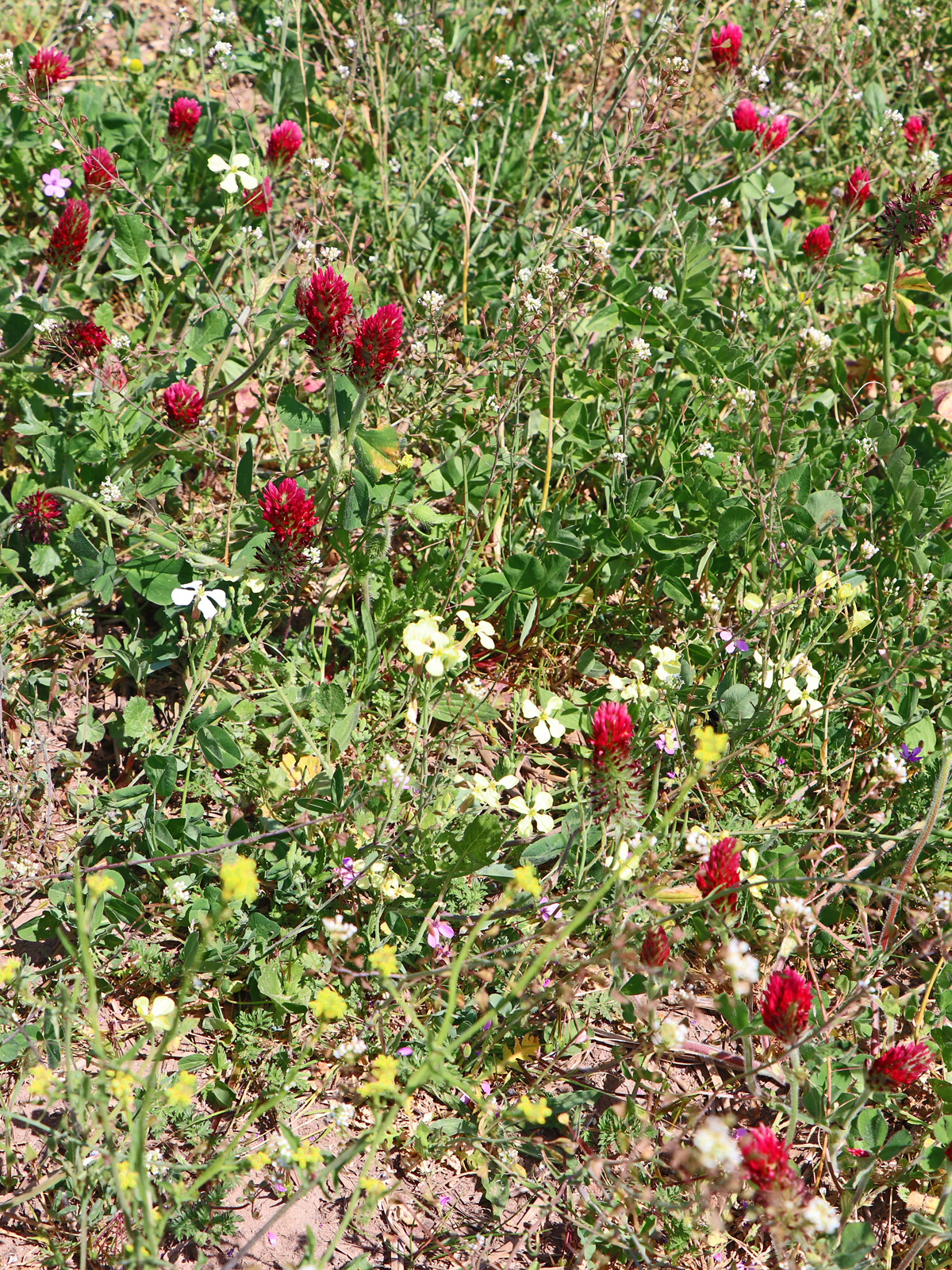
Which brings us to the region question, because a lazy Florida gardener still has to pick the right kind of cover for the months between plantings. In North Florida, where fall genuinely cools and frost is a real appointment, classic cover crops earn their keep: crimson clover (a legume that partners with Rhizobium bacteria to bank atmospheric nitrogen in your soil), oats, and annual ryegrass, sown in the cooling weeks and cut down before spring planting so the residue becomes the next organic-matter installment. In Central and South Florida, winters are short and warm and the “off-season” barely exists — the honest cover for a resting bed is usually the next succession of crops itself, densely planted, with mulch in the gaps, or a living mulch like perennial peanut holding the ground between plantings. If a bed truly sits out a season in the south, a thick mulch blanket does the protective job without fighting the climate. The full menu, species by species and region by region, is in Cover Crops for Florida — read it before you buy seed, because the right answer really does change by a few hundred miles of latitude.
The Lazy Gardener’s Oath
That’s the whole doctrine, and it fits on a sticky note: feed it, cover it, smother what you don’t want, wake it gently, and test it once in a while. The soil does the digging. The worms do the mixing. The fungi do the hauling. The mulch does the protecting. Your job is the part humans are actually good at: showing up with compost, laying down cardboard, pulling mulch back at the right week, and then getting out of the way with the confidence of someone who understands the system they’re standing on. If you’re the kind of gardener who suspects the best garden advice is the advice that gives you your Saturday back, you are not lazy. You are ecologically literate. There’s a whole guide for your kind — The Lazy Gardener’s Guide to Starting a Garden — and if you want the long view of what all this feeding and covering builds over years, How to Build Living Soil is the deep end.
So go feed a bed, cover it, and then go take that nap. The soil will be working the whole time. It doesn’t even need you to watch. That’s not neglect. That’s the deal you made when you decided to garden with biology instead of against it — and biology, unlike a rototiller, never asks for a day off.
🌱 Keep learning
This guide is the lazy doctrine; its companion The Florida Fall Soil Reset is the weekend procedure, and Know Your Amendments is the deep dive on what each amendment does. Find the rest of the collection at the Living Root Academy.
🪱 Your Soil Needs This
Reading about healthy soil is great. Growing in it is better. Our small-batch, traceable worm castings are the shortcut your garden deserves.
Shop Worm Castings Subscribe & SaveEvery bag comes with a lot certificate. Know what's in your soil.