
🍂 Ginkgo
What it looks like

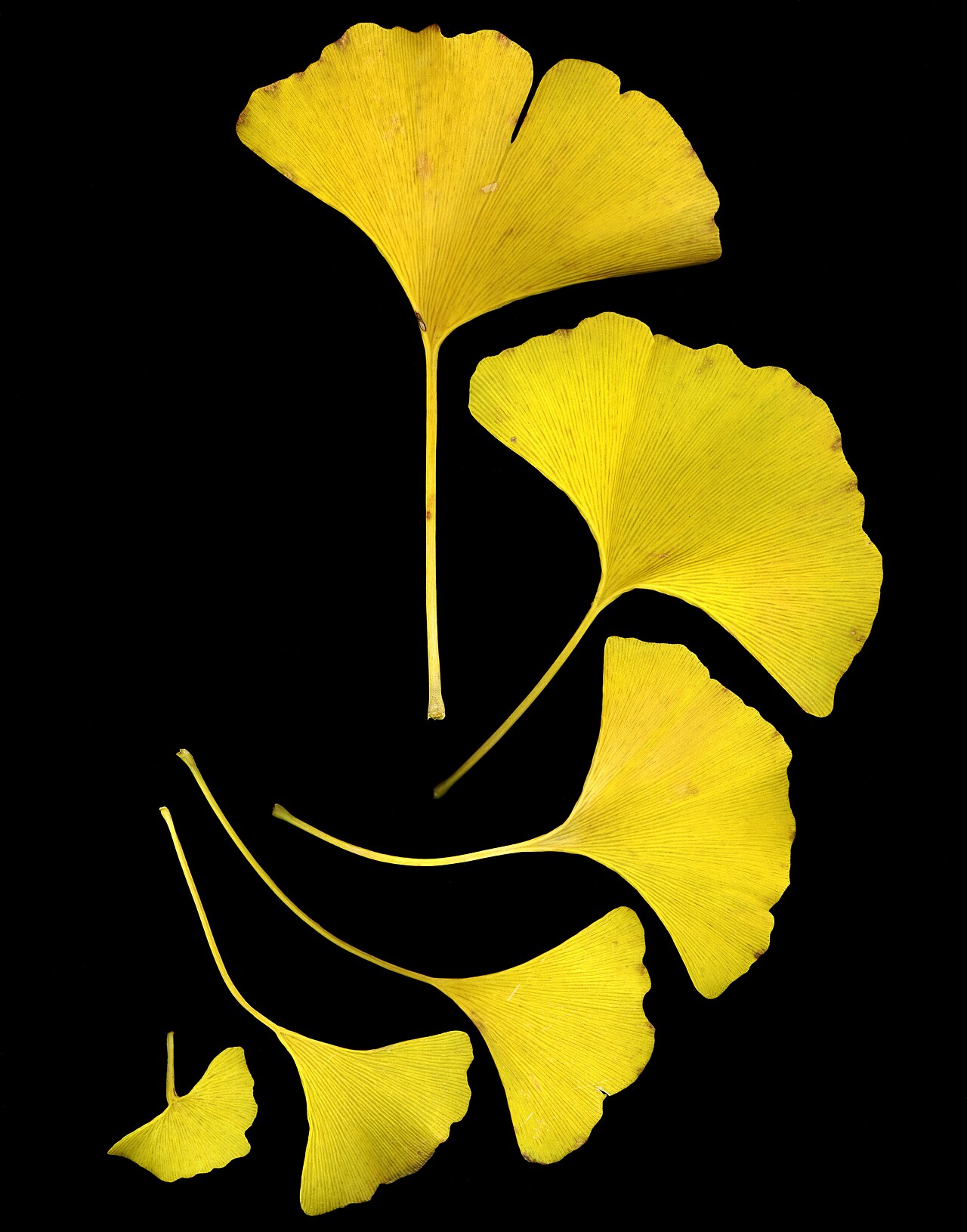
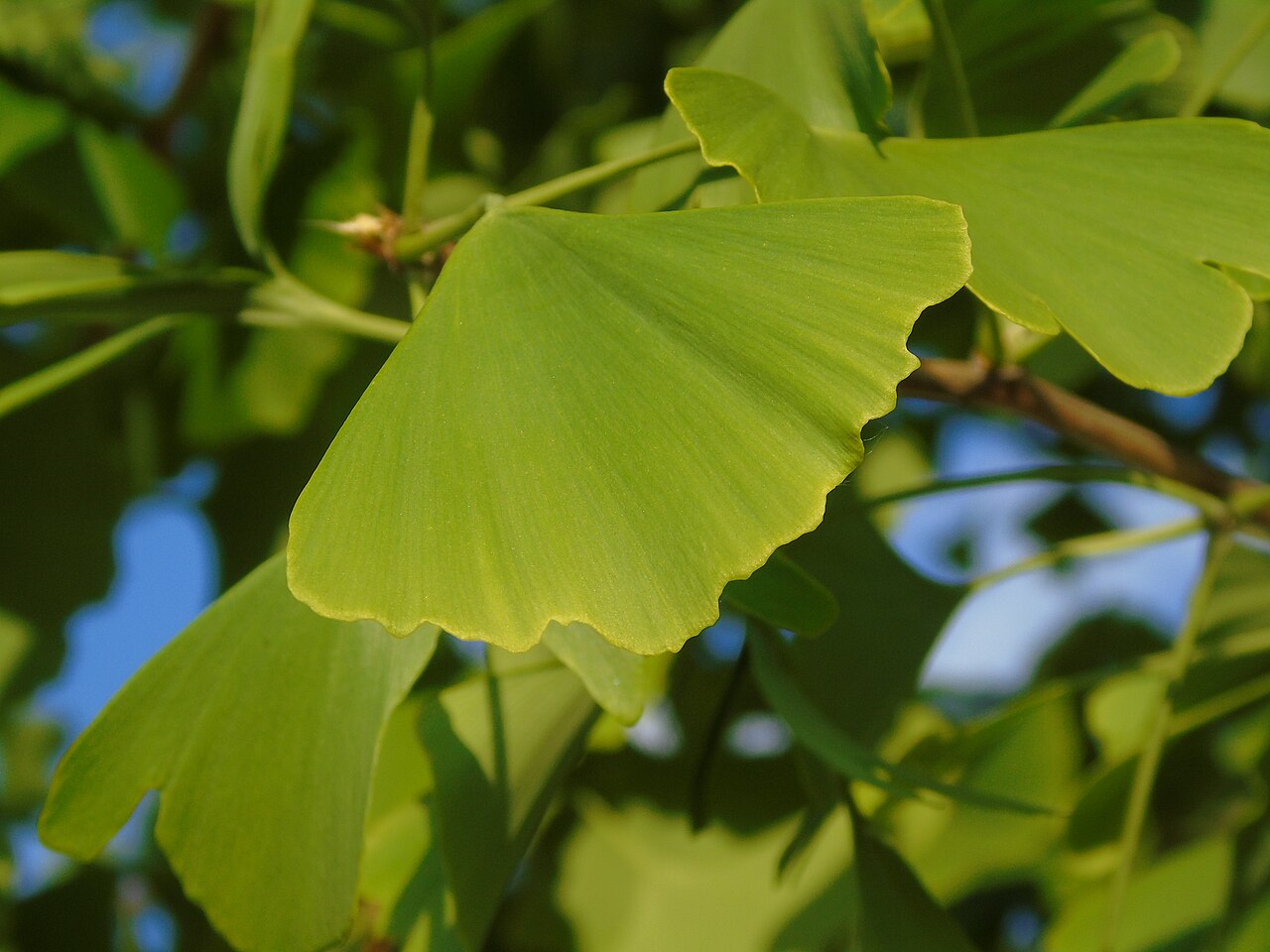
How to grow
Plant only grafted male cultivars (‘Autumn Gold’, ‘Princeton Sentry’) — female trees drop famously foul-smelling fruit in fall, and the smell is not a charming quirk, it is a neighborhood event. Ginkgo tolerates pollution, salt, compacted soil, and drought better than almost any street tree, which is why cities plant it everywhere. It is slow the first few years, then steady; give it full sun and any reasonably drained soil and mostly leave it alone.
Water & feeding
Water deeply the first two years; established ginkgoes are very drought-tolerant. Overwatering and poor drainage are the only common water complaints.
Common problems
- Almost none — ginkgo has essentially no serious pests or diseases, which is part of its appeal
- Fruit mess and odor from female trees (avoid by planting named male cultivars)
- Slow establishment — patience, not fertilizer, is the fix
Harvest
Prune in late winter while young to establish a single central leader and good branch spacing. Mature trees need little more than deadwood removal.
Saving seeds
First, the warnings, because ginkgo seed saving starts with them. Ginkgo is dioecious: male and female flowers grow on separate trees, so a lone female tree with no male nearby sets no fertile seed, and a lone male sets none at all. Seedlings are a coin toss — roughly half male, half female — and you will not know which you have for a couple of decades or more, until the tree first flowers. If you want a guaranteed fruitless male, you want a grafted cultivar, not a seedling. Handle the fruit with gloves, outdoors: the fleshy coat smells famously of rancid butter, and it carries compounds that can raise a poison-ivy-like rash on sensitive skin. And this section is about growing trees, not snacking: ginkgo seeds are eaten cooked in some cuisines, but raw seeds are not a snack, so do not eat them raw.
Collect in late fall, after the yellow-orange fruits have dropped from a female tree and are soft on the ground. Soak them in a bucket of water for a few days until the pulp softens, then squeeze and rub out the hard, cream-coloured kernel inside — it looks like a large unsplit pistachio nut — and wash it thoroughly. Keep the sinkers when you rinse: filled seeds sink, while floaters are usually empty shells not worth a pot.
Now patience, in two acts. The embryo is still immature when the fruit drops, so the seed needs a warm, moist spell first: a bag of moist sand or peat at room temperature for roughly six to eight weeks, kept moist but never sodden. Then comes the cold: move the bag to the refrigerator for its winter. Sources disagree on the length — some say thirty to sixty days of cold, others up to about three months — so plan on the longer end and sow in spring rather than rushing it. In a cold-winter climate you can skip the fridge and sow outdoors in fall, letting winter do the work; in Florida, only the cooler parts of the state fall inside this tree’s range at all, and mild winters are unreliable, so the refrigerator is the honest route.
Sow each seed about an inch deep in its own pot of a peat and perlite mix, keep it moist and warm, and wait — sprouting can take weeks, and some seeds take their time about it. Grow the seedling on in a pot for a season or two before planting out, and give it the room this guide demands, well away from structures and sidewalks. Cleaned seed can be held dry and cool for a time, but do not bank on years of storage: stratify the first winter for the best germination. And remember the timeline you are signing up for — your seedling may outlive you, but it will not fruit for decades, so this is a gift to a future gardener, quite possibly yourself at a much older age.
Browse all plant & pest guides
Varieties
Every named variety of Ginkgo with its own growing guide:
- Autumn Gold Ginkgo — The male ginkgo that turns pure gold in fall — no foul fruit, no mess, just a living fossil in its best colour.
- Princeton Sentry Ginkgo — The columnar male ginkgo: all the gold, none of the fruit, in a narrow form that fits a street, a row, or a tight yard.