
🌿 Marjoram
What it looks like
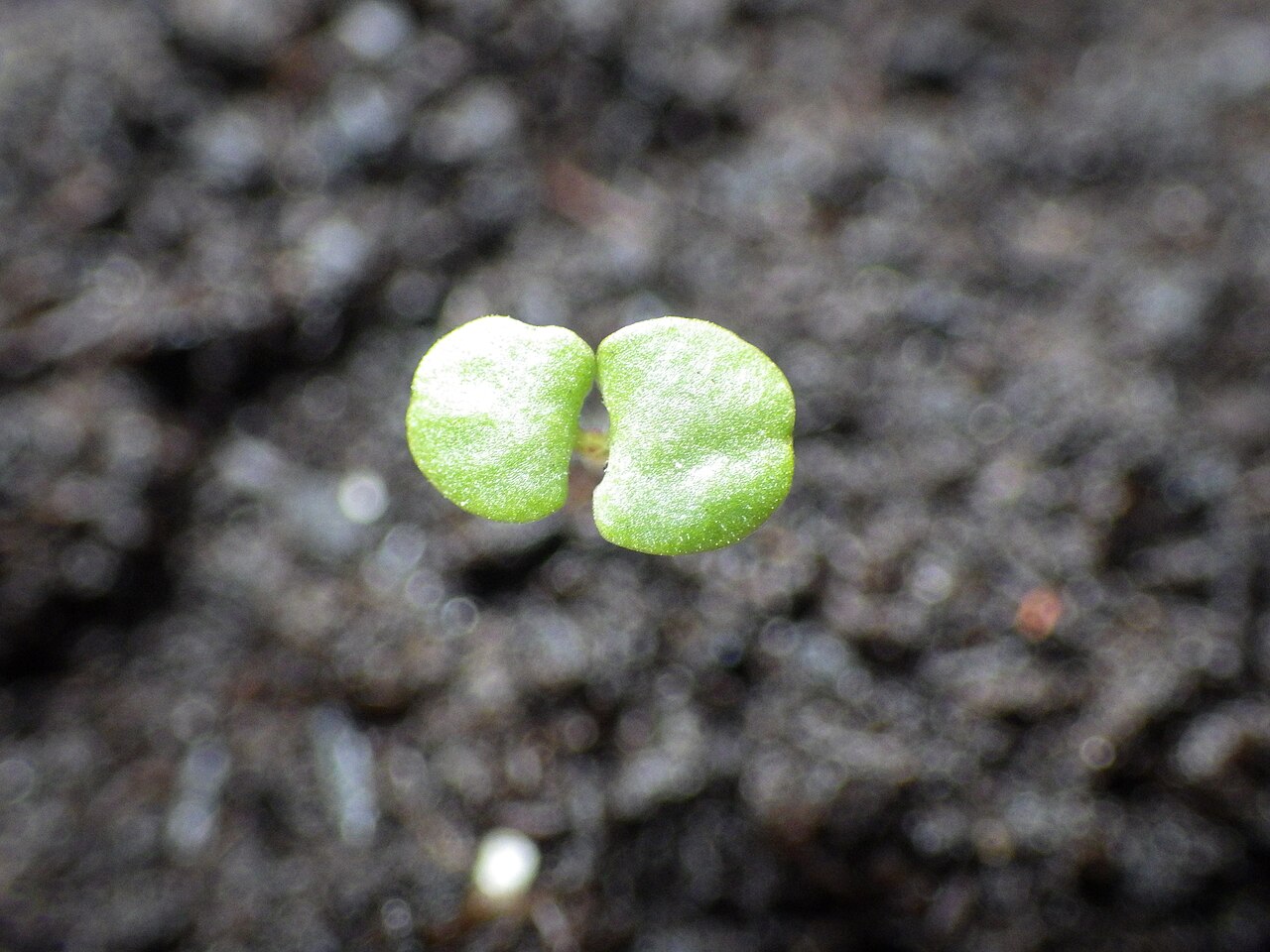

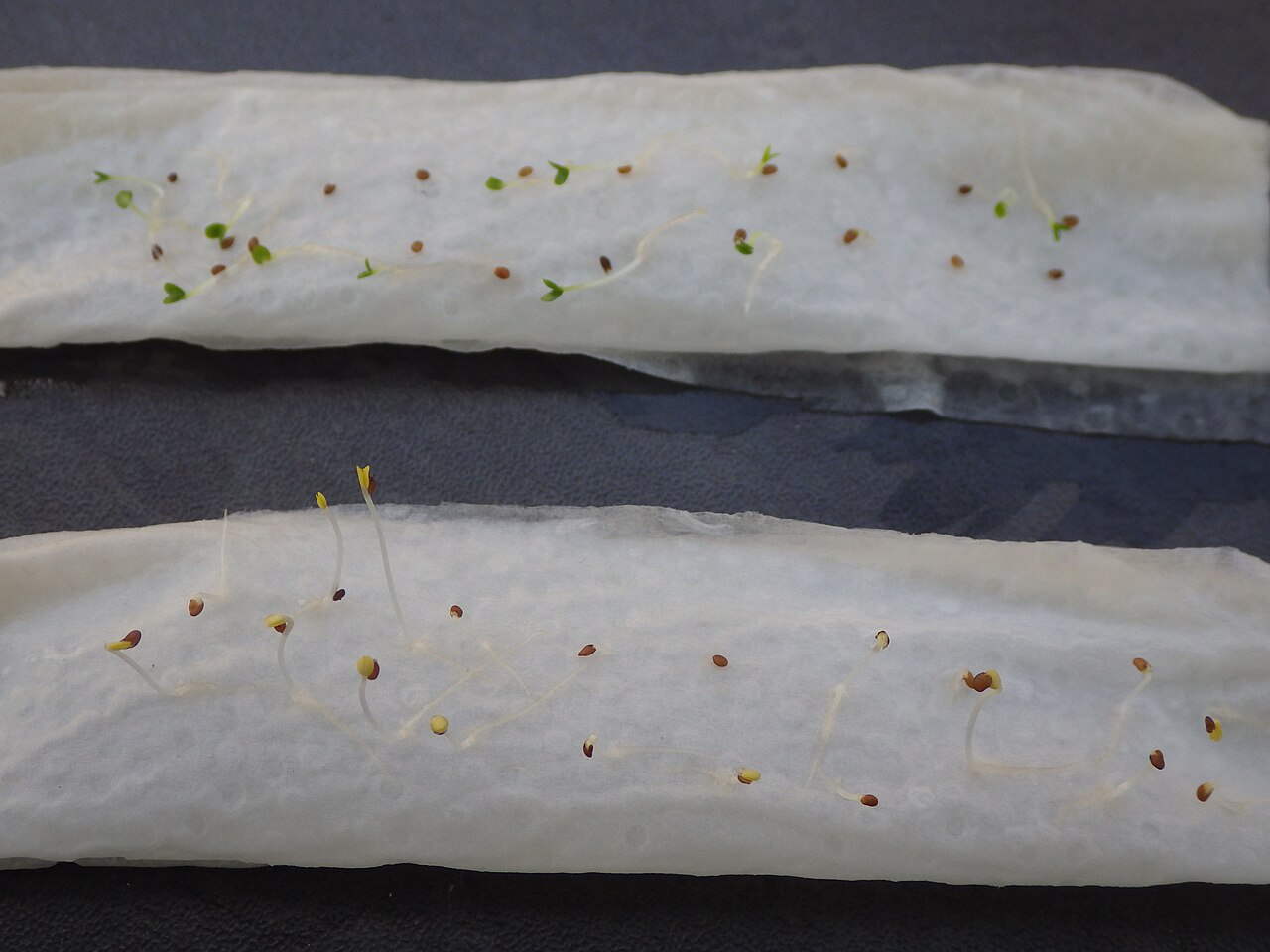
How to grow
Sweet marjoram is closely related to oregano but tastes noticeably different: sweeter, milder, and more floral, without oregano's peppery bite. It is the marjoram of Mediterranean and Middle Eastern cooking — sausages, stuffing, bean dishes, and tomato sauces — and it dries exceptionally well. In most of the United States it is grown as an annual, because it is tender and dies at the first frost; in zones 9-11 it persists as a short-lived perennial. Start seeds indoors 6-8 weeks before last frost, or buy transplants — seed is tiny and slow, and transplants save a month of fuss. Transplant after frost danger into full sun and well-drained soil, and pinch growing tips early to encourage bushy growth. Marjoram is smaller and softer than oregano, reaching about a foot tall, and it appreciates a little more water and a little less neglect than its tougher cousin. In hot, humid climates it performs well as long as drainage is sharp and airflow is good.
Water & feeding
Keep soil evenly moist but not soggy — about an inch a week, more in containers. Marjoram is a light-to-moderate feeder: worm castings at planting and a light midsummer top-dress are plenty. Avoid heavy fertilizer, which pushes soft growth with diluted flavor.
Common problems
- Frost kill — it is tender, so transplant only after frost danger and harvest everything before first frost in cold zones.
- Root rot in wet soil — use well-drained soil or containers in heavy clay.
- Leggy growth — pinch tips regularly and harvest often to keep plants compact.
- Aphids and spider mites in dry conditions — spray with water and improve airflow.
Harvest
Snip sprigs as needed once plants are established, taking no more than a third at once. Harvest before flowering for the sweetest flavor. Marjoram dries beautifully — cut whole stems, hang in a dark, airy spot, and strip leaves when crisp. Dried marjoram keeps its sweetness for months and is excellent in winter cooking.
Browse all plant & pest guides
Saving seeds
Marjoram seed is tiny, and saving it is a matter of patience and a paper bag. Let a few plants flower in summer, which they will do readily, and wait until the seed heads turn brown and dry. Cut whole stems into a paper bag and let them finish drying. Crush the dried heads gently and winnow away the chaff with a breeze. The seed is dust-fine, so work over a tray and do not do this on a windy day.
Surface sow, barely covered, since the seed needs light to germinate. Sow in spring after the soil has warmed, or start indoors a few weeks before the last frost and transplant out when the weather settles. Germination is quick in warm, moist soil and poor in cool soil, which is the plant telling you when it wants to grow.
Two honest limits. First, marjoram seed does not keep. Viability drops fast after the first year, so use fresh seed and do not build a seed bank of it. Second, marjoram crosses with oregano. Origanum majorana and Origanum vulgare hybridize freely, and the offspring are neither sweet marjoram nor true oregano, but something in between. If you grow both herbs and save seed, expect surprises. Grow one if you want seed that stays itself, or buy fresh seed each year, which is what most gardeners do.
Cuttings and division are the reliable routes to more plants that are exactly like the parent. A rooted cutting taken in spring is a clone of its parent, flavor and all. Seed is the route to new plants and to sharing with friends, and it is the route that costs nothing.
Florida honesty: marjoram is an annual in most of Florida, and a short-lived perennial in the warmest south. It wants sun, sharp drainage, and no wet feet, and Florida humidity will finish it in a wet summer. Grow it in a pot with excellent drainage, save seed from the best plant, and start fresh each spring.
Varieties
Every named variety of Marjoram with its own growing guide:
- Compacta Marjoram — The tidy marjoram: a dwarf, dense, sweet-flavored form that fits pots, edges, and small herb gardens without sprawling.
- Variegata Marjoram — The marjoram in two tones: cream-and-green variegated leaves with the same sweet flavor — the ornamental herb that still cooks.
- Pot Marjoram — The marjoram that is not quite marjoram: a separate species with a flavor halfway between sweet marjoram and oregano.