
🌿 Epazote
What it looks like
How to grow
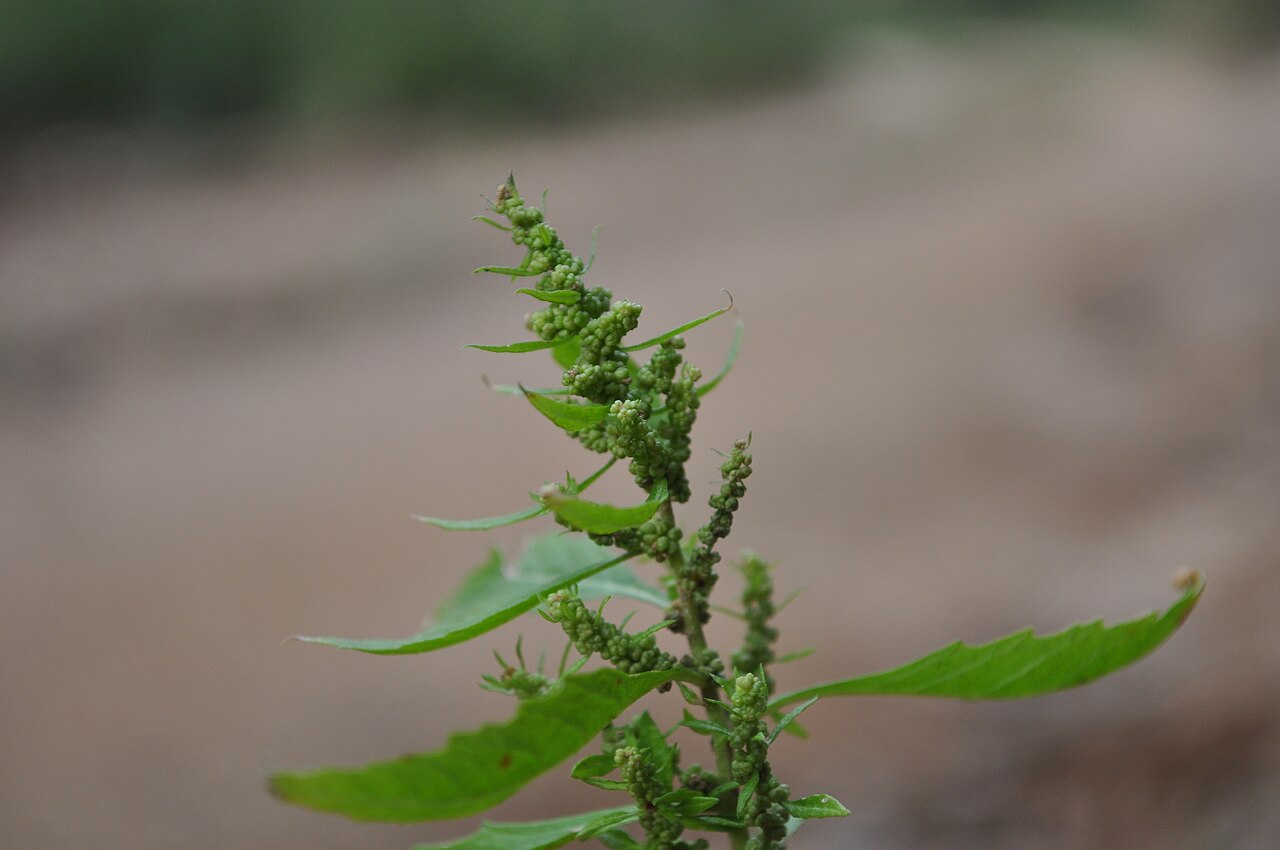
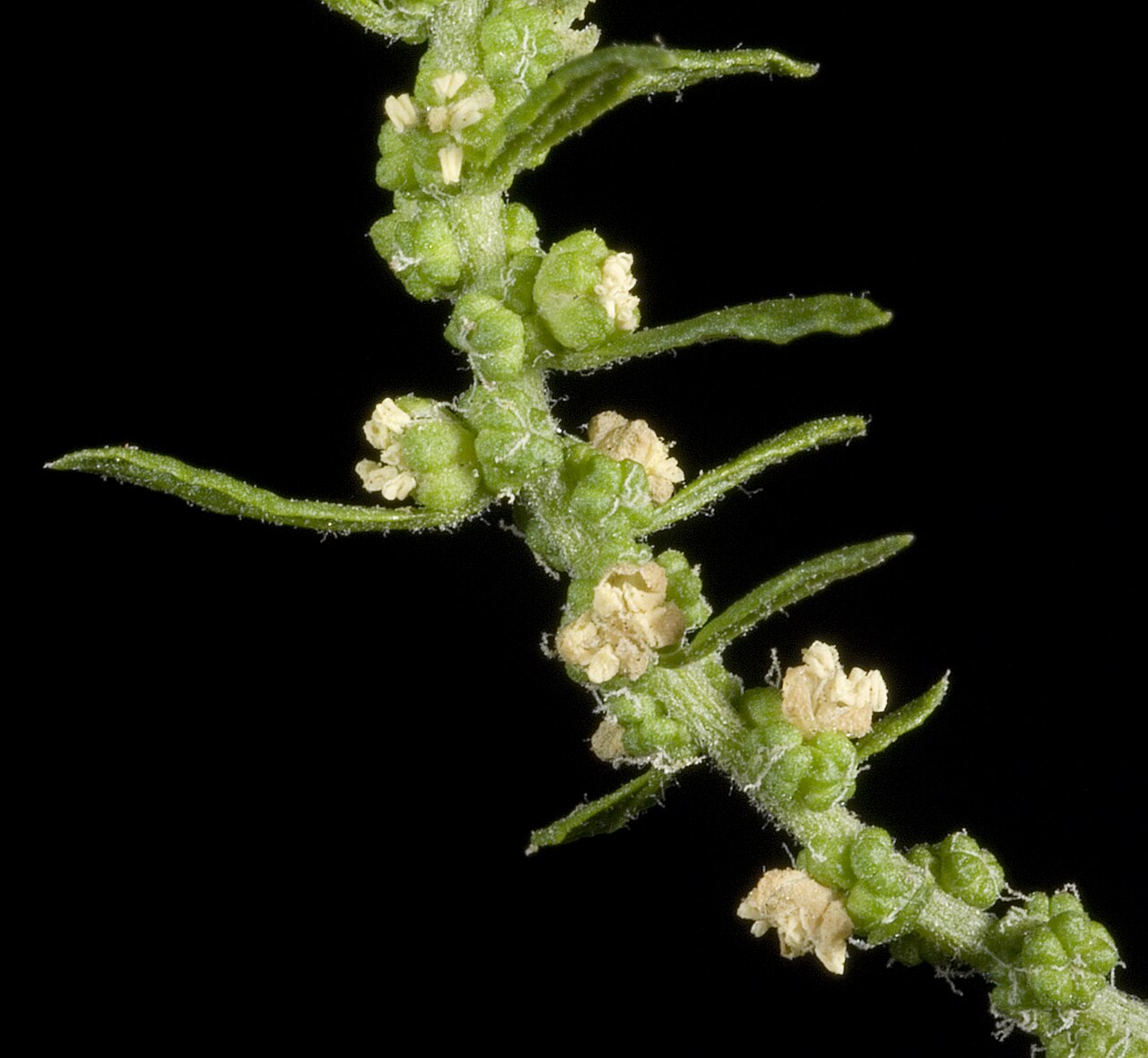
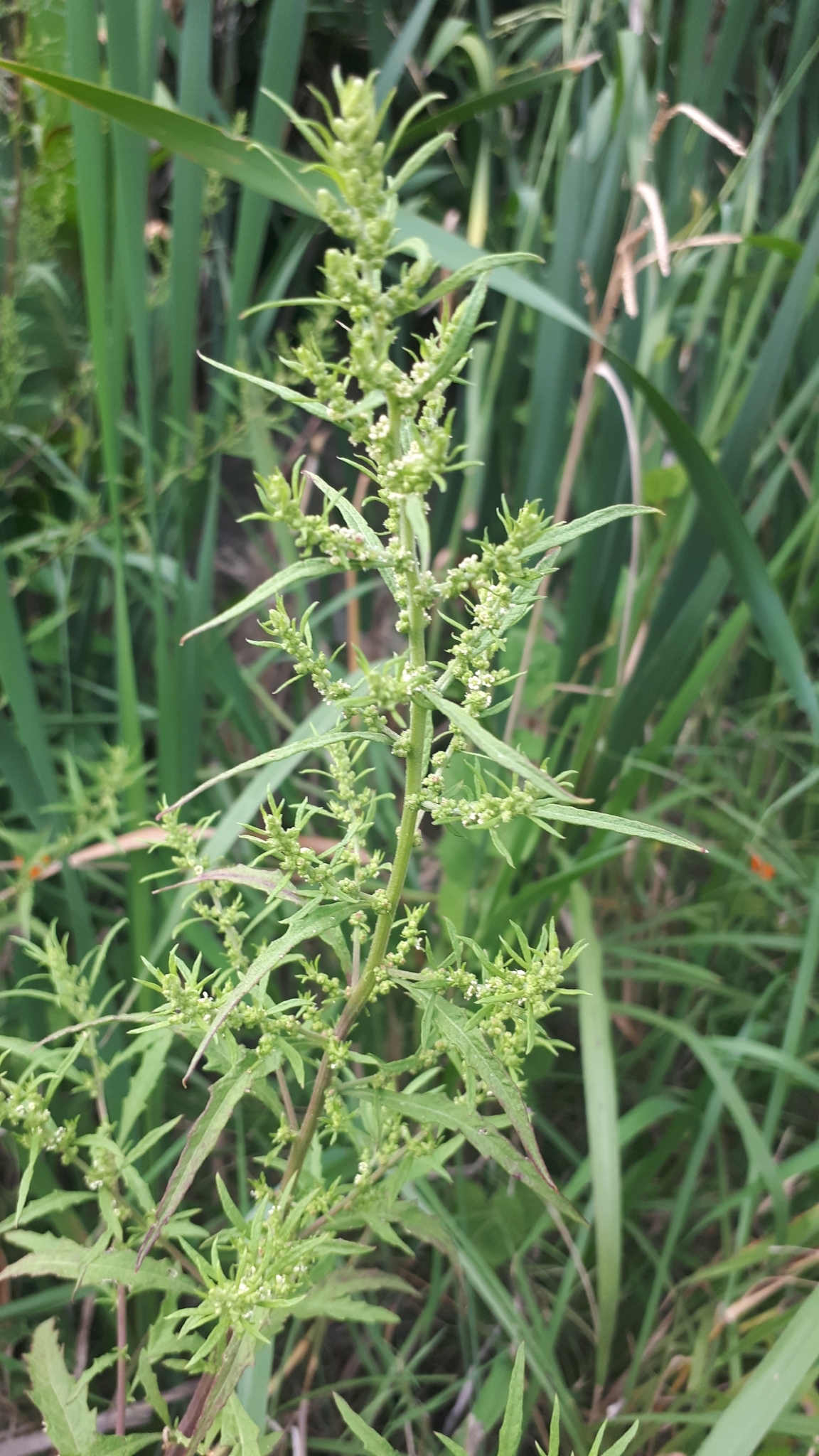
Epazote is a pungent Mexican herb essential to black bean dishes, quesadillas, and mole — its strong, camphor-like, slightly petroleum scent is polarizing, but in beans it is transformative, adding a savory depth that no substitute quite matches. It is also traditionally credited with reducing the digestive effects of beans, a claim with some scientific support since its oils have carminative properties. Epazote is a vigorous, weedy plant that self-seeds aggressively — grow it in a pot or a contained bed, deadhead before it seeds, and do not let it loose in a small garden unless you want it forever. Start from seed sown after frost danger or from nursery plants; it germinates readily and grows fast in heat, tolerating poor soil and drought once established. Plants reach 2-4 feet with toothed, lance-shaped leaves. Use epazote by the pinch, not by the handful: a little flavors a pot of beans, and a lot overwhelms everything else. In Florida and warm climates it grows nearly year-round and may become a permanent resident whether you invite it or not.
Water & feeding
Water moderately — about an inch a week while establishing, less once plants are rooted; epazote tolerates drought and poor soil. It needs almost no feeding: worm castings at planting is more than enough, and fertilizer makes it ranker and more aggressive.
Common problems
- Aggressive self-seeding — deadhead before seeds ripen, or grow in a pot.
- Overpowering flavor — use sparingly; a small sprig per pot of beans is plenty.
- Aphids on young growth — blast with water; plants usually outgrow them.
- Skin irritation — epazote sap can irritate sensitive skin; wear gloves when handling large quantities.
Harvest
Harvest young leaves and tender sprigs as needed, taking no more than a third at once. Use fresh leaves in cooking — epazote loses much of its character when dried, though dried leaves are still usable in beans. Add epazote early in cooking beans so its flavor mellows and infuses the dish; remove stems before serving. A single sprig in a pot of black beans is the classic dose.
Browse all plant & pest guides
Saving seeds
Stop first, because epazote seed saving comes with two warnings that belong before any how-to, and both of them are the reason this plant has a reputation. The first is about spread: epazote, Dysphania ambrosioides, self-seeds with the enthusiasm of a plant that has never heard of moderation, and a single neglected flower head can seed a whole bed, a path, and several pots you were not planning to fill. Treat it like mint’s wilder cousin and grow it in a container or a contained bed if you do not want volunteers everywhere. The second warning is about eating: only the leaves, in small culinary amounts, belong in cooking, and the seeds should never be eaten. Epazote’s signature scent comes from ascaridole, a compound once used as a deworming medicine precisely because it is potent, and concentrated oil and seed are toxic, with the plant also listed as toxic to dogs, cats, and horses. Save seed to grow plants, label the envelope clearly, and keep it out of the kitchen spice rack and away from children and pets.
With that said, actually saving the seed is almost embarrassingly easy, which is why the plant does it for you. Epazote flowers from midsummer into autumn, and the seeds ripen from late summer into early autumn, in clusters of tiny, dark, almost black seeds along the flowering stems. If you want seed, leave a few chosen heads on your best plants, the ones with the strongest scent and the most vigorous growth, and snip off every other flower head before it dries, which is both your seed-saving plan and your weed-control plan. Watch the chosen heads closely, because they go from green to dry and brown and then shatter quickly, and the moment they look dry, snip the whole head into a paper bag. Finish drying the heads for a week or two in a ventilated spot out of direct sun, then rub them gently over a tray and winnow away the papery chaff, leaving the tiny, dark seed behind. There is no stratification ritual, no scarification, no cold treatment: epazote seed wants warmth, light, and a chance, which is exactly what it gets when it falls on bare soil.
To sow saved seed, press it onto the surface of moist mix and barely cover it, because these tiny seeds need light to germinate, then keep the mix damp, not soggy, in warm conditions, and expect sprouts within a week or two. Because the flowers are wind-pollinated as well as self-fertile, growing more than one type for seed at close quarters, such as the red-stemmed Oaxacan type alongside plain green epazote, may give you seedlings that blend the two, so grow one type for seed if purity matters, or accept the mix. Dry saved seed thoroughly before storing, which in Florida humidity takes longer than a northern gardener would guess, then seal it in an airtight jar with a desiccant packet and keep it cool and dark. Since one plant produces seed by the thousand, there is no need to hoard it for years: save a fresh envelope each autumn, use it the following spring, and pull unwanted volunteers while they are small, before their roots settle in. The whole project, done right, is a lesson in plant character: a herb that seasons beans, perfumes the garden with a scent like no other, and will absolutely take over if you let it, so you save its seed the way you keep a clever friend, with affection, firm boundaries, and scissors within reach.
Varieties
Every named variety of Epazote with its own growing guide:
- Oaxacan Red Epazote — The red-stemmed epazote: the classic Mexican bean herb with reddish stems and a stronger, wilder look than plain green epazote.