
🍊 Calamondin
What it looks like

How to grow
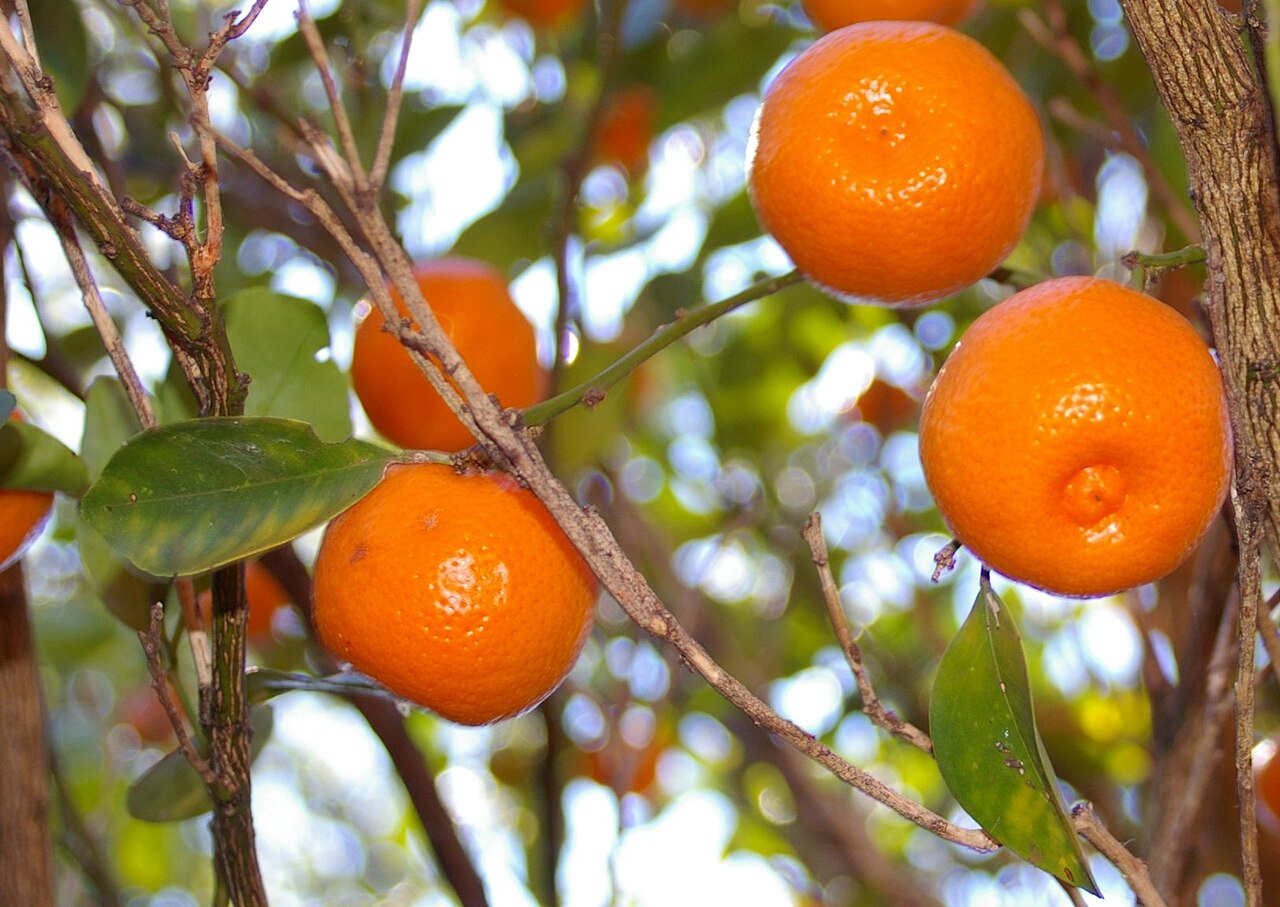
Calamondin is a small citrus hybrid — kumquat crossed with mandarin — that produces golf-ball-sized fruit with a thin, sweet rind and intensely sour pulp. Buy a grafted tree on appropriate rootstock, plant with the graft union above the soil in the warmest, sunniest, best-drained spot you have, and — since citrus greening (HLB) is the defining Florida challenge — start with certified disease-free stock and scout for psyllids. It is the classic container citrus: compact, evergreen, ornamental, and almost constantly in flower or fruit. In zones 9–11, plant outdoors in well-drained soil; elsewhere, grow in a large pot that moves indoors before frost, in the brightest spot you have. Calamondins are self-fertile, so one tree fruits, and they fruit young — often within a year or two of purchase. Prune lightly to shape after harvest, and feed citrus regularly, since container trees exhaust their soil fast. The fruit is used like a lemon — juice, zest, marmalade — and the whole fruit, rind and all, can be sliced into drinks.
Water & feeding
Water when the top inch of soil dries, and never let a container tree sit in a saucer of water — citrus roots rot in standing water. Mulch outdoor trees and feed with a citrus fertilizer through the growing season, easing off in winter. Yellowing leaves often mean overwatering or a nutrient deficiency, not a disease.
Common problems
- Frost — container trees must come indoors before a freeze; outdoor trees need frost cloth on cold nights
- Scale and aphids on indoor trees — inspect regularly and treat with horticultural oil
- Root rot from overwatering — drainage matters more than fertilizer
- Leaf drop after moving indoors — a normal adjustment to lower light; do not overwater in response
Harvest
Pick when the fruit is fully orange and soft — calamondins hold on the tree for weeks, so harvest as needed rather than stripping the tree. Use the juice like lemon juice, slice whole fruit into tea and cocktails, or make marmalade from the thin, sweet rind.
Browse all plant & pest guides
Propagation
Calamondin is a hybrid — kumquat crossed with mandarin — and like most citrus hybrids it rewards vegetative propagation and punishes wishful seed-saving. That does not mean seed is impossible: calamondin seed germinates readily in moist mix, usually within a few weeks, sown about 2 cm deep and kept warm. It means the plant you get is a gamble. Seedlings are slow to fruit, taking several years where a cutting fruits in two or three, and fruit quality, size, and seediness are not guaranteed to match the parent. Sources even disagree about whether calamondin seedlings come true at all, which is itself the answer: if you want the tree you already have, do not roll the dice.
Cuttings are the home method. Take semi-hardwood cuttings in summer, or softwood cuttings in spring, about 10–15 cm long with a few leaves, dip in rooting hormone, and root them in a moist mix under humidity and warmth — roughly 25 °C — for several weeks to a couple of months. Root several at once, because survival is not guaranteed, and keep the winners. Air layering is the other excellent home method, especially for a container tree: wound a branch, wrap it in moist sphagnum moss under plastic, and wait for roots before cutting it free — it gives you a larger plant faster than a cutting. Grafting or budding onto a citrus rootstock like sour orange is the orchard method and the route for a tree that must be vigorous and uniform; calamondin is unusual among citrus in that it also fruits happily on its own roots, so a cutting-grown tree is a real tree, not a compromise.
Calamondin is self-fertile, so a single tree fruits without a pollination partner, and it bears nearly year-round once established — which is why one good tree is worth propagating properly rather than raising a crowd of maybe-trees from seed. In Florida, calamondin is at home outdoors in the warmer zones and a container plant elsewhere; keep cuttings warm and humid, never let a newly rooted plant dry out, and label your pots, because a calamondin seedling and a calamondin cutting look identical until one of them fruits years later than the other.
Varieties
The one named form of Calamondin with its own growing guide (a form, not a fruit variety):
- Peters Variegated Calamondin — The same beloved little sour orange, dressed up in cream-and-green leaves and faintly striped fruit.