
🐱 Catmint
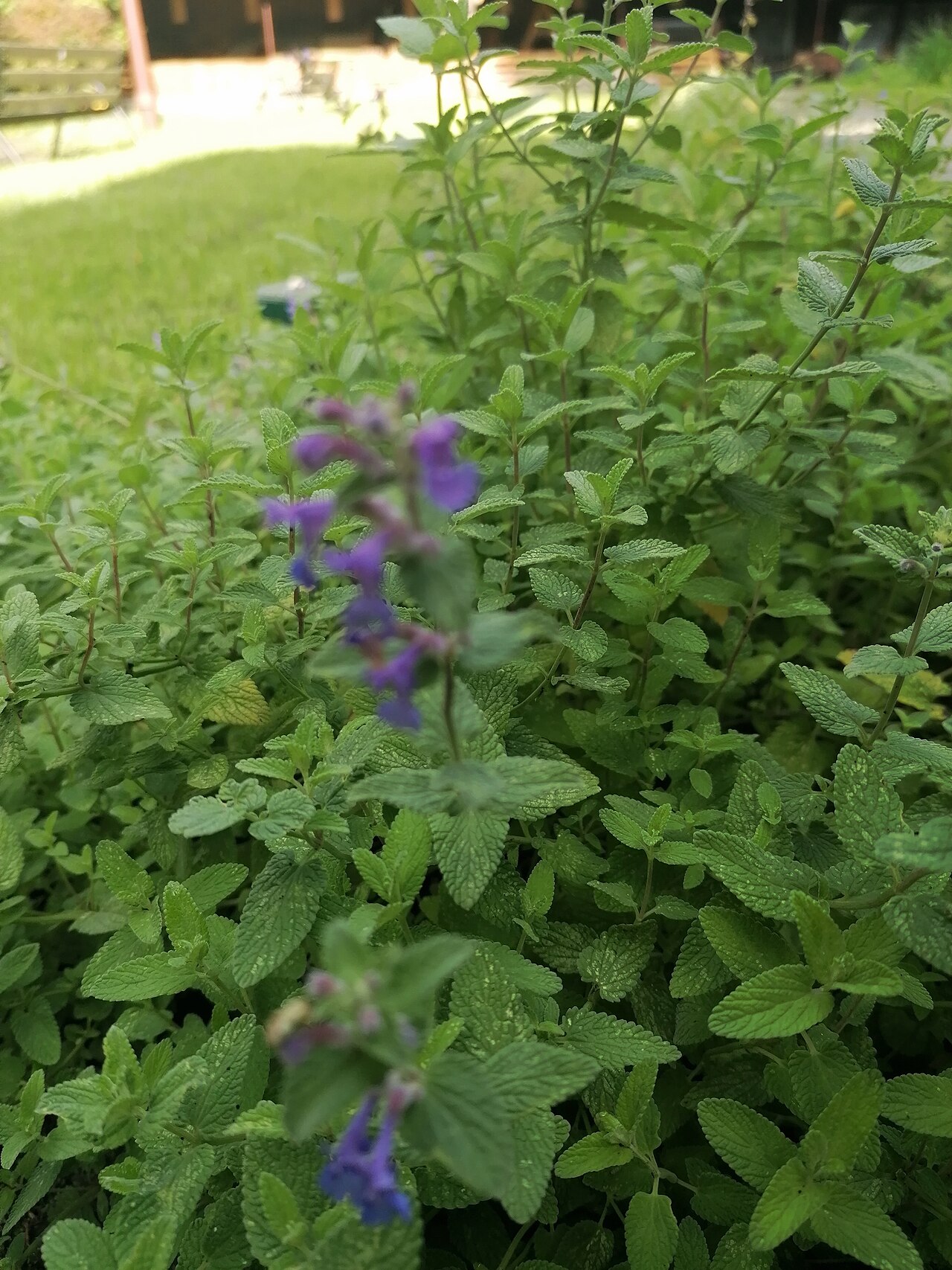
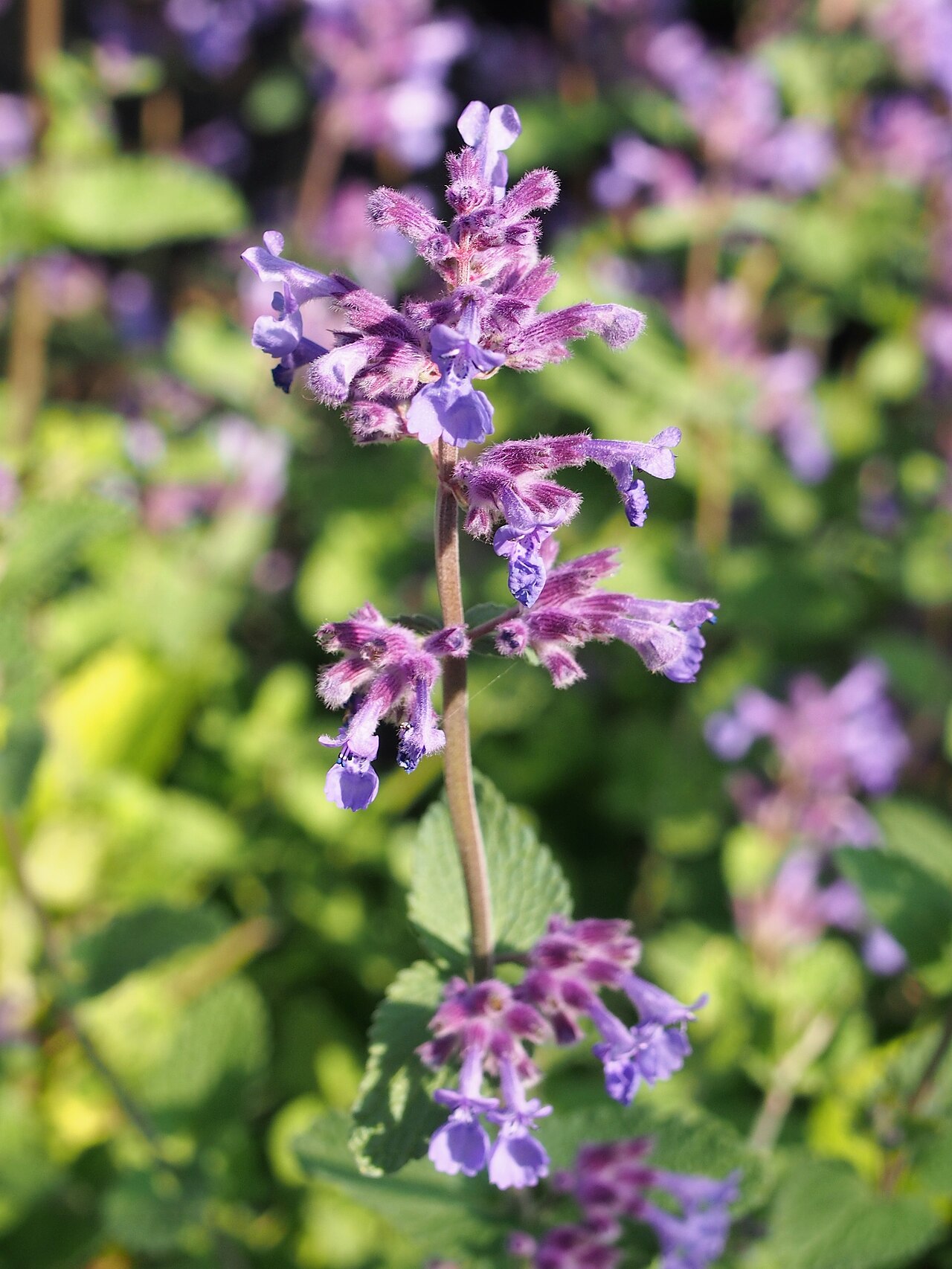
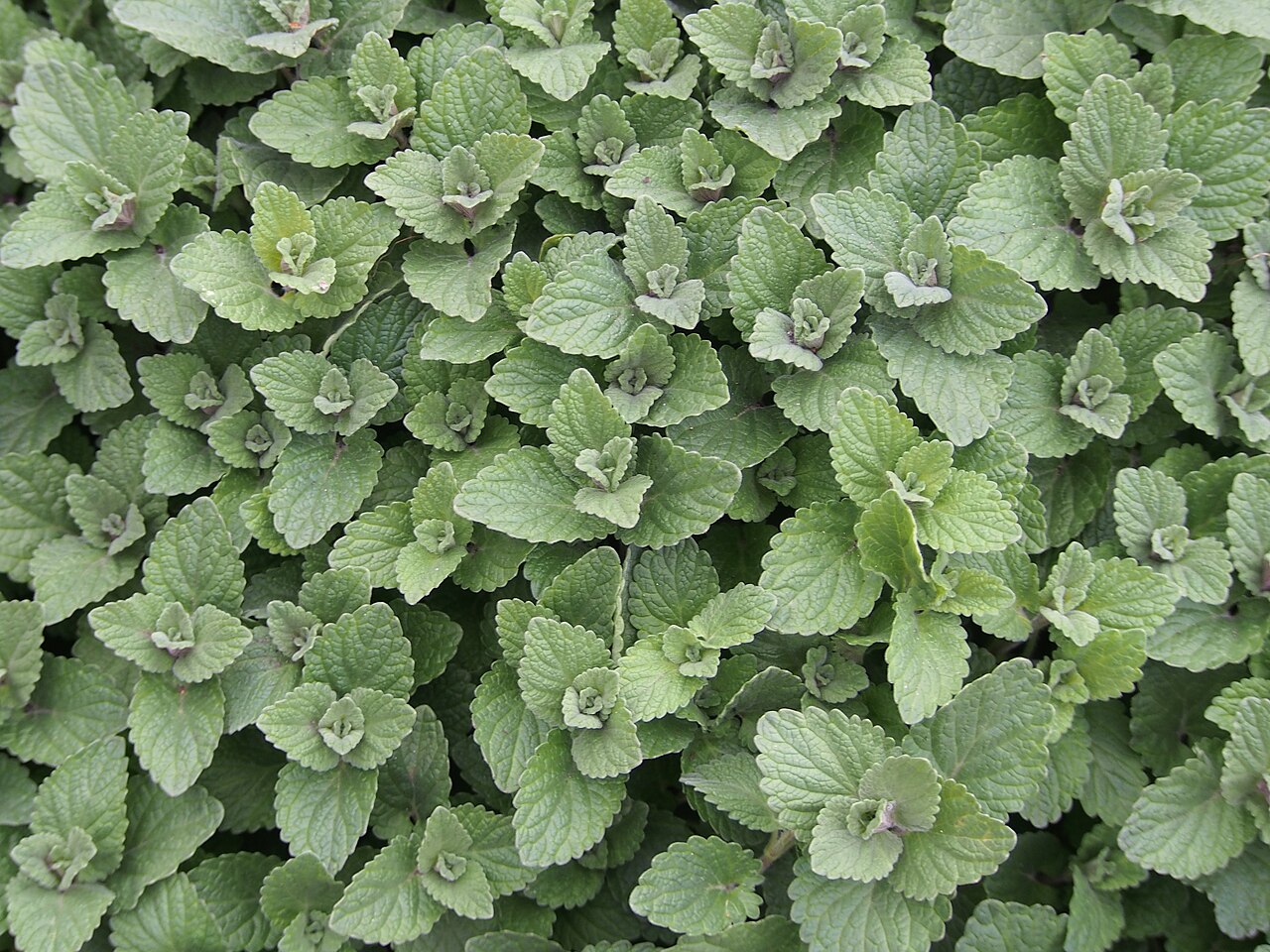
What it looks like
How to grow
Plant in spring in full sun and well-drained soil — catmint is the low-maintenance perennial that landscapers reach for when they want months of lavender-blue bloom without babysitting. ‘Walker’s Low’ is the classic (taller than its name suggests, about 2–3 feet); ‘Junior Walker’ and ‘Cat’s Meow’ stay compact. It tolerates drought, poor soil, and heat, and deer and rabbits leave it alone. Shear it back by half after the first flush and it reblooms. Note: this is an ornamental perennial, not a culinary or medicinal herb — it is grown for flowers and foliage, and cats’ interest in it is a bonus, not the point.
Water & feeding
Water to establish; mature catmint is drought-tolerant and needs little supplemental water. Wet, poorly drained soil is its main enemy.
Common problems
- Flopping in the center after the first flush — shear back and it regrows neatly
- Few pests; occasionally aphids
- Cats rolling in it — a feature for some gardens, a flattened plant for others
Harvest
Shear back by half after the first bloom flush for a tidy rebloom. Cut back in late winter before new growth.
Propagation
Here is the twist that makes this section a propagation note instead of a seed-saving one: the catmint in this guide is Nepeta × faassenii, and the little × in its name is doing real work. It is a hybrid, and it is sterile, or so nearly sterile that it sets no viable seed worth saving. There is no seed envelope to fill, no drying rack, no viability chart, because the plant declined to participate in that part of gardening. That sterility is a feature, not a flaw: it is why this catmint billows politely in its border instead of seeding itself across the neighbourhood the way its fertile cousin catnip does. But it does mean that every new plant must be made by hand, from the plant itself, and happily both methods are easy.
Division is the workhorse. Every few years, in spring as new growth appears or in early fall, lift a mature clump and slice it with a sharp spade or knife into pieces, each with a good clump of roots and several shoots attached. Replant the pieces at the same depth they grew before, water them in well, and they will settle fast. Division also rejuvenates the parent: the centre of an old catmint clump often goes woody and bare, and cutting it apart is less surgery than rescue, giving each piece fresh room and fresh roots. If you only ever learn one catmint skill, learn this one.
Softwood cuttings are the second route, and they are almost indecently willing. In spring or early summer, cut healthy, non-flowering stems about three to four inches long, just below a leaf node, strip the lower leaves, and stick the cuttings in a moist, gritty mix in indirect light. Roots form within a few weeks, with or without rooting hormone; the hormone may speed things slightly, but catmint rarely needs persuading. Keep the mix moist but not soggy, because a cutting sitting in wet mix is a cutting auditioning for rot, and in Florida humidity that audition succeeds far too often. Gritty mix, airflow, and water only when the surface dries will get you rooted cuttings instead of mush.
Both methods share the virtue that matters most for a named cultivar: they are clones. A division or cutting of ‘Walker’s Low’ is ‘Walker’s Low’, full stop, while a seedling, on the rare occasion a fertile catmint sets one, is a genetic remix that may or may not resemble its parent. One Florida caveat to close: this guide rates catmint for zones 4 to 8, so in Florida it is a north-Florida plant at the warm edge of its comfort, and divisions and cuttings establish best when made in the cooler months, with sharp drainage, rather than in the depth of summer heat. Make your new plants when the weather is kind, and they will repay you with years of lavender-blue billow, no seed packet required.
Browse all plant & pest guides
Varieties
Every named variety of Catmint with its own growing guide:
- Blue Wonder Catmint — The dwarf edger: a compact 12-inch mound of deep blue flowers, the catmint for path edges and containers.
- Cat’s Meow Catmint — The tidy low one: a compact, 17- to 20-inch mound of sky-blue flowers that stays neat without flopping.
- Six Hills Giant Catmint — The giant: a 3-foot billowing mound of lavender-blue, the catmint for big borders and big statements.
- Walker’s Low Catmint — The catmint standard: billowing lavender-blue spikes over gray-green foliage, the 2007 Perennial Plant of the Year.
- Purrsian Blue Catmint — The dense blue catmint: up to 50% more flower spikes than Walker’s Low on a compact, tidy mound — the improved catmint for the front of the border.
- Little Trudy Catmint — The petite heat-lover: a tight 10- to 12-inch mound of violet-purple flowers with finely cut, airy foliage — the catmint for hot gardens and small spaces.
- Snowflake Catmint — The white catmint: the same billowing, bee-beloved habit in clean white flowers — the catmint for moon gardens and pale borders.