
🔴 Mayhaw
What it looks like
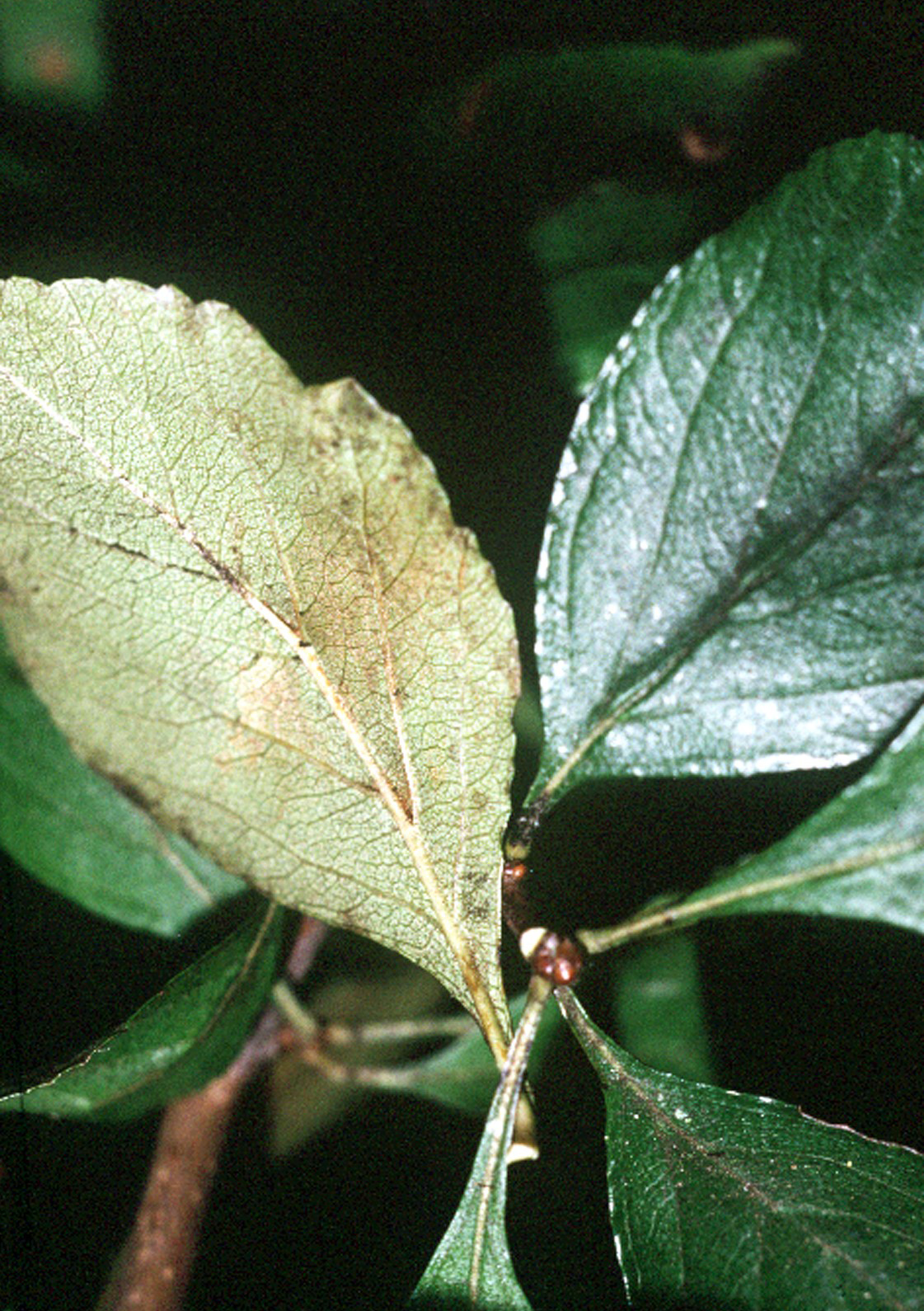
How to grow
Mayhaw is a native southern hawthorn that grows in wet lowlands and pond edges across the Gulf South, and it is grown for one glorious product: mayhaw jelly, made from small, tart, apple-like fruit that ripens in May — hence the name. In a garden, plant it where it can have moisture: it tolerates seasonal wetness that would drown most fruit trees, though it also grows in ordinary well-drained soil with watering. Buy named varieties (‘Super Spur’, ‘Texas Star’) for larger fruit and reliable crops rather than wild seedlings. Mayhaws are generally self-fertile, though a second tree improves set. Prune in winter to an open form, and be aware that, like all hawthorns, mayhaw is thorny — site it away from play areas and paths.
Water & feeding
Keep soil moist, especially during fruit development; mayhaw tolerates wet ground but still fruits better with consistent moisture in a garden setting. Mulch to hold water. Light feeding in spring is enough.
Common problems
- Cedar-hawthorn rust where junipers or red cedars grow nearby — choose resistant varieties and avoid planting next to cedar
- Thorns — gloves and long sleeves for pruning and harvest
- Fruit drop in drought — steady moisture during fruiting prevents it
- Birds and raccoons taking fruit — net small trees if the jelly matters to you
Harvest
Pick when the fruit is fully colored (red, yellow, or orange depending on variety) and slightly soft — mayhaws ripen over a couple of weeks, so check frequently. Use fresh within a day or two, or cook into jelly, juice, or wine; the tartness that makes them mediocre raw makes them superb cooked.
Browse all plant & pest guides
Saving seeds
Mayhaw seed is a patience project, and the honest starting point is the timeline. The fruit ripens in spring — May, which is where the name comes from — and the seed inside it needs two seasons of coaxing before it germinates. If you want a particular mayhaw, buy a grafted tree. If you want the experiment, or a free tree for a wet corner, seed is your friend.
Collect the red haws when they are fully ripe and soft, usually in May. Mash the fruit gently in a bowl of water and rinse the pulp away. The seed sinks and the pulp floats, which makes cleaning simple. Dry the seed for a few days, then stratify it: mix it with damp sand in a sealed bag and give it a warm period followed by a cold period, mimicking a summer and a winter. Sources disagree on the exact lengths — some say a few months warm and a few months cold, others say longer — and the honest answer is that hawthorn seed is doubly dormant and varies by seed lot. A full year of stratification, warm then cold, is the safe middle ground.
Sow the stratified seed in spring in moist, humus-rich soil, and be patient. Germination is uneven and slow, sometimes taking a second season, so sow generously and do not dig the bed up in frustration. Seedlings are variable, which is the honest trade. A mayhaw grown from seed will be a mayhaw, but its fruit size, flavor, and productivity will be its own. Named cultivars do not come true from seed, full stop. Grafting is the route to an exact copy.
Florida is mayhaw country, at least in the north and center. The tree is native here, it thrives in wet soil and swamp edges, and its jelly is worth wading into a swamp for. The seed you save is next year’s jelly, and it costs nothing but patience.
Varieties
Every named variety of Mayhaw with its own growing guide:
- Super Spur Mayhaw — The high-yield mayhaw — large reddish-yellow fruit, and the variety Texas trials rate highest for yield and form.
- Texas Star Mayhaw — The early, large-fruited mayhaw — deep red fruit with pink flesh, and one of the earliest to flower.
- Big Red Mayhaw — The late, heavy-producing mayhaw — large red fruit with pink flesh, ripening after the early varieties.