
🍒 Sour Cherry
What it looks like
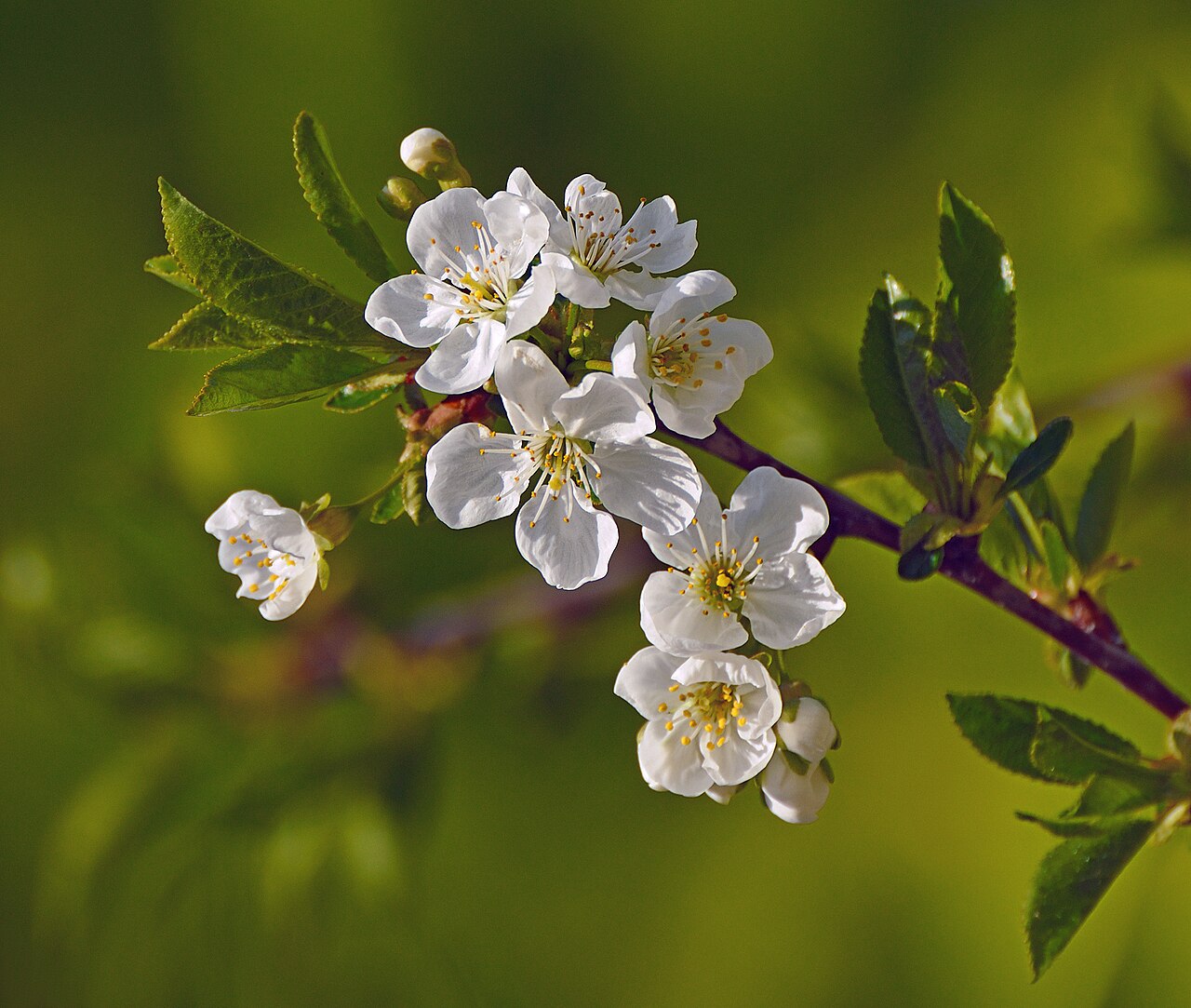
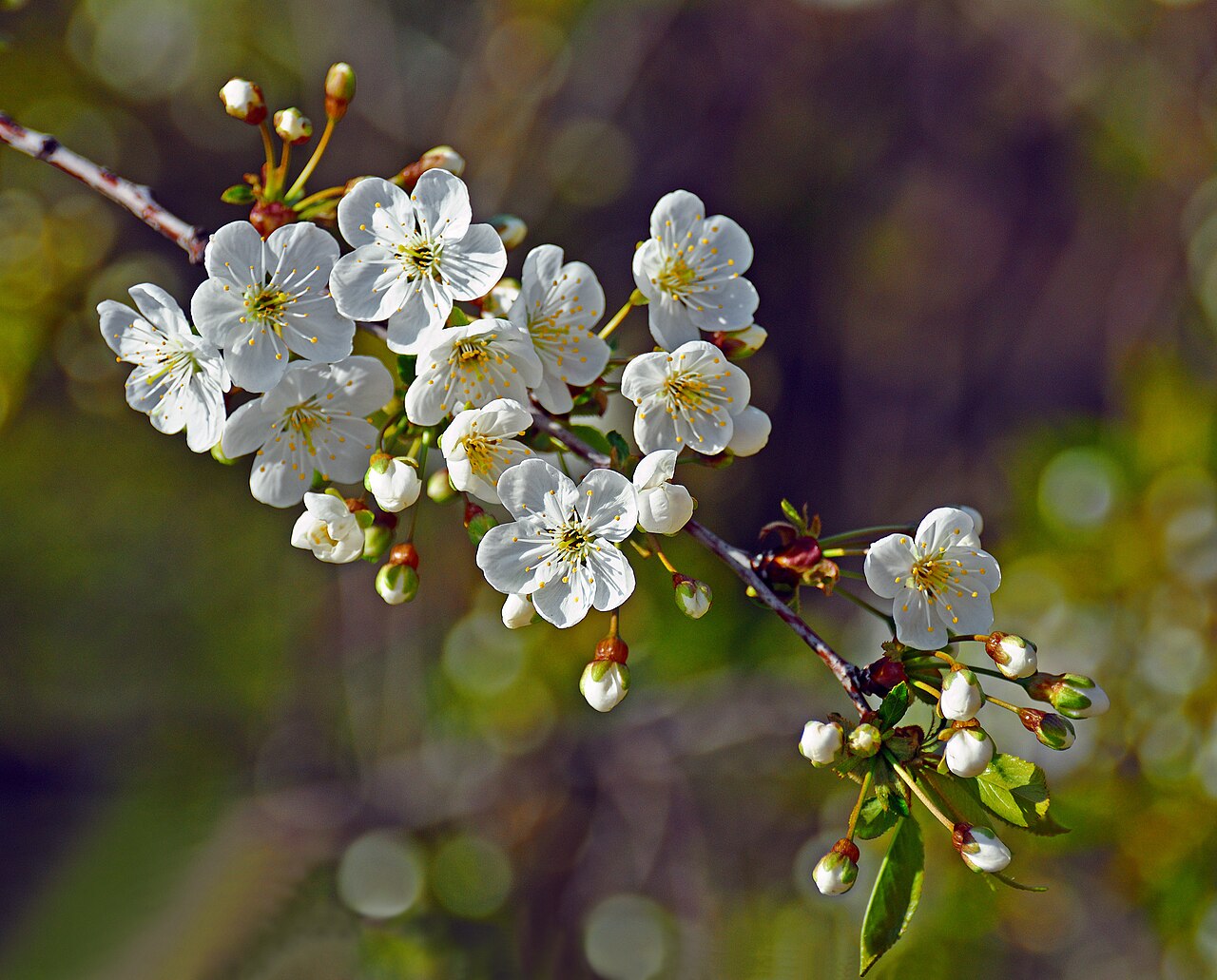
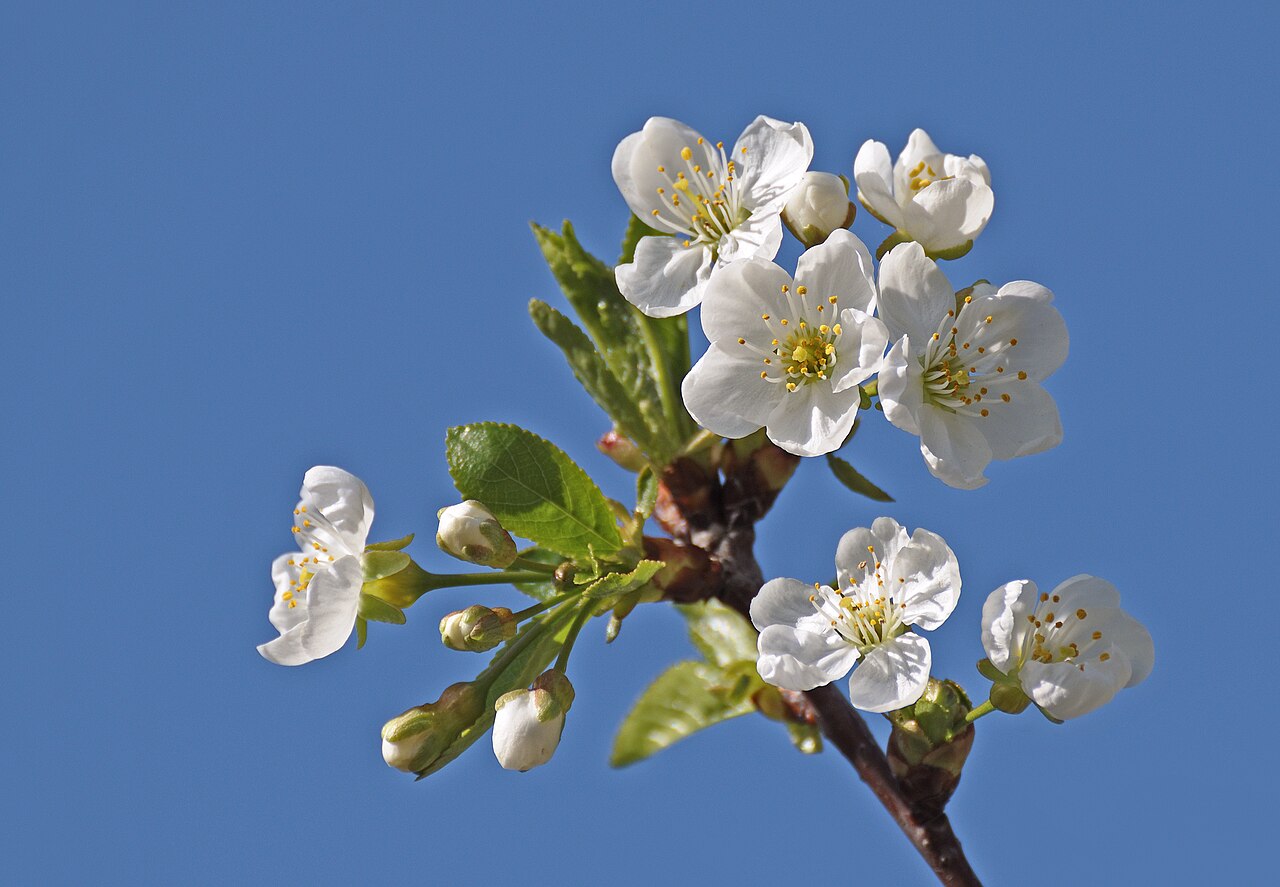
How to grow
If sweet cherries are the divas of the orchard — cracking in rain, demanding pollinizers, sulking in cold — sour cherries are the reliable understudies who actually show up. They are hardier, mostly self-fertile, and smaller trees, which makes them the sensible cherry for most home gardens north of the subtropics. ‘Montmorency’ is the classic pie cherry; ‘North Star’ is a natural dwarf (8–10 feet) that suits small yards and cold zones. Plant dormant bare-root trees in early spring, in well-drained soil and never in a frost pocket, since cherry blossoms are frost-tender. Prune to an open center and keep the canopy airy — cherries punish crowding with disease.
Water & feeding
Deep watering during establishment and dry spells; mature trees tolerate some drought but fruit size suffers without steady moisture. Mulch to hold moisture and keep grass from competing at the root zone. Avoid over-fertilizing — lush, soft growth invites canker and aphids.
Common problems
- Cherry leaf spot — yellow-spotted leaves dropping by midsummer; rake fallen leaves and choose resistant varieties
- Brown rot on ripening fruit, worse in wet seasons; thin clusters for airflow
- Black knot — hard black swellings on branches; prune well below them in winter and destroy the prunings
- Birds, who consider your ripening crop a personal buffet — net before the fruit colors, not after
Harvest
Sour cherries do not look ripe when they are merely red — wait until they are deep, dark, mahogany red and soft, or the pie will pucker you into next week. Pick with stems attached, in the cool of morning, and process the same day; they are a cooking cherry, and cooking is where they beat sweet cherries outright.
Browse all plant & pest guides
Saving seeds
Sour cherry seed needs winter. Give the pits two to three months of cold, moist stratification — mix them with damp sand or vermiculite in a bag and refrigerate them, or sow in fall outdoors and let the season do it. Sow in spring, about an inch deep, and germination usually comes in a few weeks after the chill. Without the cold, the pits sit there and do nothing.
Save pits from fully ripe fruit — the darkest, sweetest-tartest cherries on the healthiest tree — and clean the flesh off, because pulp inhibits germination. Dry the pits briefly, then stratify them; do not let them dry out completely, or viability drops. Sow more than you need, since germination is uneven.
Seedlings will vary, and that is the nature of cherries: a seedling of a named sour cherry will not be the same cherry. Named cultivars — Montmorency, Morello, and the rest — come only from grafting. Seed is for rootstocks, for the adventure, and for the gardener who does not mind a surprise cherry in five to seven years.
And a safety note: cherry pits contain amygdalin, which breaks down into cyanide — do not eat the pits, and keep them away from children and pets. The fruit is the food; the pit is the seed, and it belongs in the soil, not in a mouth.
Varieties
Every named variety of Sour Cherry with its own growing guide:
- Montmorency Sour Cherry — The pie cherry by which all pie cherries are judged: bright, tart, self-fertile, and the sour cherry for baking, jam, and juice.
- North Star Sour Cherry — The dwarf pie cherry: a small, self-fertile sour cherry that fits a small yard and still bakes like a full-sized tree.