
🍈 Sugar Apple
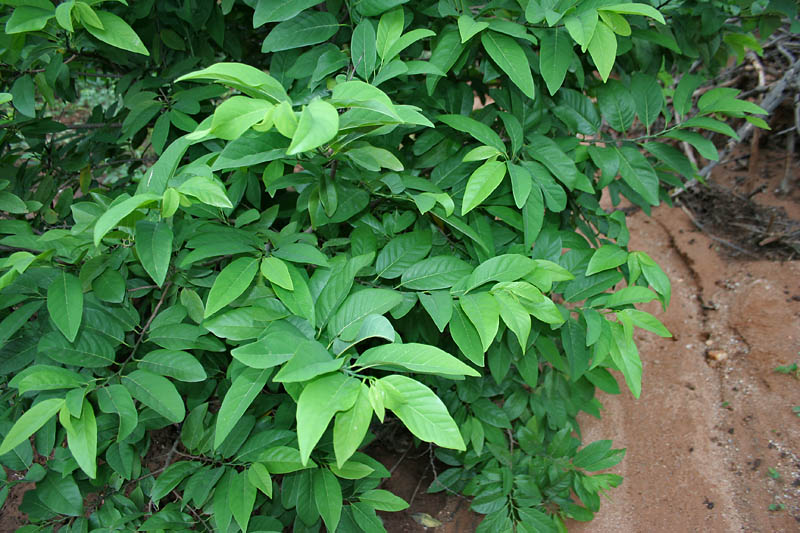
What it looks like

How to grow
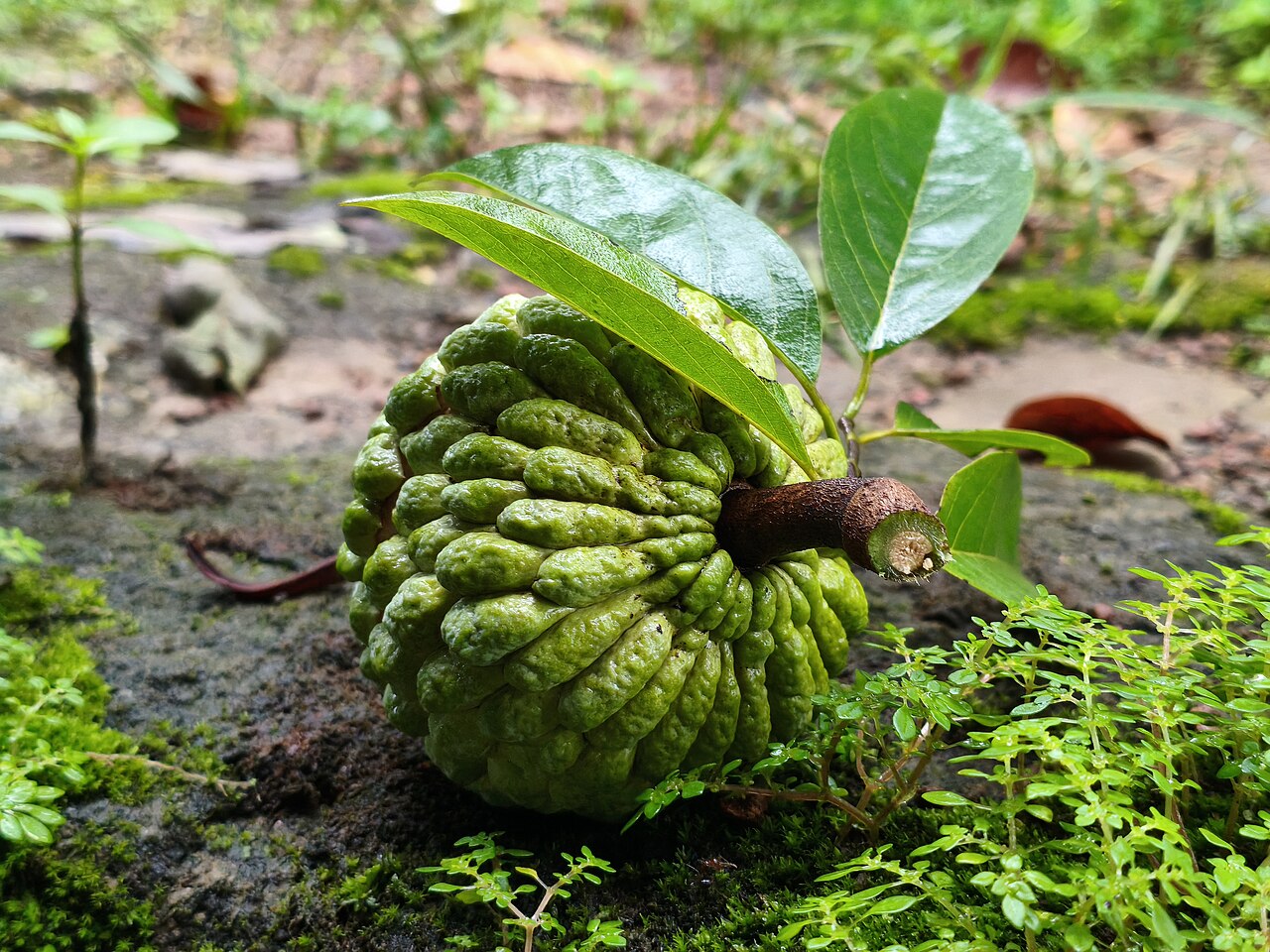
Sugar apple — sweetsop — is the most widely grown Annona in the tropics, a small tree (12–20 feet) that produces knobby, green fruit whose segments pull apart to reveal sweet, creamy flesh. Plant in spring in well-drained soil in a frost-free spot; sugar apples are more drought-tolerant than soursop but just as frost-sensitive. They are self-fertile, though hand-pollination improves fruit set and size, since the flowers’ male and female stages do not overlap neatly. Prune in spring to keep the tree compact and to encourage new fruiting wood — sugar apples fruit on new growth, so annual pruning is productive, not cosmetic. In cooler subtropical pockets, grow in a large container and overwinter indoors while the tree is small, accepting that a mature tree will outgrow the pot.
Water & feeding
Water regularly during growth and fruiting, easing off slightly in winter; sugar apples tolerate brief drought but drop fruit if stressed during development. Mulch and feed in spring and midsummer.
Common problems
- Frost — the hard limit; protect young trees and accept zone 10–11 outdoors
- Poor fruit set without hand-pollination — brush pollen between flowers in the morning
- Mealybug and scale in warm regions — treat with horticultural oil
- Fruit splitting after heavy rain following drought — keep watering even
Harvest
Pick when the segments between the knobs have widened and the fruit gives slightly — a ripe sugar apple may begin to split open on its own, which is your signal, not a defect. Eat fresh by pulling segments apart and spitting the seeds, or scoop the flesh for desserts.
Browse all plant & pest guides
Saving seeds
Sugar apple seed is best sown fresh. Clean the pulp off the seed, rinse it, and sow it within a few days — seed that dries out loses viability fast, and seed stored for weeks is mostly dead. Sow in a warm, moist mix at 75 to 85°F, about an inch deep, and germination usually comes in two to four weeks.
Save seed from fully ripe fruit — the sweetest, most fragrant sugar apple on a healthy tree — and sow more than you need, since germination is uneven. Seedlings vary in fruit quality and in how seedy the fruit turns out, and the only way to lock in a named type is grafting. Seed is for the adventure, and sugar apple is worth the gamble.
Young seedlings are tender and need shade for the first year, so keep them out of direct sun and sheltered from wind and cold. Growth after germination is steady, and the tree starts fruiting three to five years after sowing in a warm climate.
In Florida, sugar apple is a warm-climate fruit for zones 10 to 11, happiest in the southern part of the state in a sheltered, frost-free spot. Start seedlings in pots, keep them warm through winter, and plant them out only when the weather is reliably warm — a single cold night can undo a year of growth.
Varieties
Every named variety of Sugar Apple with its own growing guide:
- Thai Lessard Sugar Apple — The Florida sugar apple to plant first: a green type with big, sweet, custard-segmented fruit, listed by UF/IFAS.
- Kampong Mauve Sugar Apple — The purple sugar apple: purplish-red fruit with sweet berry-custard flavor — the pretty one that tastes as good as it looks.