
🫐 Tayberry
What it looks like
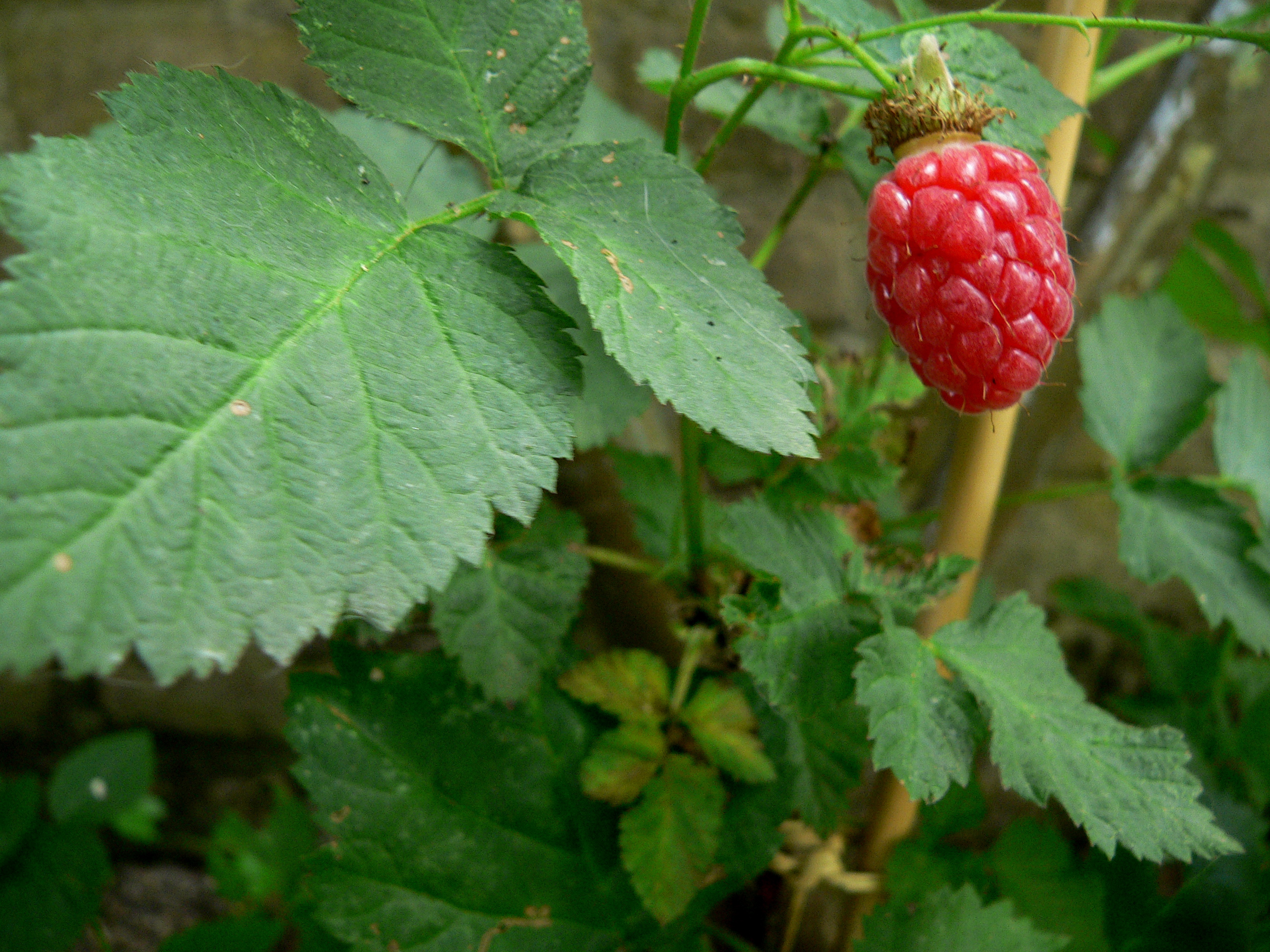
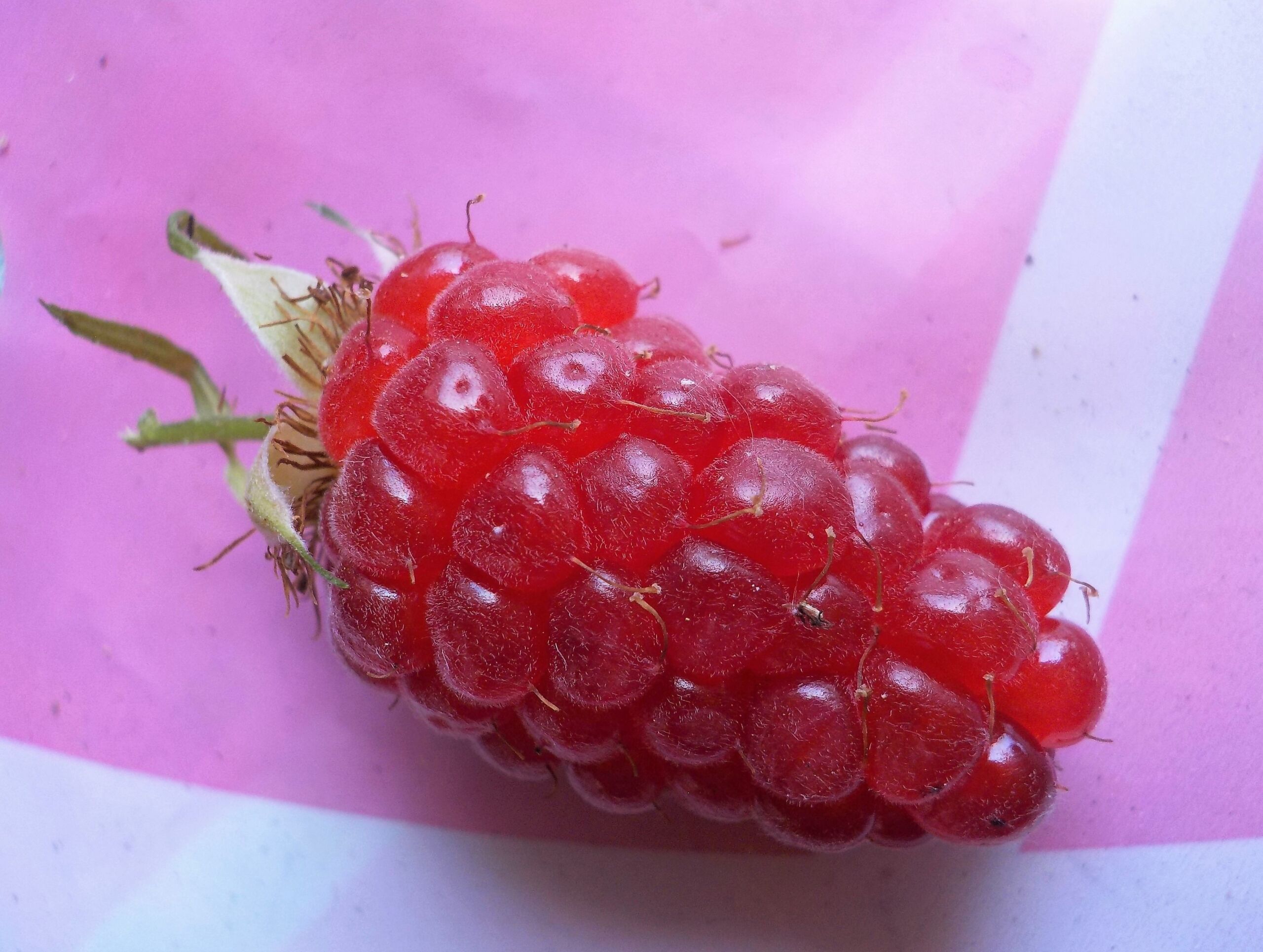
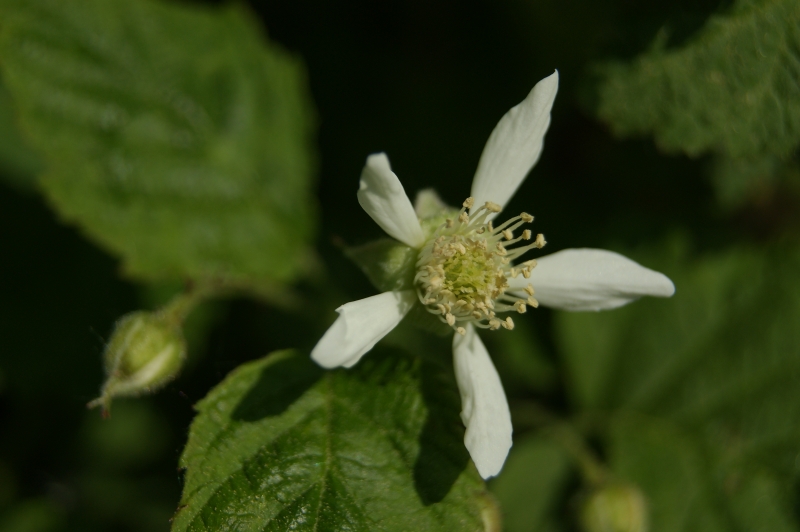
How to grow
Tayberry is a Scottish-bred caneberry — blackberry crossed with raspberry — named for the River Tay, and it is arguably the best all-rounder of the hybrid berries: large, sweet-tart, aromatic fruit on vigorous trailing canes, with thornless selections available. Grow it like other trailing caneberries: plant dormant canes in late winter in rich, well-drained soil, train new canes to a trellis, fruit on second-year canes, and cut fruited canes out after harvest. Tayberries are self-fertile, so one plant fruits. They are more productive and sweeter fresh than loganberries, which makes them the better choice if you want a hybrid berry for eating out of hand as well as cooking. In cold zones, lay canes down and mulch for winter.
Water & feeding
Deep, regular watering during cane growth and fruiting; tayberries are thirsty, and dry soil gives small, seedy berries. Mulch thickly and feed in spring. Avoid late nitrogen that pushes soft growth into winter.
Common problems
- Birds — net before the berries darken, or share the crop
- Vigor — tayberry canes grow long and fast; trellis and prune annually or lose the row
- Gray mold in wet, crowded plantings — space for airflow and pick promptly
- Spotted-wing drosophila in late summer — pick frequently and remove overripe fruit
Harvest
Pick when the berries are fully dark red-purple, soft, and slip easily from the core — ripe tayberries are sweet-tart and aromatic, excellent fresh and superb cooked. Harvest every couple of days in season.
Browse all plant & pest guides
Propagation
The honest headline: tayberry is a hybrid, and seed will not give you a tayberry. It is a cross of blackberry and raspberry, and a seedling will reshuffle the parents — some thorny, some not, some sweet, some sour, and none of them the tayberry you planted. Named berries come only from cuttings and layering.
Tip layering is the easy route, and it is how tayberries have always been passed along. In late summer, bend a long cane down to the soil, bury the tip a few inches deep, and pin it in place with a stone or a wire staple. By fall it will have rooted; cut it from the parent in winter or spring and plant it out. Every layered plant is a clone of the parent, so the berries you love are the berries you get.
Cuttings also work: take hardwood cuttings in winter, or softwood cuttings in summer, and root them in moist mix. Division of a suckering clump is another route — lift a rooted sucker in fall and replant it. All three methods give you the same plant, which is the point.
In Florida, tayberry is a marginal berry at best — it wants a real winter to set fruit, and Florida gives it a short one. Your best shot is north Florida, in sun and rich, moist soil, with a strong trellis. If it fruits for you, treasure it; it is earning its keep against the climate.
Varieties
Every named variety of Tayberry with its own growing guide:
- Buckingham Tayberry — The thornless tayberry — Scotland's big, sweet-tart hybrid berry without the spines.