
🍃 Orach
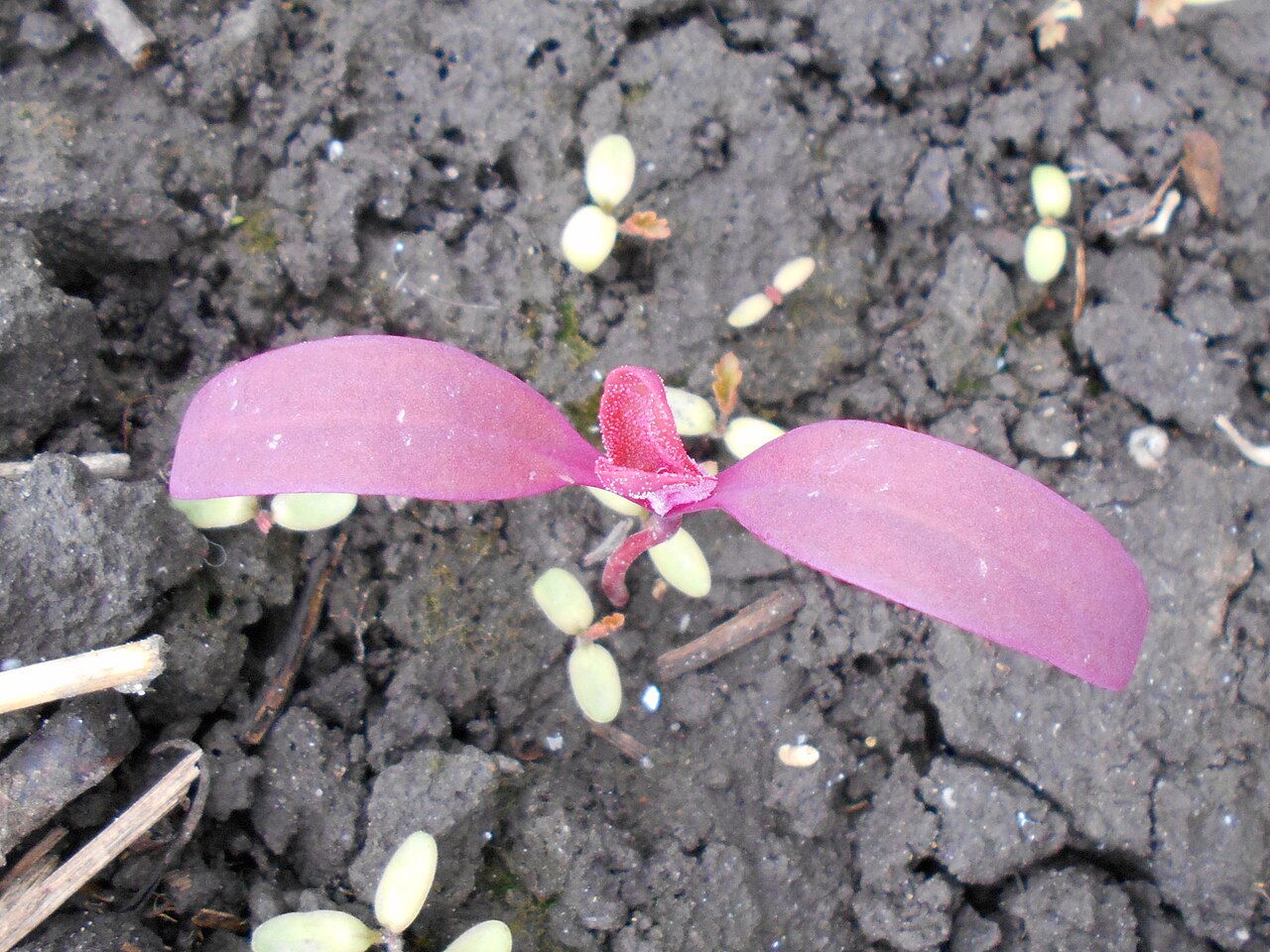
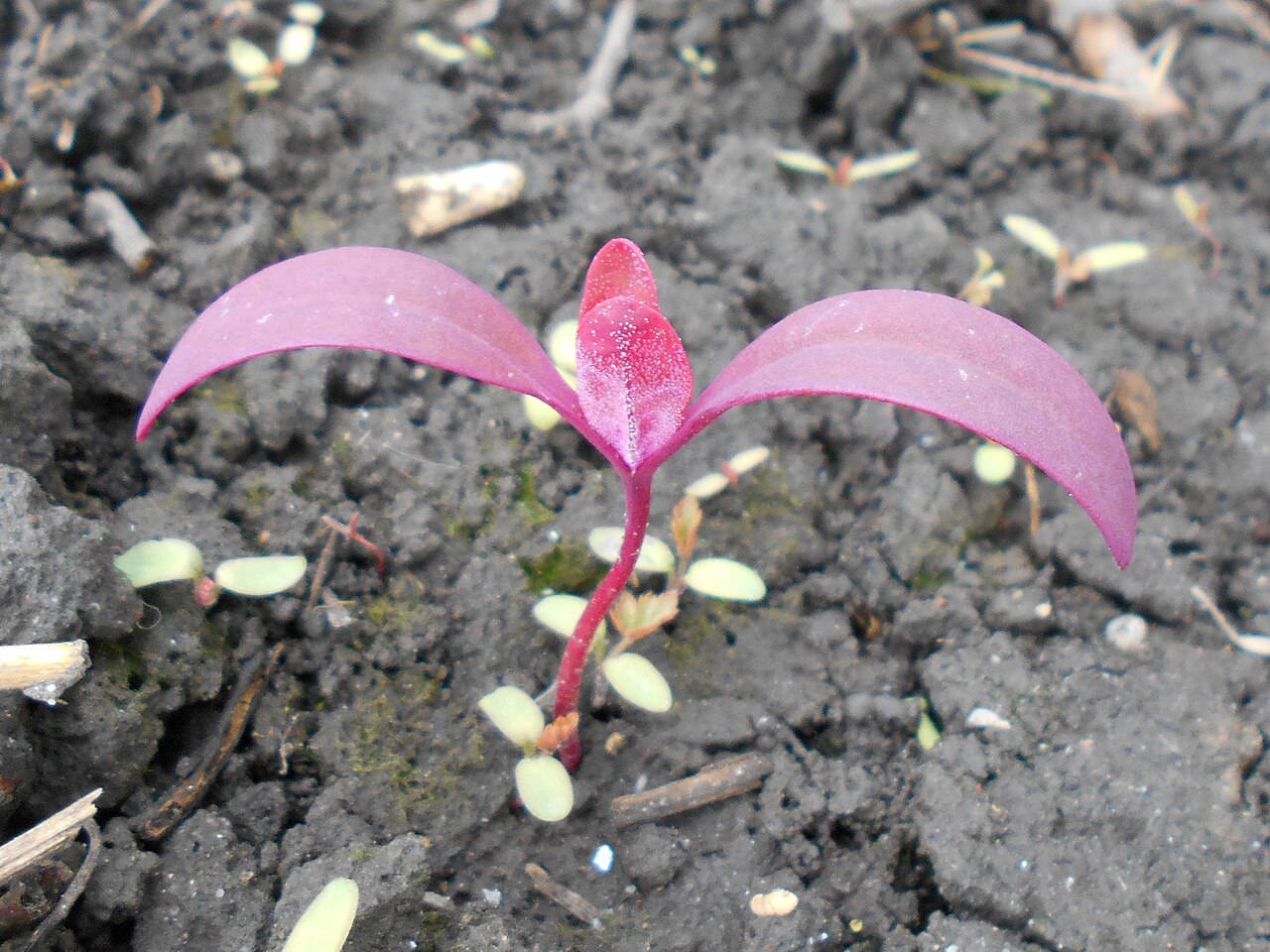
What it looks like

How to grow
Orach, also called mountain spinach or French spinach, is a tall, hardy annual grown for leaves that cook like spinach but hold up longer into warm weather. Direct-sow in spring as soon as soil can be worked — it germinates at low temperatures in 7–20 days — sowing 1/4 inch deep in rows 12–18 inches apart, then thin to about 12 inches. Plants can reach 4–6 feet if left alone, so harvest young to keep them manageable. Orach tolerates poor, salty, and alkaline soils that would sulk other greens, and it is slower to bolt than spinach, which is the whole point of growing it. Sow again in midsummer for a second harvest of tender leaves.
Water & feeding
Keep soil moist for germination and for tender leaves, but established orach is fairly drought-tolerant; dry spells push it toward flowering, so water in hot, dry weather. It needs little fertilizer — compost at planting is plenty, and heavy nitrogen can make rank, coarse growth.
Common problems
- Bolting and coarse leaves — pick regularly, pinch flower buds, and cut plants back hard to force a second flush.
- Tall, floppy plants — harvest young, or stake a plant you are saving for seed.
- Aphids — blast with water; orach is generally trouble-free.
- Self-seeding everywhere — pull volunteers you do not want, or let a few seed for next year’s free crop.
Harvest
Pick young leaves from about 35–45 days after sowing, taking outer leaves first, or cut whole young plants at 4–6 inches for cut-and-come-again greens. Older leaves are best cooked. Use orach exactly like spinach in salads, sautés, soups, and stuffed leaves — red and gold types add striking color to a salad bowl. Leaves wilt within hours of picking, so harvest close to mealtime or chill promptly.
Browse all plant & pest guides
Saving seeds
Orach is one of the easiest leafy greens to save seed from, and one of the most generous — a few plants left to go to seed will give you more than you can use in a year. Let your best plants bolt and set seed: the small flowers along the upper stems ripen into dry, papery seed clusters, and the seed shakes loose easily when the clusters turn brown. Snip the dry stalks into a paper bag on a dry day, crush them gently, and winnow out the chaff. The seed is small, flat, and dark, and a single plant can fill a jar.
There is almost nothing to get wrong. Orach seed needs no stratification, no scarification, and no special treatment: sow it directly where you want it to grow, shallowly, after the last frost — or in fall, in Florida’s cool season — and it will sprout within a week or two in warm, moist soil. It tolerates heat and light frost alike, which is why it outlasts real spinach in summer.
Crossing is the one thing to think about, and it is a gentle one: orach comes in green, gold, and ruby, and the colors will cross if they flower together, so seed saved from a mixed planting will give you a mix of colors. That is usually a delight rather than a problem — a bed of mixed-color orach is prettier than a bed of one color — but if you want a specific color to stay true, grow one color for seed.
Orach self-seeds freely, so a plant you grew once will often volunteer the next year without any help from you. Deadhead the seed heads you do not want to keep, or you will have orach everywhere. Save seed from your best plants — the ones that were slow to bolt, tender, and productive — and dry the seed thoroughly before jarring it, because Florida humidity is the enemy of stored seed. Properly dried, orach seed keeps for several years in a cool, dark jar with a silica gel packet.
Varieties
Every named variety of Orach with its own growing guide:
- Ruby Red Orach — The red orach — deep burgundy leaves, a spinach-beating heat tolerance, and the prettiest green in the fall bed.
- Green Plume Orach — The green orach — bright green leaves, tall plumes of seed, and the mildest flavor of the clan.
- Golden Orach — The golden orach — yellow-green leaves, the most heat-tolerant form, and sunshine in a salad bowl.
- Magenta Magic Orach — The purple orach: deep magenta leaves that hold their color in the pan, for salads and cooking alike.
- White Orach — The pale orach: very pale green to yellow leaves, the most commonly grown orach form, mild and tender.
- Carmine Splendor Orach — The heat-season orach: carmine-red leaves that keep producing when other cool-season greens have bolted.