
🌺 Cypress Vine
What it looks like
How to grow
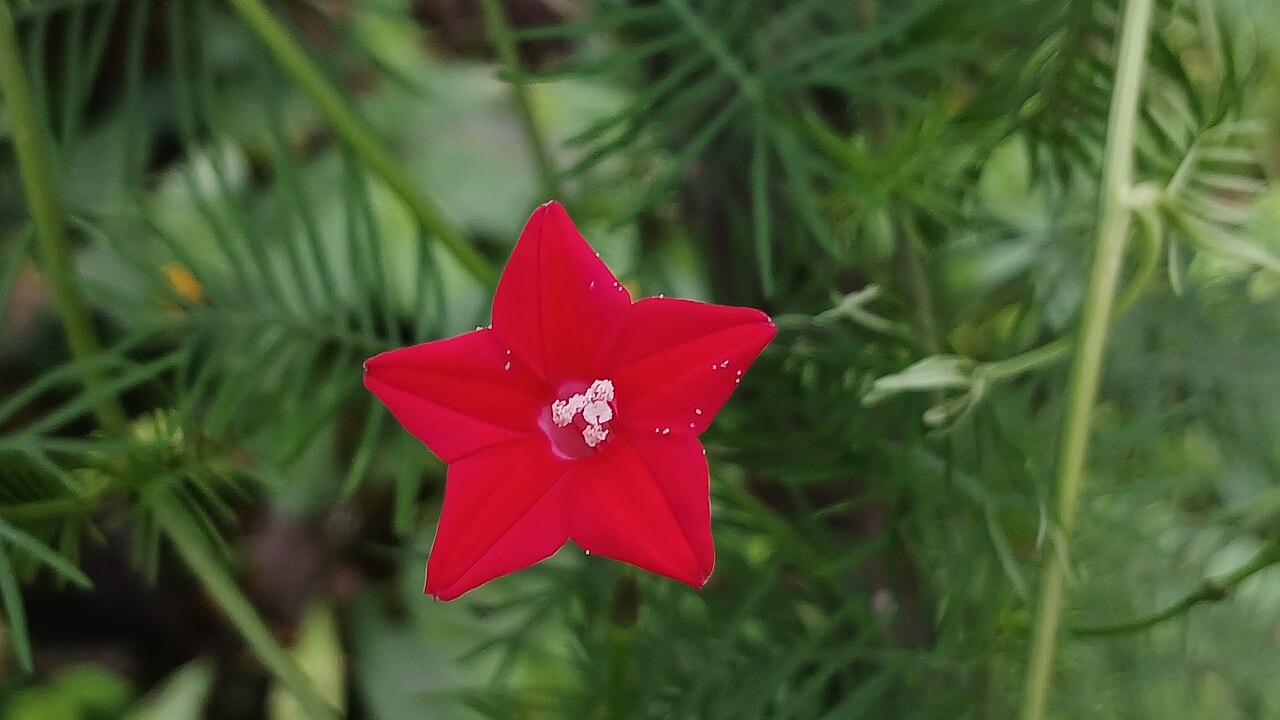
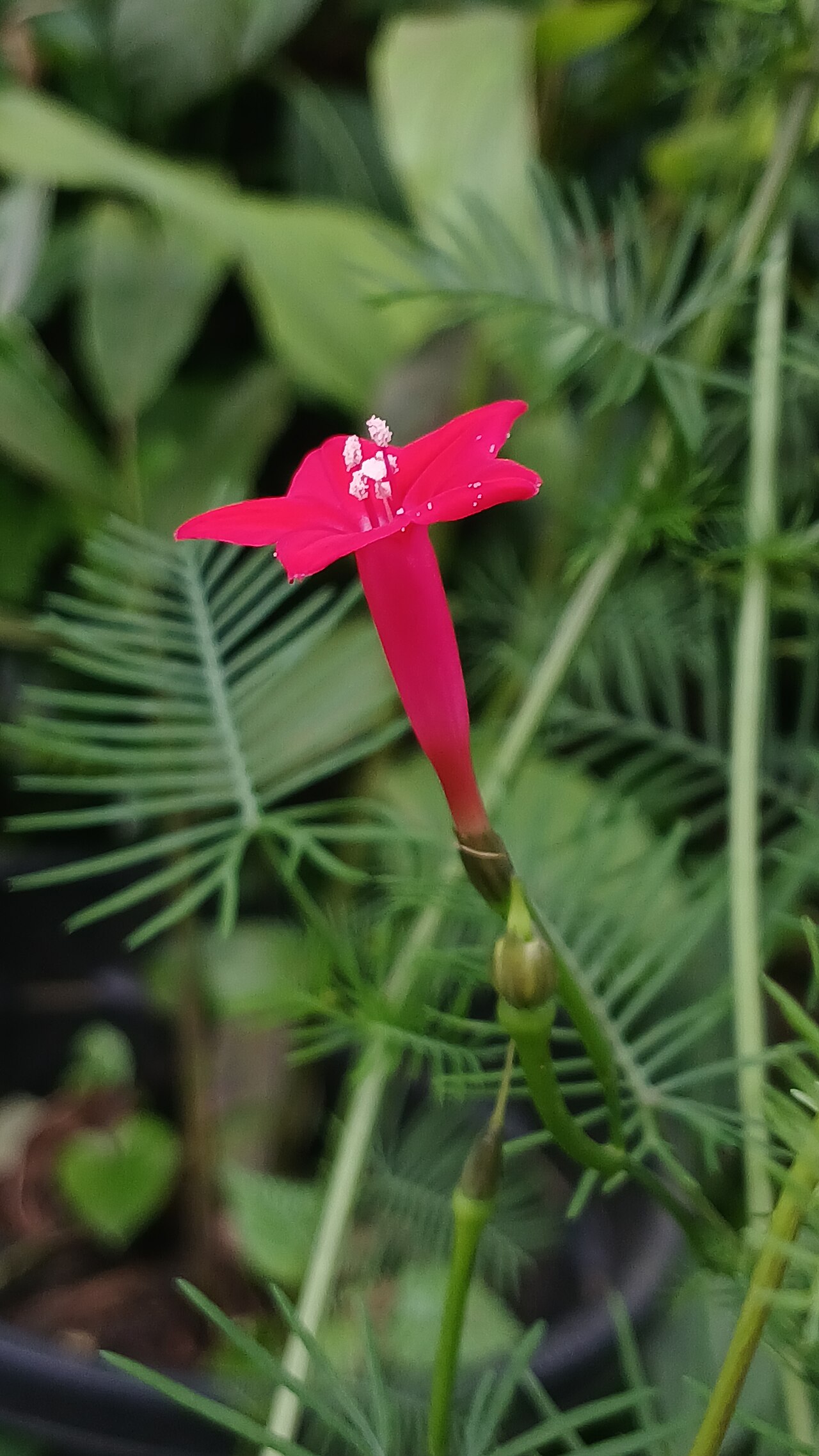
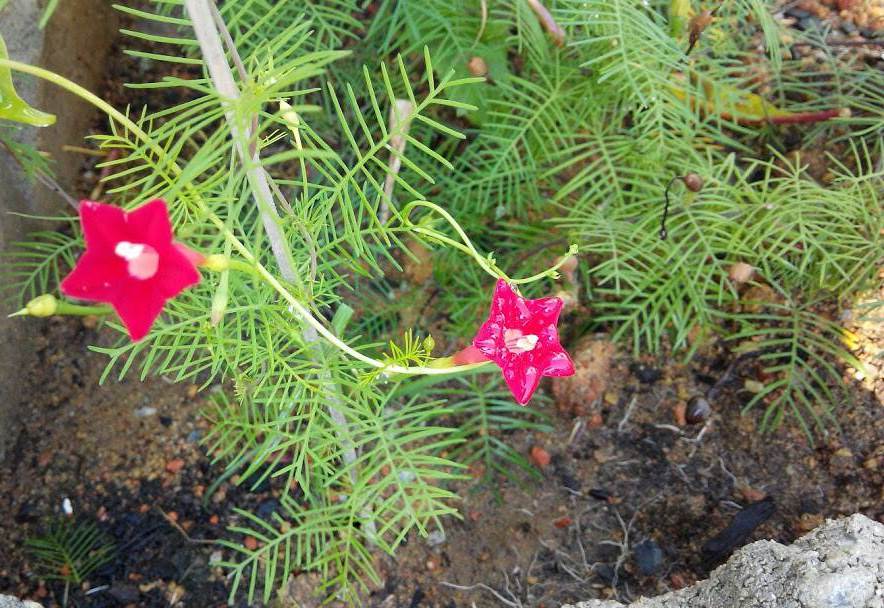
Cypress vine is a fast annual twiner in the morning glory family, grown for its finely divided, fern-like leaves and small scarlet trumpet flowers that hummingbirds visit all summer. Sow seed after last frost, once soil is warm: nick the seed coat and soak seed 12-24 hours first, then sow indoors 6-8 weeks before last frost in short seasons or direct-sow where summers are long. Plant in average, well-drained soil at the base of a trellis, fence, or arbor, and let it twine — it needs no tying, just something to wrap around. Flowers open from midsummer to early fall, and the fine foliage alone is worth growing, giving a light, lacy screen rather than a solid wall.
Water & feeding
Water regularly until established, then keep soil evenly moist but not waterlogged; brief dry spells are tolerated, but steady moisture gives the best bloom. This vine needs little fertilizer — rich soil and heavy nitrogen grow leaves at the expense of flowers. A handful of compost at planting is usually enough. Mulch lightly to hold moisture, and guide young shoots onto the support before they tangle into a knot.
Common problems
- Self-seeding — in zones 6-10 it often returns from seed whether you invited it or not. Pull unwanted seedlings while small if you want a tidy garden.
- Toxic if eaten — like other morning glory relatives, seeds and foliage are not food; keep away from grazing pets and children.
- Slow start in cool soil — wait for warm soil, or start indoors; cold-sown seed sulks and may rot.
- Aphids and spider mites — usually minor outdoors; a strong jet of water handles most outbreaks, and hummingbirds do the rest of the pest control by eating small insects near the flowers.
Harvest & notes
No edible harvest — the flowers are for hummingbirds and for looking at. If you want seed, let pods turn brown and dry on the vine, then collect before they split and scatter. Cut the vine down at frost and compost it, unless you are deliberately letting it self-sow for next year’s screen, in which case leave a few pods and mark the spot so you do not weed out the seedlings in spring.
Browse all plant & pest guides
Saving seeds
Two warnings before the fun part, because cypress vine is a plant of strong opinions. First, do not eat the seeds or pods: cypress vine is a morning glory relative, and its seeds and mature pods are toxic to people and pets, so this is a save-and-sow project, not a snack project — keep the seed jar labeled and out of reach. Second, this vine reseeds with genuine enthusiasm. In a warm climate like Florida’s, a vine left to its own devices will drop seed, and next spring you will have seedlings in places you never planted, including the middle of the rose bush. Saving seed is partly about controlling that enthusiasm: collect the pods you want, and deadhead the rest before they split.
The harvest itself could hardly be easier, which is fortunate, because you will be doing it often. After the scarlet star flowers fade, small round green pods form where the blooms were. Leave them alone until they turn brown, dry, and papery and begin to split along their seams — a pod that rattles faintly when shaken is ready. Snip the dry pods into a paper bag (a bag, not your pocket, because a split pod in a pocket is just confetti) and finish drying them indoors for a few days. Each pod holds a few small, dark, angular seeds; crush the pods gently over a tray and pick out the seed, discarding the papery bits. Let the seed air-dry on a tray out of direct sun until it feels hard and no longer sticks together — in Florida, give it extra time, because seed that feels dry on a humid afternoon may not actually be dry. Then store it in a labeled envelope inside an airtight jar with a desiccant packet, kept cool and dark. Stored this way, cypress vine seed keeps for a few years, though germination fades with age, so sow your oldest seed first.
Will the seedlings match the parent? Mostly, yes, with one asterisk. Cypress vine grown on its own is open-pollinated and generally comes true — red flowers beget red flowers. But it can cross with close morning glory relatives flowering nearby, and the famous cardinal climber is itself a hybrid of cypress vine and scarlet morning glory, which tells you the family does not always respect boundaries. If you grow several Ipomoea types cheek by jowl, accept a few surprises, or keep your seed vine at a distance from its cousins. When sowing time comes, remember the seed coat is hard: an overnight soak in lukewarm water, or a gentle nick with a file, wakes it up much faster than dry-sowing and hoping. Sow after frost danger has passed, barely a quarter-inch deep, in warm soil — or let a few pods drop where you actually want vines next year, and let the plant do the sowing for you. It will. Oh, it will.
Varieties
Every named variety of Cypress Vine with its own growing guide:
- Alba Cypress Vine — The white cypress vine: pure white star flowers over fern-like foliage, the moon-garden version of the scarlet classic.