
❤️ Bleeding Heart Vine
What it looks like
How to grow
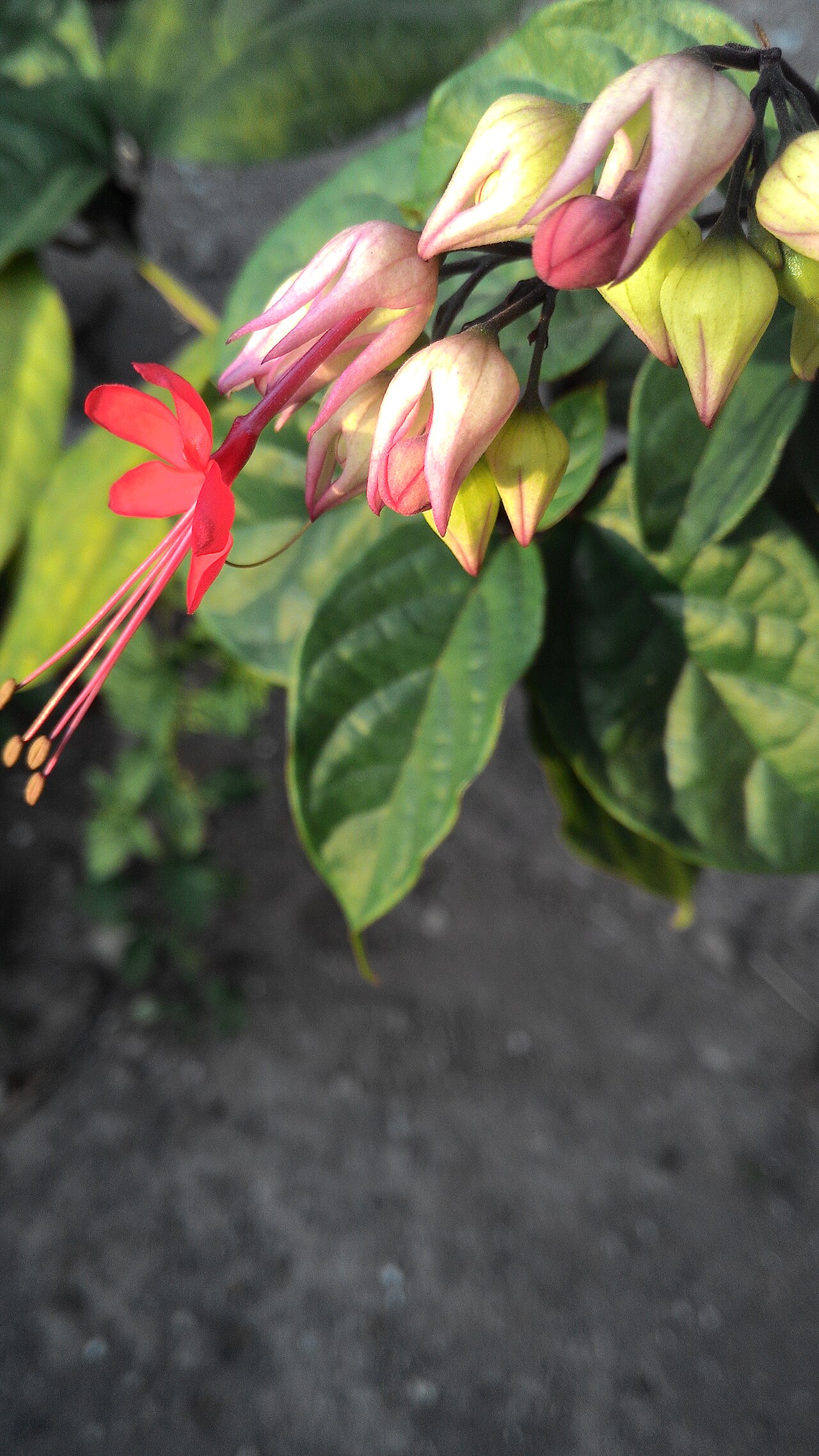
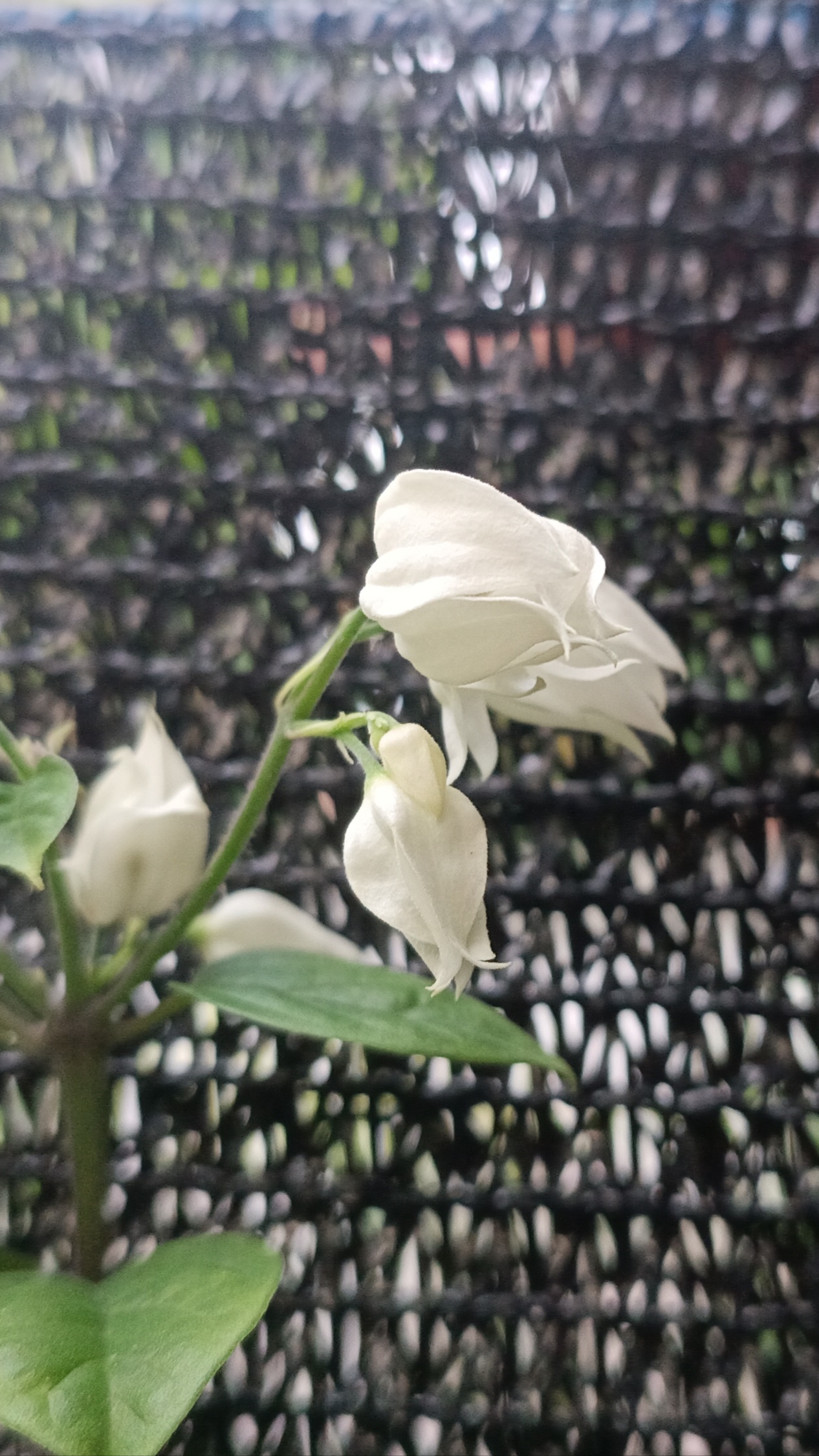
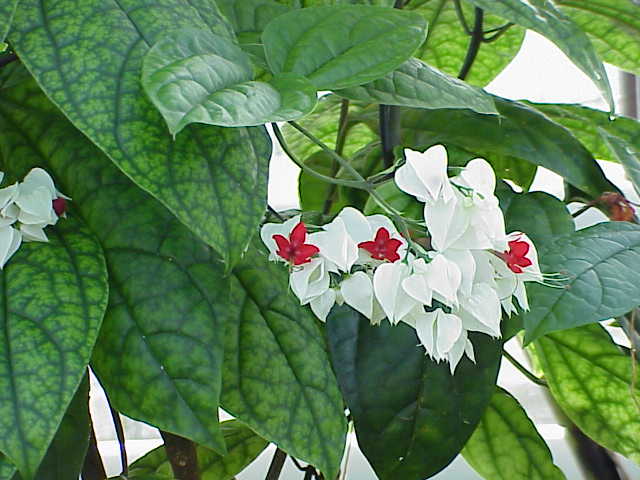
Bleeding heart vine is a tropical evergreen twiner from West Africa, grown for its extraordinary flowers: a white, balloon-like calyx with a crimson corolla dangling from it like a drop of blood, carried in clusters from spring through fall. Do not confuse it with the temperate bleeding heart (Dicentra), a shade perennial that is a completely different plant. Plant outdoors in zones 9-11 in rich, well-drained soil at the base of a trellis or pergola, or grow it in a large pot elsewhere and bring it indoors before nights drop below 50°F. It needs warmth, humidity, and bright light to bloom well, and it twines readily if given thin supports to wrap around.
Water & feeding
Keep soil evenly moist but never soggy; water when the top inch dries, and reduce watering in winter when growth slows. Feed every 2-4 weeks in the growing season with a balanced liquid fertilizer, or one slightly higher in phosphorus for bloom. Mist foliage or set pots on a pebble tray in dry indoor air, and mulch outdoor plants to hold moisture. Overwatering causes root rot fast in this plant, so drainage holes and a free-draining mix are non-negotiable in containers.
Common problems
- Leaf drop from cold, drought, or low humidity — keep above 50°F, water steadily, and raise humidity rather than flooding the pot.
- Leaf scorch in harsh midday sun — morning sun and afternoon shade give the best balance of bloom and foliage.
- Mealybugs, aphids, and spider mites indoors — inspect leaf undersides, wash foliage, and isolate new plants before they join the collection.
- No blooms — usually too little light, too cool a spot, or a pot so large the plant grows roots instead of flowers; give bright light, warmth, and a snug pot.
Harvest & notes
Cut flowering stems for a vase in spring and summer, where the white-and-red hearts last well in water and stop conversations. Prune lightly after flowering to shape the vine and encourage branching, and take 4- to 6-inch softwood cuttings in warm weather — they root in water or moist mix within a few weeks, making this one of the easiest tropical vines to share.
Browse all plant & pest guides
Propagation
Bleeding heart vine (Clerodendrum thomsoniae) — glory bower, bagflower, and no relation at all to the shade perennial bleeding heart — is a cuttings plant. That is the whole secret, and it is a generous one: cuttings root readily, they repeat the parent exactly, and a single vigorous vine can stock a whole porch rail of friends’ gardens in one spring afternoon. Seed exists, but it is the slow, unreliable understudy, and this section will not pretend otherwise.
Take cuttings in late spring or early summer, when the vine is in active growth. Choose healthy, non-flowering, semi-woody tips about four to six inches long, and cut cleanly just below a leaf node with sharp, clean snips. Strip off the lower leaves, leaving the top few, and root the cutting either in a jar of water or in moist, well-drained potting mix. Water-rooted cuttings usually show roots within a couple of weeks; soil-rooted ones take a little longer — a few weeks, with daily misting and soil that never dries out. Either way, keep them in bright, indirect light, not harsh sun, and pot them up once the roots are a couple of inches long and new growth appears. Serpentine layering — bending a long stem to the soil and letting it root while still attached to the parent — also works beautifully on a vine that practically volunteers for it.
About seed: pollinated flowers do develop fruits that ripen from green to red and black, each holding a few black seeds, and those seeds can be sown in spring. Germination is slow, fruit set indoors is often poor, and nicking the hard seed coat and soaking the seed overnight in warm water improves the odds — but the honest summary is that cuttings beat seed on speed, reliability, and trueness to type every time. Save seed for curiosity, not for your main crop.
One plain safety note: the fruits are not edible and are toxic to people and pets, so admire them, do not taste them, and keep fallen fruit away from curious children and animals. And a Florida note in the other direction: this tropical vine is in its element across most of Florida, growing fast and flowering on new growth, so prune after blooming and take your cuttings from the regrowth — you will have more material than you know what to do with.
Varieties
Every named variety of Bleeding Heart Vine with its own growing guide:
- Variegata Bleeding Heart Vine — The variegated glorybower: creamy-white and pale-green marbled leaves, with the classic white-and-red dangling hearts in the warm season.
- Delectum Bleeding Heart Vine — The big-cluster glorybower: very large clusters of light-red flowers with violet-purple calyxes — the bleeding heart vine for maximum drama.
- Red Bleeding Heart Vine — The red glorybower: pink bracts with vibrant red heart-shaped flowers on a vigorous tropical vine — the bleeding heart vine in full red.