
🌲 Dawn Redwood
What it looks like
How to grow
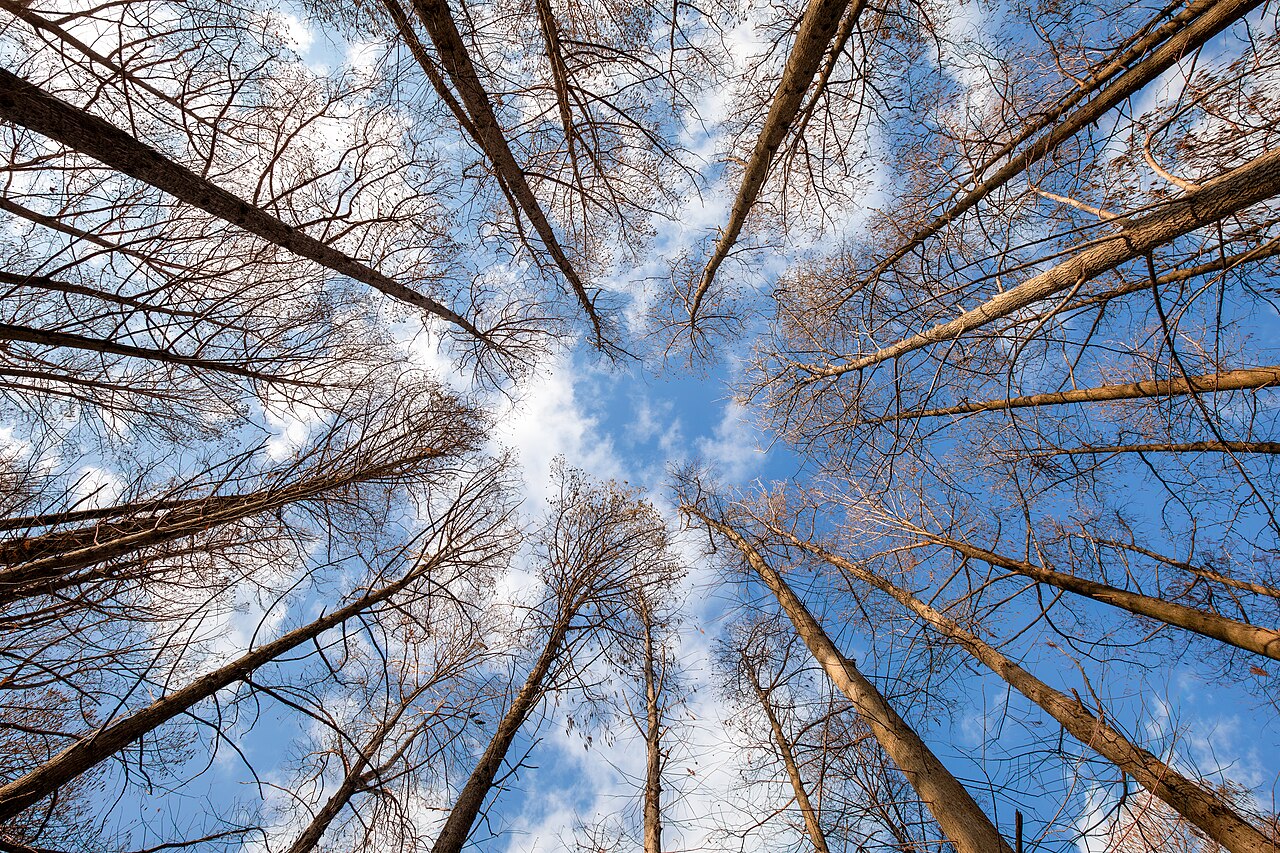
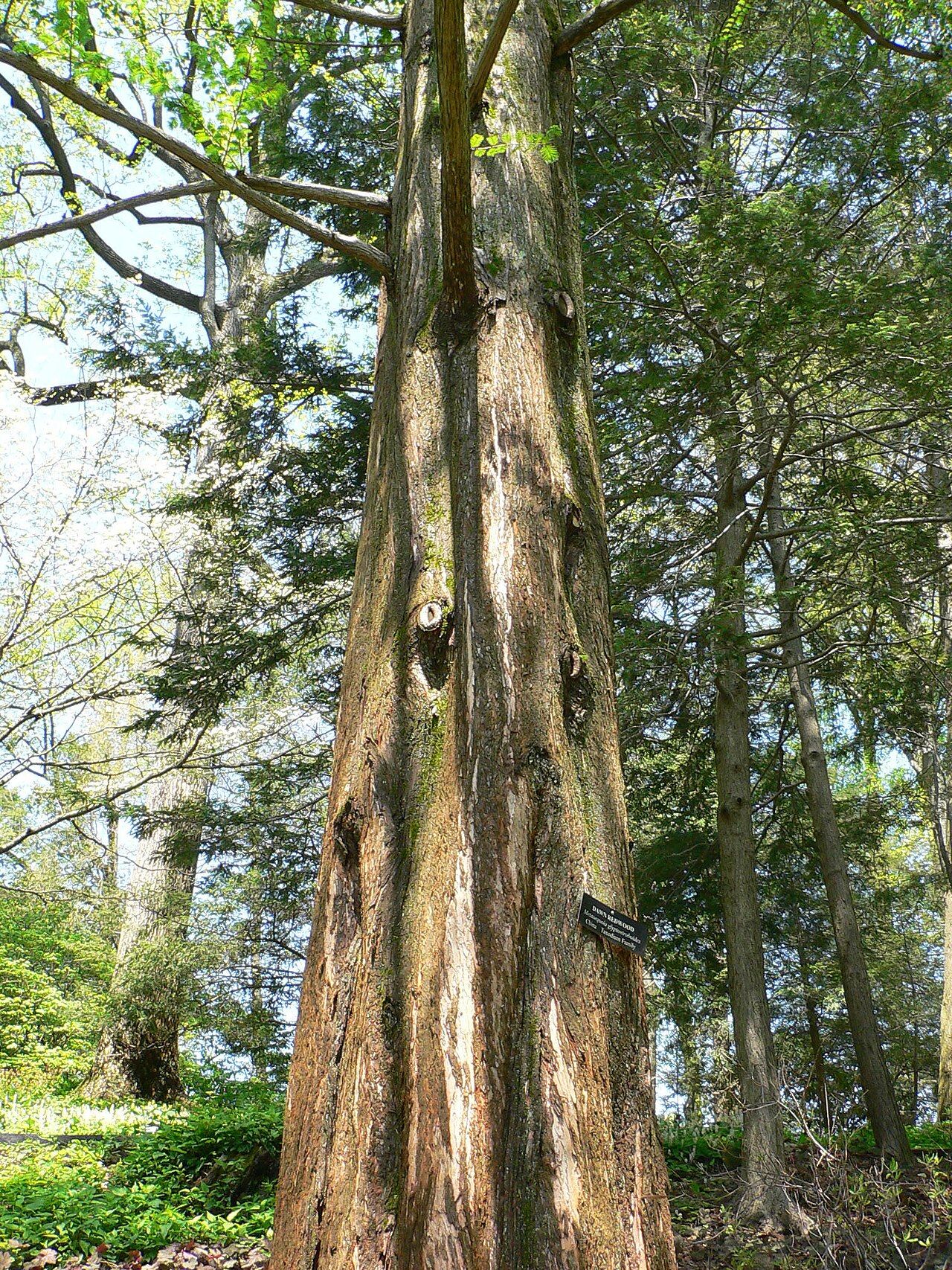
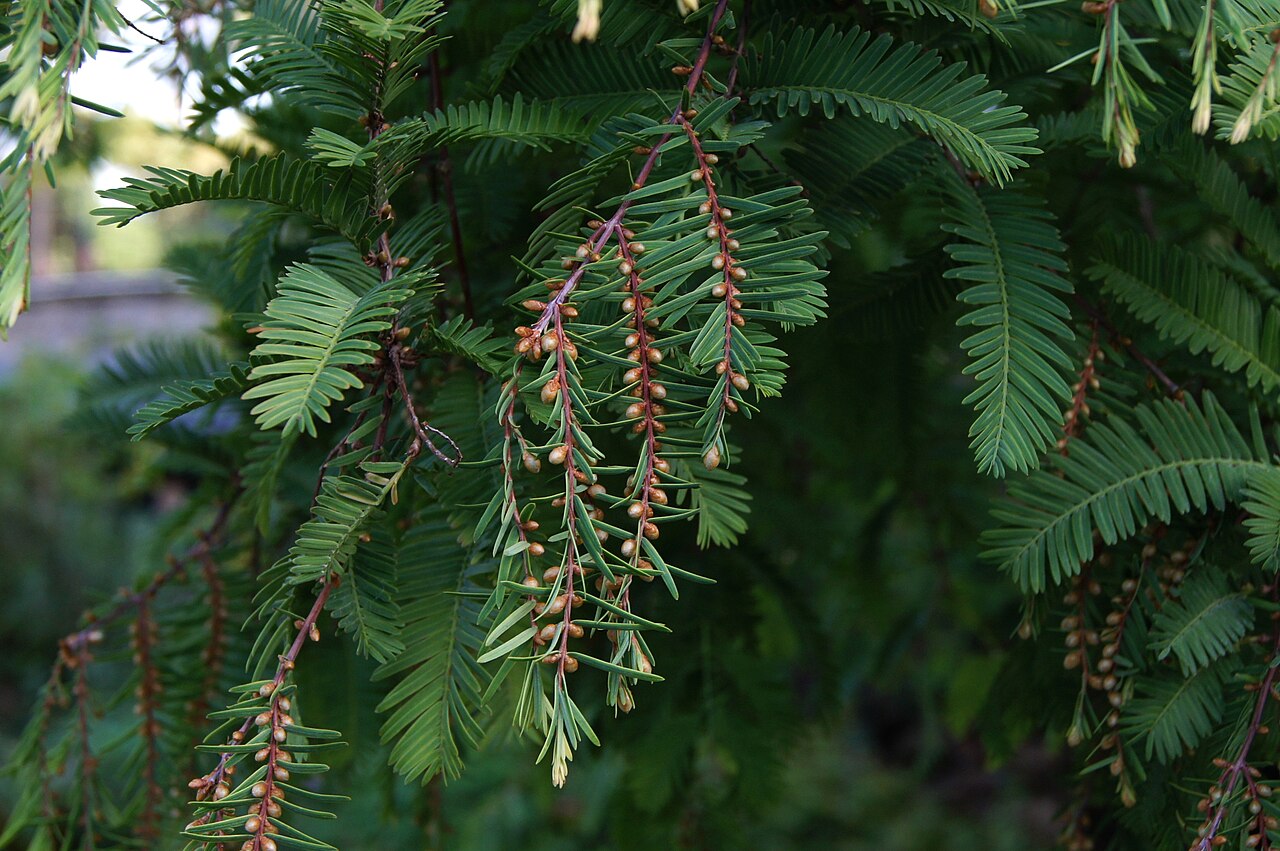
Dawn redwood is a deciduous conifer, 70-100 feet tall, with soft, feathery foliage that turns coppery-bronze in autumn and falls, leaving a handsome bare silhouette and fluted, buttressed trunk for winter. It was known only from fossils until living trees were found in China in the 1940s, which makes every garden specimen a small piece of botanical history. Plant in full sun in deep, moist, well-drained, slightly acidic soil, and give it a large site: this is a park or estate tree, not a foundation plant. It transplants easily in spring or fall and grows fast, so a young tree quickly becomes a landmark.
Water & feeding
Keep it well watered, especially the first few years; dawn redwood likes consistent moisture and will drop foliage early in drought. Mulch generously to hold moisture and protect the trunk from mowers. It needs almost no fertilizer — compost or mulch is enough — and almost no pruning beyond removing dead or damaged wood.
Common problems
- Drought stress and early leaf drop — water deeply in dry spells rather than assuming a deciduous conifer is dormant.
- Frost damage to late-season growth in frost pockets — avoid low, cold-air-trapping sites and do not push soft late growth with nitrogen.
- Japanese beetles nibbling foliage — rarely serious on a large tree; tolerate rather than spray.
- Alkaline soil slowing growth — site it in acidic to neutral soil for best vigour.
Notes
Dawn redwood is one of the few conifers that gives you autumn colour, winter silhouette and fast shade in a single tree, and it is almost pest-free. Plant it in a grove or as an allée along a drive if you have the room, and it will look deliberate and grand within a decade.
Browse all plant & pest guides
Saving seeds
Dawn redwood seed-saving is a lesson in patience wrapped in a fossil joke: you are trying to coax a tree that was declared extinct, then found alive in a Chinese valley in the 1940s, into making babies in your garden, and it will remind you at every step that it was doing this long before gardeners existed. It can be done, but go in expecting a lottery ticket, not a guarantee. Many cones hold mostly empty seeds, germination is famously low and uneven, and sources genuinely disagree about how much chilling the seed needs, so sow generously and keep notes on what worked for your tree.
Start with the cones. Dawn redwood is monoecious, carrying separate male and female cones on the same tree, and the small, round female cones ripen and turn brown in late autumn. Collect them just as they brown, before they shatter and scatter their winged seeds to the wind, and dry them indoors in a paper bag or an open tray for a week or two until the seeds release on their own. Do not oven-dry them or seal them damp in plastic, because damp plus still air invites mould. Shake out the small, winged seeds, winnow away the cone scales and dust, and pick out the plump-looking seeds, knowing that looks are only a rough guide here: plenty of plump-looking dawn redwood seeds are empty inside.
Use the seed fresh if you possibly can. Dawn redwood seed loses viability quickly in storage compared with hard-coated seeds that can sit on a shelf for years, so this is a sow-it-this-winter-or-lose-it proposition, not a seed-bank candidate. If you must hold it, dry it thoroughly first, then keep it cool, dry, and dark in a labelled paper envelope inside an airtight jar, and sow it at the first sensible opportunity. In Florida humidity that drying step matters double: seed that feels dry on a dry day can still carry enough moisture to mould in a sealed jar, so dry indoors, out of direct sun, until the seed rattles and feels hard, and add a small desiccant packet to the jar if you have one.
For sowing, the honest picture is that growers argue about the recipe. Some sow after a month or two of cold, moist stratification, seed mixed with damp sand or vermiculite in a sealed bag in the refrigerator, checking weekly so the medium stays damp but never soggy. Others report germination with just a pre-soak and no chilling at all. The safe, middle path is to chill for roughly a month to two months, then sow in spring on the surface of a moist, well-drained seed mix, barely covered, because dawn redwood seed germinates best with light reaching it. Keep the mix consistently moist, almost wet, and never let it dry out, because the seedlings are famously unforgiving about even a short dry spell. Give them bright light, warmth, and patience: emergence can take a few weeks, and the seedlings grow slowly at first.
On the question of trueness, seedlings from a species tree will be dawn redwoods, but they will not be identical copies of their parent. If your tree is a named variety, such as a gold-foliaged form, seed will not reliably reproduce that colour or habit, and cuttings are the way to keep a variety true. Take softwood cuttings in early summer for a clone. In Florida, note that dawn redwood is a zones 5 to 8 tree that likes moist soil and a real winter, so it is a curiosity at the edge of its range here: dry seed thoroughly, store it cool, and give seedlings shade from fierce afternoon sun and constant moisture.
Varieties
Every named variety of Dawn Redwood with its own growing guide:
- Gold Rush Dawn Redwood — The dawn redwood in gold: soft, feathery foliage that glows yellow all summer, then turns coppery-bronze before it drops.