
🐝 Bush Honeysuckle
What it looks like
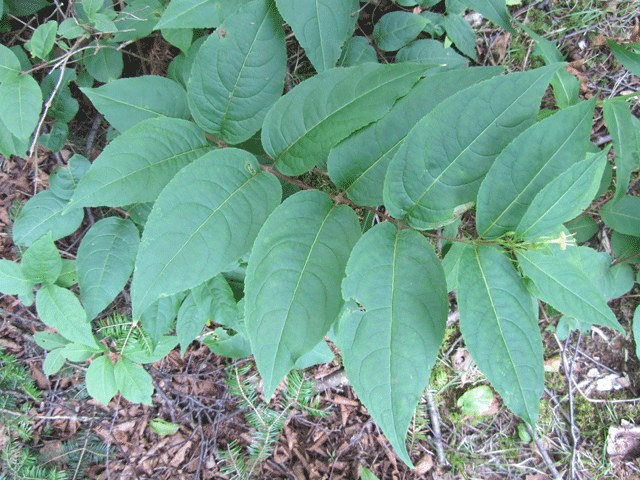
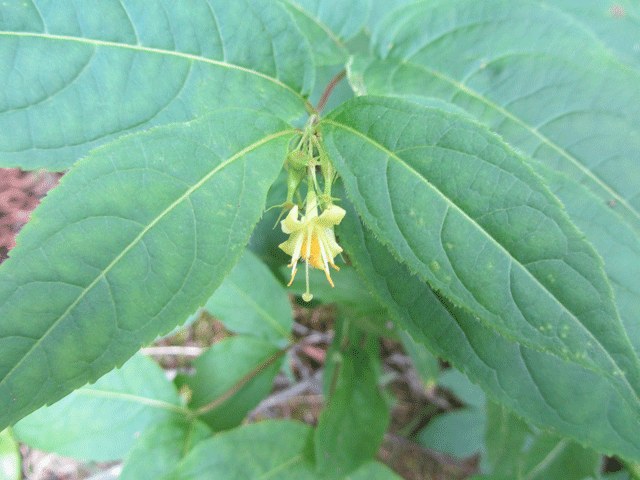
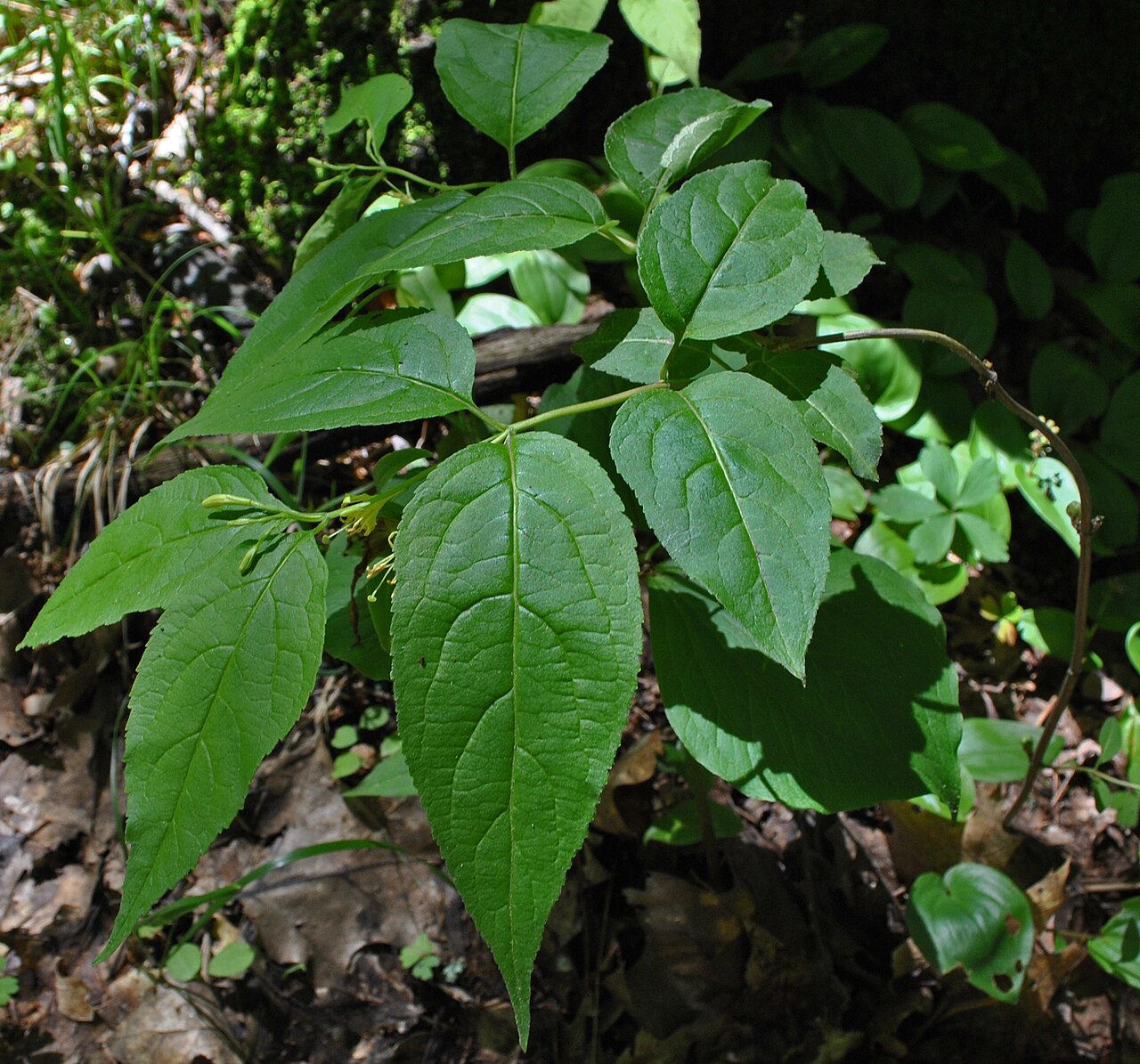
How to grow
Bush honeysuckle is a low, mounding native deciduous shrub with arching stems, opposite leaves that color well in fall, and clusters of tubular yellow flowers — fading to red-orange — that bloom on and off all summer and attract hummingbirds, bees, and butterflies. Northern bush honeysuckle grows 2-4 feet tall and wide; southern bush honeysuckle reaches 3-5 feet. Plant in spring or fall in full sun to part shade in well-drained soil — it tolerates clay, sand, gravel, and dry shade once established, and it is one of the best shrubs for difficult banks, slopes, and dry spots under trees. Important distinction: this native Diervilla is NOT the invasive bush honeysuckles in the genus Lonicera (such as Tatarian honeysuckle) or Japanese honeysuckle vine — those are exotic invasives to avoid, and this plant is not one of them.
Water & feeding
Water regularly for the first season, then water only during extended drought; established bush honeysuckle is drought tolerant and thrives in fairly dry soil, where it is also better behaved. Mulch lightly. Feed rarely, if at all — rich, moist soil makes it spread more aggressively. Prune in late winter or early spring, removing dead stems and cutting back by about a third for a tidy mound; flowers form on new growth, so spring pruning is safe.
Common problems
- Spreading beyond its space in rich, moist soil — plant in drier soil for restraint, or remove suckers annually.
- Leaf spot and powdery mildew — occasional and rarely serious; improve air flow and avoid overhead watering.
- Thin flowering in deep shade — it survives shade but blooms best with some sun.
- Confusion with invasive Lonicera — check the tag: Diervilla is the native; Lonicera bush honeysuckles are the invasives.
Harvest
There is no harvest, though the flowers feed pollinators all summer and the shrub is a larval host for the fawn sphinx moth. Propagate easily by cuttings, root cuttings, or by digging suckers — bush honeysuckle practically gives itself away.
Browse all plant & pest guides
Saving seeds
First, a case of mistaken identity to clear up, because it matters: this bush honeysuckle is Diervilla lonicera, the northern bush honeysuckle, a well-behaved native shrub — not the invasive exotic bush honeysuckles of the genus Lonicera, like Tatarian honeysuckle, and not Japanese honeysuckle vine. Same common name, different plant, different manners. The one in this guide suckers politely into colonies, feeds hummingbirds and bees all summer, and will not eat your county. Propagate it with a clear conscience.
Seed is the easy route. Collect the small brown capsules in late summer or fall when they have turned brown and dry, open them over a tray, and air-dry the seeds for a few days. They need a cold, moist winter to wake up — the honest range across sources is roughly two to four months of chilling, so do not panic if one batch is slower than another. Mix the seed with moist sand or vermiculite in a bag and refrigerate it for that period, then sow in spring under a thin covering of soil, keep it moist, and expect sprouting over weeks to a couple of months. Prick seedlings out once they have a couple of sets of true leaves, and grow them on for a season before planting out.
Cuttings are the faster, truer route, and the one to use for any named variety, since seedlings of a cultivar may not repeat the parent’s leaf color or habit. Take softwood cuttings in late spring or early summer, or semi-hardwood cuttings a little later: 10–15 cm tips, lower leaves removed, dipped in rooting hormone, set in a well-drained mix under humidity, and expect roots in roughly six to eight weeks. Division of suckers in early spring is the third method and the simplest of all — lift a sucker with roots attached and replant it. Florida note, stated plainly: this is a northern shrub, and in Florida its winter chill must come from your refrigerator, not your yard, and the plant itself may sulk in sustained heat. It is a plant for the cool end of the state or for a gardener who enjoys a challenge, not a sure thing in zone 10.
Varieties
Every named variety of Bush Honeysuckle with its own growing guide:
- Cool Splash Bush Honeysuckle — The variegated bush honeysuckle: dark-green leaves with crisp white margins, the southern bush honeysuckle grown for foliage first.
- Kodiak Black Bush Honeysuckle — The dark-leaved bush honeysuckle: glossy burgundy-black foliage all summer with yellow trumpet flowers that pop against it.