
🌳 Hornbeam
What it looks like

How to grow
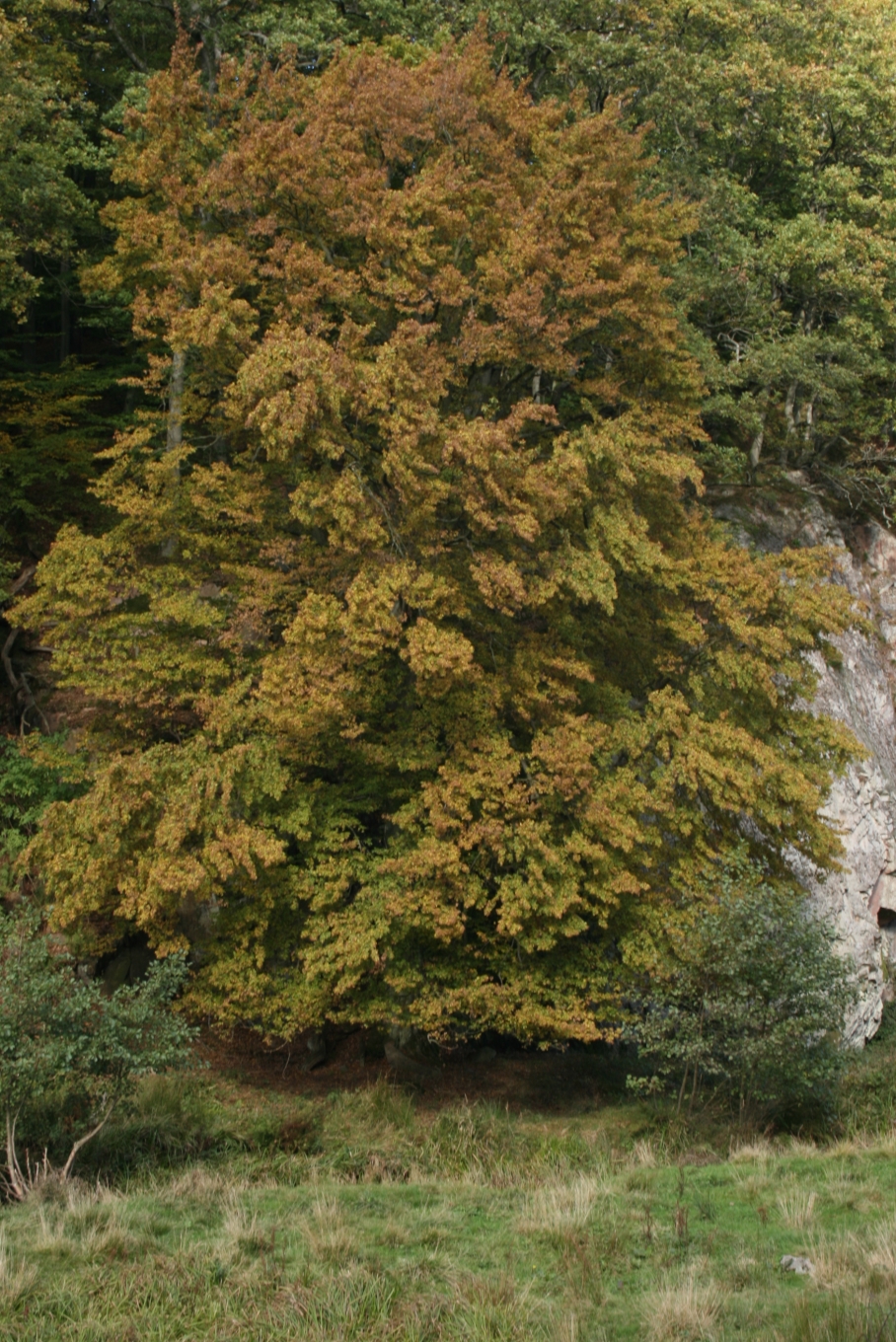
Hornbeam is a genus of small to medium shade trees, and the two garden species are both worth knowing: American hornbeam (Carpinus caroliniana), also called musclewood or blue beech for its fluted, sinewy grey bark, is a native understory tree, 20-30 feet tall, with orange-red autumn colour and a rare tolerance for heavy shade; European hornbeam (Carpinus betulus) is larger, 40-60 feet, and the classic choice for clipped hedges and pleached alleys. Plant in full sun to shade in rich, moist, well-drained soil, and give American hornbeam the moist site it prefers. Both transplant best in spring and establish slowly, so be patient.
Water & feeding
Water deeply through the first two or three years, then water in dry spells; hornbeam likes steady moisture and suffers in prolonged drought, though European hornbeam is the tougher of the two once established. Mulch to hold moisture, and feed only if growth is weak — compost in spring is plenty.
Common problems
- Slow establishment — normal, especially for American hornbeam; water faithfully and do not judge it in year one.
- Two-lined chestnut borer on stressed trees — keep the tree vigorous and avoid wounding bark.
- Leaf spot and aphids — usually minor; improve air movement and tolerate light damage.
- Ice damage to branches — prune out broken wood promptly and keep a strong structure while young.
Notes
Hornbeam is one of the most pruning-tolerant trees available: it can be grown as a free-form shade tree, a dense hedge that holds its brown leaves through winter, or a formal pleached screen. That versatility, plus its shade tolerance, makes it the small-garden tree for awkward, shady corners.
Saving seeds
A genus note first: this guide covers hornbeams as a group, Carpinus species, so what follows is the genus-level method, and it is labelled as such. American and European hornbeam agree on the broad strokes and differ on the fine print, and where they differ, this section says so, because hornbeam seed is famous for making confident gardeners wait.
Collect in early fall, from the dangling clusters of small hard nutlets, each tucked in a leafy three-lobed bract that acts as a little sail. Here is the first trick the old growers knew: seed collected while still slightly green — ripe, but before it has dried fully on the tree — and sown at once often germinates the following spring, while fully dried seed left to its own devices may sit dormant until the second spring. Rub the bracts off over a screen to reduce bulk, discard empties, and keep the plump nutlets. If you are collecting from a named cultivar rather than the straight species, stop and take cuttings or graft instead: cultivars do not come true from seed, and a seedling of a columnar or purple-leaved form is a new tree with its own ideas.
Stored hornbeam seed has double dormancy, which is a polite way of saying it wants two seasons before it trusts you. The usual prescription is a warm, moist spell first — roughly a month for stored European seed, one to two months in American accounts — followed by a long cold spell of about three months, and sources disagree on the exact lengths, so plan on the longer end and sow in a cold frame or outdoor seedbed rather than a heated propagator. American hornbeam is the honest warning here: even well-stratified seed may give only a third to a half of its seedlings in the first year, with the rest straggling in over the second and third years. Sow generously, label the bed, and do not dig it over in frustration after one quiet spring — the seeds are not dead, they are just on hornbeam time, and some accounts put the wait at up to eighteen months.
Grow seedlings on in the seedbed for a couple of years before planting out into their permanent positions, and give them the shade tolerance and steady moisture this guide asks for. For storage, keep cleaned seed dry, cool, and airtight, and in Florida, dry it thoroughly before the jar closes, with a desiccant packet for insurance against humidity. In mild-winter parts of the state, the refrigerator is the reliable winter: a bag of moist sand in the fridge delivers the cold spell that a warm Florida winter may not. And file away the long view that makes hornbeam seed saving a particular kind of optimism: trees grown from seed can take ten to twenty years before they produce seed of their own. You are not saving seed for next year’s hedge. You are starting a tree that may outlive your house, which is a perfectly good reason to do it properly.