
🌲 Tamarack
What it looks like
How to grow
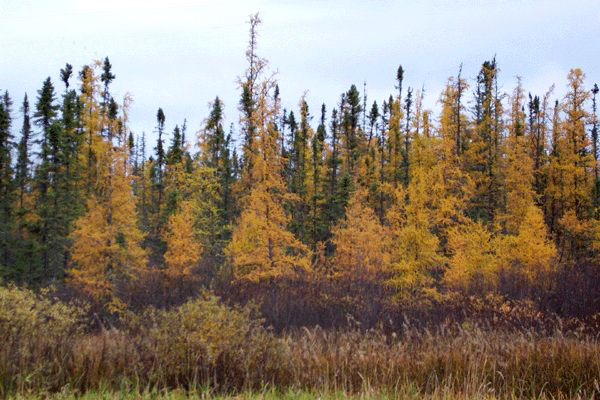
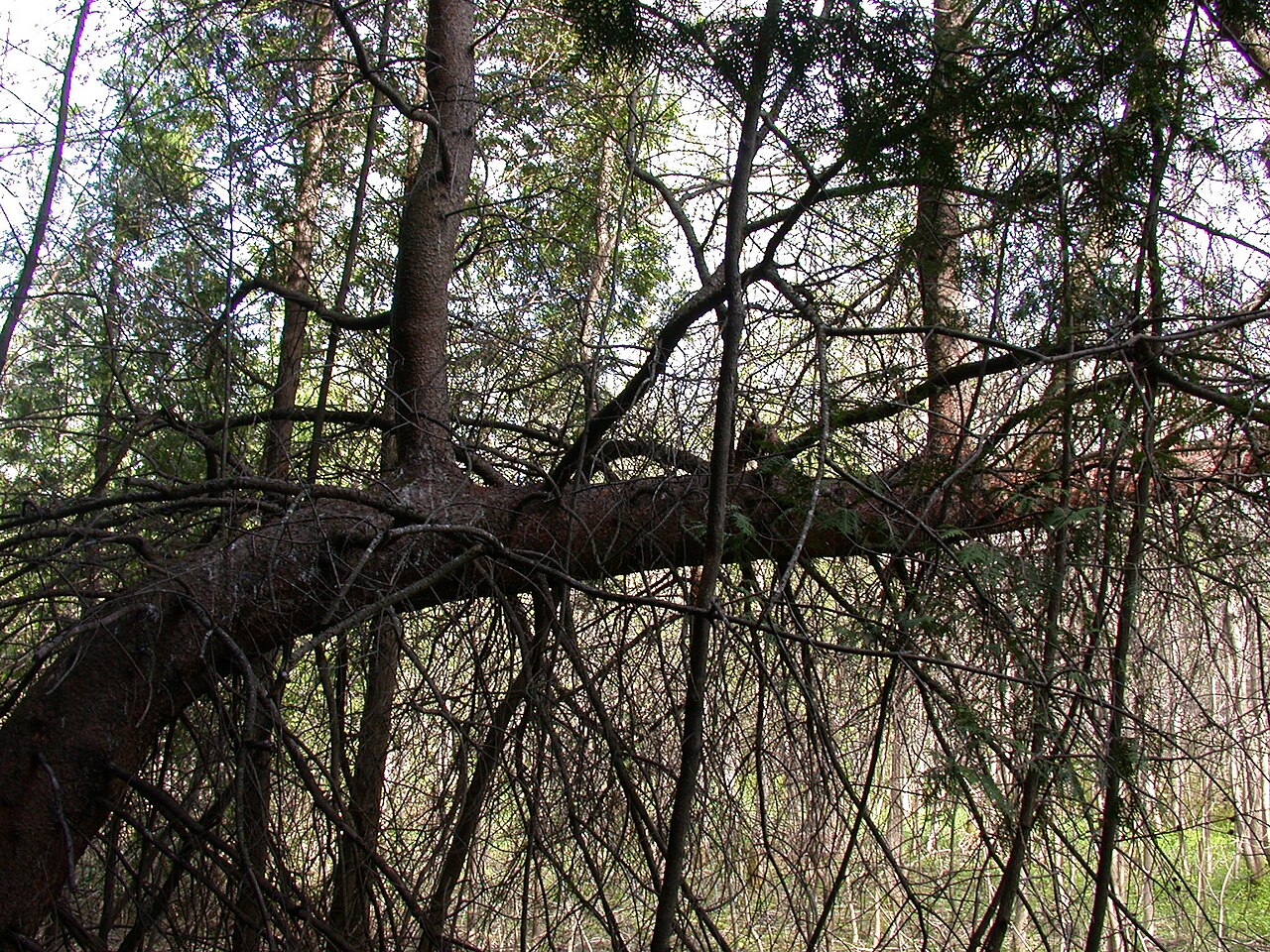
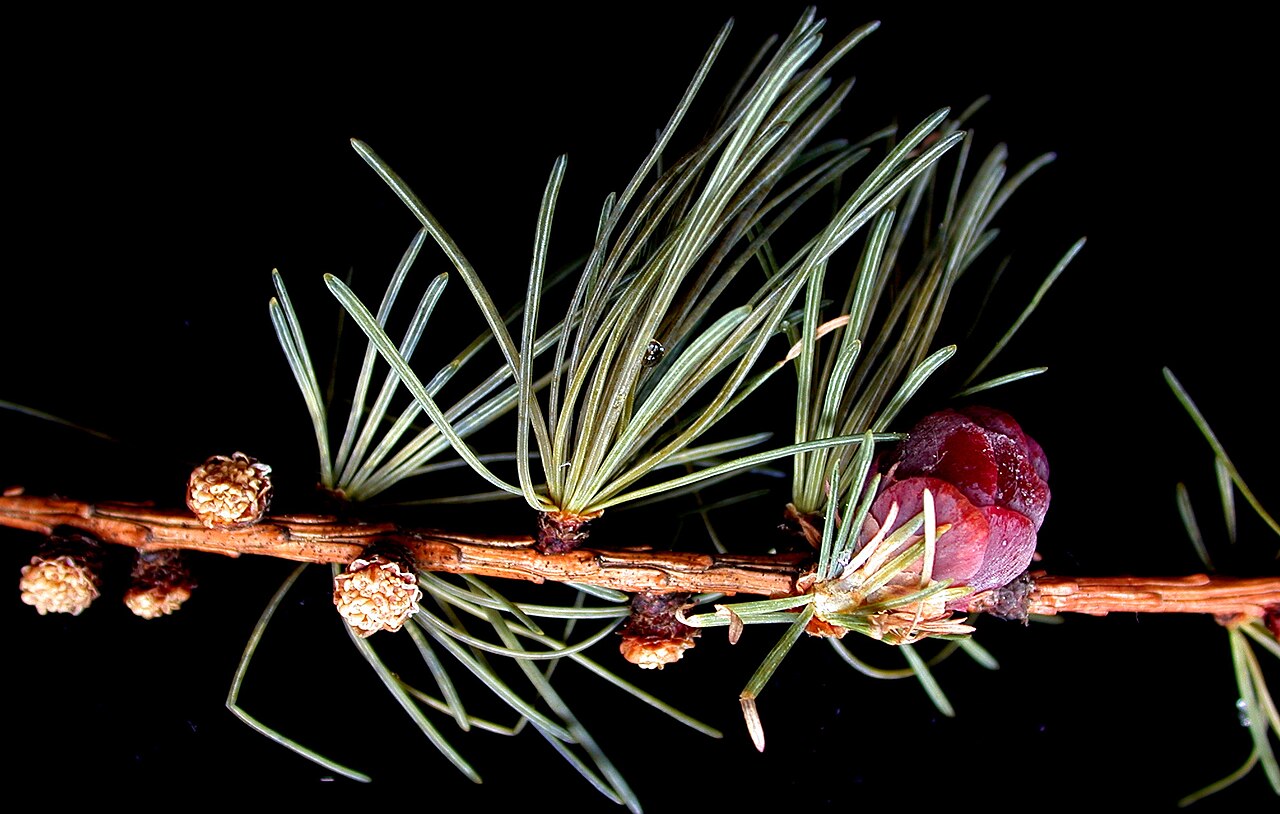
Tamarack, also called eastern larch, is a deciduous conifer, 40-60 feet tall, with soft, light-green needles in tufts along its branches that turn brilliant gold in autumn and fall, leaving a bare, elegant silhouette for winter. It is a northern tree through and through: it thrives in bogs, swamps and cold bottomlands, tolerates standing water and nutrient-poor peat, and withstands cold to minus fifty, but it wilts in hot, humid summers above zone 5. Plant in full sun in moist, acidic soil, and do not plant it in dry, shallow or alkaline ground unless you can water faithfully. Compact cultivars exist for smaller gardens, but the species is the usual choice for naturalised plantings and rain gardens.
Water & feeding
Water consistently, especially the first two years; tamarack wants steady moisture and suffers in drought. Mulch to hold moisture, and skip fertilizer — it is adapted to poor soils and heavy feeding can harm it in boggy ground.
Common problems
- Heat and humidity stress above zone 5 — do not plant tamarack in the South; it will decline no matter how well you water it.
- Drought stress — the other killer; keep soil moist, especially in the first years.
- Larch sawfly and casebearer — occasional defoliation, usually followed by regrowth; treat only in severe years.
- Shade intolerance — tamarack needs full sun and will thin out badly under a canopy.
Notes
Tamarack is one of only a handful of conifers that lose their needles, which makes it a wonderful four-season tree in the North: soft green in spring, gold in autumn, and a fine tracery of branches in winter. Its wood is rot-resistant and was used for boats, posts and snowshoes.
Browse all plant & pest guides
Saving seeds
Tamarack seed needs winter. Give it a cold, moist chill — 30 to 60 days is the common figure — by mixing seed with damp sand in a bag and refrigerating it, or by sowing in fall outdoors and letting the season do it. Sow in spring, barely covered, in a gritty, well-draining mix, and germination usually comes in two to three weeks after chilling. Without the cold, the seed sits there and does nothing.
Collect the small cones in fall when they are brown and beginning to open, and dry them in a paper bag until the scales flex and the seed shakes out. Dry the seed thoroughly before storing; it keeps a few years in a cool, dry jar, and viability drops if it is stored warm or damp.
Seedlings will vary, and the named forms come only from grafting or cuttings. Tamarack is a slow tree at first — the first year is mostly roots — and it takes years before a seedling looks like anything at all, let alone a tree.
And the Florida honesty, stated plainly: tamarack does not grow in Florida. It wants cold winters, cool summers, and zones 2 to 5, and Florida gives it none of those. This section is for the reader in a colder climate — in Florida, plant something else.
Varieties
Every named variety of Tamarack with its own growing guide:
- Blue Sparkler Tamarack — The blue tamarack: a dwarf larch with bluish foliage, the tamarack that glows silver-blue in spring and gold in fall.
- Deborah Waxman Tamarack — The dwarf tamarack: a compact, slow tamarack reaching only about 4 feet, the larch for gardens without room for a forest tree.