
🤍 Lily of the Valley
What it looks like

How to grow
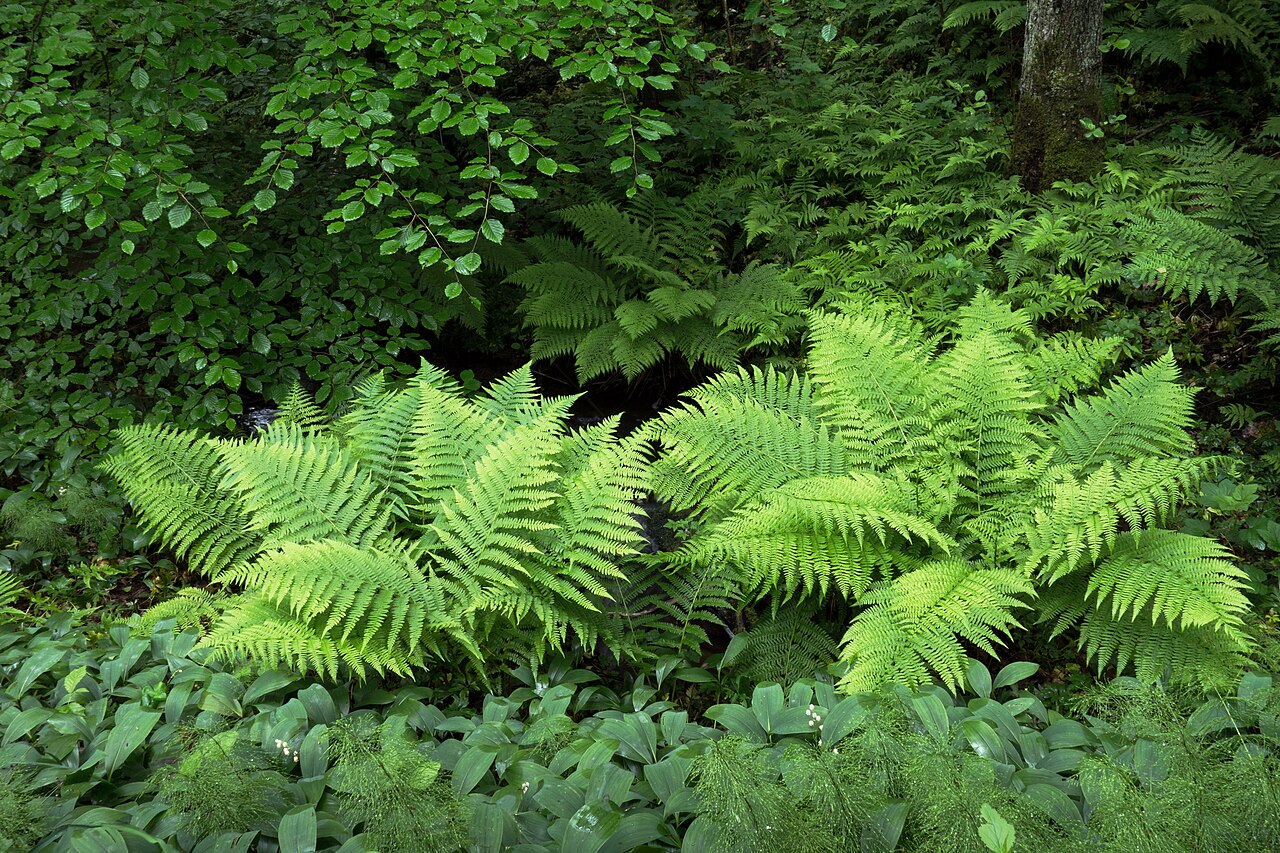
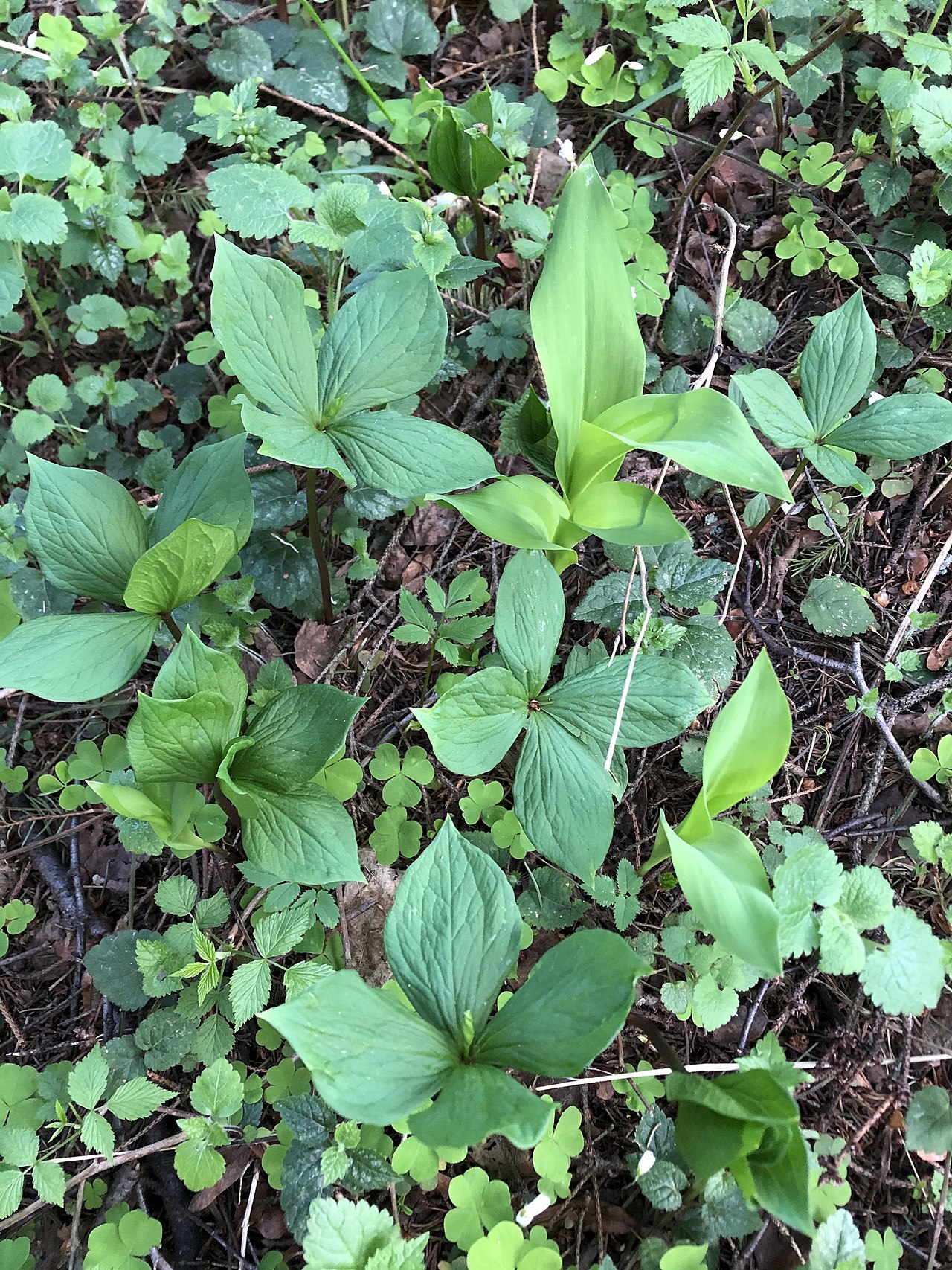
Lily of the valley is a low, spreading perennial, 6–12 inches tall, with pairs of broad green leaves and arching stems of small, intensely fragrant white bell flowers in mid to late spring, followed by red berries. It is the classic shade groundcover for the spot where nothing else thrives — dry shade, tree roots, north walls — and it will fill that spot thoroughly, which is both the recommendation and the warning: plant it where it can spread, or contain it with edging or a pot sunk in the ground, because it spreads by rhizomes and does not ask permission. Plant pips (root pieces) in fall or spring, 1–2 inches deep and 6–12 inches apart, in part to full shade in rich, moist, well-drained soil with leaf mold. All parts are toxic if eaten — beautiful, fragrant, and strictly ornamental.
Water & feeding
Keep soil moist, especially while establishing; mature plantings tolerate dry shade but flower best with moisture and a leaf-mold mulch. Feed with compost or leaf mold in fall. Water in dry spells for best bloom.
Common problems
- Aggressive spread — contain with edging, a sunken pot, or a site where spread is welcome.
- Poor bloom in deep dry shade — give some moisture and dappled light for best flowers.
- Toxicity — all parts, including berries, are poisonous; keep away from children and pets.
- Foliage tattering by late summer — normal; cut back ragged leaves if desired.
Notes
Leave foliage until it yellows in fall, then cut back. Divide crowded patches in fall or spring — divisions are easy to share, and every gardener knows someone who wants lily of the valley. The flowers are classic for small bouquets and weddings, and a single stem perfumes a room. Do not compost berries where children play.
Browse all plant & pest guides
Propagation
Lily of the valley (Convallaria majalis) is a division plant, not a seed plant, and that is the honest starting point. Yes, it makes seed — bright red berries follow the little white bells in summer — but seed is slow, unreliable, and takes years to produce a flowering plant, while a single clump divided in autumn will give you a dozen new plants that flower the very next spring. If you want more lily of the valley, divide. Save the seed experiment for the truly patient.
Division is simple. In autumn, after the leaves have died back, or in very early spring before growth starts, lift a clump with a fork and shake off the loose soil so you can see what you are doing. The plant spreads by fleshy horizontal rhizomes, each with growing points called “pips” — a pointed bud with a few roots attached. Tease or cut the rhizomes apart so every division has at least one healthy pip and a good tuft of roots, and replant immediately about an inch or two deep, pips pointing up, in shady, humus-rich soil. Water well and mulch lightly. Divisions settle fast, and a patch that was one clump this autumn is a drift by the spring after next.
One safety note, and it matters: every part of lily of the valley is toxic, including those tempting red berries. The plant contains cardiac glycosides — compounds that affect the heart — and the berries are the part most likely to catch a child’s or a pet’s eye. Do not plant it where small children play unsupervised, teach older children that the berries are not for eating, wash your hands after handling divisions, and keep the berries out of the compost you spread on vegetable beds. This is a plant to admire and divide with gloves on, not to snack from.
If you do try seed, for completeness: sow fresh berries (seeds cleaned of their pulp) in autumn in pots kept outdoors through winter, and expect germination the following spring — or the spring after that. Seedlings are tiny and slow, and flowering is several years away. Most gardeners who try it once go back to the fork.
Florida note: lily of the valley is a cool-climate woodlander that struggles in Florida heat — it wants winter chill and a cool, moist, shady spot, and in much of the state it sulks or fades out entirely. If you are growing it here, try it in deep shade in a container you can move to the coolest corner of the garden, and divide in the coolest part of the year. For most Florida gardeners, this one is a plant to enjoy in a pot, not a groundcover to multiply by the hundred.
Varieties
Every named variety of Lily of the Valley with its own growing guide:
- Albostriata Lily of the Valley — The striped lily of the valley: cream-striped leaves with white bells, the foliage lily of the valley.
- Rosea Lily of the Valley — The pink lily of the valley: soft pink bells with the same perfume, the romantic lily of the valley.