
🌲 Cedar
What it looks like

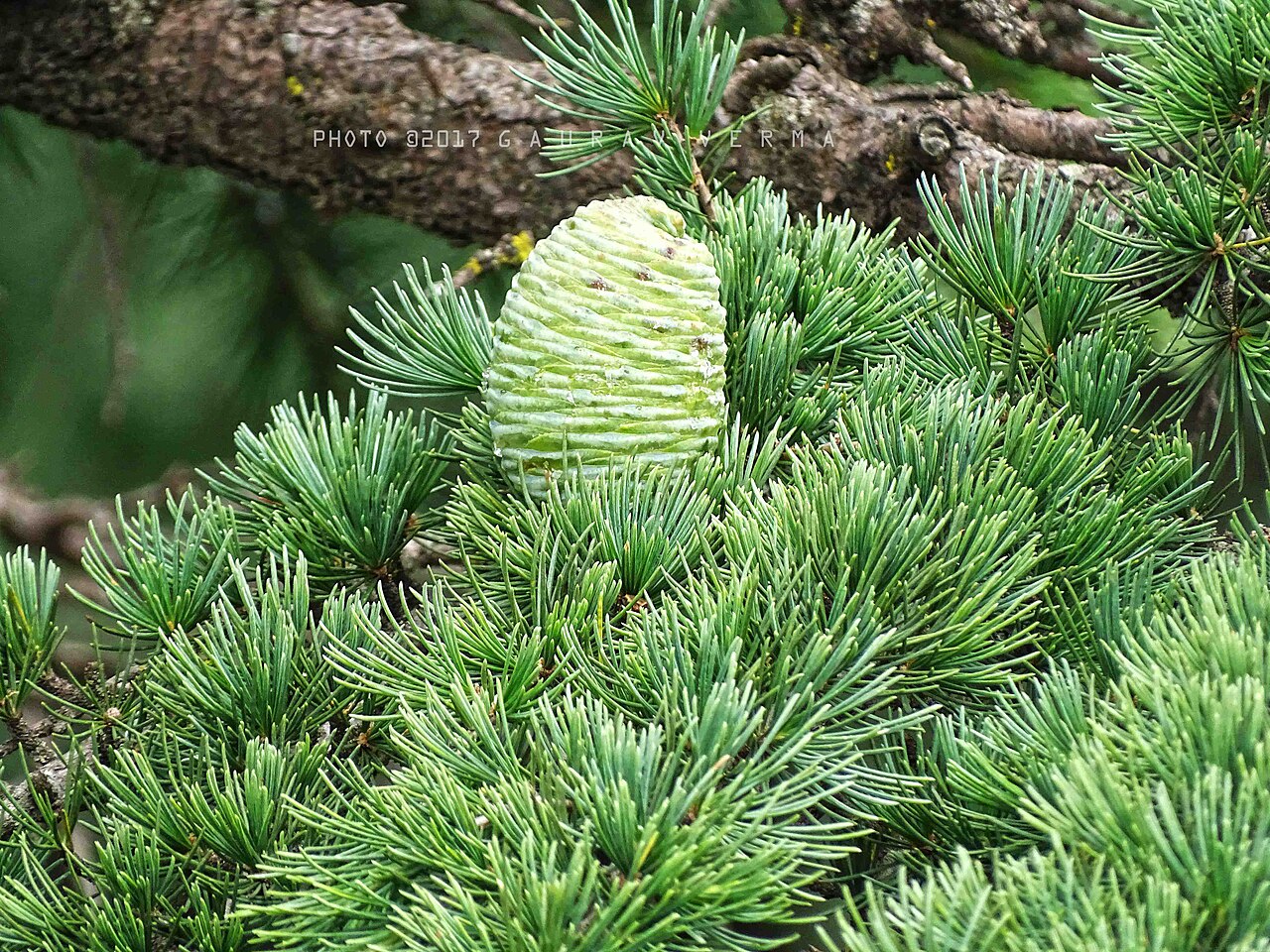
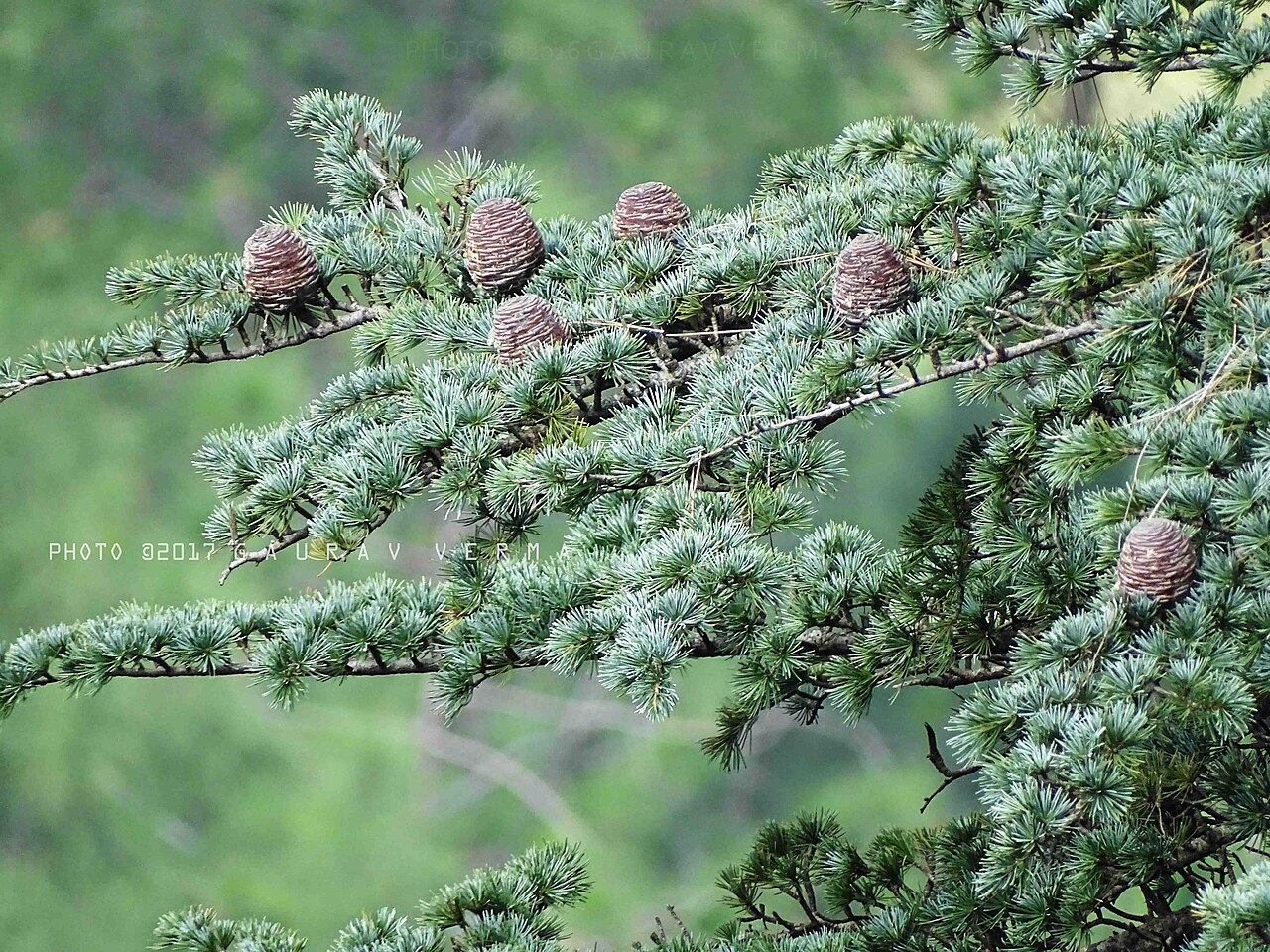
How to grow
True cedars are the genus Cedrus, and they are not the trees most Americans call cedar: eastern redcedar is a juniper, western redcedar is a Thuja, and true cedars are the Atlas cedar (Cedrus atlantica, zones 6-9, the most heat-tolerant), Lebanon cedar (Cedrus libani, zones 5-7, the hardiest) and deodar cedar (Cedrus deodara, zones 7-8, the most graceful, with nodding branch tips). All grow about 60 feet tall with a conical youth and a grand, flat-topped, irregular maturity, and all need full sun, well-drained soil and a large site. Plant in spring or fall, handle the root ball gently — Atlas and Lebanon cedars are notoriously difficult to transplant — and give them decades: a young cedar is handsome, but a mature cedar is a landmark.
Water & feeding
Water deeply through the first two years, then water in dry spells; true cedars tolerate moderate drought once established but grow best with steady moisture and perfect drainage. Feed only if growth is weak, and prune little: remove dead or crossing wood and let the tree develop its natural, picturesque form.
Common problems
- Transplant difficulty, especially Atlas and Lebanon cedar — buy container-grown stock and plant carefully, disturbing roots as little as possible.
- Root rot in wet, poorly drained soil — drainage is non-negotiable for true cedars.
- Tip blight and scale in stressed trees — keep the tree vigorous and site it for air movement.
- Size — a mature cedar is a very large tree; do not plant it under wires or near a small house.
Notes
Lebanon cedar is the cedar of the ancient world, famed in scripture and prized for temples and ships, and the same species still grows in gardens today, living for centuries. If you plant a true cedar, you are planting for grandchildren you have not met yet, which is a good reason to give it room.
Browse all plant & pest guides
Saving seeds
This is a genus-level method, because this guide covers true cedars, the genus Cedrus, rather than one species, and the first thing to know is the timescale. True cedars are trees you plant for grandchildren you have not met yet, and their seed plays the same long game. Cedars are monoecious, carrying male and female cones on the same tree, and the upright, barrel-shaped female cones take more than one season to mature, ripening in autumn and then slowly breaking apart on the branch, shedding their winged seeds through autumn into spring. Collect from a healthy, mature tree, and gather the cones just as they turn brown and begin to loosen, before they disintegrate completely and scatter the seed to the wind. A cone picked too green holds immature seed that will not sprout, and a cone left too long holds nothing at all.
Dry the cones indoors in a warm, airy spot until the scales open and the winged seeds drop free, then clean away the cone debris and pick out the plump, filled seeds, discarding the flat, empty ones. Cedar seed generally needs a period of cold, moist stratification before it will germinate well, mimicking winter on the mountainsides where these trees come from, so mix the seed with damp sand or peat, seal it in a bag, and refrigerate it for several weeks before sowing in spring. Sow shallowly in well-drained, gritty compost, keep the seed bed moist but never waterlogged, and protect it from rodents, which regard cedar seed as a snack. Germination is unhurried, and the seedlings are unhurried too: expect to grow them on in pots for a year or two, and in a nursery bed for several more, before a young tree is ready for its permanent spot, given the thirty to forty feet of elbow room a mature cedar will eventually demand.
Two honesty clauses come with the packet. First, seedlings do not reliably repeat their parents. The species themselves, Atlas cedar, deodar cedar, cedar of Lebanon, and Cyprus cedar, will give you recognisable members of their species, but named cultivars, the weeping blue forms like ‘Glauca Pendula’ for example, will not come true from seed, and their seedlings will revert toward ordinary species form. Nurseries propagate those cultivars by grafting onto seedling rootstocks, usually Atlas cedar, and that is the only way to copy a weeping blue cedar faithfully. Second, the Florida caveat: true cedars are generally hardy only to about zone 6 through 9, and they are trees of well-drained soils and cooler summers, so much of Florida’s heat and humidity is a stretch for them, with deodar cedar the most heat-tolerant of the group. Store spare seed dry, cool, and dark in an airtight container, sow it fresh when you can, and plant it with the understanding that you are starting a tree whose best years belong to someone else’s old age, which is either a discouraging thought or the finest reason to do it.
Varieties
Every named variety of Cedar with its own growing guide:
- Glauca Pendula Cedar — The weeping blue Atlas cedar: powder-blue needles cascading from a staked trunk, like a waterfall that decided to be a tree.