
🌲 Giant Sequoia
What it looks like
How to grow
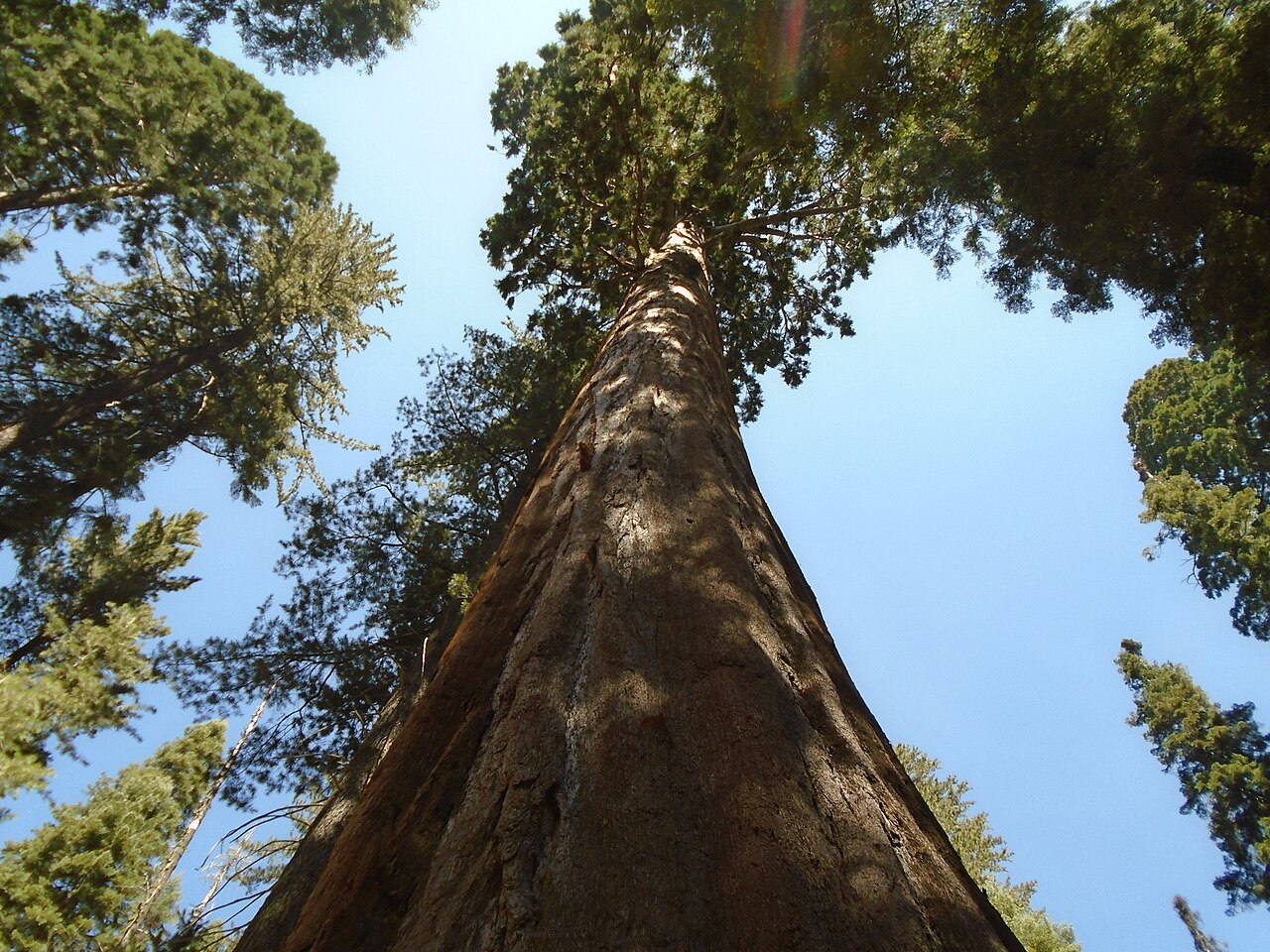
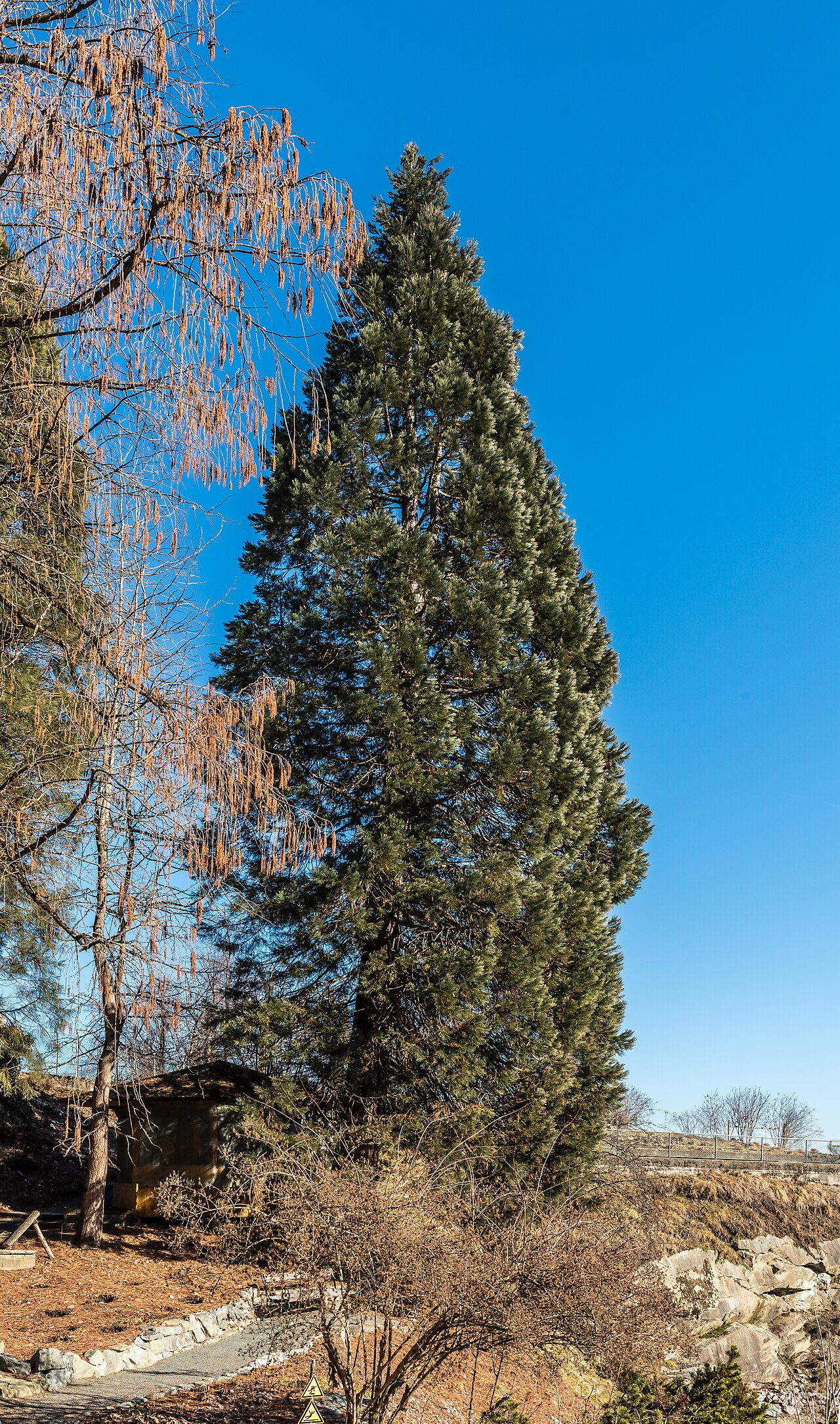
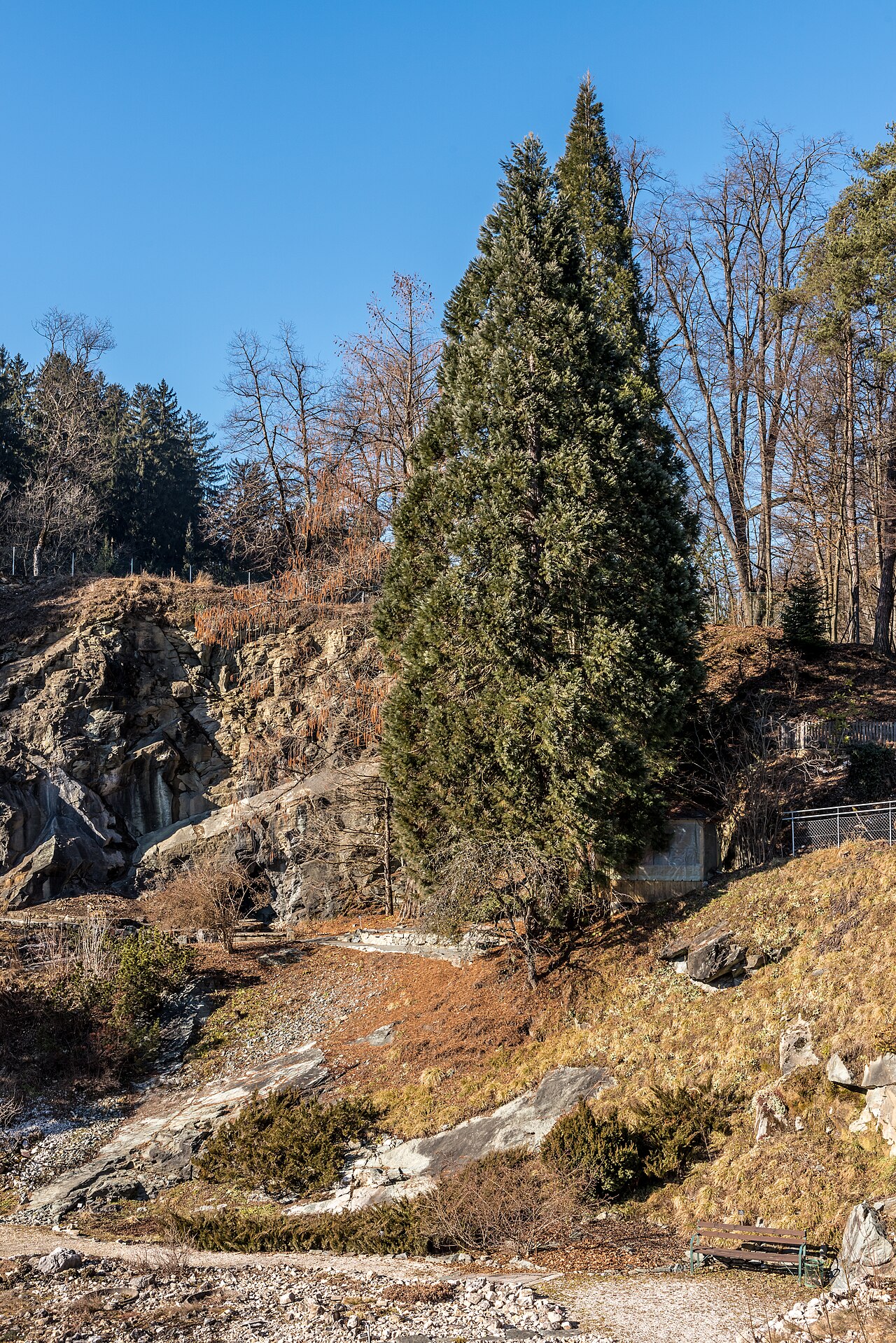
Giant sequoia, also called Sierra redwood or big tree, is the largest tree on Earth by volume, reaching 250-300 feet in its native Sierra Nevada groves, though cultivated trees in the eastern United States usually stay under 60-100 feet. It is a dense, pyramidal evergreen with blue-green, scale-like foliage, thick, fibrous, reddish bark and small, egg-shaped cones. Unlike coast redwood, it tolerates a wider range of soils and drier air, and it succeeds across much of the United States in zones 6-8, provided it gets full sun, deep, well-drained, moist soil and room — a great deal of room. Plant it in a park, estate or very large yard, far from buildings and wires, and think in centuries.
Water & feeding
Water deeply and regularly the first few years, then water in prolonged drought; giant sequoia likes consistent moisture but rots in standing water or hard clay. Mulch to hold moisture, and feed young trees lightly with compost or a slow-release organic fertilizer — avoid heavy nitrogen that pushes weak, spindly growth.
Common problems
- Waterlogged soil and root rot — drainage must be good, even for a tree that likes moisture.
- Late frost damage to young growth — protect seedlings in their first winters in cold sites.
- Heat stress above about 95 degrees for long periods — site for air movement and water in heat waves.
- Size — the obvious problem; a giant sequoia is not a foundation plant, a screen or a street tree.
Notes
Giant sequoia groves have survived for thousands of years, in part because their thick bark resists fire and their cones open after fire, seeding the next generation. Planting one is an act of optimism on a very long timescale, and a gift to a landscape you will not live to see mature.
Browse all plant & pest guides
Saving seeds
Saving giant sequoia seed is an exercise in humility, because you are collecting the next generation of the largest tree on Earth in a packet the size of a grain of rice. The cones take about two years to mature, and they hang on the tree for years after that, which means a mature tree usually carries cones at several stages — do not pick the green, upright first-year cones, which are not ready. Collect mature brown cones in fall, from your own tree or with the landowner’s permission. A note on manners and law: cones in national parks and many public groves are protected, so admire those trees and buy your seed instead; there is no faster way to ruin a good conservation story than to poach cones from a grove that has survived for millennia.
Back home, lay the cones in a warm, airy spot for two to four weeks until their scales gape open, then shake them over a tray and pick out the small, flat, winged seeds, roughly 5 mm long, winnowing away the papery chaff. Dry the seed thoroughly, then store it in an airtight container somewhere cool and dark — the fridge works well — where it keeps for several years, labeled with the tree and the date. Sequoia seed is orthodox seed, meaning it tolerates drying and cold storage, which is convenient for a plant whose whole strategy is waiting out centuries.
Before sowing, give the seed a winter. In nature a germination inhibitor stops it sprouting in fall, so it waits out the cold; you can mimic that with cold stratification — a month to six weeks in the fridge in barely moist sand or peat is the usual advice, though sources vary, with some reporting success on shorter chills, so treat the range as guidance, not gospel. Soak the chilled seed in room-temperature water for a day or so, then sow it on the surface of a moist, lean, mineral-rich mix, barely dusted with fine material, because sequoia seed needs light to germinate. Keep it bright but out of direct sun, moist but never waterlogged, and ventilated, or mold will take the tray before the trees do. Germination is famously uneven and often low, so sow generously — many more seeds than the number of trees you actually want — and expect sprouts over a few weeks. Grow seedlings on in pots, protect them from hard frost for their first year or two, and plant out only when they are sturdy. Seedlings are genetically variable, so named cultivars are grafted, not seed-grown; a seedling is a new tree, not a copy. And before you sow fifty of them, remember the planting advice in this guide: a sequoia wants room measured in decades and centuries, far from buildings and wires. Sow like you mean it, and plant like you will not live to see it mature — because that, gloriously, is the point.
Varieties
Every named variety of Giant Sequoia with its own growing guide:
- Glaucum Giant Sequoia — The blue sequoia: the most massive tree on Earth in a blue-green foliage form, a living monument for a very large yard.
- Pendulum Giant Sequoia — The weeping sequoia: a narrow, drooping giant sequoia that grows up by growing down, a vertical exclamation point for a large garden.