
🍋 Finger Lime
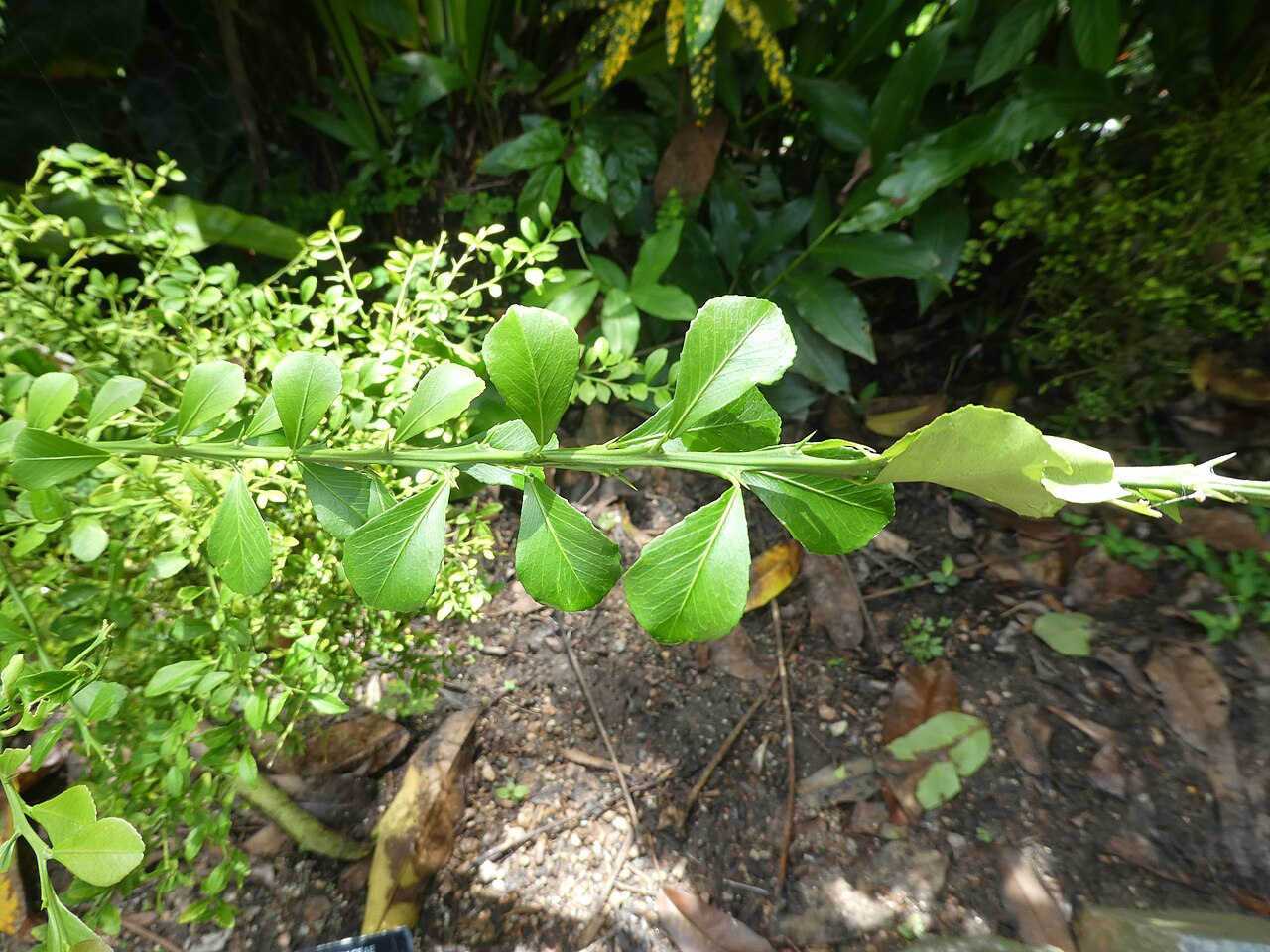
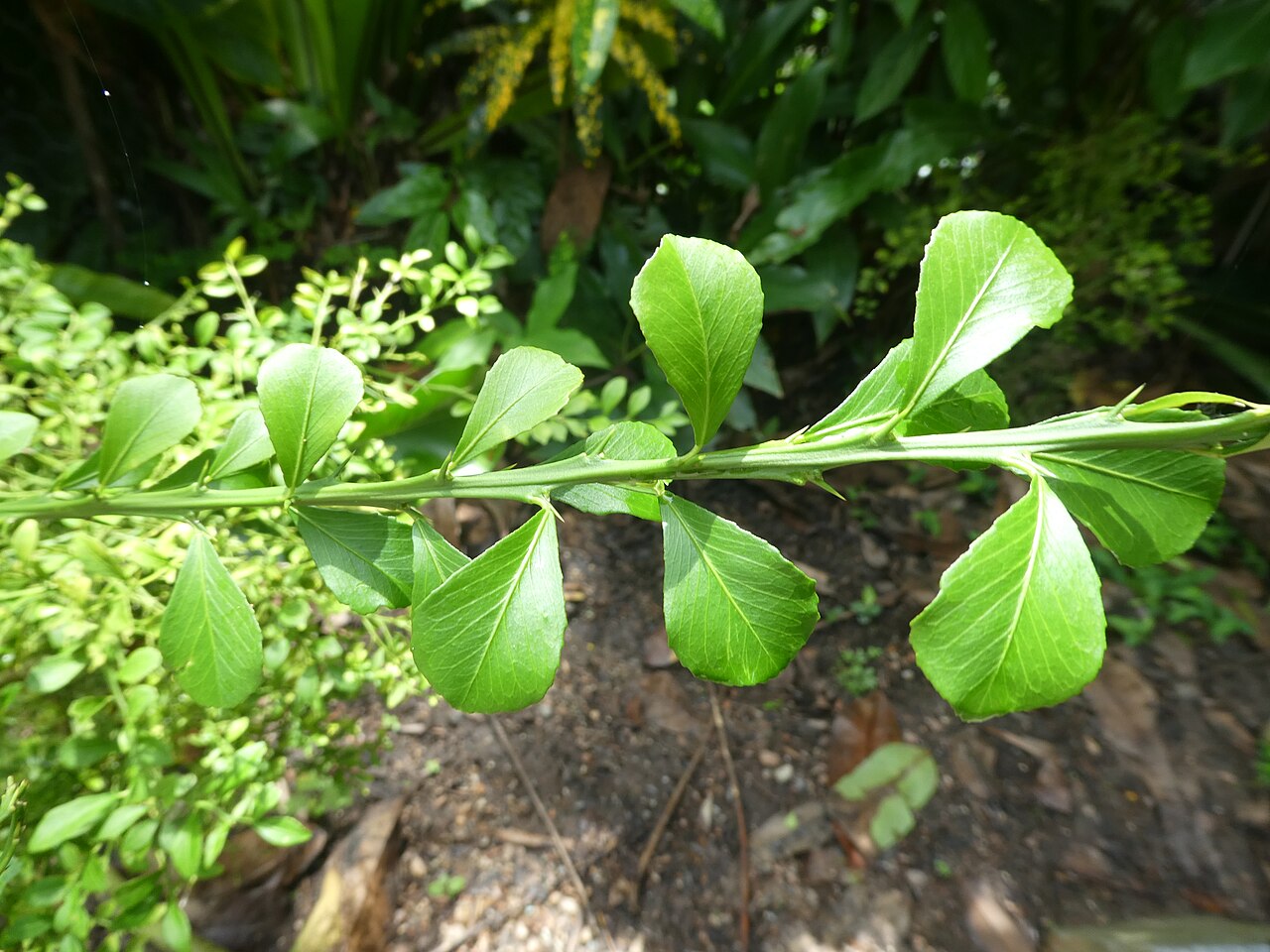
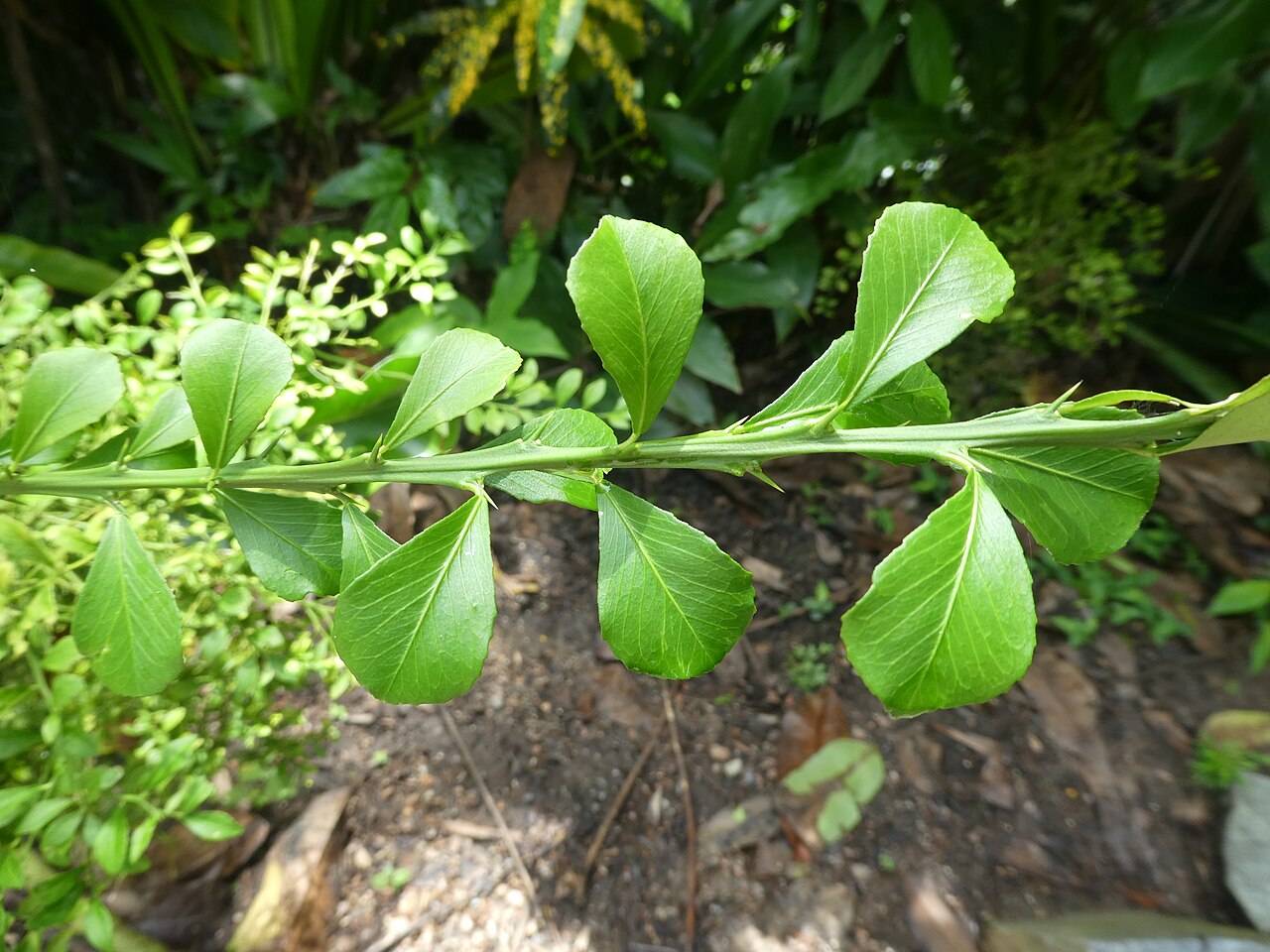
What it looks like
How to grow
Finger lime is an Australian citrus shrub whose finger-shaped fruit bursts open to reveal round, caviar-like vesicles in green, pink, or red, tasting sharply of lime. Grow it in full sun to light shade in well-drained, slightly acidic soil, in zones 9-11 outdoors or in a pot elsewhere — it is cold-tender and damaged below freezing, so container growing is the honest choice for most of the country. It is self-fertile and thorny, so site it where thorns will not snag passersby, and prune lightly to keep it open. Buy grafted trees for reliable fruit; seedlings vary and take longer. In Florida and other citrus-quarantine states, buy only from approved in-state sources and follow local citrus movement rules.
Buy grafted trees on a rootstock suited to your site — trifoliate orange where cold hardiness matters, sour orange where it thrives — and plant in the warmest, sunniest, best-drained spot you have, with the graft union above the soil line. In Florida, citrus greening (HLB) is the defining challenge: buy certified disease-free stock and scout new growth for the Asian citrus psyllid that spreads it, since there is no cure once a tree is infected. Container growing works well for finger limes in marginal zones — a big pot can wheel inside for a freeze — and fruit ripens on the tree, so taste is the test: color misleads, fruit holds on the tree for weeks, and the Florida season runs roughly fall through spring depending on variety.
Water & feeding
Water deeply, then let the top few inches dry before watering again — finger lime wants even moisture while fruit swells, but hates wet feet. Mulch to hold moisture. Feed with a citrus fertilizer in spring and summer; container trees need regular feeding and occasional repotting.
Common problems
- Frost — move pots in before cold weather; in-ground trees in marginal zones need covering.
- Citrus leafminer and scale — inspect leaves and treat with horticultural oil.
- Citrus greening (HLB) — buy certified stock and watch for decline; no cure exists.
- Thorns — prune with gloves and site thoughtfully.
Harvest
Pick when fruit feels full and heavy and the skin gives slightly; cut open and squeeze out the pearls like caviar. Use at once on seafood, salads, desserts, and drinks — the pearls lose their pop if cooked hard. Store briefly refrigerated.
Browse all plant & pest guides
Saving seeds
Stop right here and unlearn the usual seed-saving script, because finger lime seed breaks the cardinal rule: it must never be dried. Citrus australasica produces recalcitrant seed — seed that is born wet, stays wet, and dies if it dries out. That is the opposite of a bean or a tomato seed, which can nap in a paper envelope for years. A finger lime seed left on the counter for a week is a seed on its way to the compost; its viability falls steeply within days of leaving the fruit, and sources agree the decline is fast even if they argue about the exact percentages. Treat every extracted seed like a tiny tropical fish out of water: keep it moist, keep it moving toward soil, and never let it sit exposed to dry air for more than a few minutes. This is also why anyone offering you a dry envelope of finger lime seed is selling you a souvenir, not a crop.
Start with fully ripe fruit — fruit that feels full and heavy, with skin that gives slightly, and pearls at their peak. Slice the fruit lengthwise and tease the seeds out from among the vesicles; they are cream-colored, slightly elongated, and small enough to lose, so work over a damp paper towel and transfer each seed onto it the moment it is free. Rinse gently to remove pulp, which otherwise invites mold, but pat only the surface moisture away — you are blotting, not drying. Sow immediately if you possibly can. If you must hold seed for a few days, tuck it into barely moist vermiculite or peat in a roomy, loosely closed bag in the refrigerator, check it daily for mold, and sow at the first opportunity; think days, not weeks, and never the freezer, where ice crystals shred the embryo. In Florida humidity the mold risk runs the other way too — a bag sealed soaking wet will rot before it sprouts — so the medium should feel like a wrung-out sponge, moist but never waterlogged, and the bag should breathe a little.
For sowing, use a light, free-draining mix — seed-starting mix cut generously with perlite and a little coarse sand — and sow the seed shallowly, barely covered. Keep it consistently moist and warm, roughly 70 to 80 degrees, in bright indirect light, and water from below when you can so the tiny seeds are not disturbed. Germination is uneven, and a seed that has waited too long may simply never wake up; sow generously. Seedlings grow slowly at first — a seed-grown finger lime is a multi-year project before it fruits, noticeably longer than a grafted tree, which is why nurseries graft.
That brings the honesty note about trueness. Finger lime seedlings are variable: fruit color, pearl tint, flavor, thorniness, and tree habit can all differ from the parent, because citrus seed carries a reshuffled genetic deck. If you love a named variety — its particular pearls, its particular bite — propagate it by grafting or cuttings, not by seed, and buy certified stock, since citrus greening disease makes clean nursery material more important than ever. Seed is for the experimenter, the rootstock grower, and the gardener who delights in surprises: sow fresh, sow promptly, keep it moist, and accept that the tree you get may be a brand-new variety with your name on it rather than a copy of the fruit you ate. That is not a failure of seed-saving. For a recalcitrant seed, getting anything to grow at all is the whole victory.
Varieties
Every named variety of Finger Lime with its own growing guide:
- UF SunLime Finger Lime — Florida's own finger lime, bred for big red fruit and an easier harvest.
- UF RedLime Finger Lime — Florida's long, dark-red finger lime, bred to shrug off greening.
- UF WhiteLime Finger Lime — Florida's pendulous white-pearl finger lime, green at harvest and blushing red if left to full maturity.
- Red Champagne Finger Lime — Citrus caviar in pink-red: dark-red fruit with sweet-tart pink pearls — the finger lime chefs pay a premium for.
- Pink Ice Finger Lime — One of the first commercial finger limes, with burgundy skin and pretty pink pearls.
- Judy's Everbearing Finger Lime — The everbearing finger lime that keeps handing you caviar fruit instead of making you wait for one big crop.
- Alstonville Finger Lime — A tall, early, heavy-cropping finger lime with dark fruit and pale green pearls.
- Byron Sunrise Finger Lime — A smooth-skinned finger lime with tangerine-red flesh that looks like sunrise when you cut it open.
- Durhams Emerald Finger Lime — A black-skinned finger lime hiding emerald-green pearls with a strong lime punch.
- Jali Red Finger Lime — A decorative red finger lime that colours up from black to red on the same tree.
- Rainforest Pearl Finger Lime — The red-fleshed rainforest finger lime with crimson-blushed skin and pink pearls.
- Green Sapphire Finger Lime — A willowy, soft-leafed finger lime loaded with big green caviar pearls.
- Collette Finger Lime — A greenish-yellow finger lime with pale pearls and a reputation for handling cold better than most.
- Australian Blood Lime — The egg-shaped red lime with finger lime pearls and a mandarin-lime zing.
- Sunrise Lime — A golden, pear-shaped lime you can eat whole, sweet rind and tangy heart together.
- Wauchope Finger Lime — The tall, dark, handsome finger lime: the tallest finger lime variety, with dark purplish-black skin, clear-to-pink-blushed pearls, and a mild, subtle lemon taste.