
🍇 Wampi
What it looks like
How to grow
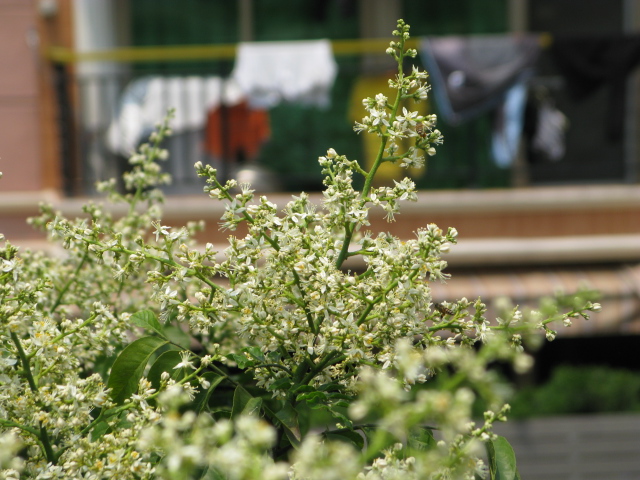
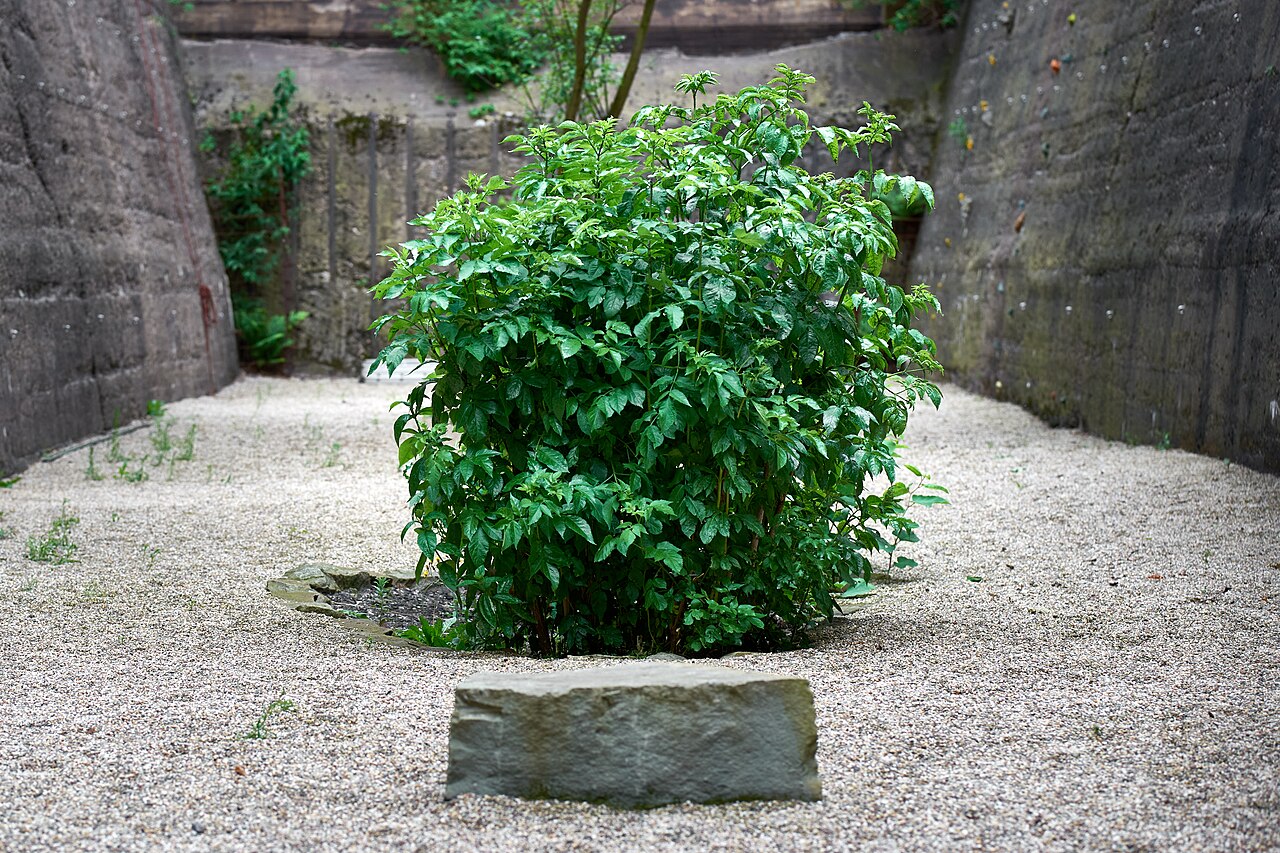
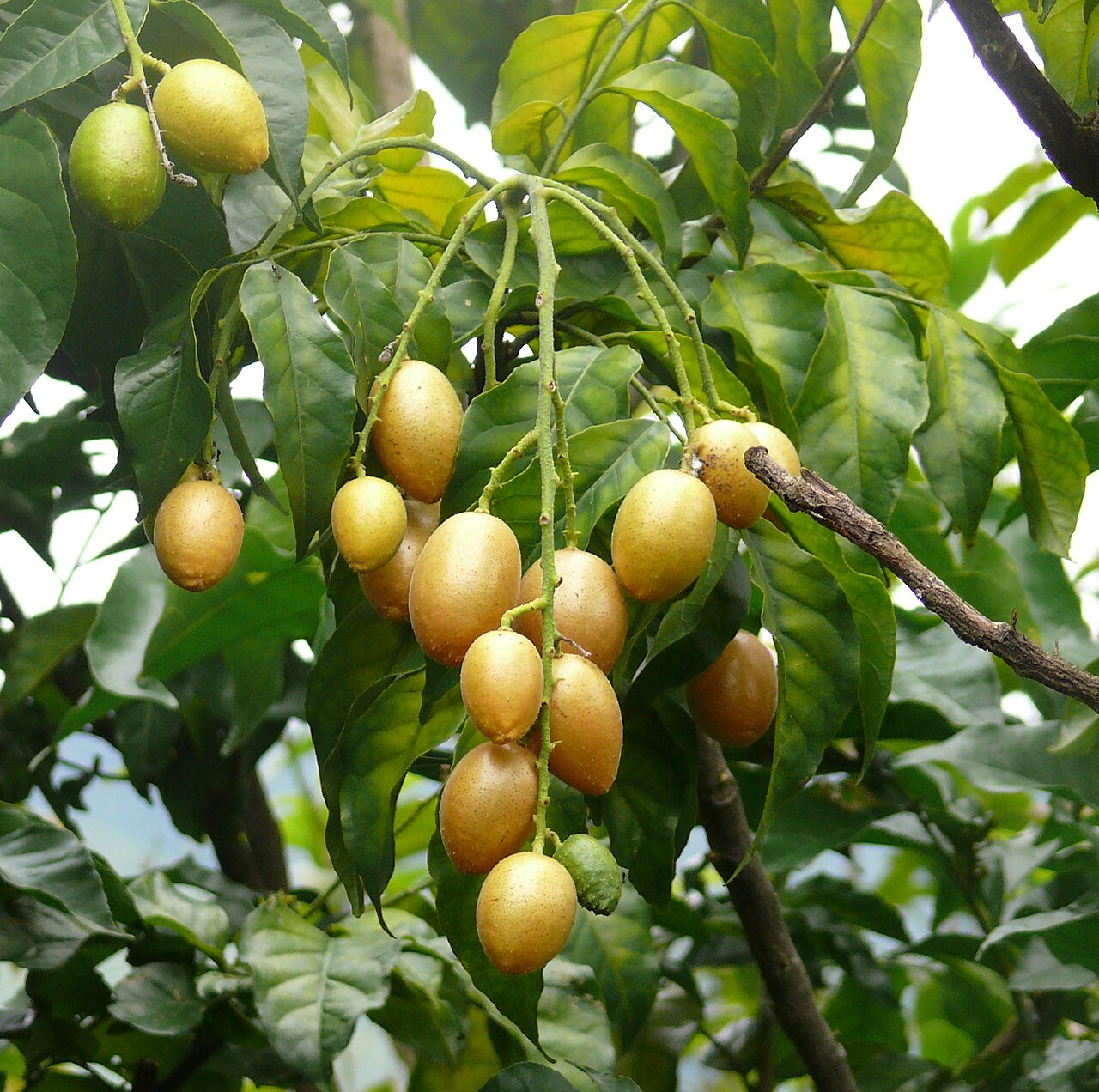
Wampi is a small evergreen tree in the citrus family, bearing clusters of small, yellow, grape-sized fruit with sweet-tart, slightly resinous flesh — eaten fresh, made into jelly, and used in drinks in southern China and Southeast Asia. Grow it in full sun to light shade in fertile, well-drained, slightly acidic soil in zones 9-11; it is more cold-tolerant than many tropical fruits and can take light frost, but hard freezes damage it, so site it warm and protected in marginal zones. It is self-fertile and moderately vigorous, reaching 15-20 feet. Buy a grafted tree for reliable sweetness. Prune lightly to keep it open and at picking height.
Water & feeding
Water deeply while young and while fruit swells; established wampi tolerates brief dry spells but fruits better with steady moisture. Mulch to hold moisture. Feed a few times a year with a balanced fertilizer or compost.
Common problems
- Hard frost — protect in marginal zones.
- Fruit flies and birds — pick promptly and net if needed.
- Seedling variability — grafted trees give predictable flavor.
- Leaf miners in the citrus family — inspect new growth and treat if populations build.
Harvest
Pick clusters when fruit turns fully yellow and softens slightly; taste for sweetness, since seedlings vary. Eat fresh, peeling the thin skin, or cook into jelly and drinks. Use promptly; wampi does not store long off the tree.
Browse all plant & pest guides
Saving seeds
Wampi seed comes with a deadline: it is recalcitrant, and it does not wait. Clean the pulp off the seed, rinse it, and sow it the same day or within a few days — it loses viability fast once it dries out. Sow warm, in moist mix, barely covered, and germination usually comes in two to four weeks. Do not store the seed, and do not dry it out.
Save seed from the best tree — the sweetest, most aromatic fruit, the healthiest canopy — and sow more than you need, since germination is uneven. The seedlings will vary wildly in fruit size and flavor, and the named types come only from grafting. Seed is for the species, for rootstocks, and for the patient gardener. A seed-grown wampi takes five to seven years to fruit.
Keep the seedlings warm and moist, and protect them from frost — wampi is a subtropical tree for zones 9 to 11, happiest in full sun and rich, moist soil. It wants the warm, humid air of a Florida summer, and it will sulk through a cold snap.
In Florida, wampi is a dooryard fruit tree for the southern part of the state, happiest where the frost is light and the summers are long. Plant it in a sunny spot with room to grow, and be patient — a wampi grown from your own seed is a fruit tree with a story.
Varieties
Every named variety of Wampi with its own growing guide:
- Guy Sam Wampi — The sweet-tangy wampi: brown-skinned, grape-sized fruit with sweet, aromatic, tangy flesh, the grafted wampi to plant first.
- Yeem Pay Wampi — The very sweet yellow wampi: large, elongated, yellow-skinned fruit, heavy cropping and very sweet, the wampi for a sweet tooth.