
🍇 Langsat
What it looks like
How to grow
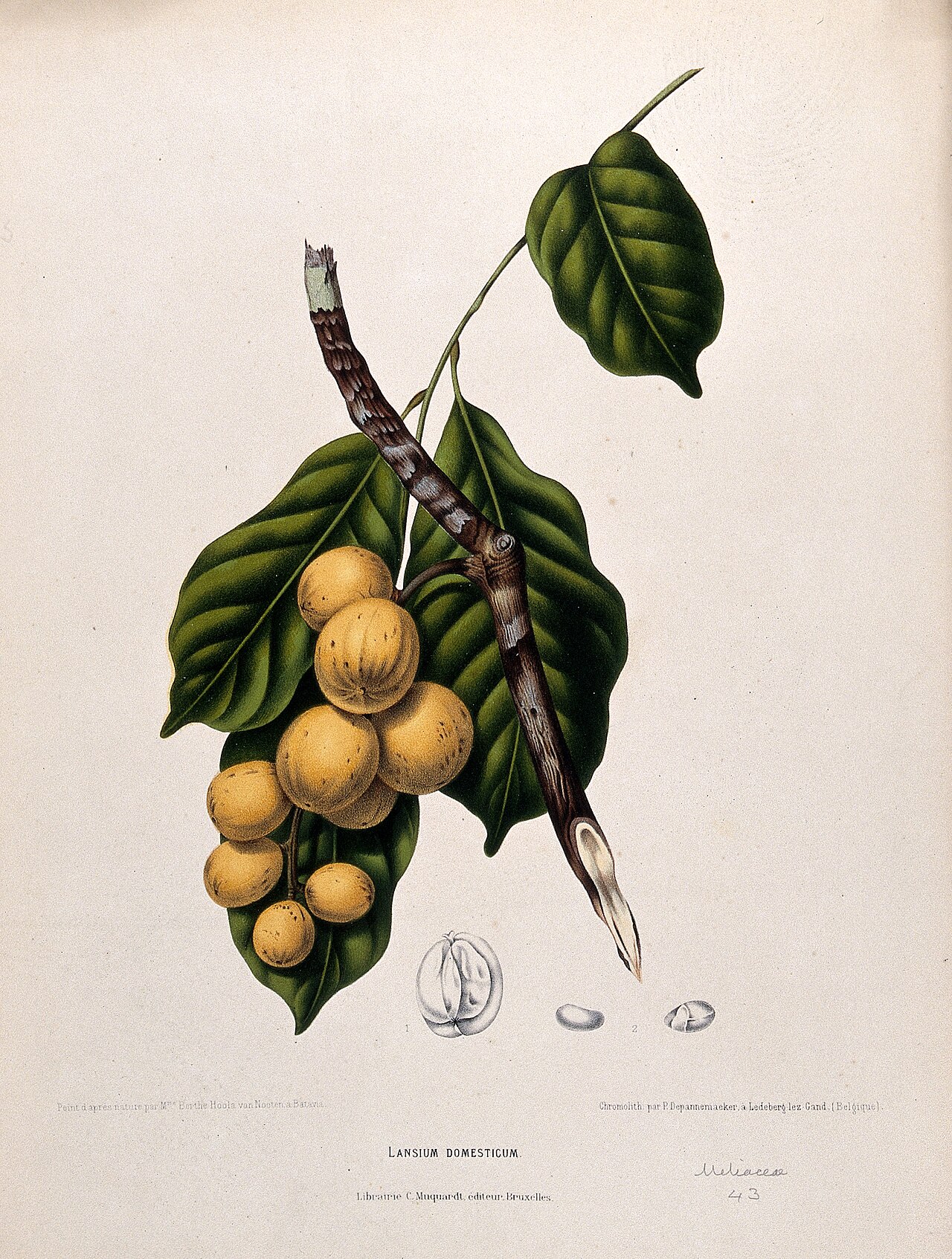
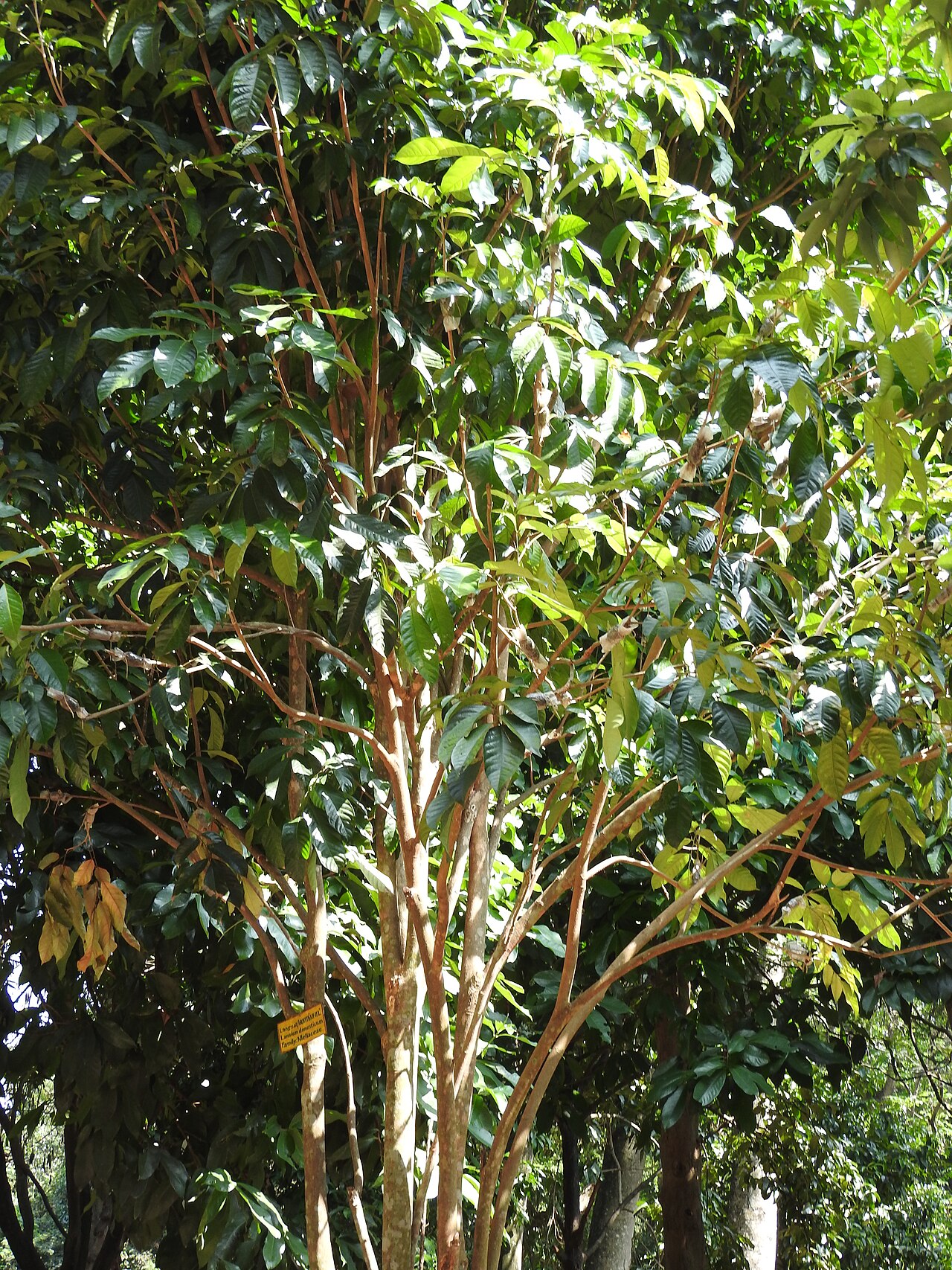
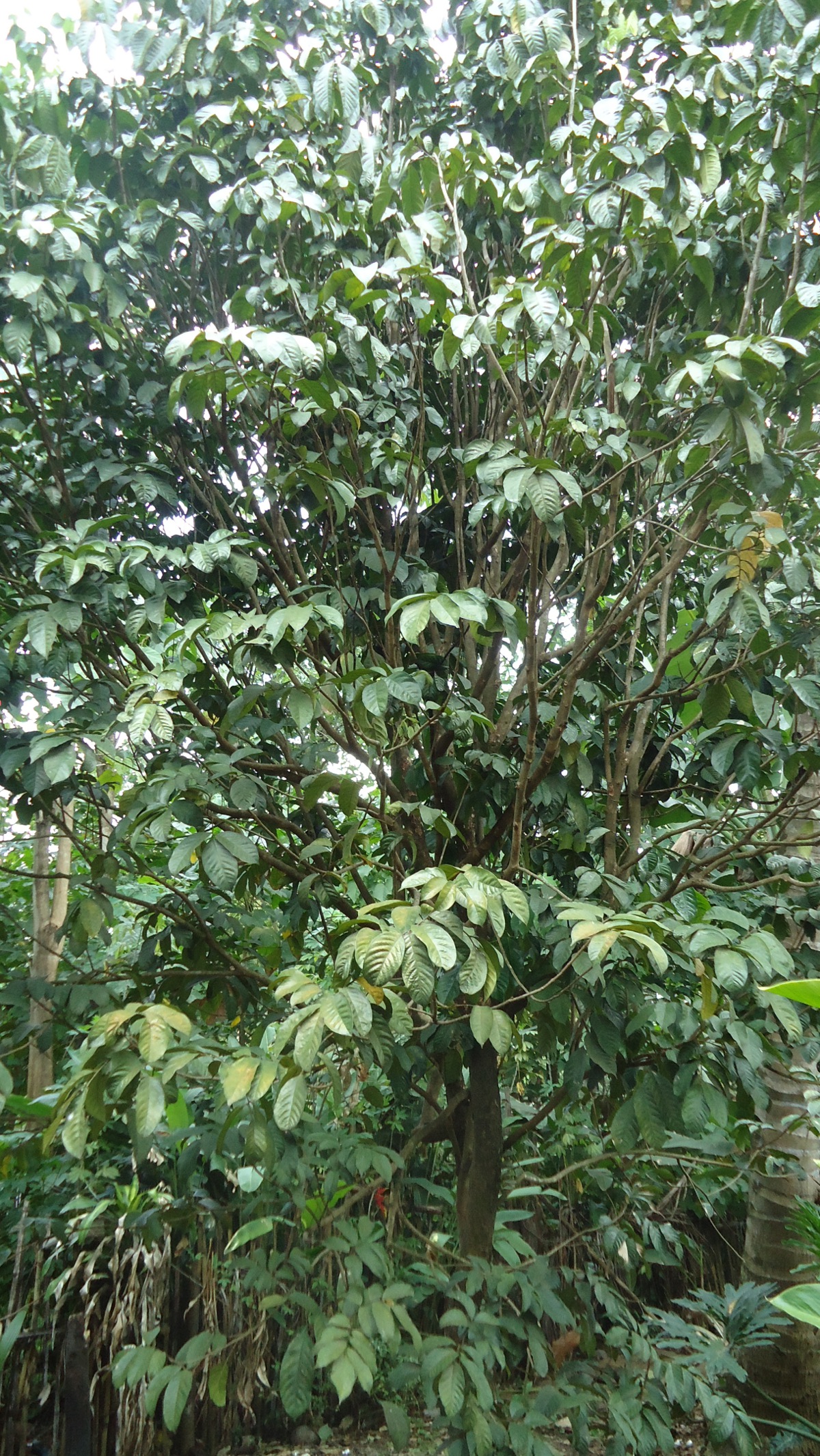
Langsat is a Southeast Asian tree bearing clusters of small, pale yellow fruit with thin skin and translucent, sweet-tart, grape-like flesh around bitter seeds — a beloved tropical fruit that is also one of the most cold-sensitive you can try. Grow it only where frost never comes: Hawaii and the warmest, most protected south Florida microclimates, in rich, moist, well-drained, slightly acidic soil, with partial shade when young and full sun when mature. It wants high humidity and steady moisture year-round, and it grows slowly — seedlings can take a decade or more to fruit, so a grafted tree is worth seeking out. This is a specialist’s tree, not a beginner’s: if your garden sees frost, grow something else, and enjoy langsat from a market instead.
Water & feeding
Water deeply and regularly; langsat must never dry out, and it wants high humidity. Mulch thickly to hold moisture. Feed several times a year with a balanced fertilizer or compost.
Common problems
- Cold — any frost damages or kills it; this is the hard limit.
- Dry air and drought — fruit drops and growth stalls; mulch and irrigation help.
- Slow growth and late fruiting from seed — buy grafted trees.
- Bitter seeds — eat flesh around seeds, and do not bite into them.
Harvest
Pick clusters when skin turns pale yellow and fruit feels soft; peel the thin skin and eat the translucent segments fresh, spitting out bitter seeds. Use promptly — langsat does not store long. The dried peel is traditionally burned as mosquito repellent in Southeast Asia, which is a second use worth knowing.
Browse all plant & pest guides
Propagation
Langsat is a tree that teaches patience, and its seed is the first lesson. The seed is recalcitrant, which is a botanical way of saying it refuses to wait. Unlike a bean or a tomato seed that will sit dry in a packet for years, a langsat seed starts dying the moment it dries out. Fresh seed has its highest viability within a day or two of coming out of the ripe fruit, and even kept cool and damp in a sealed bag in the fridge, it only stays alive for a couple of weeks at most. There is no such thing as saving langsat seed for next season. If you want to grow one from seed, the fruit must be eaten and the seed sown the same week — pick only the largest, plumpest seeds, since small ones make weak seedlings, and sow them straight away in moist, rich, well-draining mix, kept warm and never allowed to dry out.
And then you wait. A seedling may take a decade or more to fruit — sources vary, with figures from around twelve years to twenty or twenty-five years quoted — and the fruit it eventually bears may be inferior to the parent, since a seedling is a genetic gamble. Named cultivars do not come true from seed: a seedling of Duku will not reliably be Duku, and a seedling of the nearly seedless Longkong will not reliably be Longkong. Some forms of this species do produce seedlings very like the parent, but even then the wait is the wait.
That is why grafting is the propagation method that matters for langsat. Growers raise a seedling as a rootstock — it takes ten to eighteen months or more for a seedling to reach pencil thickness and grafting size — and then graft a cutting of a known cultivar onto it, by veneer, cleft, or approach grafting. A grafted tree fruits far sooner, usually within about five to eight years, and it fruits true to the cultivar you chose. Air layering, or marcotting, is another route to a true-to-type tree, and softwood cuttings and budding are also used, but grafting is the standard for a good reason. For most Florida gardeners, the honest advice is simpler still: buy a grafted tree from a reputable tropical nursery. You will save a decade, and you will know what fruit you are waiting for.
Florida adds its own conditions to the deal. Langsat wants what south Florida’s warmest, most protected microclimates can just barely offer: no frost ever, high humidity, steady moisture, rich acidic soil, and partial shade while young. That humidity is actually your friend when it comes to seed and cuttings — nothing here dries out the way it would in a dry climate — but it also means a seedling left in a pot will not forgive a missed watering. Keep young plants moist, mulched, and sheltered from wind and cold snaps, and accept that this is a specialist’s tree. If your garden sees frost, the kindest propagation advice is to enjoy langsat from a market instead, and put your grafting energy into a tree that will love you back.
Varieties
Every named variety of Langsat with its own growing guide:
- Duku Langsat — The thick-skinned langsat: large, sweet, nearly latex-free fruit in short clusters, the langsat for fresh eating.
- Longkong Langsat — The sweetest langsat: nearly seedless, latex-free fruit in long clusters, the langsat connoisseurs plant.