
💜 Skullcap
What it looks like
How to grow
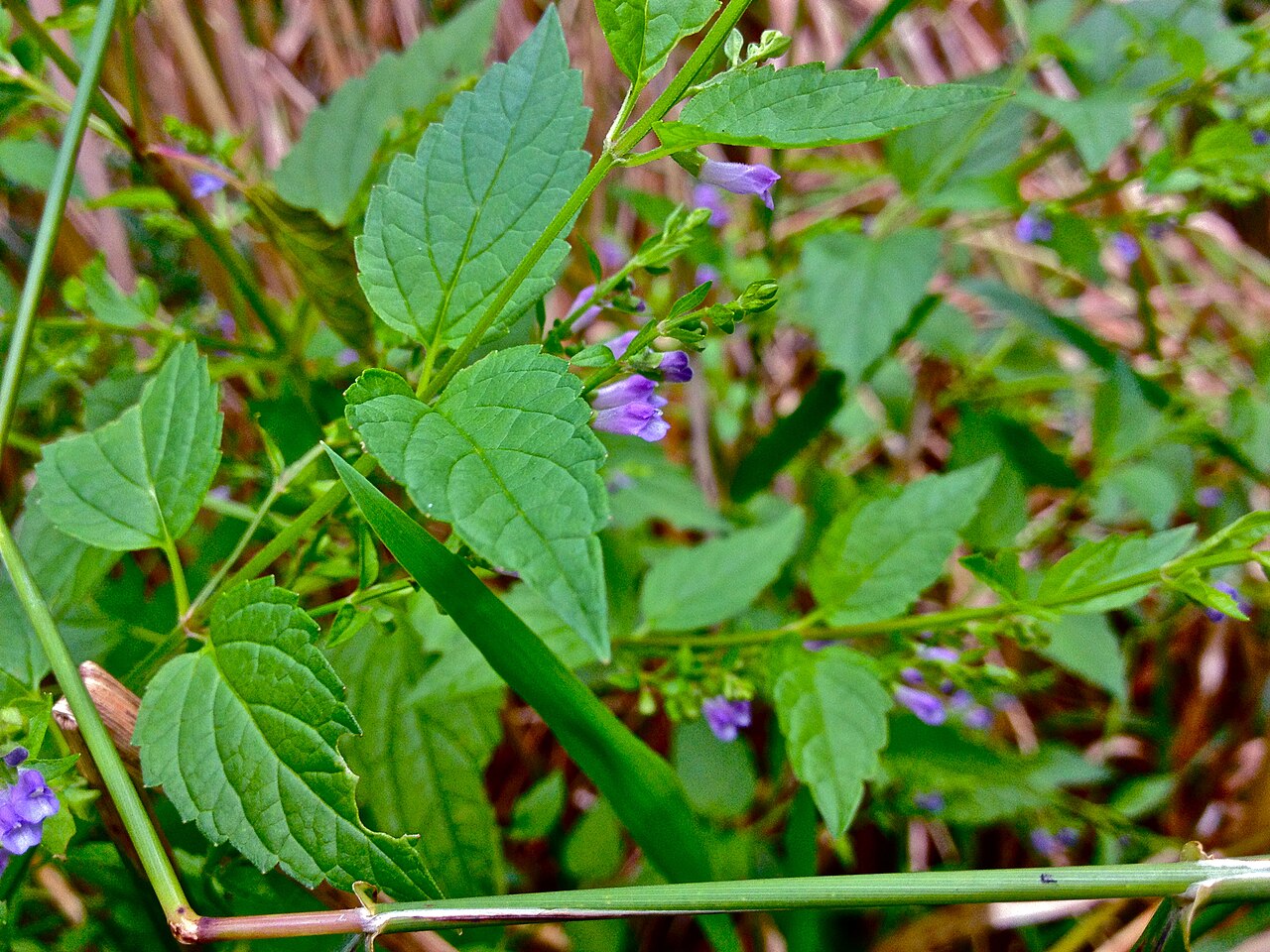
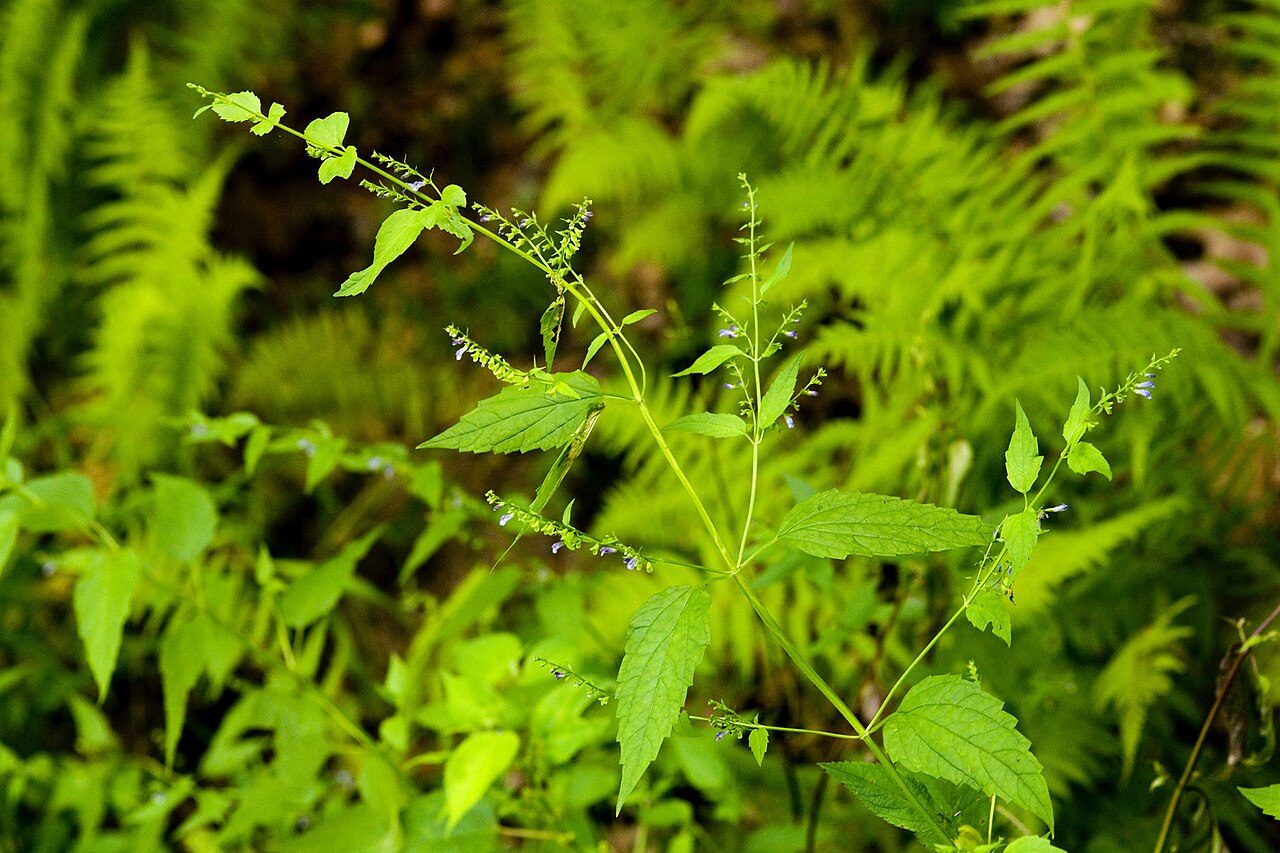
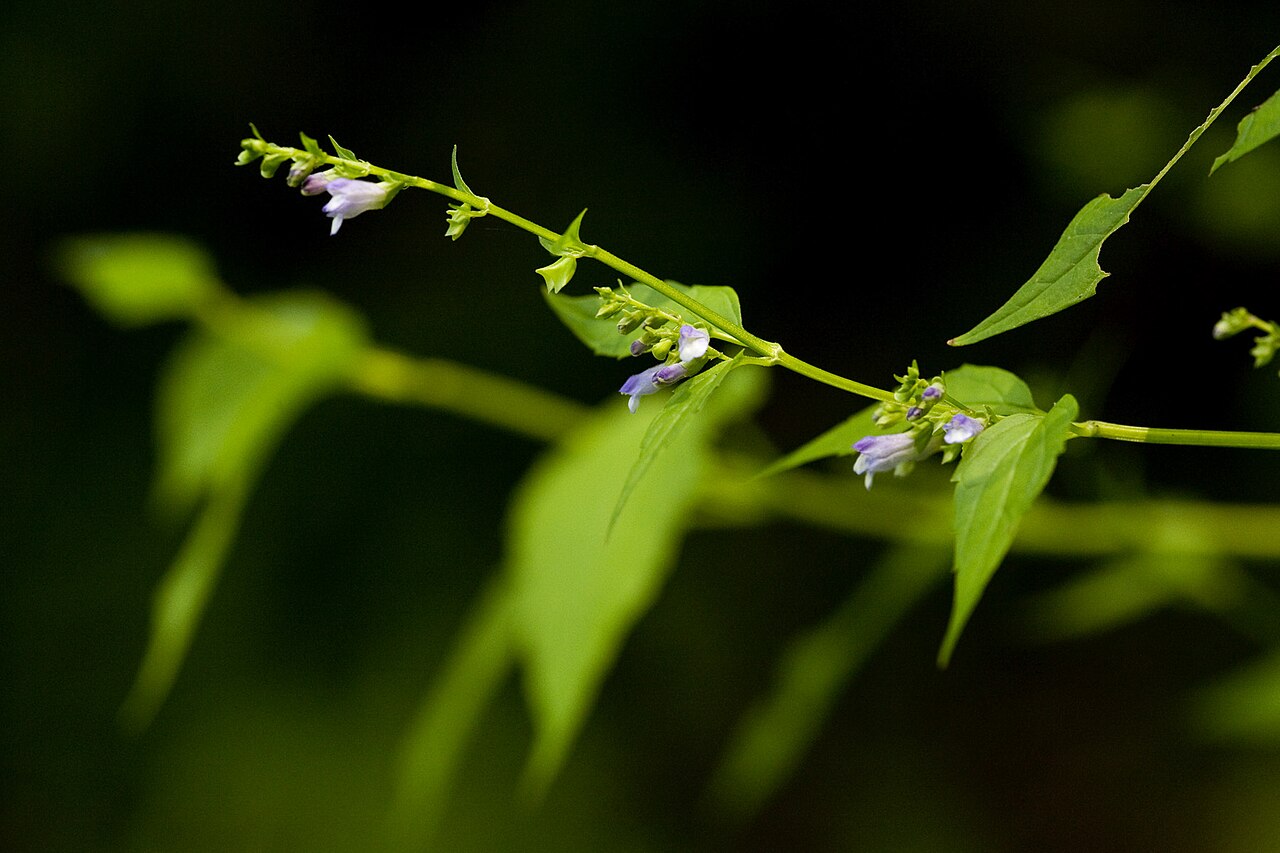
American skullcap is a slender mint-family perennial, 1-3 feet tall, with pairs of toothed leaves and small blue-violet flowers whose calyx looks like a tiny helmet — the scutellum that gives the genus its name. Start from seed indoors 6-8 weeks before last frost (seed benefits from a cold, moist period) or from divisions and cuttings in spring. It wants what most mints want, plus more water: rich, moist, well-drained soil that never fully dries out, in part shade or sun with afternoon shade in hot climates. A rain-garden edge, a damp low spot, or a pot kept watered all suit it. In the right damp corner it spreads gently by rhizomes into a soft, leafy patch; in dry soil it sulks, so do not plant it in the hot, dry herb bed and forget it.
Water & feeding
Keep soil consistently moist — skullcap is one of the few herbs that genuinely dislikes drying out, so water deeply whenever the top inch feels dry and mulch to hold moisture. Feed lightly with compost in spring; heavy fertilizer makes soft growth that flops. In containers, check daily in summer heat, since pots dry out far faster than garden beds.
Common problems
- Drying out — wilting and leaf drop are the first signs; water deeply, mulch, and move container plants to shade in heat waves.
- Powdery mildew in humid, crowded beds — space for airflow, water at the base, and cut out affected stems.
- Look-alike confusion — several Scutellaria species share the name skullcap, and some commercial material has historically been adulterated with other plants; buy plants or seed from a reputable nursery and label what you grow.
- Slugs on young shoots in damp spots — hand-pick at dusk; established plants outgrow minor damage.
Harvest
Cut leafy stems in summer, just as flowers open, taking the top two-thirds and leaving the base to regrow for a second cut. Dry promptly in a dark, airy place. This guide is about growing only: skullcap has a long traditional herbal history, and because species identification matters and some preparations have been linked to liver concerns, do not use homegrown skullcap medicinally without guidance from a qualified clinician. In the garden, its value is simpler — a graceful, bee-friendly patch for the damp corner nothing else likes.
Browse all plant & pest guides
Saving seeds
Genus-level honesty first: Scutellaria is a big genus — roughly 350 species — and seed needs vary by species, so this is the genus playbook. Most skullcaps need light to germinate, so sow on the surface of moist mix and do not bury the seed, and many need a cold, moist chill first — 30 to 60 days is the common range, though some species germinate without any chill at all. Check your species if you can; if you cannot, give it the chill, since a chilled seed that did not need it still germinates, while an unchilled seed that needed it does not.
The easy route is to sow in fall outdoors and let winter do the chilling. Or fridge-stratify in damp mix for a month or two, then sow warm — germination usually comes in two to four weeks after chilling. Let the seed heads ripen on the plant until dry, strip them into a bag, and dry the seed thoroughly before storing.
Division is also easy for the clump-forming species — lift and split in spring, and every piece with roots and shoots attached becomes a plant. Named selections come only from division; seedlings will vary, which is fine for a wildflower patch and less fine for a named form.
Several skullcap species are Florida natives. Save seed only from plants you own in your own garden, never from wild stands, and give the seedlings sun or part shade and soil that drains. In the right spot, skullcap is a quiet, tough, long-lived perennial that asks for almost nothing.
Varieties
Every named variety of Skullcap with its own growing guide:
- Smoky Hills Skullcap — The prairie skullcap: a tough, compact mound smothered in deep violet-blue blooms — the skullcap for dry, sunny gardens.
- Texas Pink Skullcap — The pink Texas skullcap: a low, mounding evergreen subshrub covered in rosy-pink flowers for months — the cherry skullcap.