
💜 Wood Betony
What it looks like
How to grow
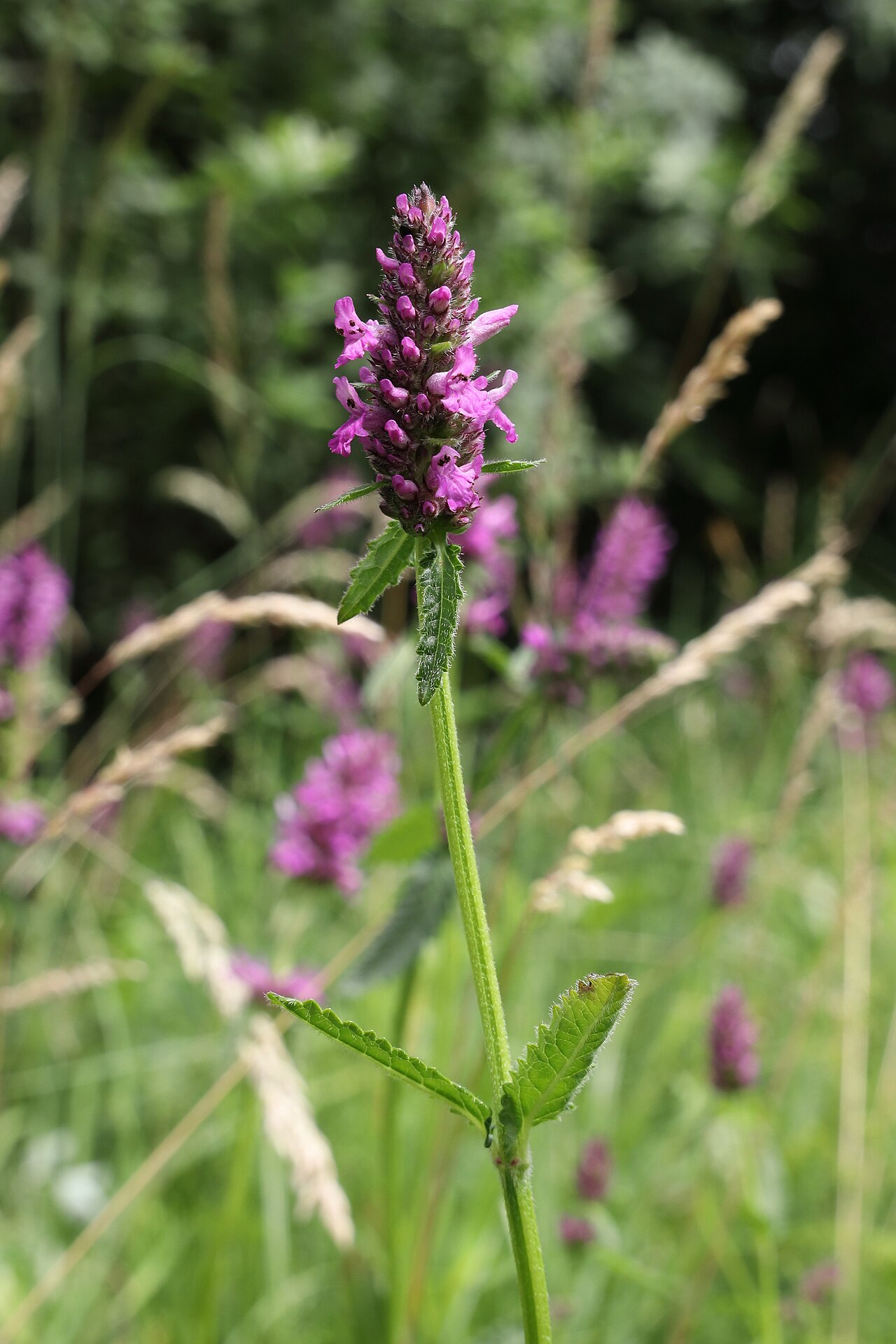
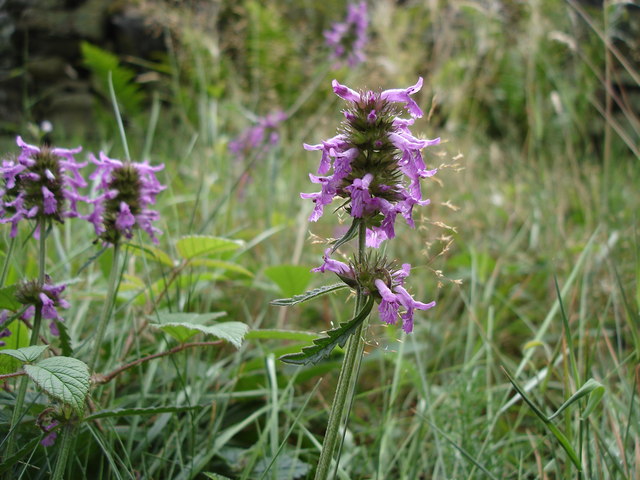
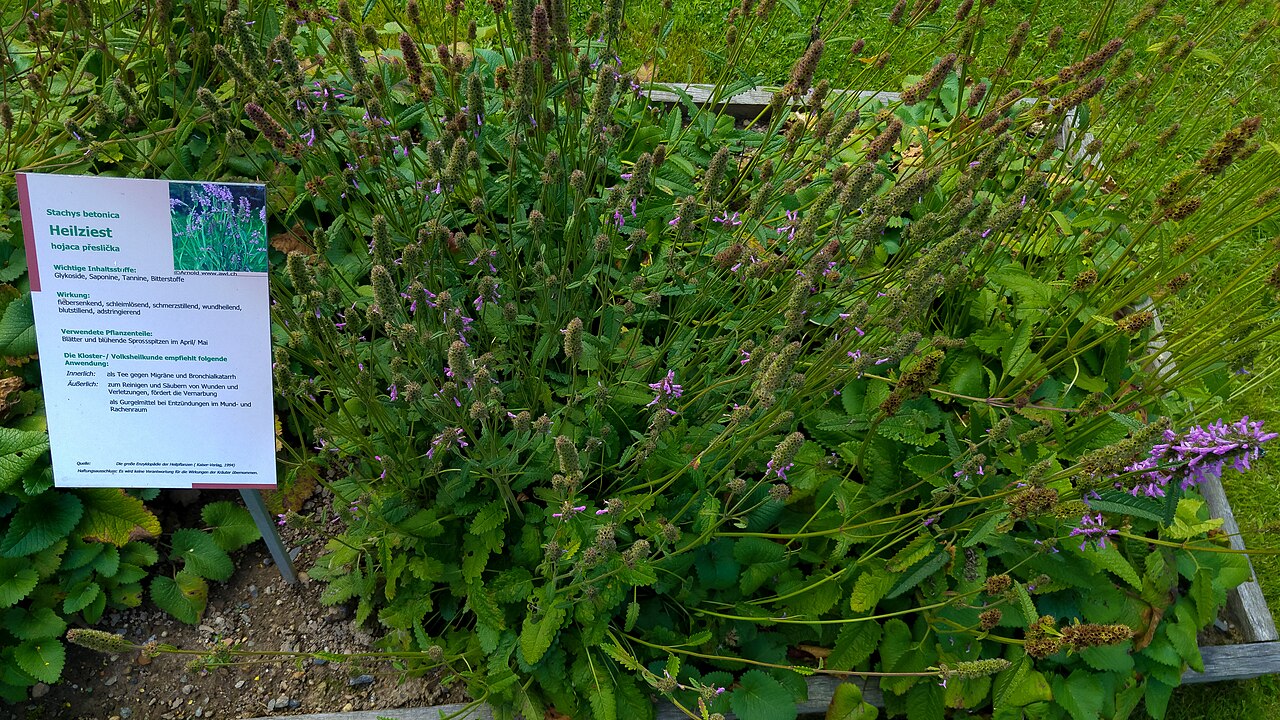
Wood betony is a neat, clumping perennial, 1-2 feet tall, with wrinkled, scalloped leaves in a basal rosette and dense spikes of purple-pink flowers in summer that bees visit constantly. Start from seed in fall or spring (it benefits from a cold period) or from divisions in spring, and plant in full sun to part shade in well-drained, average soil — it tolerates poor soil but looks best with a little compost. It is a classic herb-garden edging plant, tidy where many old herbs sprawl, and it makes a good companion for roses and other cottage-garden plants. Deadhead after flowering to keep it neat and to encourage a second flush, and divide every few years to keep clumps vigorous. In hot climates, afternoon shade prevents leaf scorch.
Water & feeding
Water regularly until established, then about an inch a week — wood betony tolerates short dry spells but looks best with steady moisture. Feed lightly with compost in spring; heavy fertilizer makes floppy growth. Mulch to hold moisture, and cut back spent flower spikes to the rosette after blooming.
Common problems
- Powdery mildew in humid, crowded beds — space for airflow, water at the base, and cut out affected leaves.
- Leaf scorch in hot sun — give afternoon shade in hot climates and water deeply in dry spells.
- Declining center in old clumps — divide every 3-4 years in spring, replanting the outer, vigorous pieces.
- Slugs on young leaves in damp spots — hand-pick at dusk; established plants outgrow minor damage.
Harvest
Snip leaves through the season, taking outer rosette leaves first, and cut flower spikes as they open if you want to dry them — hang small bunches in a dark, airy place. This guide is about growing only: wood betony was once claimed to cure dozens of ailments, a history this guide mentions without endorsing, since those old claims are not evidence and the plant is best enjoyed as a handsome, bee-friendly garden perennial. Leave some flower spikes standing for pollinators and for seed, and divide the clump in spring to share with other gardeners.
Browse all plant & pest guides
Saving seeds
Wood betony seed is easy. Let a few flower spikes ripen on the plant until they are dry and brown, then strip the seed into a paper bag. Sow on the surface of moist mix and do not bury the seed at all — it needs light to germinate — and give it a cold, moist chill of a few weeks first, or sow in fall outdoors and let winter do it. Germination usually comes in two to three weeks after chilling.
It self-seeds lightly, so deadhead if you do not want volunteers, or let a few plants go and see what comes up. Save from the plants with the best flowers — the clearest pinks and purples, the fullest spikes — and dry the seed thoroughly before storing; it keeps a few years in a cool, dry jar.
Seedlings will vary, and the named forms come only from cuttings or division. Division is easy for the clump-forming kinds — lift and split in spring or fall, and every piece with roots and shoots attached becomes a plant.
And a caution: wood betony is a medicinal plant with real effects — this guide does not give medical advice, and the seed note here is for the garden, not the medicine cabinet. Grow it for the flowers and the bees, and leave the medicine to the professionals.
Varieties
Every named variety of Wood Betony with its own growing guide:
- Hummelo Wood Betony — The betony that won everything: rose-lavender spikes over crinkled green leaves, Perennial Plant of the Year and RHS Award winner.
- Rosea Wood Betony — The pale-pink betony: dense heads of pale-pink flowers over crinkled green mats, the softer, wildlife-garden betony.