
🌸 Germander
What it looks like
How to grow
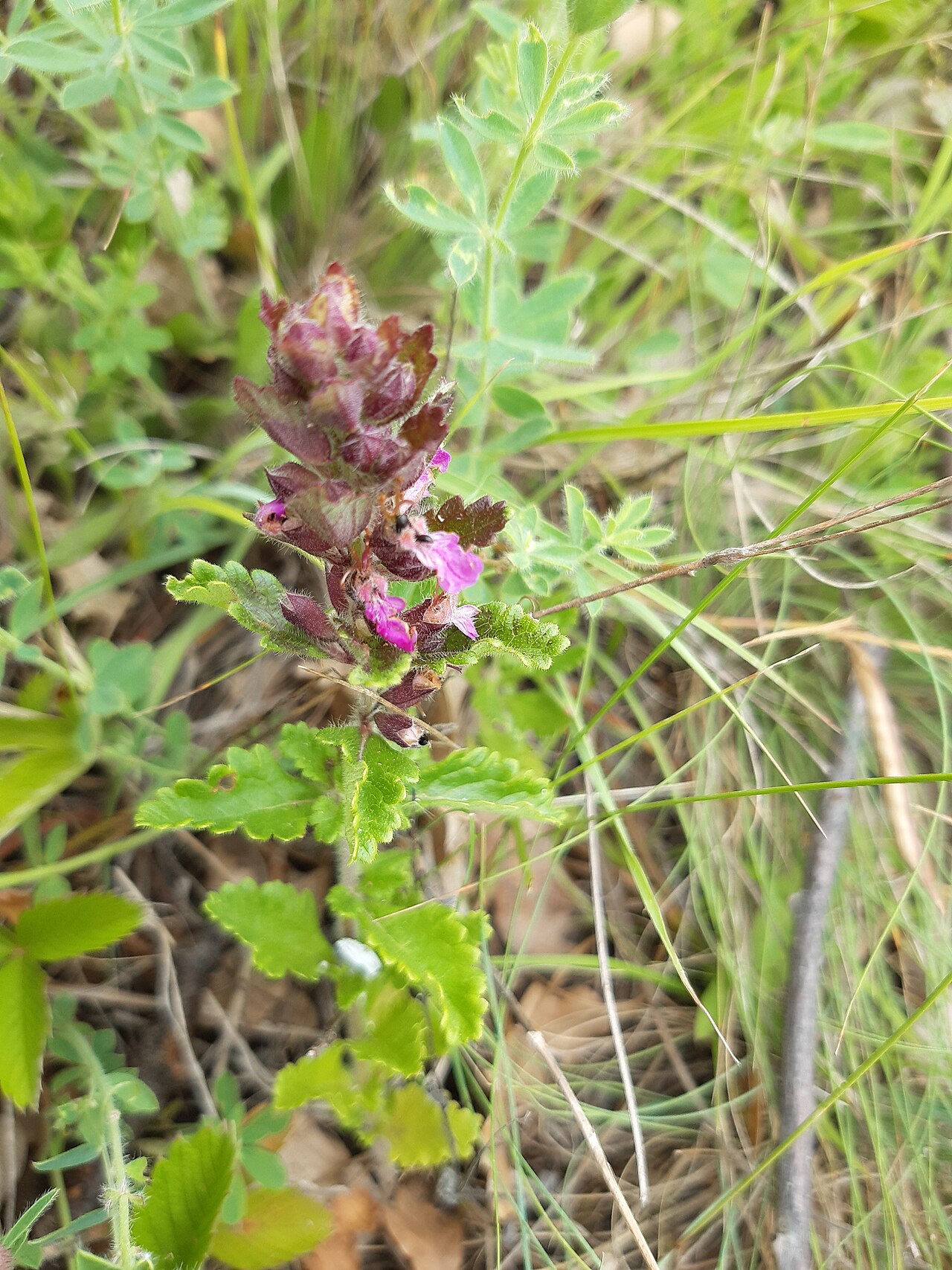
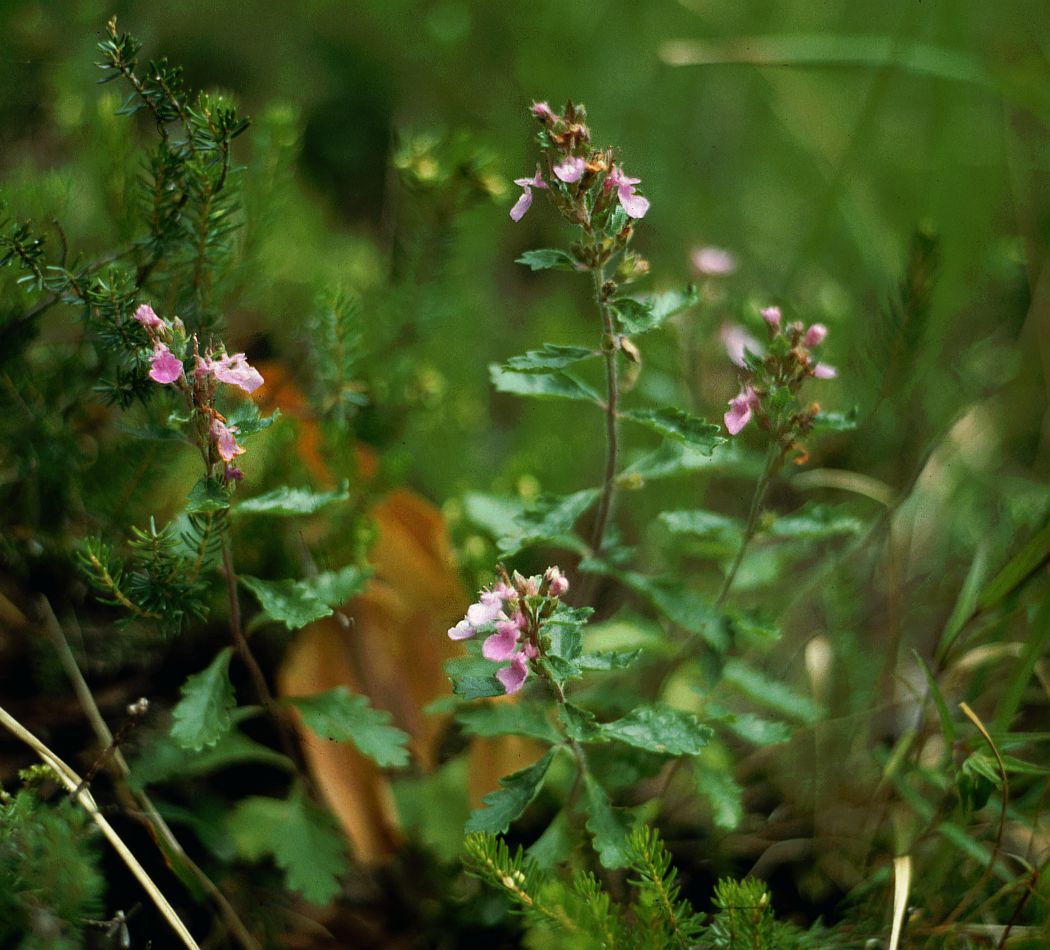
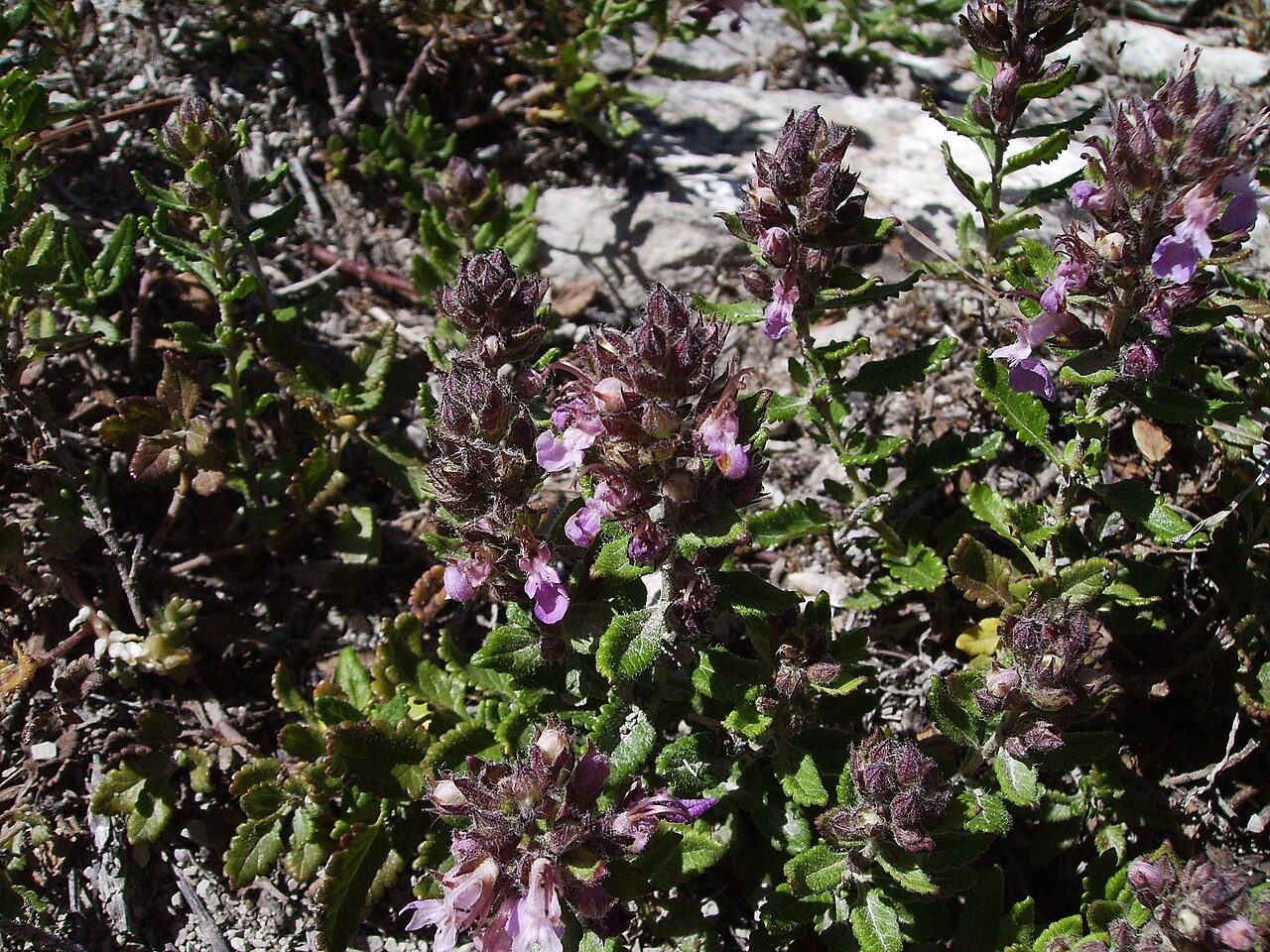
Wall germander is a small, shrubby evergreen, 1-2 feet tall and up to 3 feet wide, with glossy, toothed, fragrant leaves and spikes of mauve-pink flowers in summer. Start from cuttings in spring or early summer — the reliable route — or from divisions in fall or seed. Plant in full sun and poor, gritty, sharply drained soil; germander loves dry, lean conditions and hates wet feet, especially in winter. It is the classic knot-garden plant because it tolerates shearing into tiny hedges and crisp edges, staying dense where boxwood struggles in heat. In zone 5, give it a protected spot, since harsh winters can damage it. Shear after flowering to keep it neat, and shear again during the season if you are growing it as a formal edge and do not want it to bloom.
Water & feeding
Water sparingly once established — germander is drought-tolerant and low-water once settled, needing extra water only inland or in extended drought. It needs no fertilizer; compost at planting is plenty, and rich soil makes soft growth that shears poorly. Mulch with gravel in wet climates to keep the crown dry.
Common problems
- Winter damage in zone 5 — plant in a sheltered spot, avoid wet winter soil, and wait until spring to prune out dead wood.
- Root rot in wet soil — plant in raised beds or gritty soil, and never let it sit in winter wet.
- Leggy growth if unpruned — shear once or twice a year to force side branching and keep the plant dense.
- Flopping in rich soil or shade — grow in full sun and lean soil for the tightest, most shearable shape.
Harvest
Snip leafy stems as needed for their aromatic foliage, and shear hedges after flowering to maintain shape — the clippings are fragrant and can be dried for sachets. Safety note, plainly: germander has been linked to liver injury when taken internally, and it should never be eaten or brewed as a tea. Grow it as an ornamental edging, knot-garden, and pollinator plant — bees love the flowers — and leave its old medicinal history in the past. Wash shears after cutting, and compost clippings rather than steeping them.
Browse all plant & pest guides
Saving seeds
Wall germander is almost embarrassingly willing to reproduce — it self-sows around the garden if you let it, which tells you most of what you need to know about saving its seed. The flowers, those mauve-pink spikes of summer, ripen into small dry fruits tucked in the calyx, and the seed is ready from late summer into early fall, when the heads feel dry and papery. The simplest collection method is the lazy one: let the seed heads dry on the plant, then snip them into a paper bag and shake and rub them until the small nutlets drop out. Winnow away the chaff by tipping the seed gently from one container to another in a light breeze, or just pick out the obvious debris — germander seed is small, but it is not precious about a little company.
Dry the seed thoroughly on paper for a few days out of direct sun before you store it; in Florida’s humidity, “dry enough” is a real judgment call, so wait until the seed feels hard and rattles rather than clumps, then keep it in a labeled paper envelope in a cool, dark, dry place, airtight with a desiccant packet if your house runs humid. Sow in spring in a cold frame or pots, barely covering the seed — it wants light and warmth more than burial — and prick seedlings out into individual pots once they are big enough to handle. Alternatively, direct-sow outdoors in fall and let winter do the conditioning for you; germander is a tough Mediterranean native and does not need coddling, just sharp drainage, which is the same thing it wants for the rest of its life. Expect germination over a few weeks in warm soil, unevenly, because that is how mint-family seed behaves.
One honest caveat before you sow a whole knot garden from a packet. Seed-grown germander varies, and a formal hedge or crisp edge wants uniformity, which is why this guide calls cuttings the reliable route — a cutting is the parent plant, repeated. Seed is the right tool for filling gaps, starting new plants cheaply, naturalizing a sunny bank, or raising a wilder, looser edging where a little variation reads as charm rather than sloppiness. And one safety note, since germander has a history as a medicinal herb: grow this one for the garden, not the teapot. Species of Teucrium have been linked to liver injury when taken internally, so admire it, clip it, edge with it — and leave it out of any homemade remedy.
Varieties
Every named variety of Germander with its own growing guide:
- Compactum Germander — The tiny hedge germander: a compact, five-inch wall germander with glossy leaves and lavender flowers, the knot-garden plant in miniature.
- Prostratum Germander — The creeping germander: a flat, fragrant, evergreen groundcover form of wall germander, four inches tall and three feet wide.