
🌸 Red Clover
What it looks like
How to grow
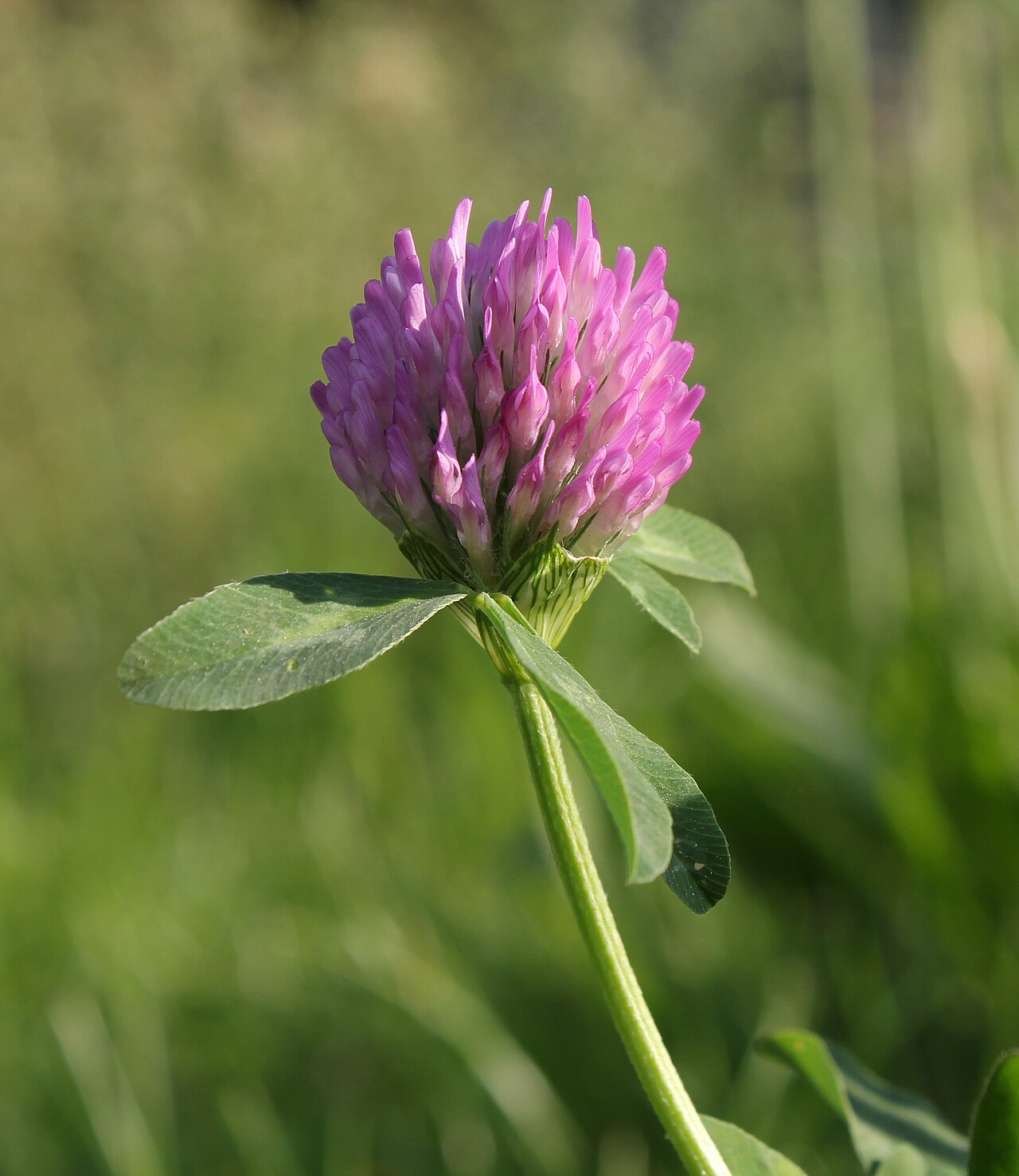
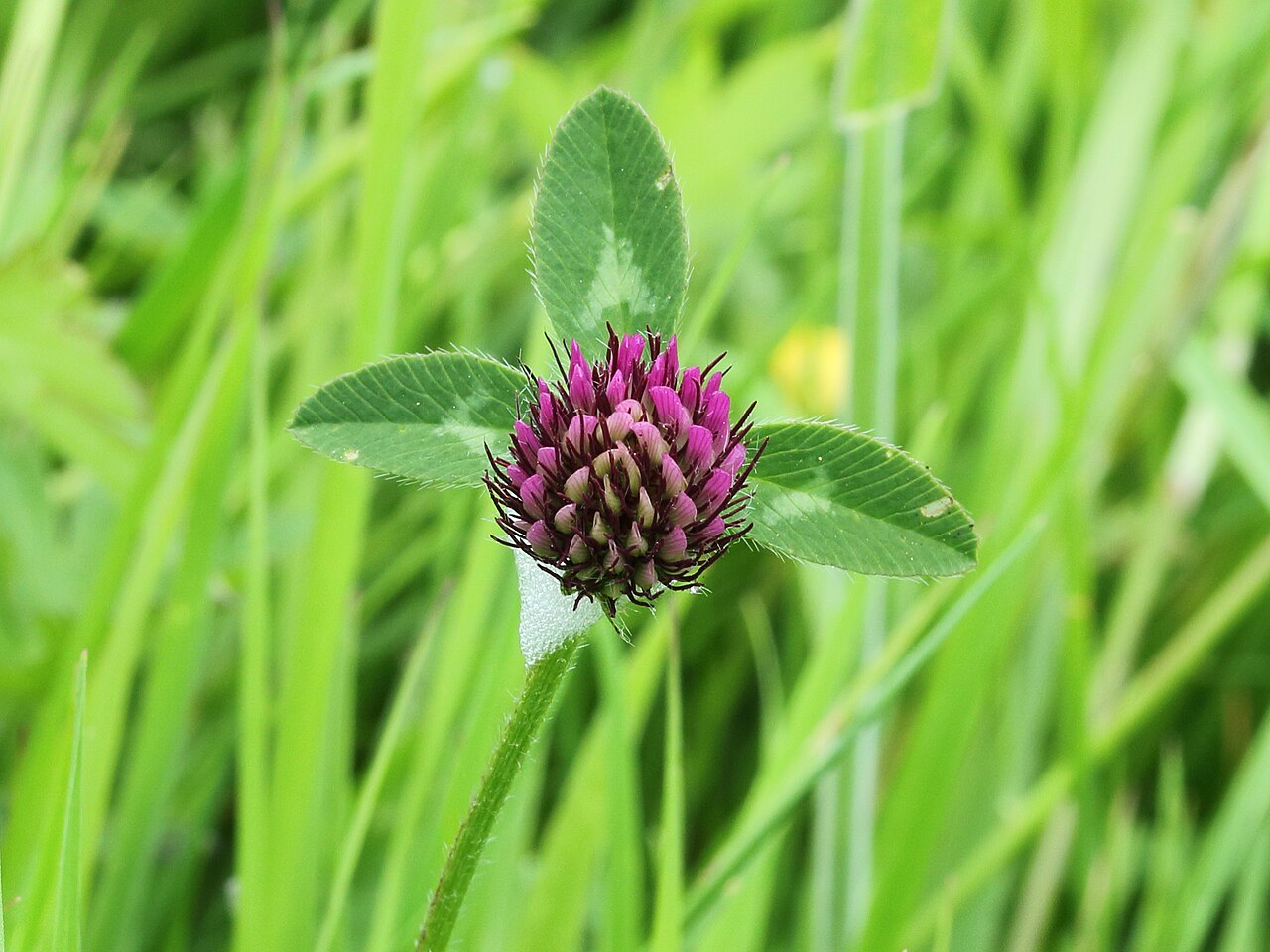
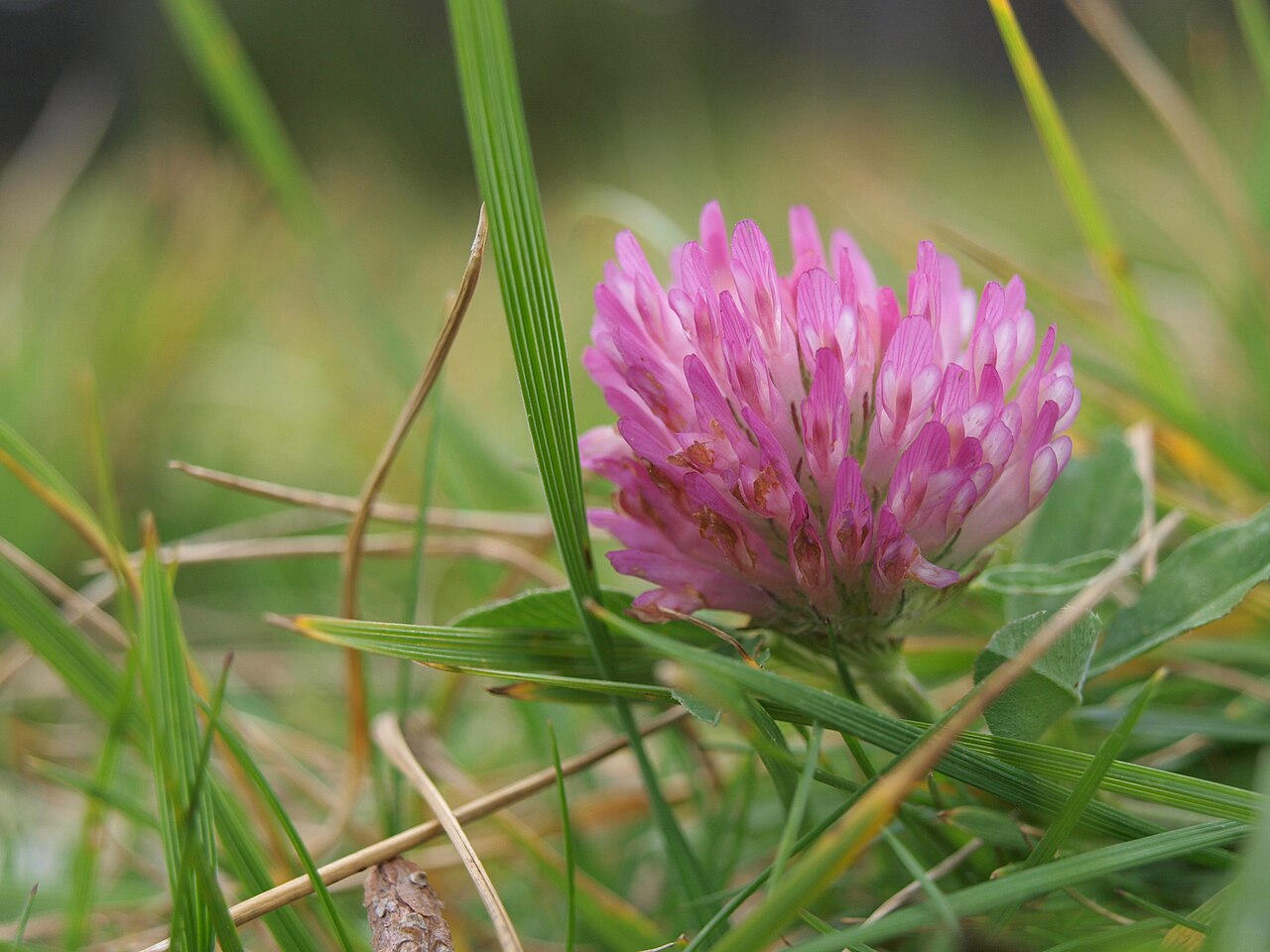
Red clover is a short-lived perennial legume, 12-24 inches tall, with trifoliate leaves (often marked with a pale chevron) and round, pink-purple flower heads that bees visit constantly. Sow seed directly outdoors in spring or fall, broadcasting it on a prepared bed and raking it in lightly, in full sun and well-drained, average soil; as a legume, red clover fixes its own nitrogen, so it improves the soil it grows in and needs no nitrogen fertilizer. It makes a superb cover crop, living mulch, and pollinator plant, and its flowers are traditionally dried for tea — though this guide is about growing, not dosing. Give it room: a red clover patch spreads into a dense, weed-suppressing carpet, and it self-sows gently if you let some heads ripen. In hot climates, it is best as a cool-season cover crop, since summer heat shortens its life.
Water & feeding
Water until established, then about an inch a week — red clover likes steady moisture but tolerates short dry spells once settled. It needs no nitrogen fertilizer; compost at planting is plenty, and excess nitrogen defeats the purpose of a legume. Mulch is unnecessary in a dense patch, and mowing the patch once or twice a season keeps it tidy and encourages fresh growth.
Common problems
- Short life in hot climates — treat as a cool-season cover crop in warm zones, and resow in fall for the next cycle.
- Self-seeding into beds — mow before seed ripens if you do not want volunteers, or let it seed for a self-renewing patch.
- Crown rot in wet soil — plant in well-drained beds, and avoid waterlogged ground, especially in winter.
- Aphids on flower heads — usually minor; blast with water and let beneficial insects handle the rest.
Harvest
Cut flower heads just as they open, in late spring and summer, drying promptly in a dark, airy place if you want to keep them for tea traditions or potpourri. Cut the whole patch back once or twice a season for mulch material — clover cuttings are nitrogen-rich and break down fast in compost. This guide is about growing only: red clover has traditional herbal uses and is widely sold as a supplement, but if you are considering it for health reasons, talk to a clinician first, especially since it contains plant compounds that act like weak estrogens. In the garden, its value is as a soil-building, bee-feeding cover crop, and that needs no health claim.
Browse all plant & pest guides
Saving seeds
Red clover seed is easy to save and generous about it — a small patch makes a lot of seed. Let a few flower heads stay on the plants instead of mowing or grazing them down. When the heads turn brown and dry and the tiny seeds inside are hard, snip the heads into a paper bag and let them dry a few more days indoors. Rub the heads between your hands to free the seed, winnow away the chaff with a gentle breath or a fine sieve, and store the seed in a paper envelope or a jar in a cool, dry place. Red clover seed keeps for several years when it is dry.
The cross-pollination catch is worth knowing. Red clover is insect-pollinated, mostly by bumblebees, and it crosses freely with other red clover — and the safe isolation distances quoted by sources vary widely, from a few hundred feet to half a mile or more. If you are saving seed for a cover crop or a pollinator patch, a little crossing does not matter much. If you are saving a specific variety, grow only one variety for seed in a season, or accept that your saved seed is a mix. Either way, let several plants go to seed together, since red clover needs cross-pollination between plants to set good seed.
Save seed from plants that were vigorous, healthy, and heavily flowered — not from the runts — and save more than you need. A single patch makes a generous handful, and red clover seed is small, so a little goes a long way at sowing time.
In Florida, red clover is a cool-season plant: sow saved seed in fall for a winter cover crop or pollinator patch, and let it flower in spring before it fades in the summer heat. If you are sowing it as a cover crop, an inoculant — the right Rhizobium bacteria for clover — helps it fix nitrogen properly, and it is cheap insurance on soil that has never grown clover before. Dry your seed thoroughly before storing it, because our humidity is the enemy of stored seed.
Varieties
Every named variety of Red Clover with its own growing guide:
- Cherokee Red Clover — The heat-tolerant Southern red clover — bred for persistence in warm climates and grazing survival.
- Kenland Red Clover — The classic medium red clover — southern-anthracnose resistant, high-yielding, and longer-lived than common types.