
🌿 Peppermint
What it looks like
How to grow
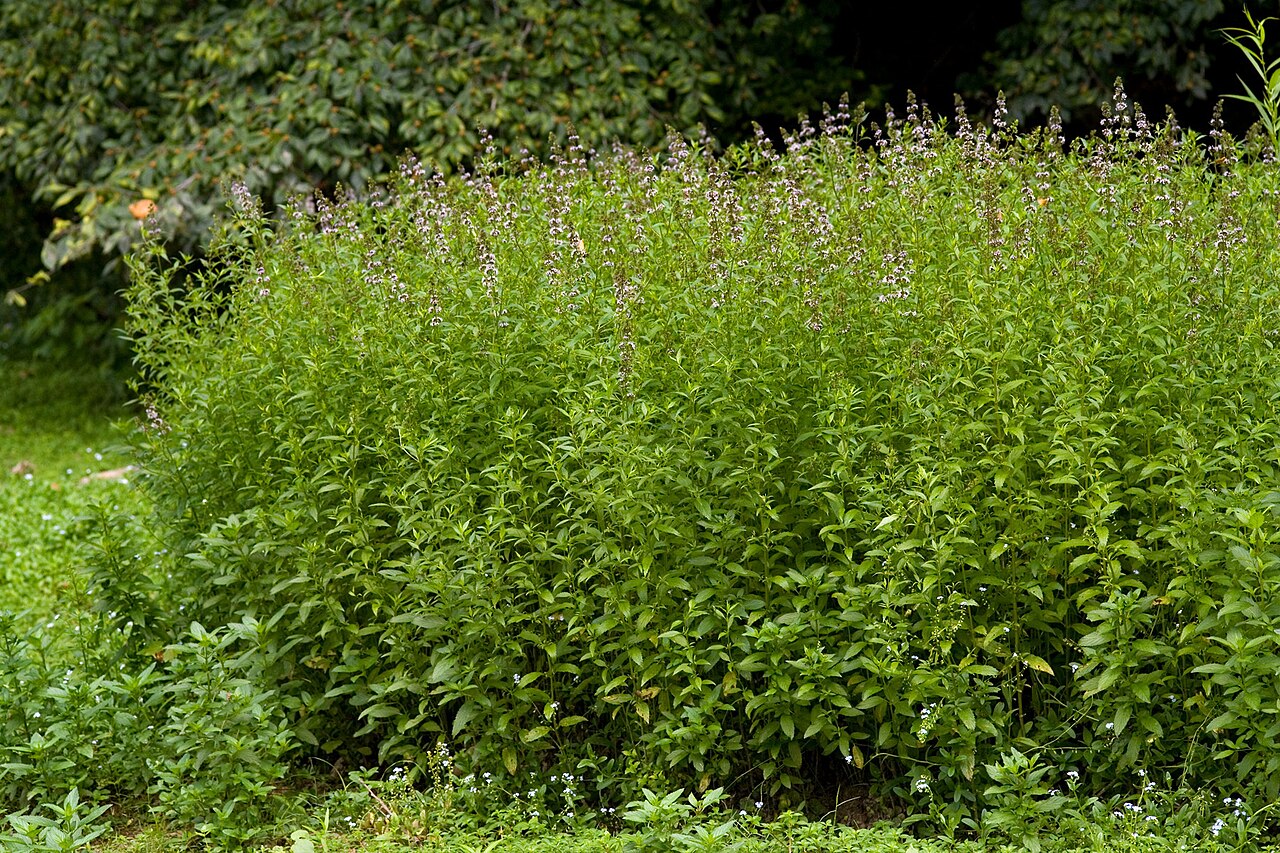
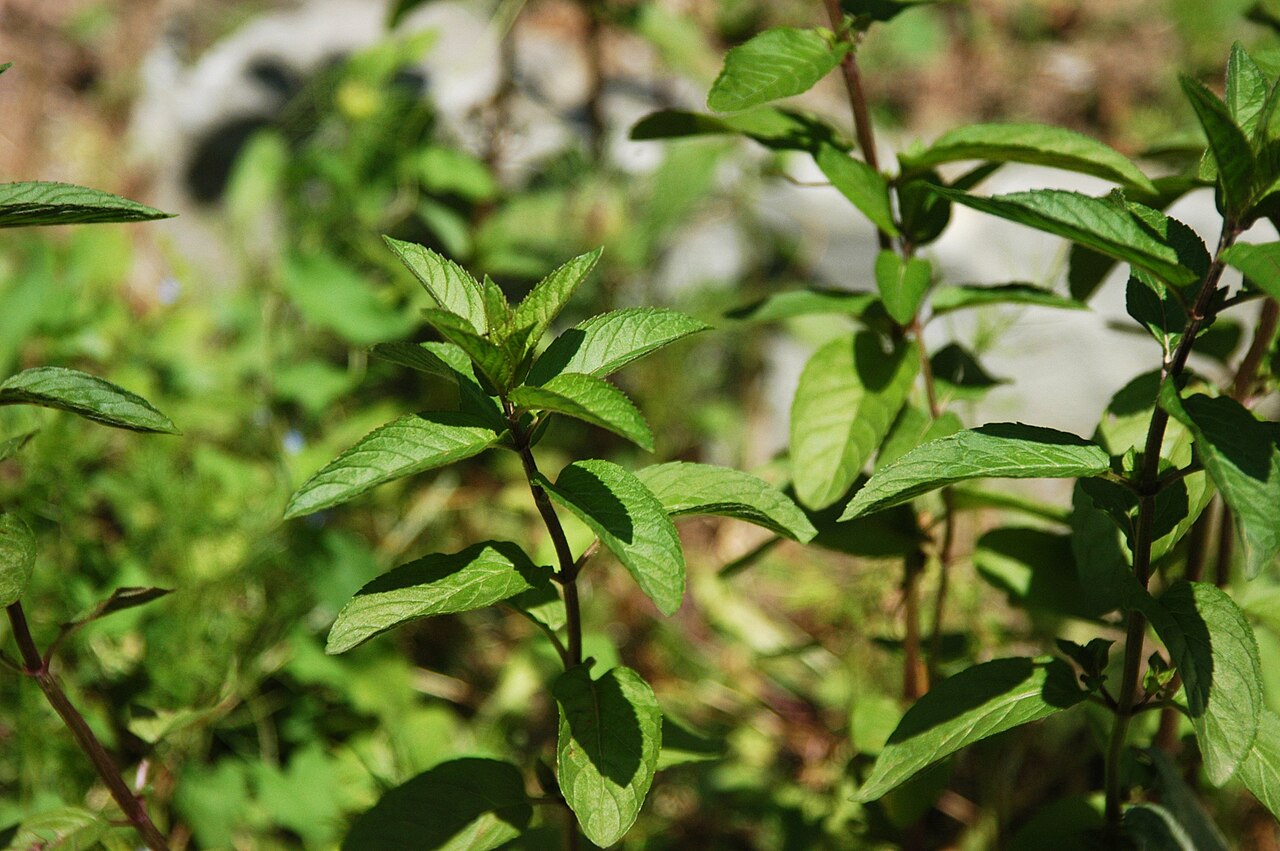
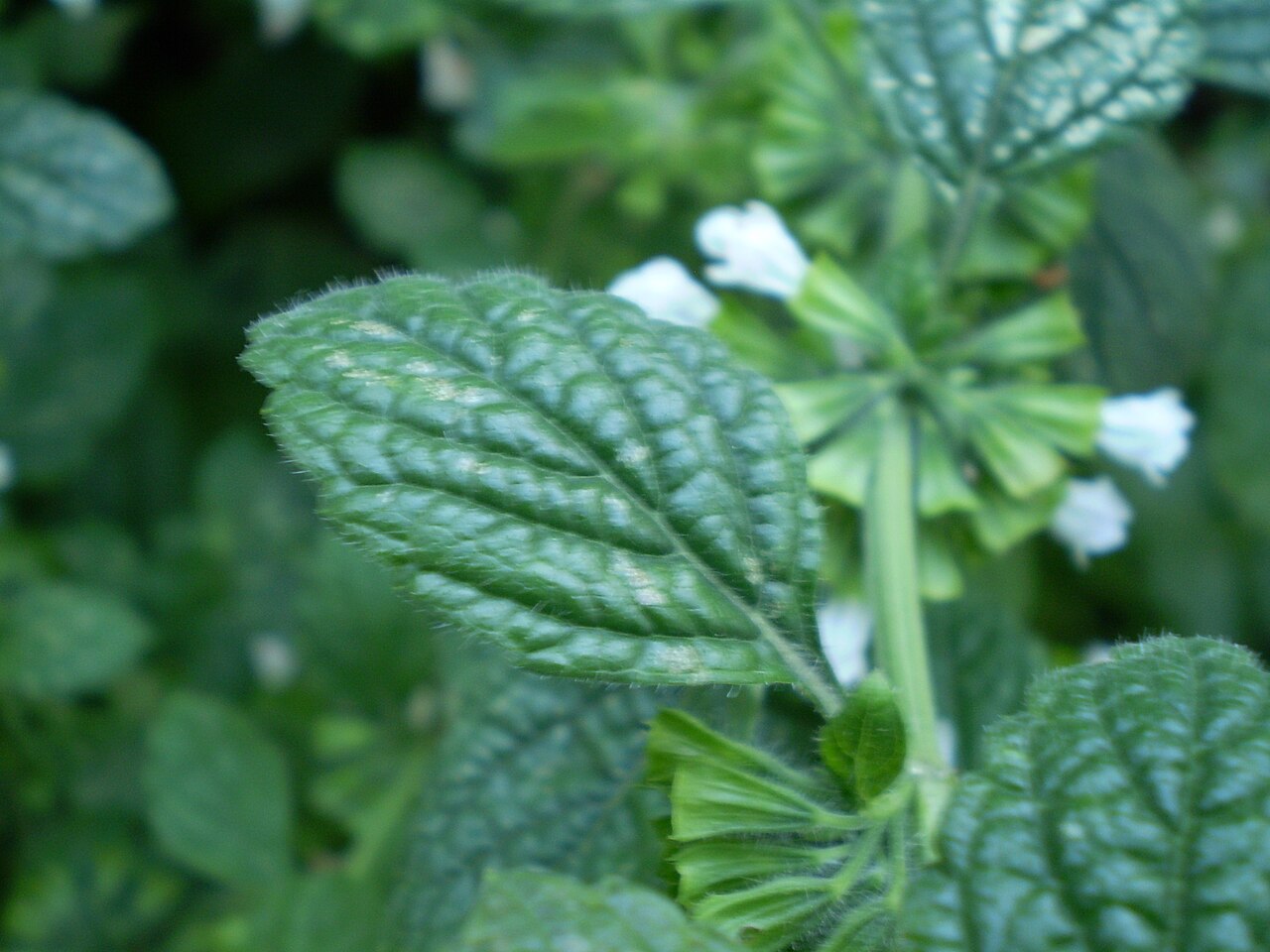
Peppermint is a vigorous perennial mint, 1-2 feet tall, with dark green, serrated leaves, reddish stems, and a strong, cooling peppermint scent from its high menthol content. Start from divisions or cuttings in spring — the reliable routes, since peppermint is a sterile hybrid and does not come true from seed — and plant it in a pot, a sunk container, or a bed with a root barrier, because peppermint spreads aggressively by runners and will colonize a bed, a lawn, and your neighbor’s bed if you let it. It wants full sun to part shade and rich, moist soil, and it tolerates wet ground better than most herbs — a damp corner suits it fine. In hot climates, afternoon shade keeps leaves from scorching, and in pots, water daily in summer heat. Peppermint is the mint for teas, desserts, and scent, with a sharper, cooler flavor than spearmint, and its flowers attract bees in late summer if you let it bloom.
Water & feeding
Keep soil consistently moist — peppermint is a thirsty mint and wilts in drought, so water deeply whenever the top inch dries out, and daily in pots in summer heat. Feed lightly with compost in spring; heavy fertilizer makes soft growth, but peppermint appreciates fertility more than most mints. Mulch to hold moisture, and cut back hard several times a season to force fresh, tender growth.
Common problems
- Spreading by runners — the main problem. Pot culture or root barriers are the only reliable controls; pull escapees promptly.
- Mint rust and powdery mildew in humid, crowded beds — space for airflow, remove affected stems, and do not overhead-water.
- Drying out in pots — check daily in summer heat; a wilted mint usually recovers with deep watering, but repeated wilting weakens it.
- Confusion with other mints — label plants clearly; peppermint’s dark leaves, reddish stems, and cooling scent distinguish it from spearmint’s milder, sweeter flavor.
Harvest
Snip leaves as needed through the season, taking outer stems first, and cut the whole plant back by half before flowering for the strongest flavor if you want to dry leaves — hang small bunches in a dark, airy place, or freeze chopped leaves in water in ice cube trays for teas. Fresh leaves are best for teas, desserts, and salads, and dried leaves keep their scent for months. This guide is about growing only: peppermint is a common food herb, but its concentrated oil should never be applied to infants’ faces or taken in large amounts, so keep culinary use to normal food amounts and enjoy the scent. Divide pots every year or two to keep plants vigorous.
Browse all plant & pest guides
Propagation
There is no seed section here, and that is not an oversight: peppermint is a sterile hybrid, Mentha × piperita, a cross between watermint and spearmint, and it does not set viable seed. Anything sold as peppermint seed is either a different mint or a disappointment. Peppermint is propagated by division and cuttings, and it does both so eagerly that the real question is how to keep it from taking over.
The simplest route is division. In spring, dig up a clump and pull or cut it apart so each piece has roots and a few shoots, then replant the pieces where you want them. You can also take stem cuttings in spring or summer: snip a 4- to 6-inch tip, strip the lower leaves, and stick it in moist potting mix or a glass of water. Roots appear in a week or two, and the cutting is ready to pot up soon after. Runners do the work on their own if you let them — a stem that touches damp soil will root at the node, and you can snip it free and move it.
The containment warning matters more than the propagation method. Peppermint spreads by underground runners and will colonize a bed in a single season, crowding out neighbors and popping up yards from where you planted it. In Florida’s long warm season it never really stops. Grow it in a pot — ideally a pot sunk into the ground or standing on pavement, since runners escape through drainage holes — and never plant it loose in a bed you care about. A pot of peppermint on the porch gives you all the leaves you will ever use, with none of the regret.
Harvest leaves as you need them, cutting stems back by a third at a time; the plant responds by branching and growing back thicker. Dry the leaves in a dark, airy spot for tea, or use them fresh. And if a friend asks for a start, a rooted runner in a small pot is the gift — just warn them about the pot part.
Varieties
Every named variety of Peppermint with its own growing guide:
- Black Mitcham Peppermint — The classic English peppermint: dark stems, dark green leaves, and the highest, purest menthol flavor — the oil peppermint, and the tea peppermint.
- Chocolate Mint Peppermint — Peppermint that smells like a peppermint patty: dark leaves, purple undersides, and a chocolate-mint scent that makes desserts taste like they cheated.
- White Peppermint — The pale, mild peppermint: light green leaves, no purple flush, and a softer, more delicate menthol — the tea peppermint for people who find black types too fierce.